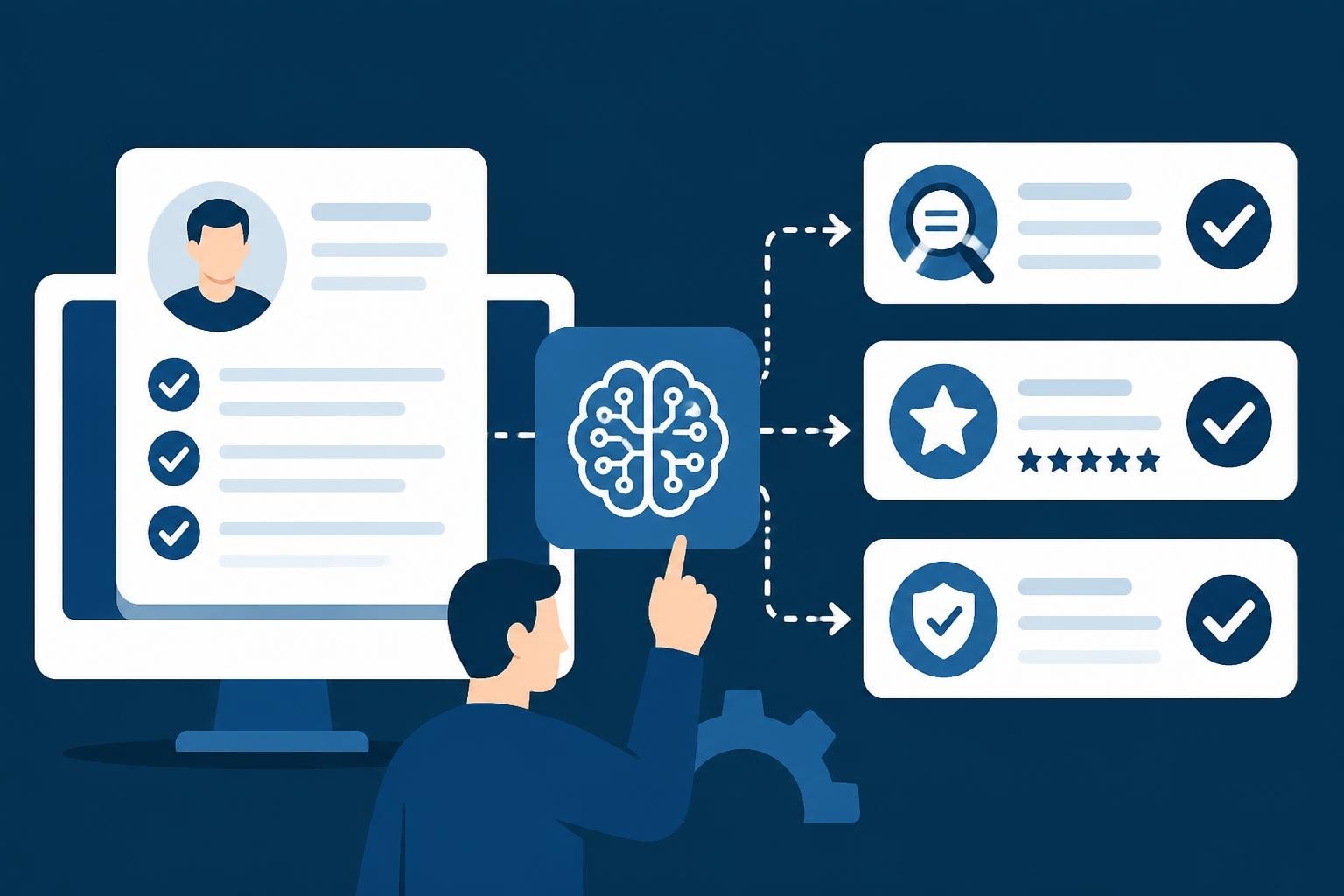
AI Resume Screening Software: A Complete Guide for 2026
The hiring landscape has transformed dramatically over the past few years, with artificial intelligence becoming central to how organizations evaluate talent. Modern recruitment teams process thousands of applications for each open position, making manual screening practically impossible. AI resume screening software has emerged as a critical solution, enabling companies to automate initial candidate evaluation while maintaining consistency and reducing time-to-hire. Understanding how these systems work and their implications for both employers and candidates has become essential for anyone involved in talent acquisition.
Understanding AI Resume Screening Technology
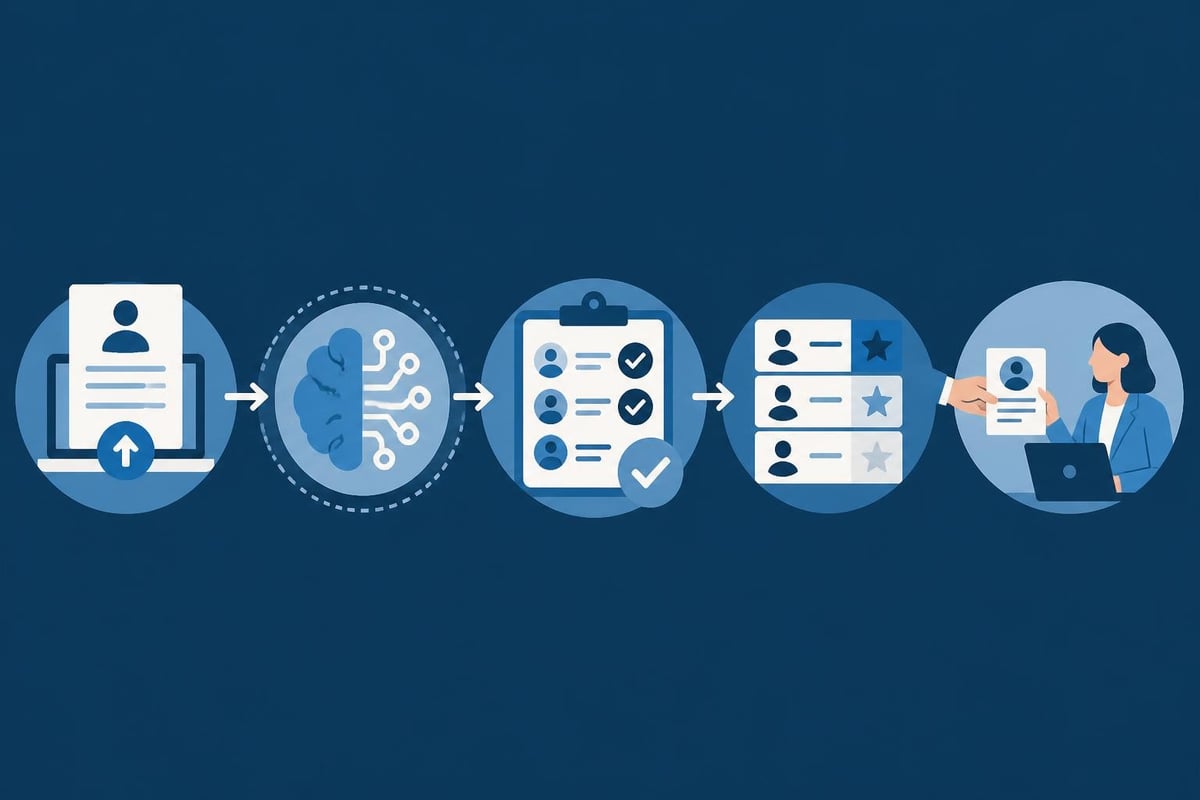
AI resume screening software utilizes machine learning algorithms and natural language processing to analyze candidate applications automatically. These systems parse resumes, extract relevant information, and rank candidates based on predetermined criteria that align with job requirements.
The technology examines multiple data points simultaneously, including work experience, educational background, technical skills, certifications, and career progression patterns. By processing this information at scale, the software can evaluate hundreds of applications in minutes, a task that would require days or weeks for human recruiters.
Key capabilities of modern screening systems include:
- Keyword matching and semantic analysis to identify relevant qualifications
- Experience level calculation based on job tenure and role progression
- Skills extraction and categorization across technical and soft competencies
- Education verification and credential assessment
- Cultural fit prediction based on company values and job descriptions
How Machine Learning Improves Screening Accuracy
Machine learning models powering ai resume screening software continuously improve through exposure to hiring outcomes. When recruiters make hiring decisions, these systems learn which candidate characteristics correlate with successful placements, refining their evaluation criteria over time.
This adaptive capability distinguishes modern AI screening from simple keyword-matching systems. The algorithms identify patterns that human reviewers might miss, such as non-linear career paths that indicate adaptability or skill combinations that predict performance in specific roles.
Research examining the competence and intersectional bias in AI-powered resume screening has revealed both the potential and limitations of these systems, emphasizing the need for continuous monitoring and validation.
Benefits of Implementing AI Resume Screening
Organizations adopting ai resume screening software typically experience significant improvements across multiple hiring metrics. The most immediate advantage appears in time savings, with recruitment teams redirecting hours previously spent on manual resume review toward higher-value activities like candidate engagement and interview preparation.
Efficiency and Speed Improvements
The velocity advantage cannot be overstated. Traditional screening processes often create bottlenecks during high-volume hiring periods, leading to extended time-to-fill metrics and potential candidate drop-off. Automated screening eliminates this constraint entirely.
| Metric | Manual Screening | AI-Powered Screening |
|---|---|---|
| Time per resume | 5-10 minutes | 10-30 seconds |
| Daily screening capacity | 50-100 resumes | 1,000+ resumes |
| Average time-to-hire | 42 days | 23 days |
| Cost per hire | $4,700 | $3,100 |
These efficiency gains compound across the hiring lifecycle. Faster initial screening means quicker candidate outreach, shorter interview cycles, and reduced risk of losing top talent to competing offers.
Consistency and Standardization
Human reviewers bring inherent variability to screening decisions. Factors like fatigue, personal biases, and subjective preferences can lead to inconsistent evaluations. AI resume screening software applies identical criteria to every candidate, ensuring standardized assessment regardless of when or by whom the application is reviewed.
This consistency proves particularly valuable for organizations with multiple recruiters or distributed hiring teams. The technology maintains uniform standards across geographies, departments, and hiring managers, creating a more equitable candidate experience.
Standardization benefits include:
- Reduced bias from irrelevant factors like name, age, or educational institution
- Consistent application of minimum qualifications across all candidates
- Objective scoring based on measurable criteria
- Audit trails documenting evaluation decisions
- Compliance support for equal opportunity regulations
Challenges and Considerations
Despite significant advantages, ai resume screening software introduces complexities that organizations must address thoughtfully. The technology's effectiveness depends heavily on implementation quality, ongoing monitoring, and integration with broader talent acquisition strategies.
Potential for Algorithmic Bias
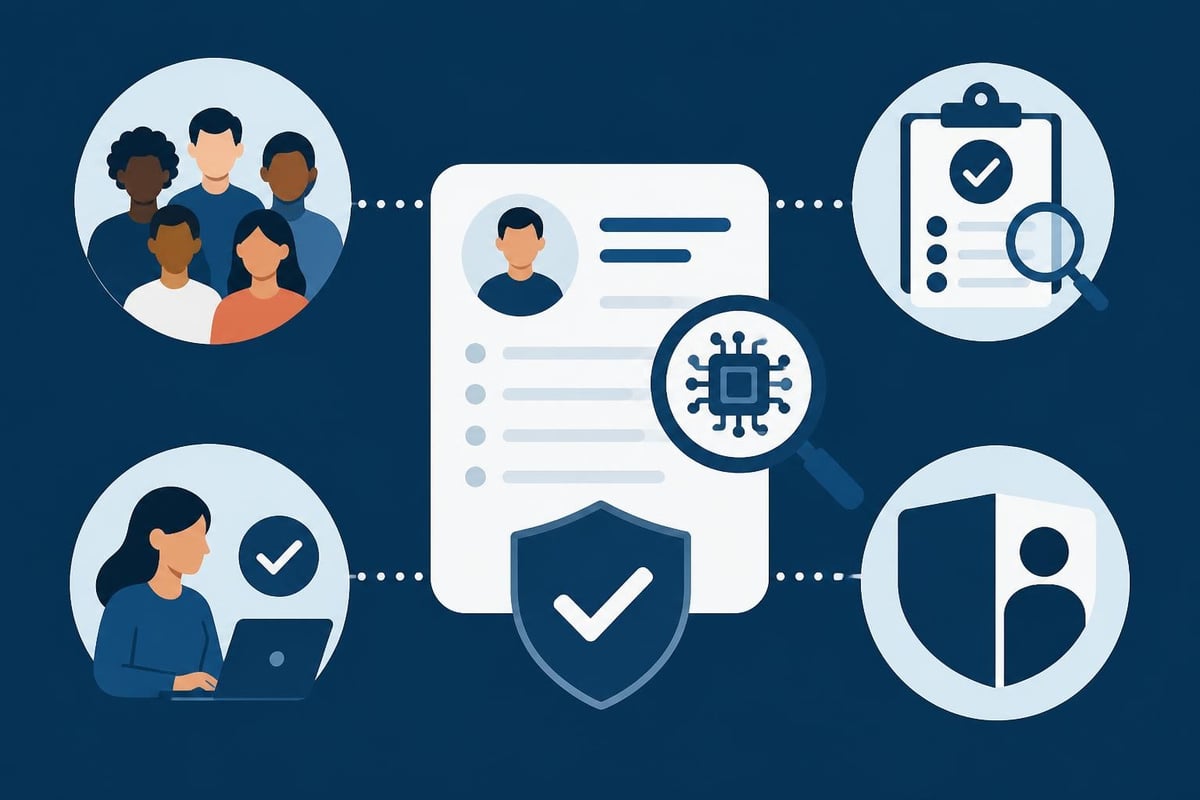
The most significant concern surrounding automated screening involves bias perpetuation. When AI systems learn from historical hiring data, they may inadvertently encode existing biases present in past decisions. Studies have shown that poorly configured systems can discriminate against candidates based on gender, ethnicity, or educational background.
AI-driven Applicant Tracking Systems filter out 75% of resumes before reaching human reviewers, making it critical that these systems operate fairly and transparently.
Organizations must implement regular bias audits, diverse training data sets, and human oversight mechanisms to mitigate these risks. The PopResume dataset for evaluating fairness provides frameworks for testing screening systems against causal fairness principles.
Resume Optimization and Gaming
As candidates become aware of AI screening, many optimize their applications specifically to pass automated filters. This resume optimization creates an arms race where qualifications matter less than keyword density and formatting choices.
The phenomenon has spawned an entire industry of CV tweaks designed to bypass AI bots, potentially undermining the system's ability to identify genuinely qualified candidates. Some applicants stuff resumes with keywords or use white text to include additional terms invisible to human readers.
Sophisticated screening systems combat these tactics through semantic analysis that evaluates context rather than simple keyword presence. However, the challenge persists, requiring ongoing refinement of detection algorithms.
Best Practices for Implementation
Successful deployment of ai resume screening software requires strategic planning and ongoing optimization. Organizations that treat implementation as a one-time setup inevitably encounter problems, while those that embrace continuous improvement realize substantial value.
Define Clear Success Metrics
Before implementing screening technology, establish measurable objectives that align with broader talent acquisition goals. These metrics should extend beyond simple efficiency measures to include quality indicators.
Essential tracking metrics:
- Time-to-screen reduction
- Qualified candidate pass-through rate
- Interview-to-offer conversion rates
- New hire performance scores
- Candidate demographic diversity
- Hiring manager satisfaction ratings
Regular reporting against these metrics enables data-driven optimization and demonstrates ROI to stakeholders. Organizations should review performance quarterly and adjust screening criteria based on outcomes.
Maintain Human Oversight
AI resume screening software works best as a collaborative tool rather than a complete replacement for human judgment. The most effective implementations use automation for initial filtering while preserving human decision-making for final selections.
Platforms like Augmnt ATS combine AI-powered screening with human validation to ensure candidate quality and prevent fraud. This hybrid approach balances efficiency with the nuanced evaluation that complex hiring decisions require.
Recruiters should review a sample of both accepted and rejected candidates regularly to validate the AI's decision-making. This oversight identifies potential issues before they impact significant candidate volumes.
Optimize Job Descriptions for AI Matching
The effectiveness of ai resume screening software depends heavily on job description quality. Vague or poorly structured requirements produce suboptimal screening results regardless of the technology's sophistication.
- Use specific, measurable qualification criteria rather than subjective descriptions
- Distinguish between required and preferred qualifications explicitly
- Include relevant technical skills, tools, and methodologies by name
- Specify experience levels with clear year ranges or project examples
- Avoid jargon or internal terminology that external candidates won't use
Well-crafted job descriptions improve matching accuracy while simultaneously attracting more qualified applicants. This dual benefit makes job description optimization one of the highest-return activities in recruitment process improvement.
Integration with Broader Hiring Workflows
AI resume screening software delivers maximum value when integrated seamlessly with other recruitment technologies and processes. Standalone implementations create data silos and manual handoffs that negate efficiency gains.
ATS and CRM Integration
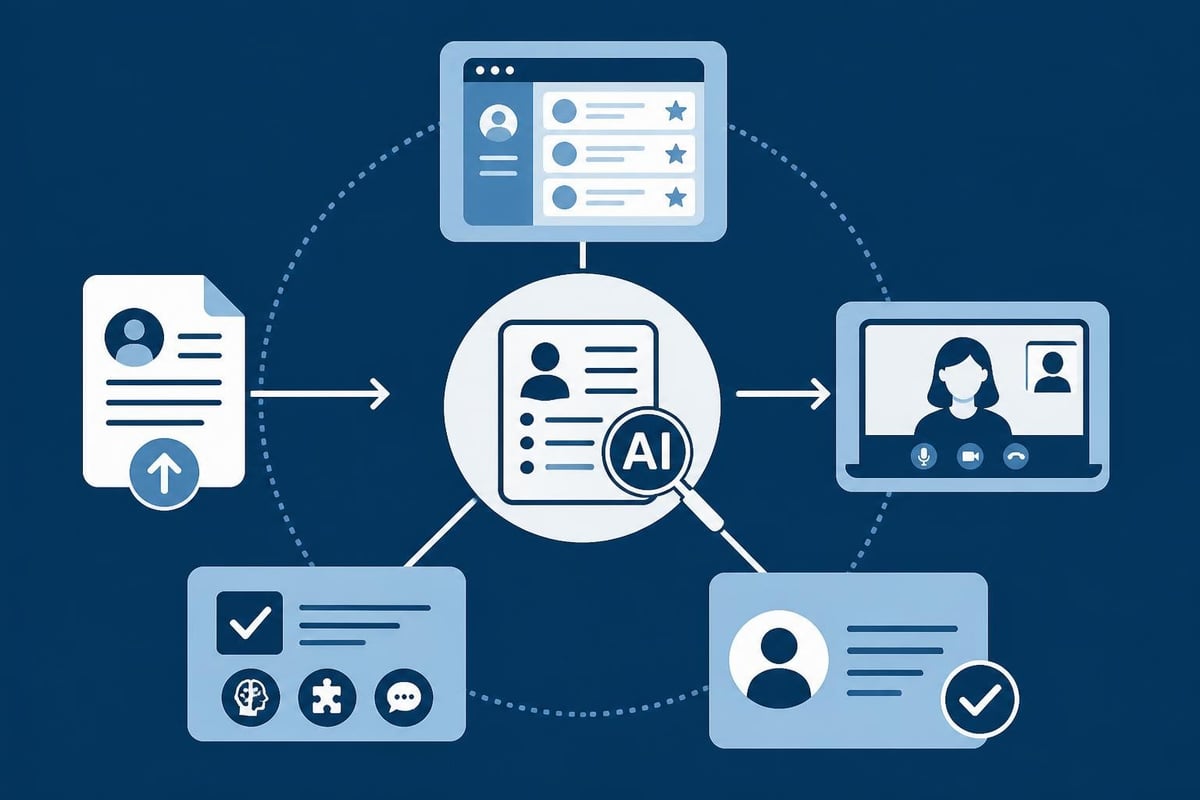
Modern screening solutions should connect directly with applicant tracking systems and candidate relationship management platforms. This integration enables automated workflows where screened candidates move through subsequent hiring stages without manual data transfer.
ATS integrations facilitate bidirectional data flow, allowing screening results to inform broader talent pool management while enabling recruiters to refine screening criteria based on downstream hiring outcomes.
The connection between systems also supports compliance documentation, maintaining complete audit trails from initial application through final hiring decision.
Interview Automation and Assessment Tools
After initial screening, candidates typically progress to interviews and skills assessments. AI screening data can inform these subsequent stages by highlighting specific qualifications to explore or potential concerns to address.
As AI extends into job interviews themselves, the screening data becomes increasingly valuable for personalizing interview questions and evaluation criteria. This continuity creates a more cohesive candidate experience while improving assessment quality.
Future Developments in AI Screening Technology
The ai resume screening software landscape continues evolving rapidly, with several emerging capabilities poised to transform recruitment further. Understanding these trends helps organizations plan technology investments and prepare for shifting candidate expectations.
Context-Aware Evaluation
Next-generation screening systems move beyond simple qualification matching toward contextual understanding of candidate backgrounds. Context-aware frameworks using large language models analyze career narratives holistically, identifying transferable skills and unconventional qualifications that traditional screening misses.
These systems recognize that a candidate who successfully transitioned from software development to product management might excel in a role requiring both technical knowledge and strategic thinking, even if their resume doesn't perfectly match the job description keywords.
Enhanced Privacy Protection
Data privacy concerns have intensified as AI systems process increasingly sensitive personal information. New approaches like AutoScreen-FW utilize large language models for screening while maintaining data privacy through federated learning and local processing.
These privacy-preserving architectures enable organizations to leverage advanced AI capabilities without centralizing candidate data, addressing regulatory requirements and candidate concerns simultaneously.
Explainable AI and Transparency
Candidates and regulators increasingly demand transparency in automated hiring decisions. Future ai resume screening software will incorporate explainnable AI capabilities that articulate why specific candidates were selected or rejected.
This transparency serves multiple purposes: building candidate trust, enabling recruiter validation of AI decisions, supporting compliance with emerging regulations, and facilitating continuous system improvement through clear feedback loops.
Selecting the Right Screening Solution
Organizations evaluating ai resume screening software face a crowded marketplace with varying capabilities, pricing models, and implementation approaches. A structured selection process ensures alignment between technology capabilities and organizational needs.
Essential Feature Requirements
Different organizations prioritize different screening capabilities based on their hiring volumes, role complexity, and existing technology ecosystems. However, certain core features should appear on every evaluation checklist.
| Feature Category | Must-Have Capabilities | Nice-to-Have Additions |
|---|---|---|
| Resume Parsing | Multi-format support, structured data extraction | Visual resume analysis, social profile integration |
| Matching Logic | Keyword and semantic matching, experience calculation | Skill adjacency recognition, career trajectory analysis |
| Bias Mitigation | Blind screening options, audit logging | Proactive bias detection, demographic impact reporting |
| Integration | ATS connectivity, API access | CRM integration, assessment platform connections |
| Reporting | Screening metrics, candidate pipeline analytics | Predictive hiring outcomes, diversity tracking |
Organizations should weight these requirements based on their specific challenges and strategic priorities rather than simply selecting the solution with the most features.
Vendor Evaluation Criteria
Beyond feature sets, several vendor characteristics significantly impact long-term success with ai resume screening software implementations.
Critical vendor assessment factors:
- Industry expertise and relevant customer references
- Implementation support and training resources
- Ongoing algorithm updates and improvement commitment
- Data security practices and compliance certifications
- Customer support responsiveness and technical capabilities
- Pricing transparency and contract flexibility
Request demonstrations using your actual job descriptions and candidate pools rather than generic examples. This practical testing reveals how the system performs with your specific use cases and highlights potential configuration requirements.
Measuring ROI and Continuous Improvement
Implementing ai resume screening software represents a significant investment in technology and process change. Demonstrating clear return on investment justifies the expenditure while identifying optimization opportunities.
Quantifying Financial Impact
ROI calculation should encompass both direct cost savings and indirect value creation. Direct savings include reduced recruiter time spent on manual screening and faster time-to-fill reducing vacancy costs.
ROI formula components:
- Annual recruiter time savings (hours saved × hourly cost)
- Reduced time-to-fill (open position days saved × daily vacancy cost)
- Improved quality of hire (performance differential × compensation)
- Decreased early turnover (reduced rehiring costs)
- Implementation and subscription costs
Most organizations achieve positive ROI within 6-12 months, with returns accelerating as recruiters become proficient with the technology and optimization efforts compound.
Establishing Feedback Loops
Continuous improvement requires systematic feedback collection from multiple stakeholders: recruiters using the system, hiring managers receiving candidates, and the candidates themselves.
Regular calibration sessions where recruiters review AI screening decisions together create shared understanding of evaluation criteria and identify potential issues. These sessions also surface opportunities to refine job descriptions or adjust screening parameters.
Candidate feedback, while sometimes negative due to application rejections, provides valuable insights into user experience and potential bias. Anonymous surveys asking rejected candidates about their perception of fairness can reveal blind spots in screening logic.
The evolution of ai resume screening software has fundamentally changed how organizations identify and evaluate talent, offering unprecedented efficiency while introducing new challenges around bias, transparency, and candidate experience. Success requires balancing automation benefits with human oversight, continuous optimization based on hiring outcomes, and commitment to fair, inclusive practices.
For organizations seeking verified AI talent while ensuring comprehensive candidate validation, Augmnt provides an intelligent marketplace combining AI-powered screening with human expertise to deliver qualified, fraud-free candidates efficiently. By leveraging advanced screening technology alongside rigorous verification processes, Augmnt helps businesses build exceptional teams while maintaining the highest standards of candidate quality.