AI Sourcing Software: A 2026 Guide for Recruiters
The recruitment landscape has undergone a dramatic transformation as artificial intelligence reshapes how organizations identify and engage talent. AI sourcing software has emerged as a critical tool for recruiters seeking to navigate increasingly competitive talent markets while managing growing candidate volumes. These intelligent platforms combine machine learning algorithms, natural language processing, and predictive analytics to automate candidate discovery, assess fit, and streamline outreach processes that traditionally consumed hundreds of hours per month.
Understanding AI Sourcing Software Architecture
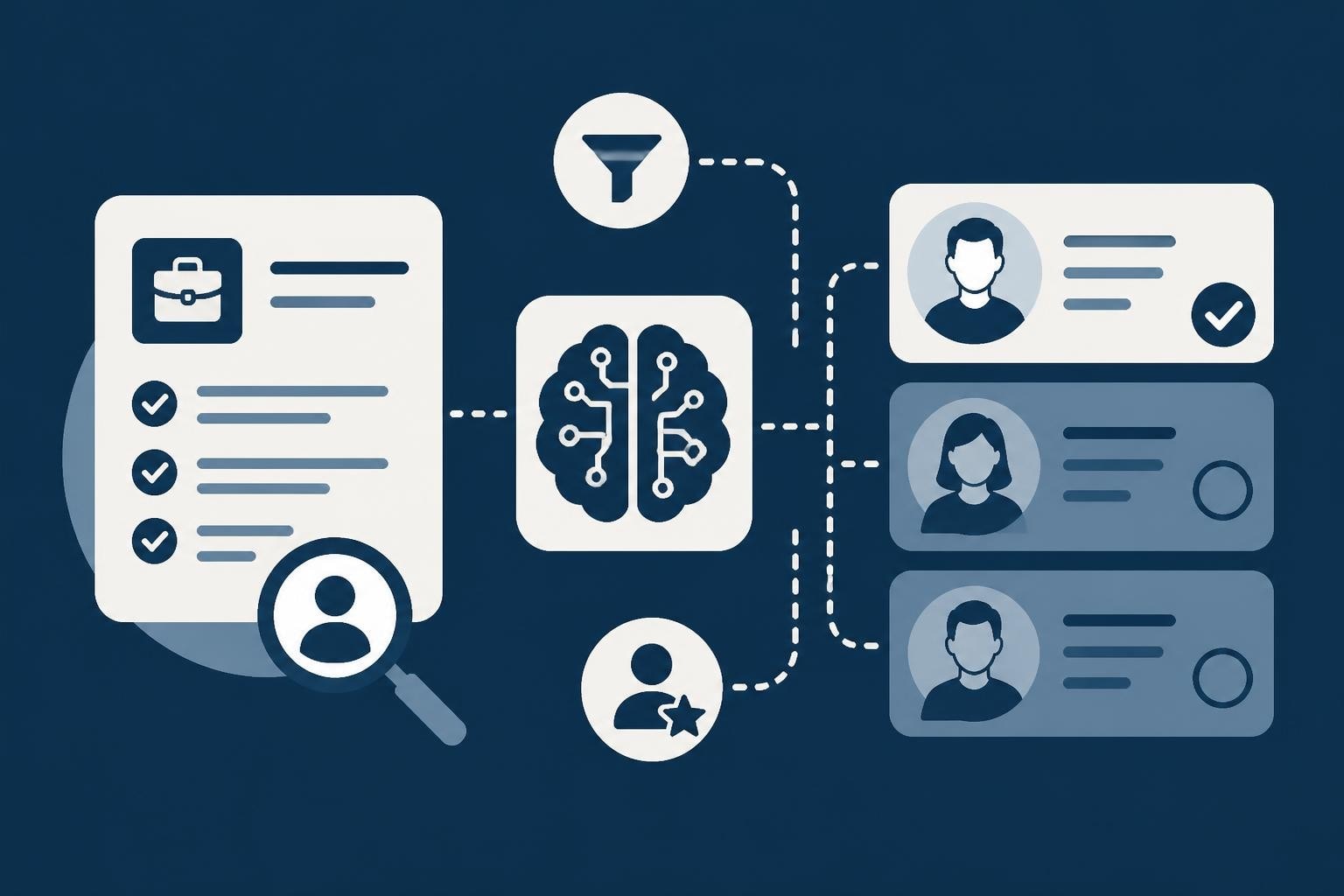
AI sourcing software represents a fundamental shift from manual recruitment processes to intelligent automation systems. These platforms leverage sophisticated algorithms to scan millions of candidate profiles across job boards, social networks, and professional platforms, identifying potential matches based on skills, experience, and contextual factors.
The core architecture of modern ai sourcing software typically includes several integrated components working in harmony. Pattern recognition engines analyze historical hiring data to understand which candidate attributes correlate with successful placements. Natural language processing modules interpret job descriptions and candidate profiles to create semantic matches beyond simple keyword alignment. Predictive scoring systems rank candidates based on their likelihood of success in specific roles and organizational cultures.
Key Technologies Powering Intelligent Sourcing
Machine learning models form the backbone of effective ai sourcing software, continuously improving their accuracy through exposure to hiring outcomes. These systems learn from every interaction, whether a candidate progresses through the pipeline or proves unsuitable for a position.
- Deep learning networks that understand nuanced skill relationships and transferable competencies
- Sentiment analysis tools that evaluate candidate engagement patterns and communication styles
- Computer vision algorithms that extract information from resumes and validate credentials
- Recommendation engines similar to consumer platforms that suggest candidates based on collaborative filtering
Integration capabilities determine how seamlessly ai sourcing software fits into existing recruitment technology stacks. Modern solutions offer APIs and pre-built connectors for applicant tracking systems, enabling bidirectional data flow and unified candidate management. Organizations implementing ATS integrations benefit from centralized workflows that eliminate duplicate data entry and ensure consistent candidate experiences.
Automation Features Transforming Talent Acquisition
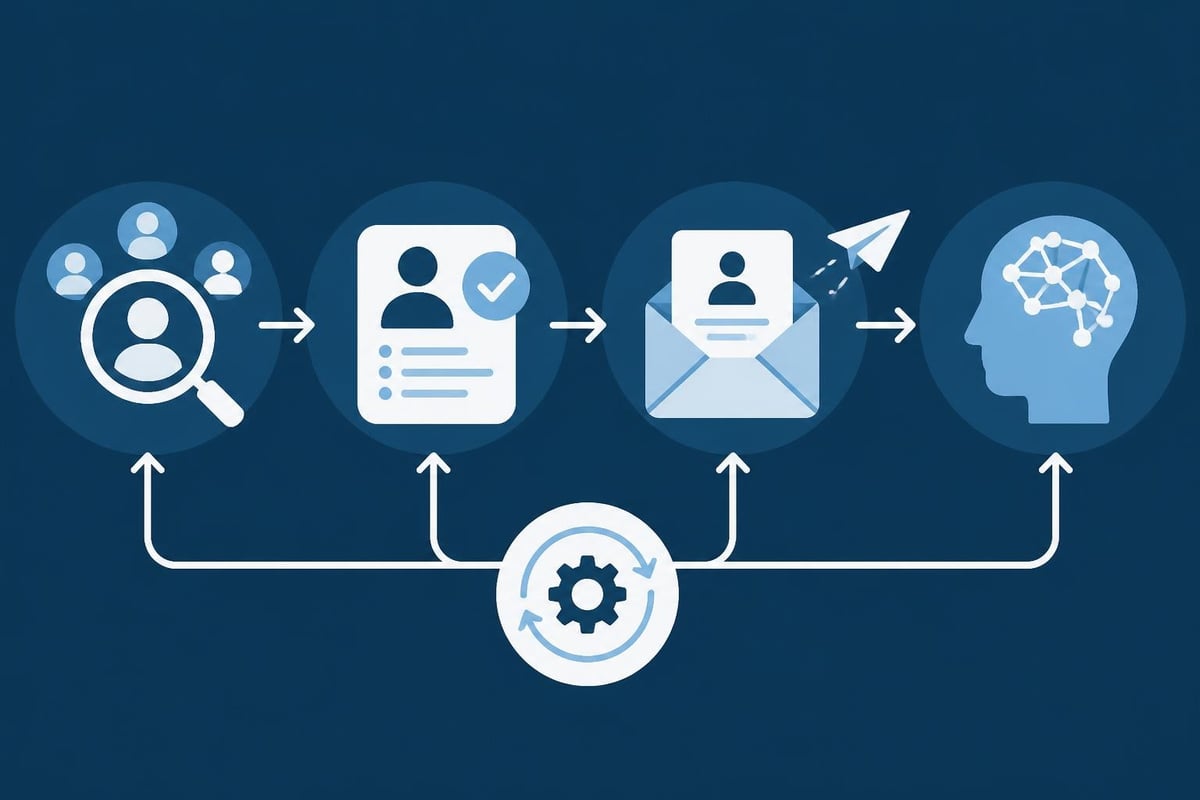
The practical applications of ai sourcing software extend far beyond simple database searches. Contemporary platforms automate complex workflows that previously required significant human intervention, freeing recruiters to focus on relationship building and strategic decision-making.
Automated candidate discovery represents the most immediate value proposition. These systems continuously monitor talent pools, identifying passive candidates who match open requisitions even before recruiters initiate searches. AI-powered conversation recruitment platforms have gained traction for their ability to engage candidates through natural dialogue, qualifying interest and availability without human oversight.
Intelligent Screening and Assessment
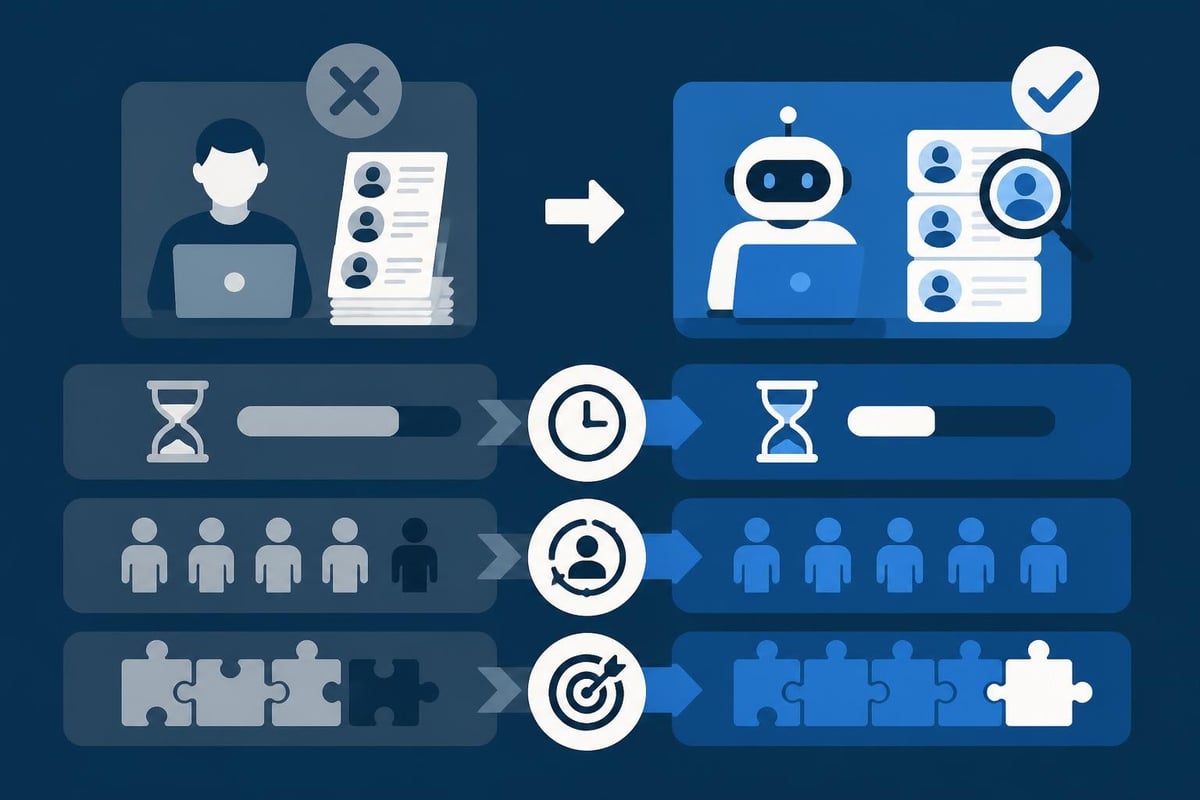
Traditional resume screening consumes approximately 23 hours per hire according to industry benchmarks. AI sourcing software reduces this timeline dramatically through automated evaluation frameworks.
| Screening Dimension | Traditional Approach | AI-Powered Approach |
|---|---|---|
| Resume review time | 15-20 minutes per candidate | 30 seconds per candidate |
| Skills verification | Manual reference checks | Automated credential validation |
| Cultural fit assessment | Multiple interview rounds | Predictive compatibility scoring |
| Bias mitigation | Training and guidelines | Algorithmic fairness controls |
The technology analyzes candidate qualifications against job requirements while applying fairness algorithms to reduce unconscious bias. Systems flag discrepancies in credentials and work history, providing a first layer of fraud detection that protects hiring quality.
Personalized outreach automation enhances candidate engagement rates significantly. Rather than sending generic messages to hundreds of prospects, ai sourcing software crafts customized communications based on individual candidate profiles, career trajectories, and engagement preferences. This contextual personalization increases response rates by 40-60% compared to templated outreach campaigns.
Benefits Driving Adoption Across Industries
Organizations implementing ai sourcing software report measurable improvements across multiple recruitment metrics. Time-to-fill reductions of 30-50% are common as automation accelerates candidate identification and initial screening stages.
Cost efficiency gains manifest through reduced reliance on external recruiting agencies and job board postings. When internal systems can identify qualified candidates from existing talent pools and passive networks, organizations decrease spending on premium job listings and contingency recruiting fees. The software pays for itself within months for companies making more than a dozen hires annually.
Quality of hire improvements emerge from data-driven matching algorithms that consider factors human recruiters might overlook. These systems identify candidates with adjacent skill sets who can transition successfully into new domains, expanding talent pools beyond obvious matches. The platforms also surface internal mobility candidates, promoting retention through career development opportunities.
Scalability for Growing Organizations
Recruitment teams facing expanding hiring demands benefit tremendously from ai sourcing software's ability to maintain quality while increasing volume. A single recruiter supported by intelligent automation can manage 3-4 times the requisition load compared to manual processes.
- Consistent candidate evaluation standards across all positions and hiring managers
- Reduced burnout among recruiting teams through elimination of repetitive tasks
- Faster response times to urgent hiring needs through always-on candidate monitoring
- Enhanced candidate experience through timely communications and status updates
The technology proves particularly valuable for organizations competing for specialized technical talent, where demand vastly exceeds supply. AI systems excel at identifying candidates with unconventional backgrounds who possess the core competencies required for success, broadening the aperture beyond traditional talent sources.
Addressing Fraud Detection and Candidate Validation
One of the most critical yet often overlooked applications of ai sourcing software involves detecting fraudulent credentials and validating candidate authenticity. Resume fraud has increased substantially, with studies suggesting that 30-40% of applications contain some form of misrepresentation regarding education, employment history, or skills.
Advanced platforms employ multiple verification layers to ensure candidate legitimacy. Document analysis algorithms detect signs of resume manipulation, including inconsistent formatting, metadata anomalies, and content that matches known template libraries. Cross-reference engines validate employment dates, educational credentials, and professional certifications against authoritative databases and public records.
Augmnt ATS exemplifies this comprehensive approach by combining AI-powered matching with robust fraud detection mechanisms. The platform's validation framework ensures that businesses connect only with verified professionals whose credentials have been authenticated through multi-source verification, reducing hiring risks substantially.
Building Trust Through Verification Workflows
Candidate validation extends beyond credential checking to encompass skills verification and work sample analysis. Modern ai sourcing software can evaluate GitHub contributions for developers, portfolio work for designers, and published content for marketing professionals, providing objective evidence of capabilities.
The verification process operates transparently, with candidates understanding how their qualifications are being assessed. This transparency builds trust and ensures that legitimate professionals aren't unfairly disadvantaged by overly aggressive fraud detection systems. Algorithmic fairness remains a critical consideration, requiring regular audits to ensure that validation processes don't introduce unintended bias.
Implementation Considerations and Best Practices
Successfully deploying ai sourcing software requires thoughtful planning and change management. Organizations must balance automation benefits against the need for human judgment in critical hiring decisions.
Data quality serves as the foundation for effective AI performance. Systems trained on incomplete or biased historical hiring data will perpetuate existing problems rather than solve them. Leading implementations begin with data cleansing exercises that remove personally identifiable information unrelated to job performance while ensuring representative samples across demographic categories.
Integration and Workflow Design
The most successful ai sourcing software deployments integrate seamlessly into existing recruitment workflows rather than requiring wholesale process redesigns. Recruiters should maintain oversight of critical decisions while delegating repetitive tasks to automation.
- Assess current sourcing bottlenecks and identify processes consuming disproportionate time without adding strategic value
- Define clear success metrics including time-to-fill, cost-per-hire, quality-of-hire indicators, and candidate satisfaction scores
- Select platforms offering transparency in how algorithms make decisions and provide explanations for candidate rankings
- Pilot with controlled use cases before expanding to all requisitions, allowing teams to build confidence and refine configurations
- Establish feedback loops where recruiter actions inform algorithm improvements, creating continuous learning cycles
Training represents another critical success factor. Recruiters need to understand how ai sourcing software operates, what data informs its decisions, and when to override automated recommendations. This knowledge ensures appropriate oversight while building user confidence in the technology.

Evaluating AI Sourcing Software Solutions
The market offers dozens of ai sourcing software platforms with varying capabilities, pricing models, and specializations. Organizations must evaluate options against their specific hiring needs and technical environments.
Candidate pool access represents a fundamental differentiator. Some platforms maintain proprietary databases of active job seekers, while others aggregate profiles from public sources across the internet. Loopcv's AI sourcing software exemplifies the aggregation approach, searching millions of profiles to predict candidate fit and automate personalized engagement workflows.
Critical Evaluation Dimensions
| Evaluation Factor | Questions to Ask | Why It Matters |
|---|---|---|
| Algorithm transparency | Can the vendor explain how candidates are scored and ranked? | Ensures fairness and enables troubleshooting |
| Customization options | Can matching criteria be adjusted for organizational priorities? | Aligns system outputs with hiring values |
| Integration flexibility | Does the platform connect with existing ATS and HRIS systems? | Prevents data silos and redundant workflows |
| Compliance capabilities | How does the system handle data privacy and equal opportunity regulations? | Mitigates legal risks and protects candidate information |
| Support and training | What onboarding resources and ongoing support does the vendor provide? | Determines time-to-value and long-term success |
Workable's all-in-one hiring platform demonstrates the value of comprehensive solutions that combine ai sourcing software with applicant tracking, interview scheduling, and collaborative hiring tools. Integrated platforms reduce the complexity of managing multiple point solutions while ensuring consistent candidate data across recruitment stages.
Pricing structures vary significantly, from per-seat subscriptions to usage-based models charging for candidate contacts or hires. Organizations should project total cost of ownership over multi-year periods, accounting for implementation expenses, training investments, and potential efficiency gains that offset licensing fees.
Navigating Ethical Considerations and Bias
The application of AI to hiring decisions raises important ethical questions that responsible organizations must address proactively. While ai sourcing software can reduce human bias, poorly designed systems may encode and amplify existing prejudices present in training data.
Algorithmic fairness requires ongoing vigilance. Regular audits should examine whether candidate recommendations disproportionately favor or disadvantage protected groups. These analyses should evaluate outcomes across demographic categories, comparing AI-sourced candidates against manual sourcing results to identify disparities.
AI's disruption of IT hiring practices highlights the preparedness gap many organizations face. Businesses implementing ai sourcing software need clear policies governing algorithm use, human oversight requirements, and candidate rights regarding automated decision-making.
Transparency and Candidate Rights
Candidates increasingly expect transparency about how AI influences hiring decisions. Leading organizations communicate openly about their use of ai sourcing software, explaining what data informs candidate evaluation and providing avenues for human review of automated decisions.
Privacy protections must extend throughout the candidate lifecycle. Systems should collect only job-relevant information, store data securely with appropriate access controls, and delete candidate records according to retention policies. Compliance with regulations including GDPR, CCPA, and equal employment opportunity laws requires built-in controls and audit trails.
Future Trends Shaping Intelligent Sourcing
The evolution of ai sourcing software continues accelerating as new technologies mature and recruitment challenges intensify. Several emerging trends will shape the next generation of intelligent sourcing platforms.
Conversational AI interfaces will increasingly handle initial candidate interactions, conducting screening conversations that feel natural while gathering qualification information. These systems will schedule interviews, answer candidate questions about roles and companies, and provide real-time updates on application status without human intervention.
Predictive analytics will extend beyond candidate matching to forecast hiring needs based on business growth patterns, employee turnover trends, and market conditions. Proactive sourcing will build talent pipelines months before positions open, dramatically reducing time-to-fill when requisitions are approved.
Skills-Based Hiring Evolution
The shift from credential-based to skills-based hiring will accelerate, with ai sourcing software playing a central role. Rather than filtering candidates by degrees and job titles, advanced systems will evaluate competencies through work samples, portfolio analysis, and skill assessments. This approach expands access to opportunities while identifying candidates with the actual capabilities positions require.
Integration with learning and development systems will create closed-loop talent ecosystems. AI will identify skill gaps in candidate profiles and recommend training pathways that prepare them for current or future roles, supporting both external hiring and internal mobility programs.
Organizations seeking to explore hiring manager solutions will find increasingly sophisticated platforms that democratize access to AI-powered sourcing tools across departments, enabling non-recruiting stakeholders to participate in talent acquisition more effectively.
Technical Infrastructure and Data Management
Effective ai sourcing software requires robust technical infrastructure and data governance frameworks. Cloud-native architectures provide the scalability needed to process millions of candidate profiles while maintaining fast query response times.
Data integration pipelines must synchronize information across multiple sources including applicant tracking systems, candidate relationship management platforms, and external data providers. Real-time integration ensures that recruiters work with current information while avoiding the data staleness that undermines AI accuracy.
Security considerations extend beyond standard cybersecurity practices to encompass AI-specific risks. Model integrity protections prevent adversarial attacks where bad actors manipulate inputs to game ranking algorithms. Access controls ensure that sensitive candidate information remains protected throughout automated workflows.
Performance Monitoring and Optimization
Ongoing performance monitoring identifies opportunities to refine ai sourcing software configurations and improve results. Key performance indicators should track both efficiency metrics and quality outcomes.
- Source effectiveness scores showing which candidate sources yield the highest quality applicants
- Algorithm accuracy rates measuring how often AI recommendations align with human hiring decisions
- Engagement conversion metrics tracking candidate response rates to automated outreach
- Diversity impact analysis ensuring AI sourcing expands rather than narrows candidate diversity
- Time savings calculations quantifying recruiter hours redirected from manual sourcing to strategic activities
Regular model retraining incorporates new hiring outcomes and evolving job market conditions, preventing performance degradation as business needs and talent landscapes change. Leading platforms automate this retraining process while allowing human oversight of significant algorithm modifications.
Measuring Return on Investment
Quantifying the business impact of ai sourcing software helps justify investments and guide optimization efforts. Comprehensive ROI analyses consider both direct cost savings and indirect value creation across the recruitment lifecycle.
Direct cost reductions manifest through decreased agency fees, lower job board expenses, and reduced recruiter headcount requirements for a given hiring volume. Organizations should compare pre-implementation and post-implementation spending across these categories, adjusting for changes in hiring volume to isolate AI impact.
Quality improvements generate significant long-term value through better retention, faster onboarding, and higher employee performance. While harder to quantify than cost savings, these factors often represent the majority of AI sourcing software's total business impact. Tracking metrics like 90-day retention rates, time-to-productivity, and performance review scores for AI-sourced versus traditionally-sourced employees provides insight into quality differences.
| ROI Component | Measurement Approach | Typical Impact Range |
|---|---|---|
| Time-to-fill reduction | Average days from requisition to offer acceptance | 30-50% improvement |
| Cost-per-hire decrease | Total recruitment costs divided by number of hires | 25-40% reduction |
| Recruiter productivity gain | Requisitions managed per full-time recruiter | 200-300% increase |
| Quality-of-hire improvement | 12-month retention and performance ratings | 15-25% enhancement |
| Candidate experience enhancement | Application completion and satisfaction survey scores | 20-35% increase |
Speed-to-value timelines vary based on implementation complexity and organizational change management effectiveness. Most organizations realize measurable benefits within 3-6 months as recruiters gain proficiency and algorithms accumulate sufficient training data. Full ROI potential typically emerges over 12-18 month periods as processes mature and optimization efforts compound initial gains.
AI sourcing software has fundamentally transformed how organizations identify, evaluate, and engage talent in an increasingly competitive hiring landscape. The technology delivers measurable improvements in efficiency, quality, and candidate experience while addressing critical challenges around fraud detection and skills verification. Augmnt leverages these capabilities to connect businesses with verified AI professionals through an intelligent marketplace that combines automated matching with comprehensive validation, ensuring that every candidate presented meets rigorous quality and authenticity standards.