Verify Certifications for Candidates: 2026 Guide
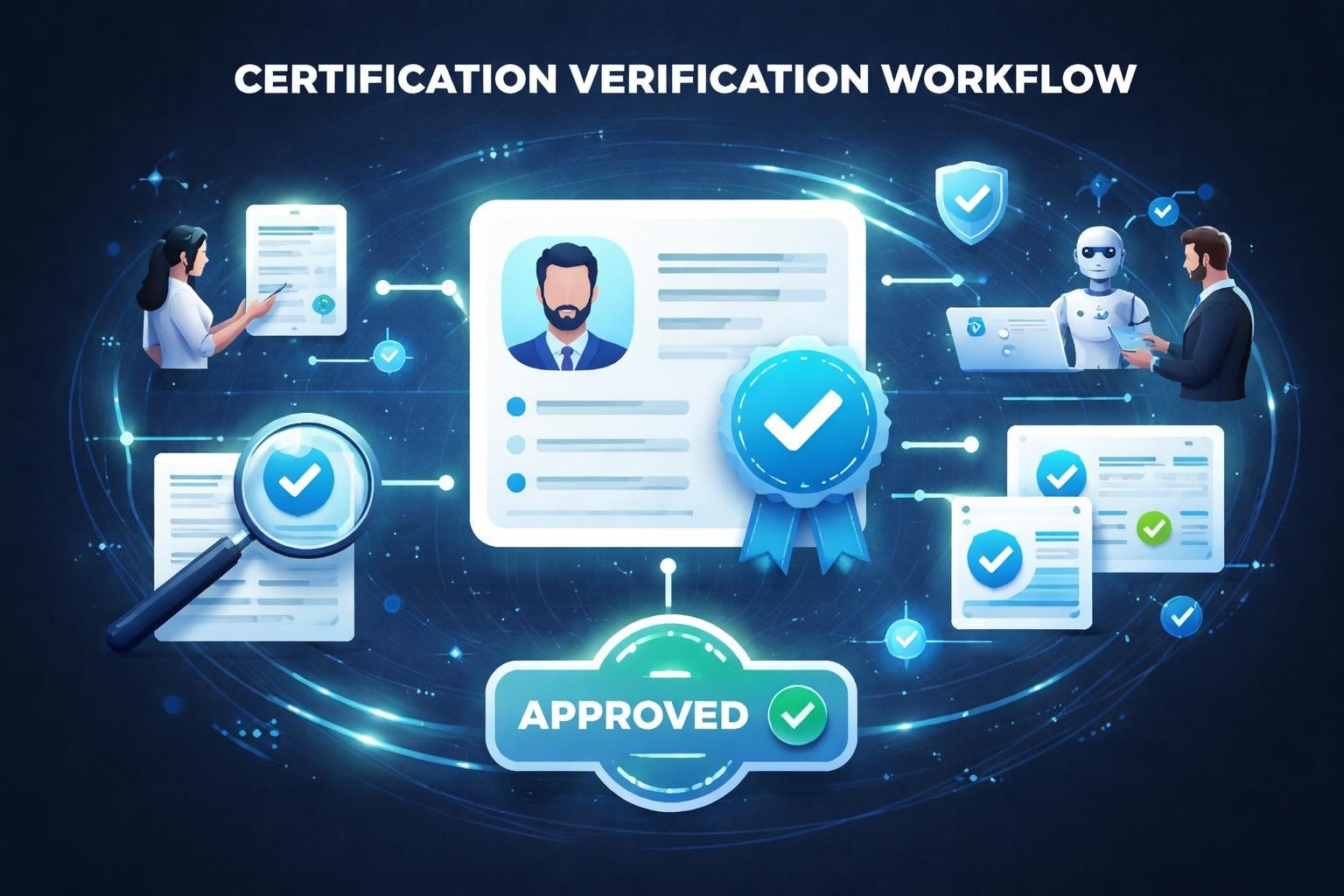
The challenge of hiring qualified professionals has intensified as certification fraud becomes increasingly sophisticated. When businesses invest time and resources into recruiting specialized talent, particularly in technical fields like artificial intelligence and machine learning, the stakes of credential misrepresentation are extraordinarily high. Organizations must verify certifications for candidates systematically to protect themselves from costly hiring mistakes, maintain team competency standards, and ensure regulatory compliance across their operations.
The Rising Threat of Certification Fraud
Credential fraud has evolved from simple resume embellishments into a complex ecosystem of counterfeit documents, diploma mills, and fabricated professional credentials. According to industry research, approximately 85% of employers discover discrepancies or outright falsehoods on candidate applications during their verification processes.
Why Candidates Falsify Certifications
Understanding the motivations behind certification fraud helps organizations build more robust verification systems. Several factors drive candidates to misrepresent their qualifications:
- Competitive pressure in saturated job markets pushes candidates to artificially enhance their credentials
- Salary expectations tied to specific certifications create financial incentives for fraud
- Skills gaps between job requirements and actual capabilities lead to desperate measures
- Accessibility barriers to legitimate certification programs prompt shortcuts
- Low perceived risk when employers fail to implement thorough verification protocols
The proliferation of online certificate generators and sophisticated document editing tools has made it easier than ever to create convincing forgeries. This technological advancement places greater responsibility on hiring organizations to verify certifications for candidates through multiple validation channels.
The Business Impact of Unverified Credentials
Beyond immediate hiring costs, credential fraud creates cascading organizational risks. Teams suffer when unqualified members cannot perform essential functions, project timelines slip due to competency gaps, and client relationships deteriorate from substandard deliverables. In regulated industries, employing individuals with falsified certifications can result in compliance violations, legal liability, and substantial financial penalties.
For AI-focused organizations, the stakes escalate further. Machine learning engineers, data scientists, and AI architects require specialized knowledge that directly impacts product quality, system security, and innovation capacity. A single unqualified hire in a critical role can compromise entire AI initiatives.
Establishing a Comprehensive Verification Framework
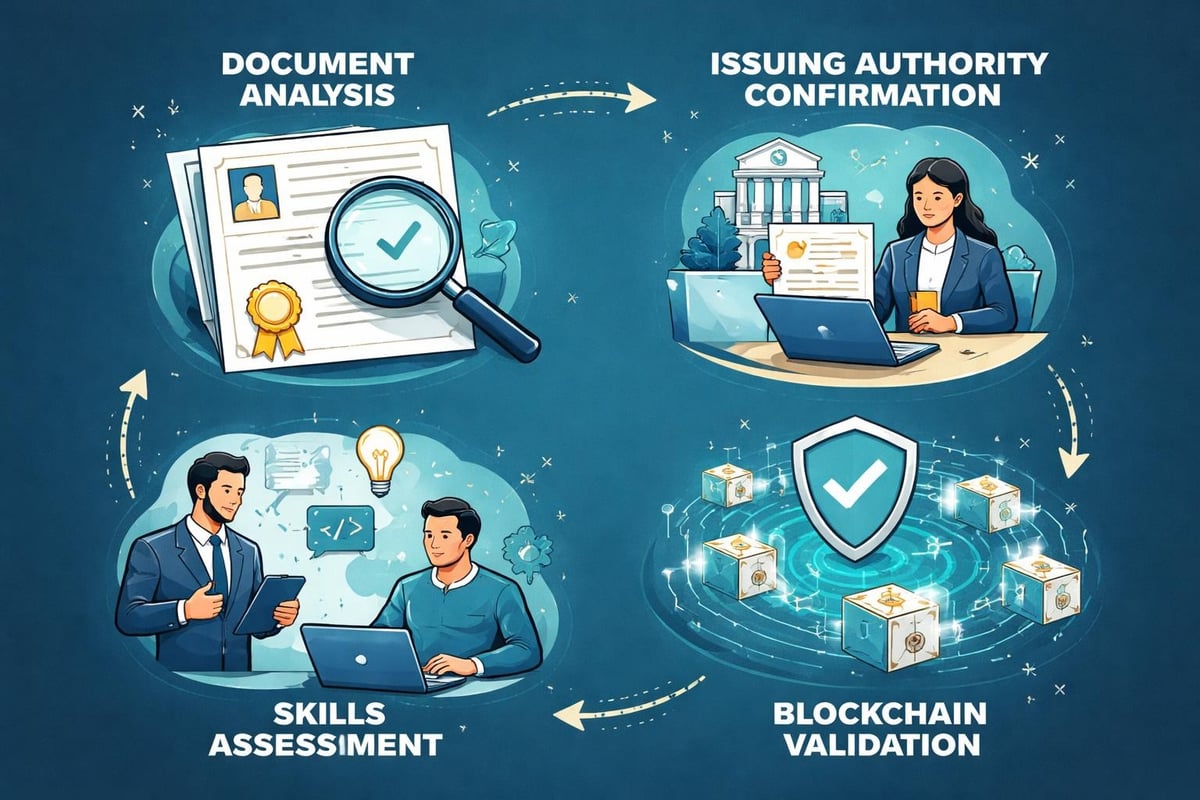
Organizations need structured approaches to verify certifications for candidates that balance thoroughness with efficiency. A multi-stage verification framework provides the most reliable results while maintaining reasonable hiring timelines.
Primary Verification Methods
| Verification Method | Reliability Level | Time Investment | Best For |
|---|---|---|---|
| Direct Issuer Contact | Very High | 3-7 days | Critical certifications |
| Official Verification Portals | High | Immediate-24 hours | Standard industry credentials |
| Third-Party Services | Moderate-High | 1-3 days | Volume verification |
| Blockchain Validation | Very High | Immediate | Modern digital credentials |
Direct verification through certification bodies remains the gold standard for authenticating credentials. Organizations like Pega Academy provide verification tools that allow employers to confirm certifications directly through official channels. Similarly, specialized fields maintain their own verification systems, such as the AASSQLM Certification Verification Tool for Lean, Six Sigma, and Quality Management credentials.
When working with professional certifications, understanding status definitions becomes crucial. The National Center for Competency Testing offers comprehensive verification that includes explanations of various certification statuses, helping employers interpret results accurately.
Document Authentication Techniques
Physical and digital certificate examination requires trained attention to detail. Authentication specialists examine several key elements:
- Paper quality and security features including watermarks, holograms, and specialized printing techniques
- Typography and formatting consistency compared against legitimate certificate templates
- Issuing authority signatures and seals verified against known authentic examples
- Certificate numbers and dates cross-referenced with issuer records
- QR codes or verification URLs that link to official validation systems
Advanced organizations employ forensic document analysis tools that detect alterations invisible to the naked eye. These technologies identify layered text, cloned elements, and metadata inconsistencies that signal fraudulent documents.
Leveraging Technology for Scalable Verification
As hiring volumes increase, manual verification processes become bottlenecks. Modern technology solutions enable organizations to verify certifications for candidates at scale without compromising accuracy.
Blockchain-Based Credential Systems
Emerging verification technologies leverage distributed ledger systems to create tamper-proof credential records. Research into academic credential verification models using blockchain demonstrates how these systems enhance security and efficiency compared to traditional methods.
The 'SkillCheck' framework represents another innovation in this space, presenting an incentive-based certification system that addresses fundamental challenges in skill verification. These blockchain approaches create permanent, verifiable records that candidates cannot alter or forge.
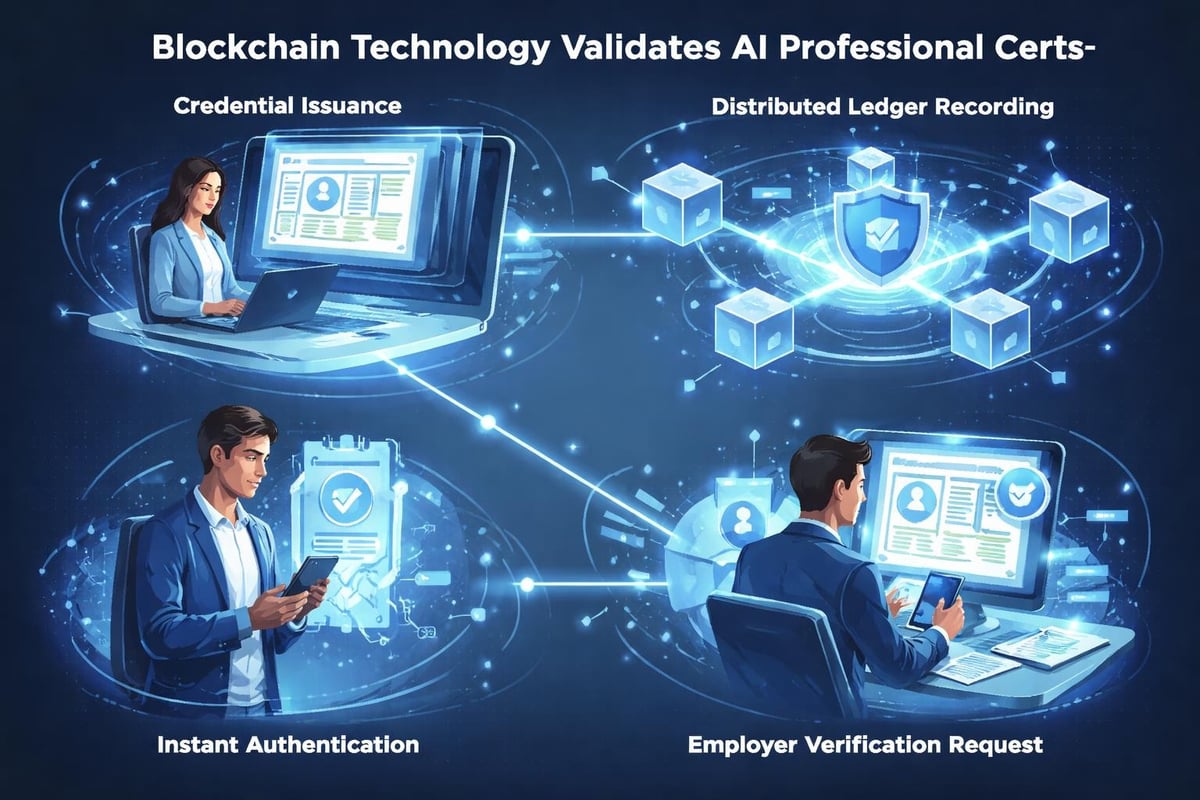
For organizations concerned about degree fraud specifically, systems like Cerberus offer blockchain-based accreditation verification designed to mitigate credential fraud while improving process efficiency. These platforms reduce verification time from days to seconds while providing higher confidence in results.
Automated Verification Platforms
Integrated hiring platforms increasingly incorporate automated verification capabilities that streamline the validation process. These systems connect directly with certification databases, educational institutions, and professional organizations to confirm credentials without manual intervention.
Benefits of automated verification include:
- Reduced verification time from weeks to hours or minutes
- Improved accuracy through elimination of manual data entry errors
- Comprehensive audit trails documenting verification activities
- Scalability to handle high-volume hiring initiatives
- Cost efficiency compared to manual verification processes
When evaluating automated platforms, organizations should assess integration capabilities with existing applicant tracking systems, coverage of relevant certification types, and compliance with data privacy regulations.
Industry-Specific Verification Considerations
Different sectors require tailored approaches to verify certifications for candidates based on regulatory requirements, credential complexity, and industry standards.
Technical Certifications in AI and Machine Learning
The artificial intelligence field presents unique verification challenges due to rapidly evolving certification programs, vendor-specific credentials, and specialized competency frameworks. Organizations hiring AI professionals should validate:
Foundational certifications covering machine learning theory, statistical methods, and algorithmic principles through established educational institutions or recognized professional bodies. Platform-specific credentials from major technology providers like AWS, Google Cloud, or Microsoft Azure that demonstrate practical implementation skills. Specialized domain expertise in areas such as natural language processing, computer vision, or reinforcement learning validated through project portfolios and technical assessments.
Beyond basic verification, AI hiring demands skills validation that confirms candidates can apply certified knowledge to real-world problems. This requires supplementing credential checks with technical interviews, coding challenges, and portfolio reviews.
Professional Licensing and Regulatory Compliance
Regulated professions maintain strict verification requirements that extend beyond simple credential confirmation. Organizations must ensure:
- Current licensure status through state or national regulatory boards
- Continuing education compliance meeting ongoing professional development requirements
- Disciplinary history review identifying revocations, suspensions, or restrictions
- Scope of practice verification confirming credentials authorize specific activities
- Reciprocity validation for licenses transferred across jurisdictions
Educational institutions face particular verification requirements, as detailed in certifying officer training documentation, which addresses policies on verifying test scores and certification recommendations.
Building Internal Verification Protocols
Sustainable verification requires documented procedures, assigned responsibilities, and quality control mechanisms. Organizations should develop comprehensive protocols that standardize how they verify certifications for candidates across all hiring activities.
Creating Verification Checklists
Standardized checklists ensure consistent application of verification standards regardless of who conducts the process. Effective checklists specify:
- Required documentation from candidates
- Verification sources for each credential type
- Acceptable response timeframes
- Escalation procedures for discrepancies
- Documentation requirements for audit purposes
Template customization allows organizations to tailor base checklists for different roles, seniority levels, or business units while maintaining core verification standards. This flexibility accommodates varying risk profiles without creating compliance gaps.
Training Hiring Teams
Human error represents a significant vulnerability in verification processes. Comprehensive training programs educate hiring managers, recruiters, and HR professionals on:
| Training Component | Key Learning Objectives | Delivery Method |
|---|---|---|
| Fraud Detection | Recognize common falsification techniques | Interactive workshops |
| Verification Tools | Navigate official verification platforms | Hands-on practice |
| Legal Compliance | Understand regulatory requirements | Policy review sessions |
| Documentation Standards | Maintain proper verification records | Process walkthroughs |
Regular refresher training keeps teams current on emerging fraud techniques and evolving verification technologies. Organizations should schedule quarterly updates addressing new threats and procedural improvements.
Managing Verification Across Global Talent Pools
International hiring introduces complexity in credential verification due to varying educational systems, certification standards, and document formats across countries. Organizations accessing global talent must adapt their verification approaches accordingly.
International Credential Evaluation
Foreign credentials require specialized assessment to determine equivalency with domestic standards. This process involves:
Educational credential evaluation services that analyze international degrees, diplomas, and certificates against local educational frameworks to establish comparable qualifications. Professional credential assessment comparing international certifications to recognized domestic equivalents in specific fields. Translation and authentication ensuring foreign-language documents are accurately rendered and properly notarized or apostilled.
When verifying company certifications for international organizations, employers can reference guidance on using the IAF CertSearch database to confirm accredited certifications globally.
Time Zone and Language Considerations
Global verification demands accommodation for different business hours and communication preferences. Organizations should establish relationships with verification services operating across multiple time zones and languages to maintain efficient processing timelines.
Integrating Verification with Candidate Experience
Rigorous verification need not create negative candidate experiences. Transparent communication about verification processes, reasonable timelines, and respectful handling of sensitive information demonstrate organizational professionalism while protecting hiring integrity.
Setting Clear Expectations
Candidates appreciate understanding what verification entails before entering the process. Effective communication includes:
- Explanation of verification requirements during initial candidate conversations
- Clear timelines for verification completion
- Specific documentation requests with submission instructions
- Regular status updates throughout the verification period
- Privacy protections governing credential information handling
Organizations that verify certifications for candidates transparently build trust while deterring fraudulent applications. Candidates with legitimate credentials welcome thorough verification as evidence of organizational quality standards.
Handling Discrepancies Professionally
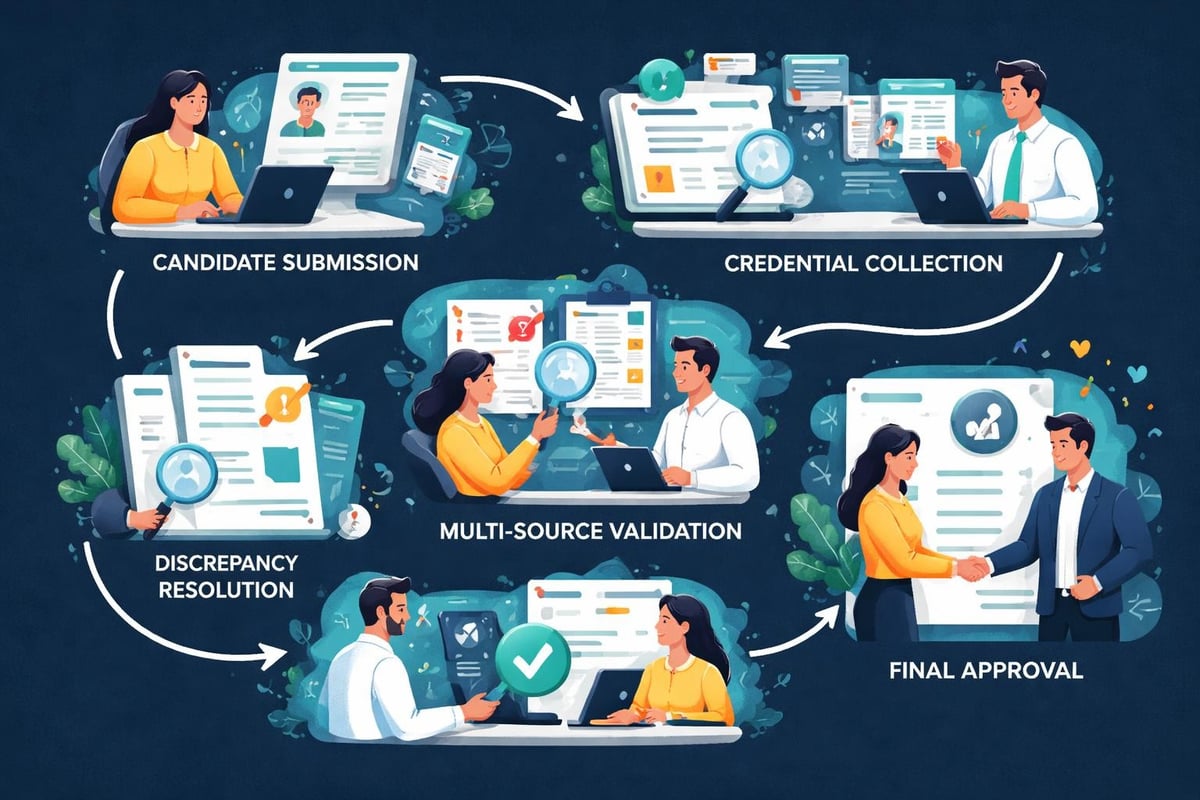
When verification reveals inconsistencies, organizations must balance investigative thoroughness with candidate dignity. Not all discrepancies indicate intentional fraud; clerical errors, name changes, and institutional record-keeping problems create legitimate explanation scenarios.
A structured discrepancy resolution process includes candidate notification, opportunity to provide clarification or additional documentation, reasonable investigation timelines, and documented decision rationales. This approach protects organizational interests while treating candidates fairly.
Measuring Verification Effectiveness
Continuous improvement requires tracking verification program performance through relevant metrics. Organizations should monitor several key indicators:
- Discrepancy detection rate measuring how frequently verification identifies credential issues
- Verification completion time tracking efficiency from request to confirmation
- Cost per verification assessing resource investment relative to hiring volume
- False positive rate identifying legitimate credentials incorrectly flagged as problematic
- Process compliance measuring adherence to verification protocols across all hires
Analytics reveal patterns that inform process refinements, technology investments, and training priorities. Organizations might discover certain credential types consistently present verification challenges, suggesting need for enhanced procedures or alternative validation methods.
Return on Investment Analysis
Verification programs represent significant organizational investment in time, technology, and personnel. Quantifying returns justifies continued investment and guides resource allocation decisions.
ROI considerations include:
- Hiring mistake prevention measuring avoided costs from unqualified hires
- Regulatory compliance valuing penalty avoidance and audit readiness
- Reputation protection assessing brand value preservation
- Team performance quantifying productivity gains from qualified personnel
- Client satisfaction measuring relationship value sustained through quality delivery
While some benefits resist precise quantification, comprehensive analysis demonstrates verification value beyond simple cost accounting.
Future Trends in Credential Verification
The verification landscape continues evolving as technology advances and fraud techniques become more sophisticated. Organizations should monitor emerging trends that will shape how they verify certifications for candidates in coming years.
Artificial Intelligence in Verification
Machine learning algorithms increasingly power verification systems that detect document fraud, cross-reference multiple data sources, and identify suspicious patterns across candidate pools. These AI-driven systems process verification requests faster than manual methods while achieving higher accuracy rates through pattern recognition capabilities exceeding human perception.
Organizations implementing AI verification should maintain human oversight for quality control, ethical considerations, and complex cases requiring judgment beyond algorithmic capabilities. The combination of AI efficiency and human expertise creates optimal verification outcomes.
Digital Credentials and Micro-Certifications
The certification landscape shifts toward granular, skills-based credentials that document specific competencies rather than broad educational achievements. These micro-credentials, often delivered through digital badges and blockchain verification, enable more precise skills matching between candidates and role requirements.
Organizations must adapt verification processes to accommodate increasing credential volume and diversity. Rather than verifying a handful of degrees and certifications, future hiring may involve validating dozens of micro-credentials representing discrete skills and knowledge areas.
Protecting your organization from credential fraud requires systematic approaches that verify certifications for candidates through multiple validation channels while maintaining efficient hiring timelines. As certification systems evolve and fraud techniques become more sophisticated, ongoing investment in verification capabilities becomes essential for maintaining team quality and organizational integrity. Augmnt addresses these challenges by providing comprehensive candidate validation that combines AI-powered verification with human expertise, ensuring businesses connect with genuinely qualified AI professionals whose credentials withstand rigorous scrutiny while streamlining the entire recruitment process.