Guide to AI Hiring in 2026
In 2026, the rise of ai hiring is reshaping how companies identify and secure top talent. More than half of organizations now use AI-driven recruitment tools, while 54% of US job seekers report experiencing AI-led interviews.
This essential guide will help you navigate the new landscape, offering practical insights for employers, HR professionals, and job seekers alike. Discover the latest trends, opportunities, and challenges, as well as proven strategies for building fair, compliant, and effective hiring processes.
Ready to master the future of recruitment? Explore the definitive 2026 guide to ai hiring and stay ahead in a rapidly changing world.
The State of AI Hiring in 2026: Trends and Transformations
Artificial intelligence is reshaping recruitment at a rapid pace. In 2026, ai hiring is now a core component of how organizations identify and select talent. Both employers and candidates are adapting to a landscape defined by automation, data, and the growing influence of advanced algorithms.
The Proliferation of AI in Recruitment
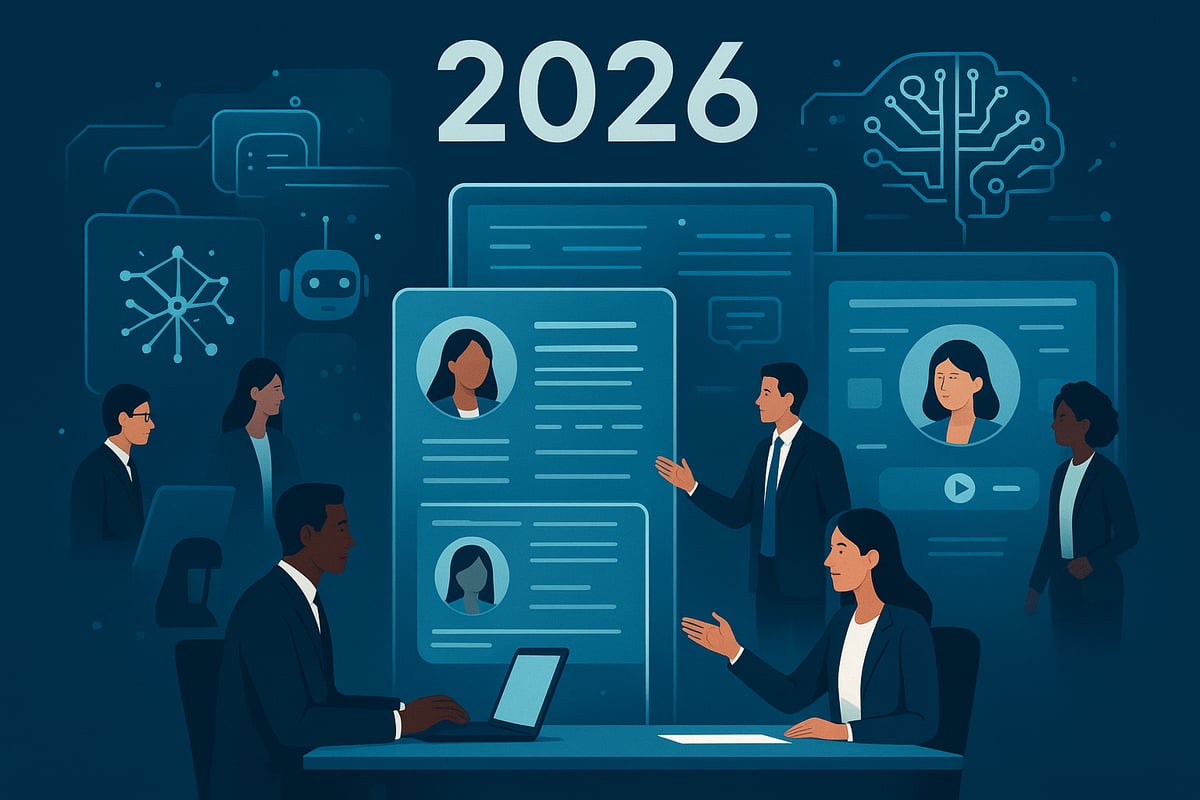
Over half of organizations now rely on ai hiring tools for sourcing, screening, and even interviewing candidates. The shift to remote work during the pandemic accelerated this trend, making ai hiring platforms essential across industries and job levels.
A 2025 Greenhouse survey revealed that 54% of US job seekers experienced AI-led interviews, highlighting how automated assessments have become mainstream. Recent findings on AI in recruitment industry trends show that the recruitment technology market is on track to reach $3.1 billion by the end of 2026.
Large language models, such as ChatGPT, have influenced the application process. Candidates now submit AI-generated cover letters and resumes, creating a new challenge for differentiation. As more applications are submitted through automated systems, companies face a “doom loop” of higher volumes and increased reliance on ai hiring algorithms to manage the influx.
Key Benefits and Opportunities
The primary advantage of ai hiring is its ability to streamline high-volume screening and automate interview scheduling. This efficiency enables HR teams to focus on more strategic tasks. Ai hiring also enhances the identification of previously overlooked talent by recognizing patterns that humans might miss.
Research from MIT demonstrated that “exploration bonus” algorithms can increase selection rates for Black and Hispanic candidates, suggesting that ai hiring can support diversity and inclusion when properly designed. Data-driven decision-making further reduces subjective bias, while automation delivers significant time and cost savings.
To summarize the benefits:
| Benefit | Impact on Recruitment |
|---|---|
| Automated Screening | Faster candidate review |
| Pattern Recognition | Broader talent discovery |
| Diversity Enhancement | Improved inclusion |
| Cost and Time Savings | Leaner HR teams |
Major Challenges and Pain Points
Despite its promise, ai hiring introduces new challenges. The sheer volume of applications makes it harder to identify the most suitable candidates. Automated systems risk filtering out qualified individuals, especially as more applicants use AI-generated materials that lack authenticity.
There is growing concern about the loss of the human touch in interviews and assessments. Research shows that as cover letters become more uniform and AI-generated, hiring rates and starting wages have declined. Both employers and job seekers report frustration with the process, feeling disconnected from what should be a personal and meaningful experience.
Ai hiring must balance efficiency with fairness and authenticity. Addressing these pain points will be crucial for organizations seeking to attract and retain top talent in 2026.
Navigating Bias, Fairness, and Ethics in AI Hiring
Artificial intelligence is rapidly changing the recruitment landscape, but with new opportunities come new responsibilities. As organizations embrace ai hiring, the need to address bias, ensure fairness, and uphold ethical standards has never been more urgent. Understanding these challenges is essential for building trust and compliance in the hiring process.
Understanding Bias in AI Systems
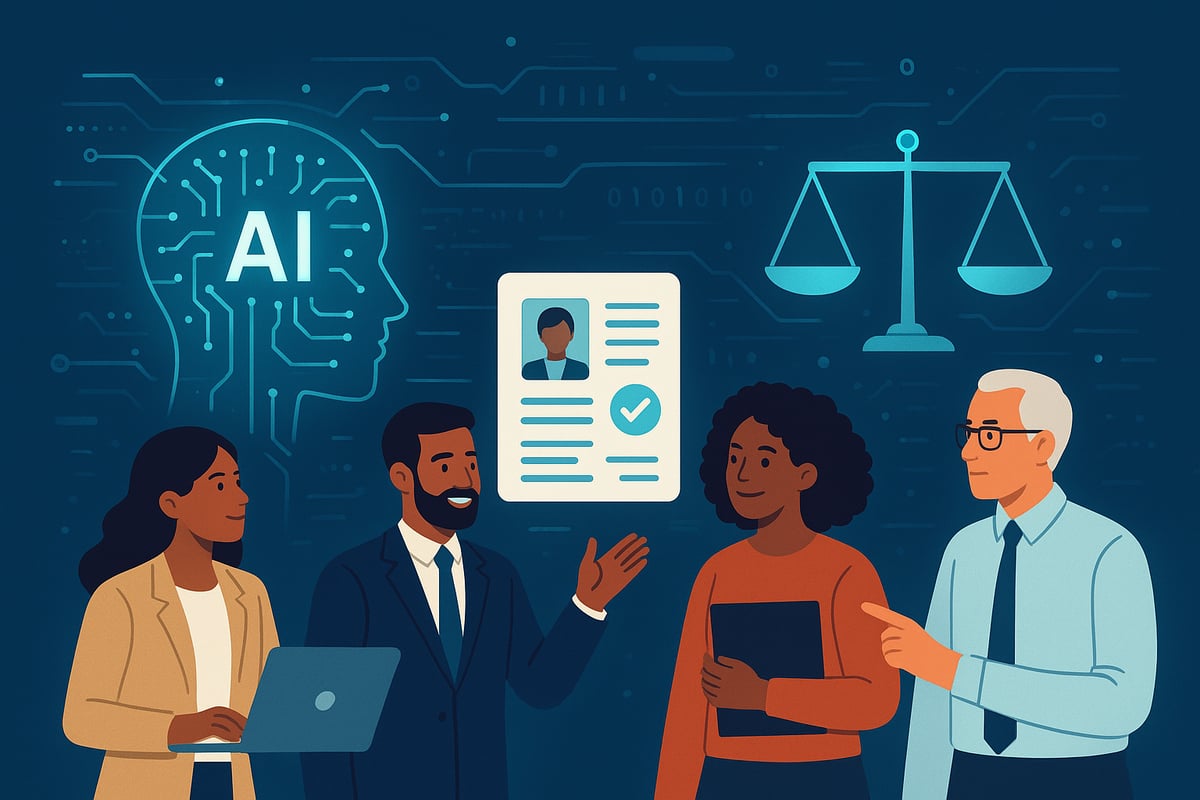
Bias in ai hiring systems often begins with the data used to train algorithms. If historical hiring data reflects existing prejudices, AI models may inadvertently replicate or even amplify these biases. For example, Amazon discontinued its AI recruiting tool after it was found to systematically disadvantage women in technical roles.
Automated video assessments and facial recognition technologies can also introduce racial, gender, and ability biases. Research revealed that automated job ad delivery could reinforce stereotypes, while platforms like HireVue removed facial analysis features due to fairness concerns. Predictive hiring tools, by default, are susceptible to these issues if their inputs are not carefully controlled.
To explore these challenges and strategies for fairer systems, the Bias in AI-based recruitment systems resource provides a comprehensive overview. Addressing these biases is a foundational step for any organization adopting ai hiring solutions.
Regulatory and Legal Landscape
The regulatory environment for ai hiring is evolving rapidly. Several states, including California, Colorado, and Illinois, have introduced laws governing the use of AI in recruitment. In New York City, employers must disclose when AI tools are used and undergo independent bias audits.
At the federal level, anti-discrimination laws remain in effect, regardless of whether AI is used. Recent executive orders and ongoing lawsuits highlight the legal uncertainty, especially when federal and state rules differ. Senators have called for increased EEOC oversight of ai hiring, emphasizing the importance of compliance.
These shifting regulations require organizations to stay proactive. Regular audits, transparent candidate communications, and close collaboration with legal counsel are key to minimizing risk in ai hiring practices.
Ethics and Human Rights Considerations
Ethical ai hiring goes beyond technical compliance. AI can inadvertently create arbitrary standards for what makes an ideal candidate, potentially excluding neurodivergent individuals, people with disabilities, or those who are non-native English speakers. This raises important human rights concerns.
Transparency is critical. Candidates should be informed when ai hiring tools are in use and given a meaningful way to opt out without penalty. Data privacy is another major issue, as these systems often process sensitive personal information. Protecting candidate data and ensuring responsible usage are essential for maintaining trust.
Ethical reviews and impact assessments should become standard practice. By integrating these steps, organizations help mitigate harm and promote fairness throughout the ai hiring lifecycle.
Best Practices for Bias Mitigation
Implementing effective bias mitigation strategies in ai hiring is essential for fair outcomes. Start by using diverse and representative training data to reduce the risk of perpetuating historical biases. Conduct regular audits of AI tools, looking for disparate impact and adjusting algorithms as needed.
Human oversight remains a cornerstone of ethical ai hiring. AI should support, not replace, final decisions. Involving diverse stakeholders in tool selection and development can further minimize risk. Some companies now update their algorithms to prioritize diversity after regulatory reviews, demonstrating a commitment to continuous improvement.
By blending technology with human judgment and regularly reviewing results, organizations can build ai hiring processes that are both efficient and equitable. This approach lays the groundwork for a recruitment system that meets the highest standards of fairness and ethics.
Step-by-Step Framework for Implementing AI Hiring in 2026
Building a successful ai hiring process in 2026 requires a clear, structured approach. With rapid advances in automation and new regulations, organizations must balance innovation, compliance, and candidate experience. The following step-by-step framework empowers employers to implement ai hiring efficiently and ethically, ensuring both operational impact and fairness.
Step 1: Define Hiring Objectives and Success Metrics
Begin any ai hiring initiative by clarifying your goals. Are you targeting faster time-to-hire, greater workforce diversity, or improved skill alignment? Set measurable KPIs such as reduced screening time, higher candidate quality, or specific DEI benchmarks.
Involve key stakeholders from HR, legal, and technology teams to ensure alignment. Document your objectives and communicate them across the organization. This clarity guides every subsequent decision and helps measure the true impact of ai hiring.
Step 2: Select the Right AI Tools and Vendors
Choosing the right technology partners is critical for ai hiring success. Evaluate each solution for transparency, explainability, and a proven track record in bias mitigation. Ensure vendors can demonstrate compliance with emerging regulations and offer robust validation processes.
Consider integration with your existing ATS and HR systems for a seamless workflow. According to Gartner's analysis of talent acquisition trends, organizations that prioritize both AI capability and cost-effectiveness are best positioned for the evolving recruitment landscape.
Ask vendors about regular audits, data security, and their approach to continuous improvement. Prioritize solutions that empower you to customize algorithms and maintain human oversight within the ai hiring process.
Step 3: Ensure Candidate Verification and Fraud Prevention
As ai hiring becomes mainstream, so does the risk of fraudulent applications. AI-generated resumes and cover letters can obscure a candidate's true experience. Implement layered verification, combining background checks, technical assessments, and identity validation.
Leverage platforms that specialize in candidate authentication and fraud detection. Set clear expectations with job seekers about verification steps. This not only protects your organization but also maintains trust and credibility in the ai hiring process.
How Augmnt Ensures Fraud-Proof AI Hiring
Augmnt stands out as a specialized AI talent marketplace, uniquely equipped to address ai hiring challenges. The platform combines advanced AI-powered verification with expert human oversight, ensuring every candidate is thoroughly vetted.
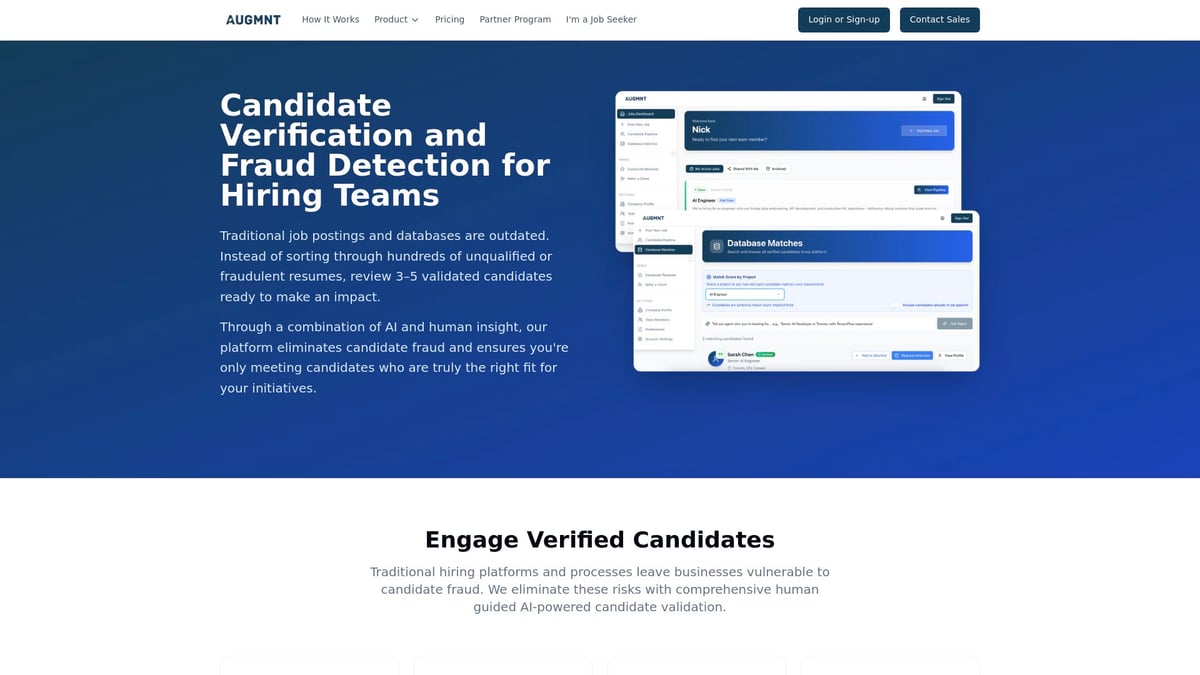
Augmnt utilizes proprietary tools to detect resume fabrication, bait-and-switch tactics, and multiple job holding. Its 100-point scoring system evaluates technical skills, communication, and project delivery, fostering ongoing accountability for candidates.
All talent on Augmnt is based in the US or Canada, with strict verification of work eligibility and credentials. The platform delivers a curated shortlist of three to five validated candidates per role, which significantly reduces the time spent on unqualified applicants.
Seamless ATS integrations and dedicated customer support further streamline the ai hiring process. Employers can start with a seven-day free trial, experiencing risk-free, fraud-proof hiring firsthand.
By leveraging Augmnt, organizations confidently navigate the complexities of ai hiring, minimizing legal, reputational, and operational risks. This approach ensures only the most qualified, authentic candidates advance, making ai hiring both efficient and trustworthy.
Step 4: Build Ethical and Inclusive AI Hiring Workflows
Design ai hiring workflows that blend the speed of automation with human judgment. Provide candidates with full transparency regarding AI usage and data handling. Offer alternative assessment methods for candidates with disabilities or unique needs.
Regularly collect feedback from applicants to identify areas for improvement. Include diverse voices in the development and review of ai hiring tools, ensuring fairness and inclusivity at every step.
Step 5: Monitor, Audit, and Optimize Continuously
Ongoing monitoring and optimization are essential for sustainable ai hiring. Establish regular audits to detect and address bias or disparate impact. Update training data and algorithms as workforce demographics and business needs evolve.
Stay current with new regulations and best practices. Document all changes and outcomes to ensure accountability and continuous improvement in your ai hiring strategy.
Framework Summary Table
| Step | Focus Area | Key Actions |
|---|---|---|
| 1 | Objectives & Metrics | Define goals, set KPIs, align stakeholders |
| 2 | Tools & Vendors | Assess transparency, compliance, integration |
| 3 | Verification & Fraud Prevention | Layered checks, use specialized platforms |
| 4 | Ethics & Inclusion | Blend AI with human input, ensure accessibility |
| 5 | Continuous Monitoring | Audit, update data, track compliance |
A disciplined approach to ai hiring ensures your organization remains competitive, compliant, and attractive to top talent in 2026.
Regulatory Compliance and Risk Management in AI Hiring
The rapid rise of ai hiring has brought regulatory compliance to the forefront for organizations in 2026. Navigating the complex patchwork of global, federal, and local laws is now a critical priority for employers using AI-driven recruitment tools.
Navigating the Regulatory Landscape
Regulation of ai hiring tools has expanded significantly. In the US, states like California, Colorado, and Illinois have enacted specific rules targeting automated decision systems. New York City now requires employers to disclose their use of AI in hiring and conduct annual bias audits.
Globally, the European Union’s AI Act imposes strict transparency and audit requirements. Employers must ensure their ai hiring practices meet both local and international standards.
| Region | Key Requirement | Frequency/Audit |
|---|---|---|
| US (NYC) | Disclosure, bias audit | Annual |
| California | Transparency, data privacy | Ongoing |
| EU | Transparency, risk assessment | Pre-use and regular |
| Global | Accessibility, data handling | Continuous |
Disclosure, Audits, and Accessibility
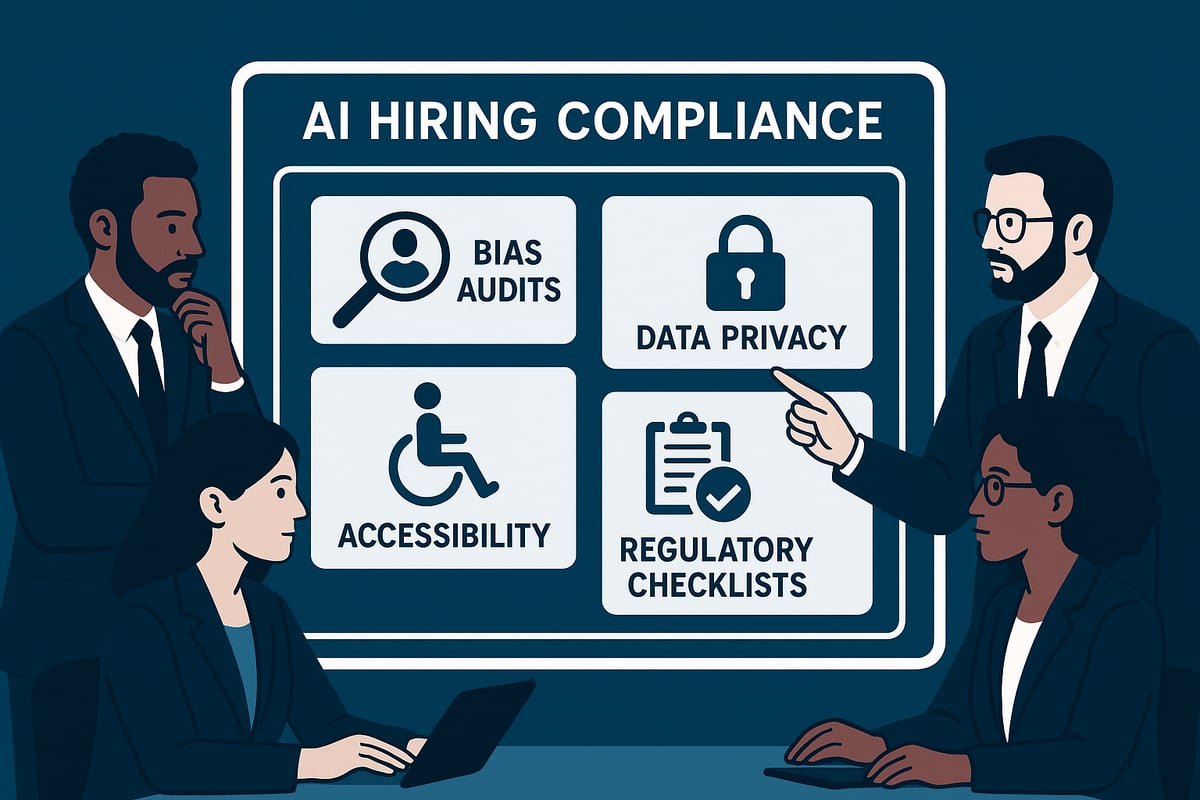
Employers must inform candidates when ai hiring tools are used and share audit results upon request. Bias audits are now mandatory in several jurisdictions, focusing on disparate impact and fairness. These audits must be thorough, covering training data, algorithmic outputs, and any adverse outcomes.
Accessibility is another core requirement. AI tools must comply with the Americans with Disabilities Act (ADA) and similar global standards. This includes providing reasonable accommodations and alternative assessments for candidates with disabilities.
Data Privacy and Security Obligations
AI hiring involves handling sensitive candidate data. Laws like the California Consumer Privacy Act (CCPA) and the EU’s General Data Protection Regulation (GDPR) set strict standards for data collection, storage, and consent. Employers must safeguard information against breaches and misuse.
Transparency in data processing is essential. Candidates should know what data is collected, how it is used, and their rights regarding correction or deletion.
Non-Compliance Risks and Case Study
Ignoring ai hiring regulations can lead to lawsuits, fines, and reputational harm. For example, HireVue faced legal action over its video assessment tool’s accessibility, highlighting the risks tied to non-inclusive design.
Consequences of non-compliance include:
- Civil penalties and regulatory fines
- Lawsuits from candidates or advocacy groups
- Damaged employer reputation and lost trust
- Forced discontinuation of non-compliant tools
Building a Compliance-Ready AI Hiring Program
To reduce risk, organizations should:
- Implement regular bias audits and document results
- Maintain clear candidate disclosure practices
- Ensure all ai hiring tools meet accessibility standards
- Train HR teams on privacy, fairness, and evolving regulations
- Balance automation with meaningful human oversight, as explored in AI's role in hiring and human skills
A robust compliance strategy not only protects against legal exposure, it also builds a foundation of trust with candidates. As ai hiring evolves, staying proactive on compliance will help organizations attract top talent and avoid costly pitfalls.
The Future of Work: Human-AI Collaboration in Recruitment
The next era of recruitment is defined by the partnership between humans and intelligent systems. As organizations refine their approaches, the landscape of ai hiring continues to evolve, shaping how both employers and candidates interact with technology and each other.
The Evolving Role of HR and Hiring Teams
HR professionals are experiencing a transformation as ai hiring automates many repetitive tasks. Routine screening, scheduling, and initial assessments can now be handled by AI, allowing HR to focus on strategy and relationship building.
However, human oversight is more critical than ever. Final hiring decisions, cultural fit assessments, and candidate experience remain in the hands of people. To thrive, HR teams must develop AI literacy and ethical management skills, ensuring that technology enhances—not replaces—their expertise.
Impact on Job Seekers and Workforce Diversity
For job seekers, ai hiring presents both new opportunities and challenges. Candidates need to tailor their resumes and interview techniques to AI-driven systems, learning how to present their skills in ways algorithms can recognize.
While AI can help surface previously overlooked talent, it may also create barriers for those unfamiliar with digital processes. Career counselors now teach students how to optimize applications for AI, aiming to bridge the gap and ensure diverse applicants have equal access to opportunities.
Balancing Efficiency, Fairness, and Authenticity
Both employers and job seekers report frustration with the rapid automation of ai hiring. The increased speed and volume of applications can lead to a disconnect, where neither side feels truly seen or heard.
Organizations are working to find the right balance—using AI to streamline processes while preserving fairness and genuine human connection. The goal is to create a recruitment experience that is both efficient and meaningful for all participants.
Key Takeaways for 2026 and Beyond
Ai hiring is now a permanent fixture in the recruitment world, but success depends on ethical, human-centered implementation. Companies that prioritize transparency, fairness, and adaptability will attract top talent and foster sustainable growth.
Continuous learning and adjustment are essential as technology, regulations, and workforce expectations shift. By embracing collaboration between humans and AI, organizations can navigate the future of recruitment with confidence.
As you explore the evolving landscape of AI hiring in 2026, you’ll see that combining advanced technology with genuine human insight is the key to building strong, diverse teams. If you’re ready to put these best practices into action and want a hiring process that’s both efficient and fraud-proof, I encourage you to experience how Augmnt’s platform can transform your recruitment journey. With streamlined candidate validation and a focus on trust, you can confidently embrace the future of hiring. Take the next step—Start Free Trial and see the difference for yourself.