Staff Augmentation Software: Complete Guide for 2026
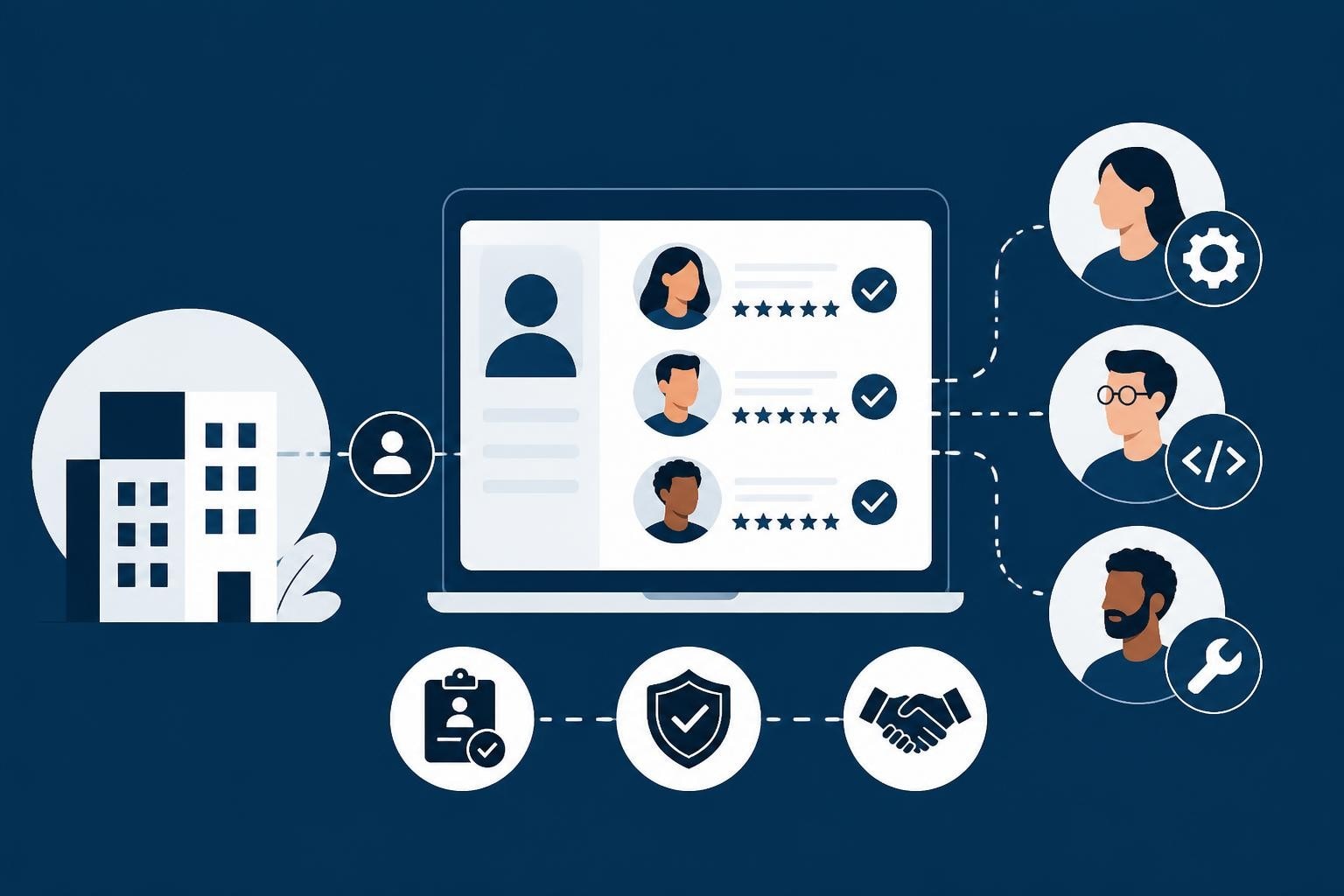
The modern workforce demands flexibility, speed, and precision when accessing specialized talent. Organizations across industries face persistent challenges in filling critical skill gaps while managing budget constraints and timeline pressures. Staff augmentation software has emerged as a transformative solution, enabling companies to strategically supplement their teams with verified professionals while maintaining control over projects and reducing hiring overhead. These platforms leverage technology to streamline the entire augmentation process, from candidate sourcing and validation to onboarding and team integration.
Understanding Staff Augmentation Software in the Modern Hiring Landscape
Staff augmentation software represents a category of technology platforms designed to facilitate the temporary or project-based addition of external professionals to existing teams. Unlike traditional staffing agencies that operate through manual processes and relationship-driven placements, these digital solutions automate candidate matching, verification, and management workflows.
The core functionality centers on bridging the gap between organizations seeking specific expertise and qualified professionals offering those skills. Modern platforms incorporate sophisticated algorithms, verification systems, and collaboration tools that reduce time-to-hire while improving candidate quality. For businesses navigating the complexities of AI and technical hiring, integrating staff augmentation tools with existing ATS systems creates a seamless workflow that enhances recruitment efficiency.
Key Components of Effective Platforms
Successful staff augmentation software delivers value through several essential features:
- Intelligent candidate matching that aligns skills, experience, and availability with project requirements
- Automated verification systems for credentials, work history, and technical competencies
- Integrated communication tools enabling seamless collaboration between augmented staff and core teams
- Project management capabilities for tracking deliverables, timelines, and performance metrics
- Compliance management ensuring adherence to labor regulations and contractual obligations
- Analytics dashboards providing visibility into hiring costs, time-to-fill, and resource utilization
The technology architecture typically combines user-facing interfaces for both employers and talent, backend matching engines, and integration capabilities with existing enterprise systems. This comprehensive approach differentiates software solutions from simple job boards or contractor directories.
Business Benefits and Strategic Advantages
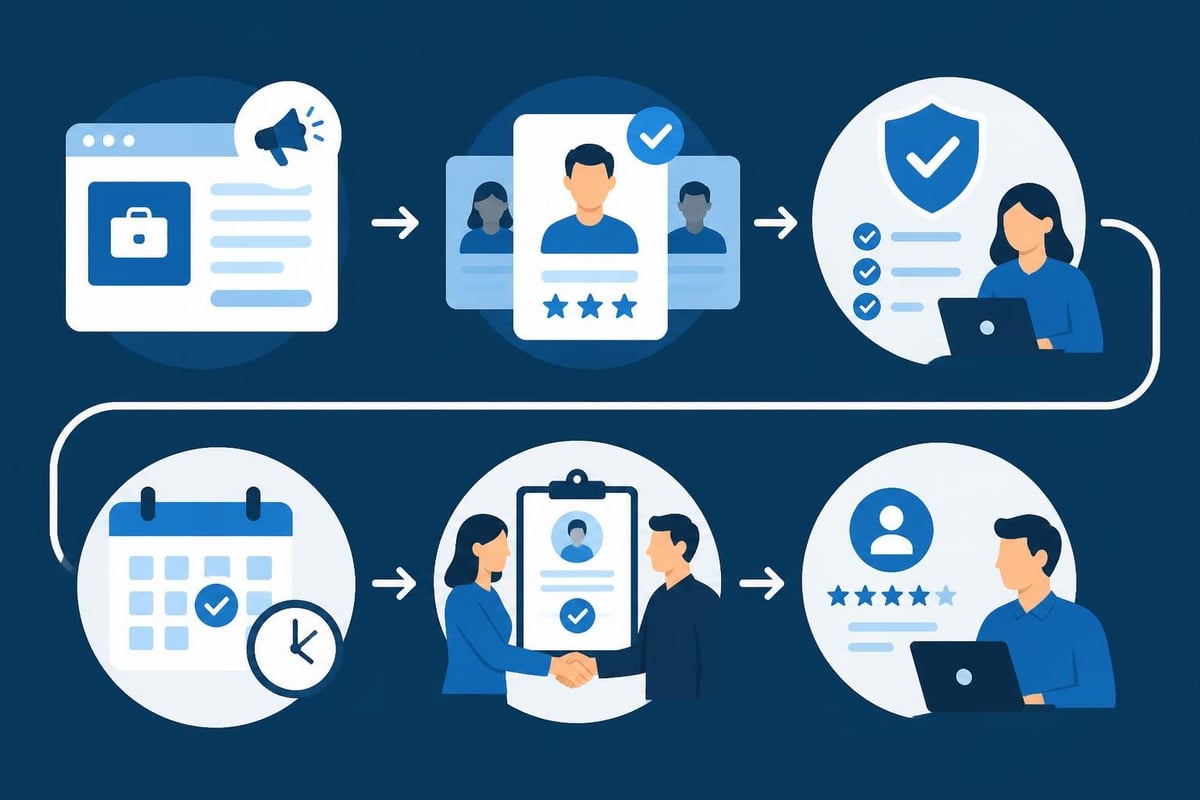
Organizations implementing staff augmentation software experience measurable improvements across multiple dimensions of their hiring operations. The financial impact alone justifies adoption for many companies, with reduced agency fees, faster placements, and improved retention rates contributing to significant cost savings.
Speed represents another critical advantage. Traditional hiring cycles for specialized positions often extend 60 to 90 days, creating project delays and missed market opportunities. Software platforms compress these timelines by maintaining pre-vetted talent pools and automating routine screening tasks. Companies report time-to-hire reductions of 40% to 60% when transitioning from manual augmentation processes to software-driven approaches.
Quality and Risk Mitigation
Perhaps the most compelling benefit involves candidate quality and fraud prevention. The rise of resume fraud, credential misrepresentation, and skill exaggeration has created substantial risks for organizations hiring external talent. Staff augmentation software addresses these concerns through systematic validation processes that verify:
| Verification Type | Methodology | Risk Reduction |
|---|---|---|
| Work History | Previous employer confirmation, employment date validation | 75% reduction in experience fraud |
| Credentials | Direct institution verification, certification authentication | 90% reduction in degree fraud |
| Technical Skills | Standardized assessments, code reviews, practical evaluations | 65% improvement in skill match accuracy |
| Identity | Document verification, background screening | 95% reduction in identity fraud |
Platforms like Augmnt ATS incorporate fraud detection specifically designed for technical and AI talent, ensuring that businesses connect only with genuinely qualified professionals. This verification layer proves especially valuable in fields where skill misrepresentation can lead to project failures or security vulnerabilities.
Implementation Best Practices for Maximum ROI
Successfully deploying staff augmentation software requires strategic planning and adherence to proven methodologies. Organizations that approach implementation systematically achieve better outcomes and faster adoption across their teams.
Begin by conducting a thorough assessment of current augmentation needs, pain points, and success metrics. Defining clear objectives and identifying talent gaps establishes the foundation for evaluating platform capabilities and measuring post-implementation performance. Document specific requirements around skill categories, typical project durations, budget parameters, and integration needs with existing systems.
Platform Selection Criteria
Choosing the right staff augmentation software demands careful evaluation of both technical capabilities and provider characteristics:
- Evaluate talent pool quality and size within your required specializations
- Assess verification rigor through audits of credential validation processes
- Test user interface intuitiveness for both hiring managers and integrated team members
- Verify integration capabilities with your existing HRIS, ATS, and project management tools
- Review pricing transparency including setup costs, per-hire fees, and subscription models
- Examine provider stability through customer references, case studies, and financial standing
The selection process should involve stakeholders across HR, department heads requiring augmented staff, IT for integration planning, and finance for budget approval. This cross-functional approach ensures the chosen platform addresses technical requirements while gaining organizational buy-in necessary for successful adoption.
Optimizing Team Integration and Management
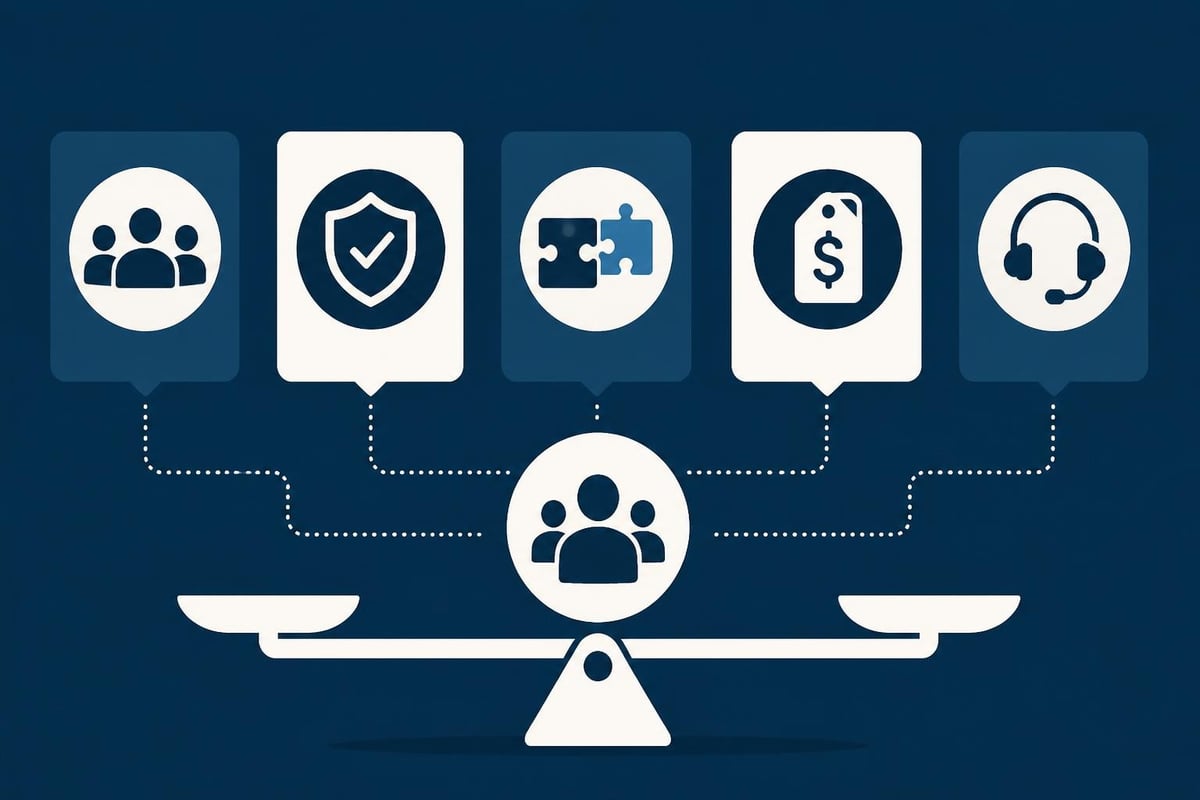
The technological capabilities of staff augmentation software deliver maximum value only when paired with effective human processes for integrating external talent. Structured onboarding processes and clear communication protocols prove essential for transforming individual contractors into cohesive team contributors.
Develop standardized onboarding workflows that leverage software features while addressing the unique needs of temporary team members. These workflows should include:
- Pre-start access provisioning ensuring augmented staff have necessary tools and credentials on day one
- Structured orientation sessions covering company culture, communication norms, and project objectives
- Clear role definitions documented within the platform and shared across relevant stakeholders
- Regular check-in schedules for performance feedback and issue resolution
- Knowledge transfer protocols capturing expertise from augmented staff for organizational retention
Communication and Collaboration Frameworks
Many staff augmentation software platforms include built-in communication tools, but success requires deliberate strategies for fostering collaboration. Transparent communication and defined processes create environments where augmented professionals contribute effectively alongside core team members.
Establish communication guidelines that specify:
- Primary channels for different interaction types (urgent issues, status updates, questions)
- Expected response times based on message priority and sender role
- Meeting cadences for project updates, planning sessions, and retrospectives
- Documentation standards ensuring knowledge accessibility across distributed teams
- Escalation paths for technical challenges or resource constraints
The platform itself should facilitate rather than complicate these interactions. Evaluate how well candidate profiles, project assignments, and performance data integrate with team collaboration tools to create unified workflows.
Measuring Success and Continuous Improvement
Staff augmentation software generates extensive data about hiring efficiency, candidate quality, and team performance. Organizations that systematically analyze these metrics achieve progressively better outcomes as they refine their augmentation strategies.
Establish baseline measurements before implementation to enable accurate comparison of pre and post-adoption performance. Key performance indicators should span multiple dimensions:
| Metric Category | Specific Measures | Target Improvement |
|---|---|---|
| Efficiency | Time-to-hire, requisition-to-offer duration, screening time | 40-50% reduction |
| Quality | Skill match accuracy, hiring manager satisfaction, project success rate | 30-40% improvement |
| Cost | Cost-per-hire, agency fee elimination, total augmentation spend | 25-35% reduction |
| Retention | Contract completion rate, extension frequency, early termination rate | 20-30% improvement |
Beyond quantitative metrics, gather qualitative feedback from both hiring managers utilizing augmented staff and the professionals themselves. This bidirectional feedback reveals friction points in processes, opportunities for platform optimization, and insights into candidate experience that affects talent pool quality.
Iterative Process Refinement
Treat staff augmentation software as an evolving component of your talent strategy rather than a static solution. Regular review of augmentation outcomes enables continuous improvement in how you define roles, screen candidates, and manage integrated teams.
Schedule quarterly reviews examining:
- Platform utilization rates across departments and role types
- Conversion metrics from candidate presentation to successful hire
- Performance ratings for augmented staff compared to internal employees
- Project outcomes when using augmented versus entirely internal teams
- Cost trends and budget accuracy in staff augmentation spending
Use these insights to adjust search parameters, refine job descriptions, modify interview processes, and optimize team integration protocols. The software's analytics capabilities should support this continuous improvement cycle through customizable reports and trend visualization.

Addressing Common Implementation Challenges
Despite the clear benefits, organizations encounter predictable obstacles when deploying staff augmentation software. Anticipating these challenges and preparing mitigation strategies accelerates successful adoption and minimizes disruption.
Resistance from hiring managers represents a frequent hurdle, particularly when existing agency relationships or manual processes have delivered acceptable results. Defining clear goals and demonstrating value through pilot programs helps overcome this resistance. Start with departments experiencing the most acute talent shortages or longest time-to-hire, where software impact will be most visible and immediate.
Technical Integration Complexities
Connecting staff augmentation software with existing enterprise systems creates technical challenges that require careful planning. Common integration points include:
- Applicant tracking systems for unified candidate management
- HRIS platforms for contractor data and compliance tracking
- Project management tools for task assignment and progress monitoring
- Financial systems for budget tracking and contractor payment processing
- Identity management for secure access provisioning and termination
Work closely with platform vendors to understand API capabilities, data synchronization options, and security protocols. Allocate sufficient IT resources for integration development, testing, and ongoing maintenance. Organizations with complex technical environments should consider platforms offering pre-built connectors for common enterprise systems.
Data Security and Compliance Considerations
Staff augmentation introduces external individuals into your systems and workflows, creating potential security vulnerabilities and compliance obligations. Choosing the right partner with robust security frameworks proves critical for protecting sensitive information and meeting regulatory requirements.
Evaluate platform security through multiple lenses:
- Data encryption for candidate information, communication, and documentation both in transit and at rest
- Access controls enabling granular permissions based on roles and project assignments
- Audit logging capturing all system activities for compliance reporting and security investigations
- Compliance certifications such as SOC 2, ISO 27001, or industry-specific standards relevant to your sector
- Contract terms clearly defining data ownership, retention policies, and breach notification procedures
For businesses in regulated industries, ensure the platform supports necessary compliance workflows such as background check documentation, right-to-work verification, or industry-specific credential validation.
Future Trends Shaping Staff Augmentation Technology
The staff augmentation software category continues evolving rapidly as artificial intelligence, automation, and changing workforce dynamics reshape talent acquisition. Understanding emerging trends helps organizations select platforms positioned for long-term relevance and competitive advantage.
Advanced AI capabilities are transforming candidate matching from keyword-based filtering to nuanced skill alignment that considers project context, team dynamics, and career trajectory. Machine learning models analyze historical hiring data to predict candidate success, identify optimal team compositions, and recommend augmentation strategies aligned with business objectives. These intelligent systems continuously improve as they process more placements and outcomes.
Skills-Based Talent Architecture
The shift toward skills-based hiring and talent management accelerates as organizations recognize the limitations of credential and title-based screening. Staff augmentation software increasingly emphasizes granular skill validation through practical assessments, portfolio reviews, and demonstrated expertise rather than relying solely on resumes and certifications.
This skills-first approach proves particularly valuable in rapidly evolving fields like artificial intelligence, where formal credentials lag behind current technology requirements. Platforms that combine automated skill testing with expert human evaluation deliver the most accurate talent matching for specialized roles.
Blockchain technology shows promise for credential verification, creating tamper-proof records of education, certifications, and work history. Early adopters are experimenting with decentralized identity systems that give professionals ownership of their verified credentials while enabling instant validation by employers. As these technologies mature, staff augmentation software will likely incorporate blockchain-based verification as a standard feature.
Strategic Workforce Planning Integration
Forward-thinking organizations extend staff augmentation software beyond reactive hiring to proactive workforce planning. By analyzing project pipelines, skill inventories, and market trends, these platforms recommend optimal timing and composition for augmented teams before critical needs emerge.
Predictive analytics identify patterns such as seasonal demand spikes, project types requiring external expertise, or emerging skill gaps based on strategic initiatives. This intelligence enables HR and department leaders to budget accurately, maintain preferred vendor relationships, and avoid last-minute hiring crises that inflate costs and compromise quality.
Integration with broader talent management systems creates unified views of total workforce capacity, combining employees, contractors, augmented staff, and potential hires into comprehensive resource planning. This holistic perspective supports better decisions about when to hire permanently versus augment temporarily, which skills to develop internally versus source externally, and how to structure teams for maximum effectiveness.
For businesses navigating the competitive landscape of AI talent, exploring pricing models and platform capabilities helps identify solutions that align with both current needs and future growth plans.
Building Long-Term Talent Relationships
While staff augmentation traditionally focuses on short-term engagements, leading platforms recognize value in cultivating ongoing relationships with high-performing professionals. Software development staff augmentation best practices emphasize treating augmented talent as extended team members worthy of investment and development.
Features supporting long-term talent relationships include:
- Talent communities where previous contractors receive priority consideration for new projects
- Performance tracking that builds comprehensive profiles of professional capabilities and work styles
- Skill development through training resources, certification support, or mentorship programs
- Engagement tools maintaining connections during periods between assignments
- Conversion pathways facilitating transition from augmented to permanent status for exceptional performers
This relationship-oriented approach creates competitive advantages in tight talent markets. Professionals who have positive augmentation experiences become advocates, referring peers and accepting future assignments preferentially. The platform effectively becomes a curated talent network rather than simply a transaction marketplace.
Organizations benefit from reduced ramp-up time when re-engaging familiar contractors, institutional knowledge retention across multiple projects, and access to professionals who understand company culture and processes. These advantages compound over time as the talent network grows and relationships deepen.
Staff augmentation software has fundamentally transformed how organizations access specialized expertise, combining technological efficiency with rigorous validation processes that ensure quality outcomes. By implementing these platforms strategically and following proven best practices, businesses reduce hiring costs, compress timelines, and build flexible workforces capable of scaling with project demands. Augmnt delivers precisely this combination of intelligent matching and comprehensive verification, connecting businesses with fraud-free AI professionals through a platform that validates credentials, skills, and experience before presentation, ensuring you invest resources only in genuinely qualified talent ready to drive your projects forward.