Resume Fraud Guide: Protecting Your Career in 2026
In 2026, resume fraud has reached alarming levels, impacting professionals, employers, and the very foundation of trust in the hiring process. Recent findings reveal that nearly 70% of job applicants have lied or would consider lying on their resumes, making the challenge more urgent than ever.
With AI-generated credentials and sophisticated scams on the rise, resume fraud now poses threats that go far beyond simple exaggerations. The stakes are high, with careers and company reputations hanging in the balance.
Are you ready to protect your future and your organization? This guide will show you how to detect, prevent, and respond to resume fraud with proven strategies and expert insights. Read on for the knowledge you need to stay ahead in 2026.
Understanding Resume Fraud in 2026
Resume fraud has become a sophisticated threat in the modern job market. With evolving technology and high competition, the methods and risks associated with resume fraud have shifted dramatically. Understanding what constitutes resume fraud, and how it is perpetrated, is essential for both job seekers and employers.
Defining Resume Fraud: Beyond White Lies
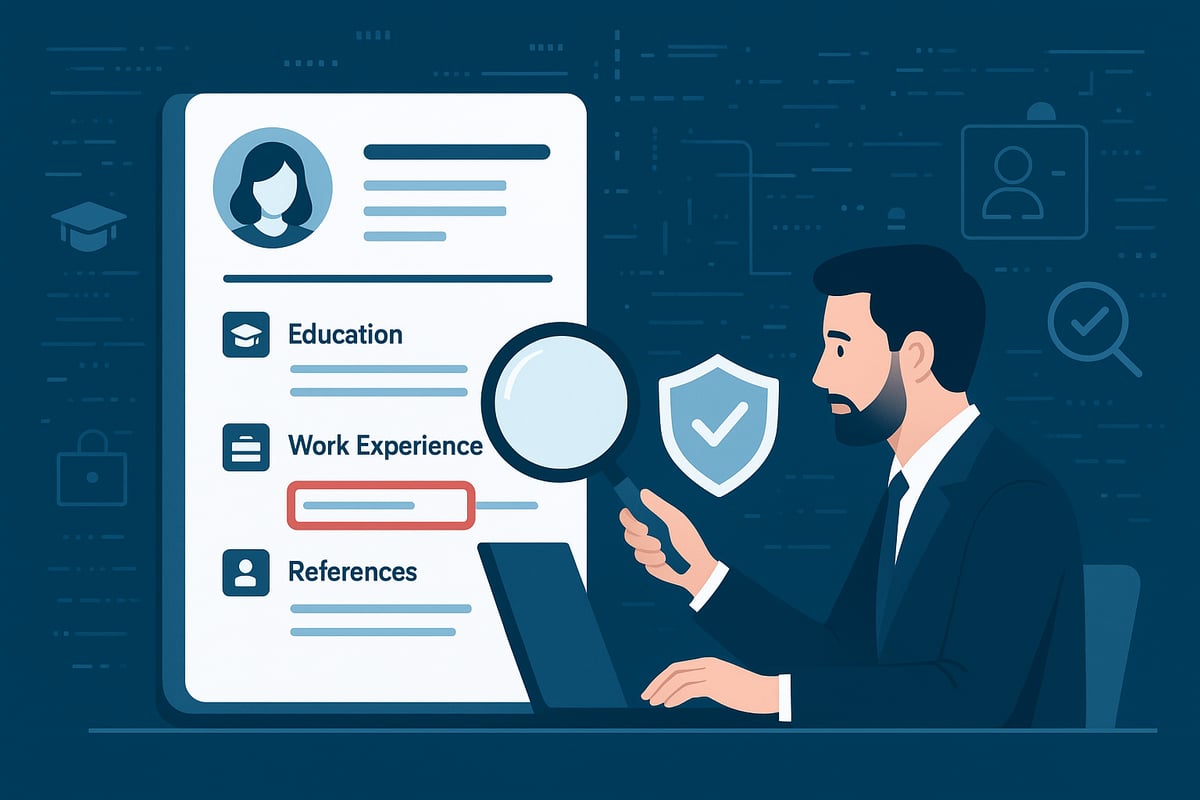
Resume fraud is the intentional act of misrepresenting information on a resume to gain an unfair advantage. It differs from honest mistakes, focusing specifically on deliberate deception, as highlighted by Henle et al. (2024).
There are three main types of resume fraud:
- Fabrication: Creating entirely false information, such as fake degrees or jobs.
- Embellishment: Exaggerating roles, achievements, or skills to appear more qualified.
- Omission: Leaving out negative details, like employment gaps or terminations, to avoid scrutiny.
A practical example of resume fraud could involve a candidate claiming a master's degree they never earned, or inflating a job title from "assistant" to "manager." Omitted employment gaps, especially during economic downturns, are also common.
It is crucial to distinguish resume fraud from interview faking. While both involve deception, resume fraud occurs before the interview, typically on written documents or digital profiles.
AI now plays a dual role in resume fraud. On one hand, advanced tools can generate convincing, fraudulent resumes using generative AI, complete with fake credentials and employment histories. On the other, employers use AI-driven systems to analyze and cross-check details for inconsistencies.
Prevalence data shows the scale of the problem. According to staffing firms, 55% of resumes contain erroneous information. More recent research found that 70% of applicants have lied or would consider lying on a resume, and a Resume.org survey on resume fraud revealed that 6 in 10 fraudsters landed jobs in 2024.
High-profile cases illustrate the consequences. Executives have lost positions when degree fraud or job title inflation was uncovered. Strategic impersonation is now widespread, with candidates using buzzwords, AI-generated content, and even fake reference services to appear more credible.
| Type of Resume Fraud | Description | Example |
|---|---|---|
| Fabrication | Inventing false credentials | Fake degree |
| Embellishment | Exaggerating achievements | Inflated job title |
| Omission | Leaving out negative details | Hiding employment gaps |
Resume fraud is no longer just about small exaggerations. It is a calculated risk with real-world consequences.
The Evolution of Resume Fraud Tactics
Resume fraud tactics have evolved rapidly over the past decade. What was once limited to minor embellishments is now a complex web of high-tech deception.
Online services now offer fake credentials and references for a fee. Some even provide realistic transcripts and diplomas, making detection more challenging. AI-generated resumes can craft tailored, impressive work histories that are difficult to verify.
Deepfake technology enables the creation of entire digital portfolios, complete with simulated video interviews or falsified work samples. Social engineering tactics, such as using fake references or purchasing credentials from degree mills, are on the rise.
Technology poses both risks and solutions. Fraudsters use AI to bypass traditional checks, but employers are countering with advanced verification platforms that analyze data for red flags, like date discrepancies or unverifiable references.
Remote work and global hiring have made verification even more difficult. Employers must now verify credentials from multiple countries and navigate unfamiliar education systems.
To summarize, resume fraud in 2026 is driven by:
- AI-generated resumes and deepfake portfolios
- Online marketplaces for fake credentials
- Strategic use of buzzwords and social engineering
- Greater challenges in verifying global and remote applicants
Staying ahead of resume fraud requires constant vigilance, adaptation to new technology, and a deep understanding of both traditional and emerging tactics.
The Real-World Impact of Resume Fraud
Resume fraud is not just a theoretical concern. Its effects ripple through careers, workplaces, and entire organizations. Understanding these real-world consequences is vital for anyone seeking to protect their professional future or their company’s reputation.
Consequences for Individuals
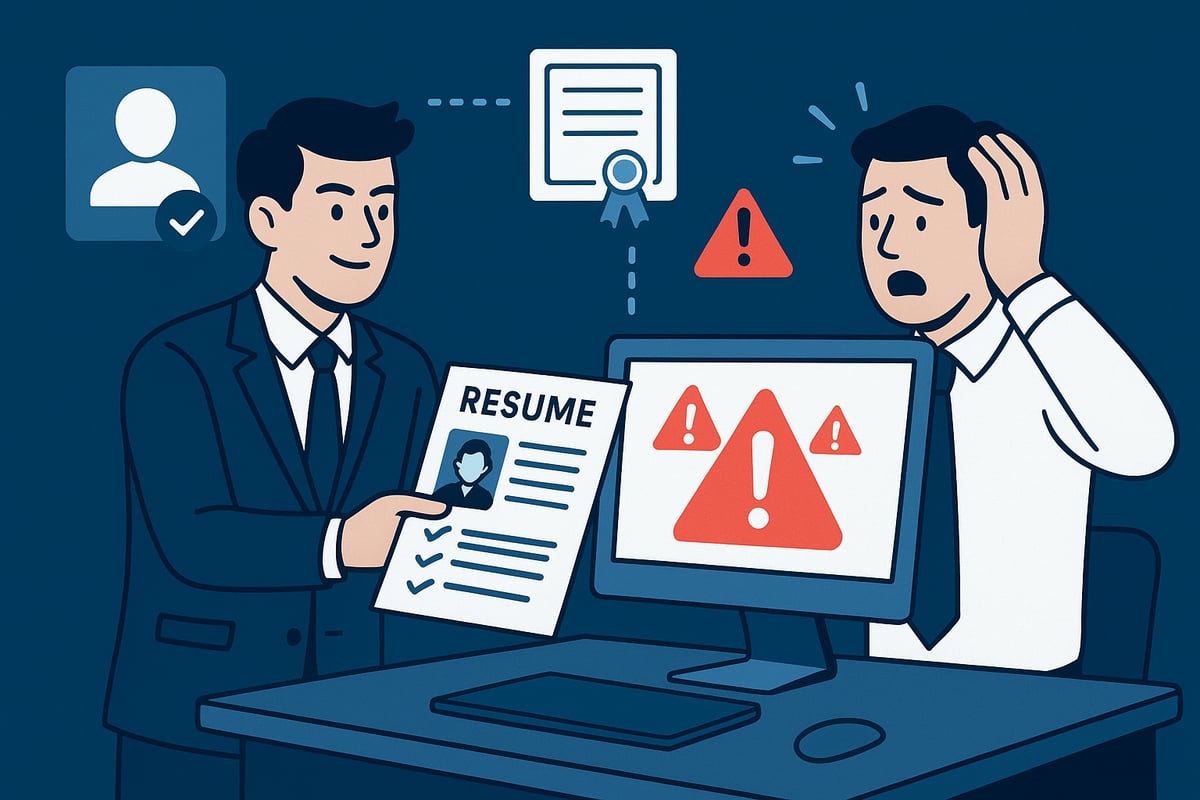
For individuals, resume fraud can have devastating results. Getting caught in a lie may lead to immediate termination, even if years have passed since hiring. Employers are increasingly vigilant and may revisit old records, especially for regulated roles.
Legal consequences are also a risk. In fields like finance or healthcare, resume fraud can trigger lawsuits or criminal charges. The emotional toll is significant, often resulting in stress, anxiety, and a damaged sense of self-worth.
Consider the following real-life impacts:
- Loss of current job and blacklisting from future opportunities
- Public exposure in news or industry circles
- Difficulty rebuilding trust with future employers
High-profile cases highlight the risks. Executives, such as David Tovar at Wal-Mart and Steve Masiello in collegiate sports, lost their positions after degree inconsistencies surfaced. The financial burden of legal defense, job loss, and reputation repair can be overwhelming.
Resume fraud may seem like a shortcut, but it often leads to long-term career derailment. Even minor fabrications can escalate into larger investigations, causing lasting harm.
Consequences for Employers & Teams
Employers face serious challenges when resume fraud goes undetected. Hiring unqualified candidates can lead to drops in productivity and performance. The financial impact is staggering, with U.S. companies losing billions annually. In fact, a recent Checkr report on hiring fraud notes that fraudulent hires create costly setbacks in training, turnover, and operational delays.
Key challenges for organizations include:
- Increased turnover and higher rehiring expenses
- Negative impact on team morale and workplace culture
- Legal liability from negligent hiring claims
Unqualified hires often struggle to meet expectations, causing friction within teams. Honest candidates may feel demoralized, leading to a "culture killer" effect that undermines trust. Resume fraud can also expose employers to lawsuits if clients or regulators discover the deception.
Ultimately, resume fraud places a burden on HR and hiring managers, who must spend additional resources on verification and damage control. The unfair advantage given to dishonest applicants only compounds the problem.
Broader Organizational Risks
The dangers of resume fraud extend beyond individual hires or teams. Organizations may face data breaches or compliance failures when unqualified staff handle sensitive information. These incidents can be costly and may attract regulatory scrutiny.
Long-term reputation damage is a real threat. Once news of resume fraud becomes public, clients and partners may question the organization’s hiring practices. This erosion of trust can be difficult to repair.
Resume fraud also encourages the spread of unethical behavior across the workplace. When employees witness deception going unpunished, it can foster a culture where honesty is undervalued.
In the end, the risks of resume fraud touch every level of an organization. Proactive prevention and detection are essential to safeguard business integrity and maintain trust in the hiring process.
The Psychology and Motivations Behind Resume Fraud
Understanding why resume fraud remains widespread in 2026 requires a look beneath the surface of the hiring process. The motivations are complex, blending personal ambition, market pressures, and perceptions of risk.
Why Do Candidates Commit Resume Fraud?
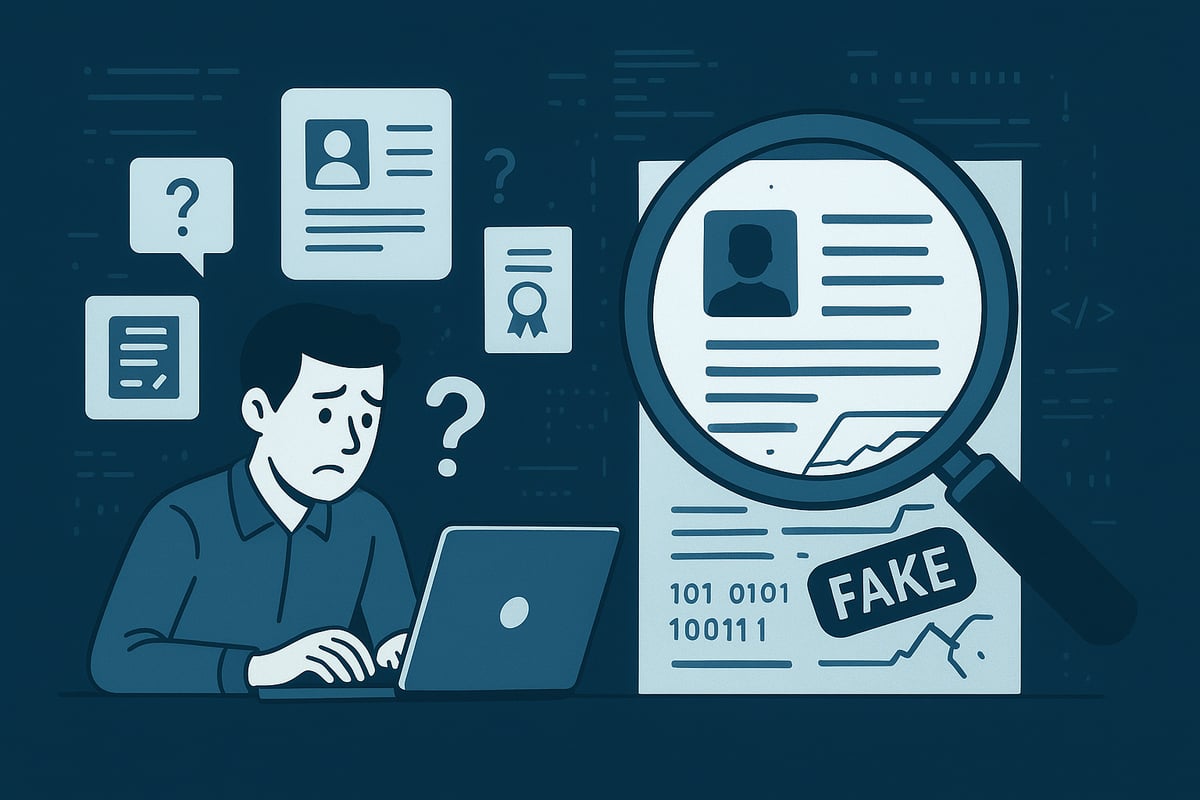
Resume fraud often begins with the intense pressure to stand out in a crowded job market. Many applicants believe their honest achievements may not be enough, especially when roles attract hundreds of qualified candidates. This pressure, combined with the perception that resume fraud is unlikely to be detected, can push otherwise honest individuals to cross ethical lines.
The temptation grows in environments where employers rely heavily on resumes as the primary screening tool. Social desirability, a drive to appear more accomplished, and even Machiavellian tendencies—such as manipulating facts for personal gain—play a significant role (Henle et al., 2024). Some candidates rationalize resume fraud as a harmless way to "level the playing field" or follow examples promoted in online forums and so-called "success stories."
Omission is another common tactic. Candidates may leave out short-term jobs, employment gaps, or terminations, viewing these omissions as less risky than outright fabrications. The remote and AI-driven hiring landscape further amplifies the appeal, making it easier to hide behind digital profiles and evade traditional verification methods.
Profiles Most at Risk of Committing Resume Fraud
Certain individuals are statistically more prone to resume fraud. Research points to personality traits like low conscientiousness, low agreeableness, and high emotional instability as significant factors. These individuals may feel less moral restraint or be more willing to take risks for potential rewards.
Industries such as tech, finance, and remote-first sectors report higher rates of resume fraud, likely due to high competition and the difficulty of verifying digital credentials across borders. Early-career professionals might exaggerate their skills or education, while senior-level candidates could embellish leadership roles or achievements.
The rise of AI-generated resumes and fake candidate profiles adds a new layer of complexity. According to a recent HR Dive article on fake candidate profiles, by 2028, one in four candidate profiles could be fake, highlighting the growing sophistication of fraudulent tactics in the hiring ecosystem.
Understanding these risk factors helps both employers and honest job seekers remain vigilant. Recognizing the psychological triggers and industry-specific vulnerabilities is key to reducing the prevalence and impact of resume fraud.
Legal and Ethical Implications of Resume Fraud
Resume fraud is not just a personal risk; it is a legal and ethical minefield for both job seekers and employers. The consequences of resume fraud in 2026 are more severe than ever, with new regulations, advanced technology, and heightened scrutiny shaping the landscape. Understanding these implications is critical for protecting your reputation, your organization, and your future.
Legal Consequences for Job Seekers
Resume fraud can derail a career instantly. If false information is discovered, even years after being hired, termination is almost certain. In regulated industries like finance, healthcare, or government, resume fraud may trigger civil lawsuits or criminal charges. Regulatory bodies may revoke licenses, and professionals could face permanent blacklisting.
Key legal risks include:
- Immediate dismissal for misrepresentation
- Lawsuits for damages, especially if fraud leads to business loss
- Fines or criminal proceedings in sensitive sectors
- Loss of professional licenses or certifications
The impact of resume fraud lingers. Even after resolving a case, individuals often struggle to regain trust and secure future employment. Employers conduct thorough background checks, making it difficult to hide past infractions.
Employer Responsibilities and Risks
Employers bear significant responsibility in detecting and preventing resume fraud. Failing to verify credentials can result in negligent hiring claims, financial penalties, or damage to company reputation. Organizations must maintain accurate records and implement robust verification processes, balancing thoroughness with respect for privacy and anti-discrimination laws.
Employers should:
- Establish clear verification protocols for education, employment, and certifications
- Train HR teams to recognize fraud signals
- Protect applicant data and comply with privacy regulations
- Foster a transparent and ethical hiring culture
With the rise of AI-driven hiring tools, trust in fair evaluation is a growing concern. According to a Gartner survey on AI in hiring, only 26 percent of applicants trust AI to assess them fairly, highlighting the need for both human oversight and ethical standards when combating resume fraud.
Notable Legal Cases and Precedents
Several high-profile legal cases show how resume fraud can escalate into costly disputes. Executives have lost lucrative positions after degree fraud came to light. Regulatory bodies have imposed fines and sanctions on companies that failed to vet hires properly.
Lessons from these cases:
- Courts consistently uphold employer rights to terminate for fraud
- Regulatory bodies take swift action against credential misrepresentation
- Transparent, documented hiring processes protect companies from liability
Organizations and professionals can learn from these precedents. Vigilance, honesty, and proactive verification are the best defenses against the legal and ethical fallout of resume fraud.
Advanced Strategies for Detecting and Preventing Resume Fraud
Staying vigilant against resume fraud in 2026 requires more than routine checks. As technology evolves, so do the tactics used by fraudsters. Employers and professionals must adopt advanced, multi-layered strategies to protect themselves and their organizations from the growing threat of resume fraud.
Step 1: Strengthening Resume Screening Processes
Modern resume fraud is often sophisticated, making surface-level reviews insufficient. Employers should implement robust screening processes that leverage both technology and human judgment.
Key actions include:
- Using multi-layered verification for education, employment, and certifications.
- Leveraging AI-powered resume fraud detection tools to identify inconsistencies or AI-generated content.
- Cross-referencing candidate details with public profiles like LinkedIn and GitHub for consistency.
- Watching for red flags such as date discrepancies, vague job descriptions, or unverifiable references.
A focus on results, not just job titles, is essential. Integrating skills testing and real-world assessments ensures that candidates can perform as claimed. By making these steps standard, organizations reduce their exposure to resume fraud and improve hiring outcomes.
Step 2: Conducting Reference and Background Checks
Effective reference and background checks are vital for combating resume fraud. This process should go beyond the contacts listed on a resume.
Best practices include:
- Contacting previous employers directly using official company channels, not just numbers listed on resumes.
- Researching all references to confirm their authenticity and relevance.
- Verifying educational claims directly with institutions to avoid falling victim to degree mills.
- Running criminal and civil background checks for roles involving sensitive data or trust.
Employers who take these extra steps are less likely to be deceived by resume fraud. Diligent verification builds a foundation of trust and helps ensure only qualified candidates are hired.
Step 3: Training and Empowering Hiring Teams
The fight against resume fraud extends to every member of the hiring process. HR and hiring managers must be trained to recognize evolving tactics and understand the emotional impact of fraudulent hires.
Important training elements:
- Educating teams on new trends in resume fraud, such as AI-generated credentials and fake reference services.
- Promoting a culture of verification, where every claim is checked rather than simply accepted.
- Recognizing the cost to morale and productivity when resume fraud goes undetected.
Empowered hiring teams play a crucial role in maintaining workplace integrity and minimizing the risk of resume fraud.
Step 4: Leveraging Third-Party Screening Services
For many organizations, partnering with specialized screening providers can enhance protection against resume fraud. These services offer up-to-date fraud detection methods and help ensure compliance with regulatory requirements.
Considerations for outsourcing:
- When internal resources or expertise are limited, third-party screening can fill the gap.
- Benefits include time savings, access to advanced technology, and improved compliance.
| Screening Method | In-House | Third-Party Providers |
|---|---|---|
| Speed | Moderate | Fast |
| Technology | Basic to Moderate | Advanced AI |
| Compliance | Varies | High |
| Cost | Lower upfront | Higher, but with savings |
Organizations should carefully evaluate providers for reputation, transparency, and the ability to tailor services to their needs. Thoughtful outsourcing can make resume fraud detection more reliable and efficient.
Fraud-Proof Hiring with Augmnt: AI-Powered Resume Verification
Augmnt is redefining how organizations address resume fraud by combining advanced AI with human expertise. This innovative platform connects businesses to a marketplace of verified, fraud-free AI professionals.
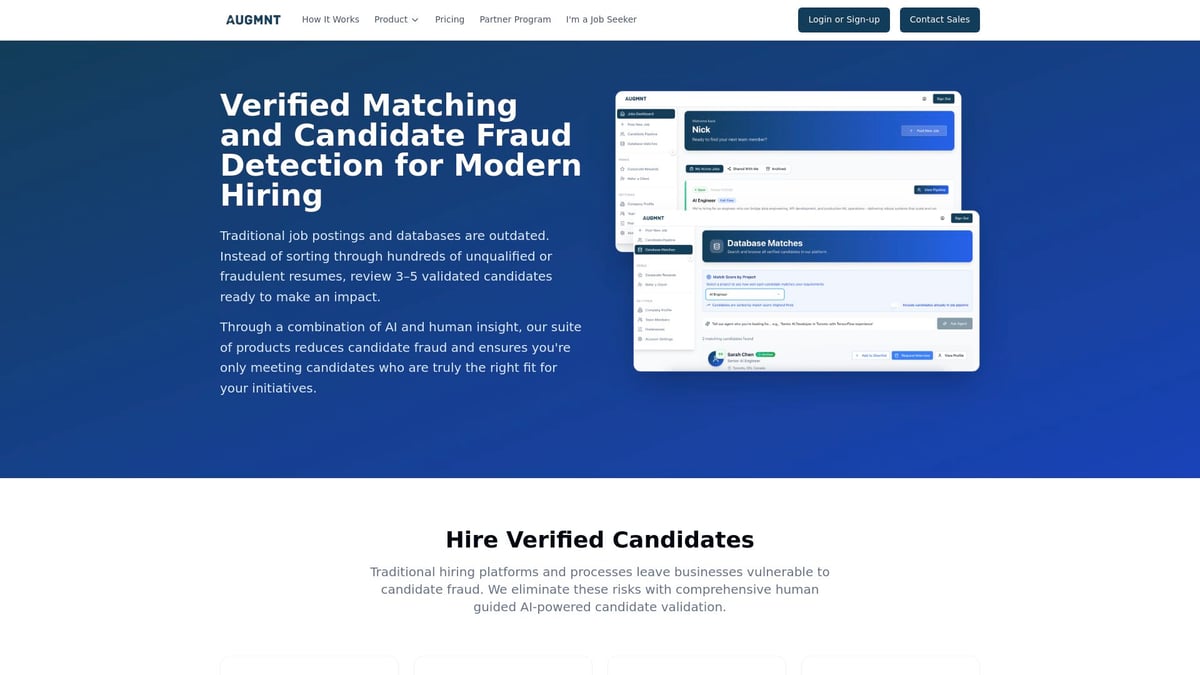
Augmnt’s multi-layered approach includes resume fraud detection, background checks, and skill verification, all aligned with U.S. and Canadian compliance standards. Only candidates who pass rigorous screening are presented to employers, significantly reducing the risk of bad hires.
A case in point: Industry-leading firms now trust Augmnt to streamline hiring and protect against resume fraud. By leveraging both automation and human insight, Augmnt helps businesses stay ahead of emerging fraud tactics and build stronger teams.
Step-by-Step Guide: Protecting Your Career from Resume Fraud in 2026
Staying vigilant against resume fraud is essential for every professional in 2026. The evolving job market demands honesty, transparency, and proactive measures at every stage of your career journey. This guide provides actionable steps to help you maintain credibility and safeguard your professional reputation.
Step 1: Building an Honest and Impactful Resume
Begin by crafting a resume that highlights your true accomplishments. Avoid the pitfalls of resume fraud by presenting your achievements with accuracy, not exaggeration. If you have employment gaps or short-term roles, address them openly. Transparency demonstrates integrity and builds trust with potential employers.
Use quantifiable results whenever possible. Instead of vague claims, share specific outcomes, such as "increased sales by 25 percent" or "managed a team of 10." Always verify that your credentials, such as degrees and certifications, are current and easily validated.
Steer clear of buzzword stuffing or making unverifiable claims. Instead, let your real skills and experiences speak for themselves. Remember, a resume is a marketing tool, but honesty is the foundation that prevents resume fraud and protects your future opportunities.
Step 2: Proactively Verifying Your Own Credentials
Take responsibility for maintaining accurate records of your education, certifications, and work history. Regularly update your professional profiles, including LinkedIn and digital portfolios, to ensure consistency across platforms and prevent confusion that could be mistaken for resume fraud.
Prepare a folder with digital copies of your degrees, certificates, and reference letters. This makes it easy to respond quickly to employer verification requests. Audit your resume and profiles periodically to identify and correct any discrepancies.
Anticipate the questions employers may ask during background checks. By organizing your documentation and being ready to share it, you minimize the risk of unintentional resume fraud and show that you value transparency.
Step 3: Navigating Job Applications and Interviews Ethically
Approach every job application and interview with honesty and professionalism. If an employer requests additional documentation or a skills assessment, comply willingly. This not only demonstrates readiness but also reinforces your commitment to avoiding resume fraud.
When asked about employment gaps, transitions, or terminations, provide clear and truthful explanations. Avoid the temptation to hide or distort information, as doing so can lead to serious consequences if discovered later.
Build trust by being transparent about your experience and qualifications. Employers increasingly value authenticity, and a reputation for honesty will serve you far better than any short-term gains from resume fraud.
Step 4: Monitoring Your Digital Footprint
In 2026, employers routinely review candidates’ online presence. Ensure your digital footprint aligns with your resume to avoid accusations of resume fraud. Double-check that your LinkedIn, portfolio, and other professional profiles display consistent employment dates and job titles.
Remove any outdated or misleading information from public profiles. Use privacy settings wisely to protect sensitive data, but remember that transparency is still important for professional platforms.
Proactively manage your digital identity to present a unified, authentic narrative. Small inconsistencies can raise red flags, so a regular audit of your online presence is a key defense against resume fraud.
Step 5: Responding to Accusations or Discoveries of Resume Fraud
If you are ever accused of resume fraud, respond calmly and gather all relevant documentation to support your case. Seek legal advice if necessary, especially if your employment is at risk.
Distinguish between honest mistakes and intentional deception. If you discover an error, address it proactively with your employer or recruiter. Taking responsibility can often mitigate negative outcomes.
Rebuilding your reputation after an incident is possible, but it requires transparency and a commitment to ethical standards. Learn from the experience to prevent future resume fraud and maintain your integrity in the workplace.
Step 6: Staying Informed on Resume Fraud Trends
The landscape of resume fraud is constantly changing. Stay updated on the latest verification technologies, industry regulations, and fraud tactics by following trusted sources and participating in professional development.
Join industry forums, attend webinars, or subscribe to newsletters focused on hiring best practices and ethics. Ongoing education prepares you to recognize new forms of resume fraud and adapt your strategies accordingly.
Leveraging reputable platforms and professional networks can enhance your career security. By staying informed and vigilant, you ensure long-term protection against the risks of resume fraud.
The Future of Resume Fraud: Trends and Predictions for 2026 and Beyond
The landscape of resume fraud is changing rapidly as technology and hiring practices evolve. Looking ahead, both professionals and employers must anticipate new threats and solutions shaping the future of the job market.
The Role of AI in Resume Fraud and Detection
Artificial intelligence has become a double-edged sword in the realm of resume fraud. On one hand, generative AI tools can create highly convincing fake resumes, complete with fabricated career histories and deepfake credentials. Some candidates now use AI to produce digital portfolios that appear authentic at first glance.
This escalation in resume fraud means detection methods must keep pace. AI-powered screening tools are being deployed to verify credentials, analyze writing patterns, and flag inconsistencies. These systems can cross-reference data from multiple sources, making it harder for fraudulent information to slip through.
However, AI is not foolproof. As fraudsters adapt, new forms of resume fraud will emerge, challenging even the most advanced detection algorithms. The ongoing arms race between fraudsters and verifiers will define the future of hiring.
Regulatory and Industry Responses
Regulatory bodies and industry groups are stepping up their response to resume fraud. New laws are emerging to set standards for credential verification and penalize those who submit false information. These regulations are especially strict in sectors like finance, healthcare, and government, where resume fraud can have serious consequences.
Industry coalitions are forming to share best practices and develop shared databases for credential validation. This collaboration helps organizations keep up with evolving fraud tactics and maintain the integrity of their hiring processes.
Companies are also being encouraged to adopt transparent verification standards. By aligning with regulatory and industry guidelines, businesses can reduce the risk of resume fraud and protect their reputation.
Shifts in Employer and Candidate Behavior
Employers are beginning to shift away from traditional credential-based hiring in response to the rise of resume fraud. Many are adopting skills-based assessments and real-world testing to ensure candidates can deliver on their claims. This approach reduces reliance on potentially fraudulent credentials.
Continuous and real-time verification is becoming more common. Employers now monitor employee credentials throughout their tenure, not just at the point of hire. This ongoing vigilance helps catch resume fraud that might have slipped through initial screenings.
For candidates, maintaining a consistent and truthful digital presence is more important than ever. Digital trust and reputation are becoming key factors in career advancement, especially as resume fraud detection becomes more sophisticated.
Preparing for What’s Next
To future-proof against resume fraud, both individuals and organizations must stay informed and proactive. Ongoing education in verification technology and ethical hiring practices is essential. Leaders should foster a culture of integrity and vigilance within their teams.
Adopting technologies that combine AI with human oversight will be critical. While automation speeds up verification, human judgment remains vital in identifying subtle forms of resume fraud.
Lastly, ethical leadership and continuous learning are the cornerstones of a resilient hiring process. By investing in these areas, organizations and professionals can stay ahead of evolving resume fraud tactics and ensure long-term success.
As we’ve seen, resume fraud in 2026 is a growing threat that demands smarter, more reliable hiring solutions. You deserve the confidence that every candidate you meet is thoroughly vetted and truly qualified. With Augmnt’s unique blend of AI and human insight, you can protect your organization from costly mistakes and safeguard your team’s reputation. If you’re ready to see how advanced resume fraud detection and candidate verification work in real time, let’s take the next step together—Request a Demo and experience a fraud-free hiring future.