Recruiting Software for Staffing Agencies (2026 Guide)
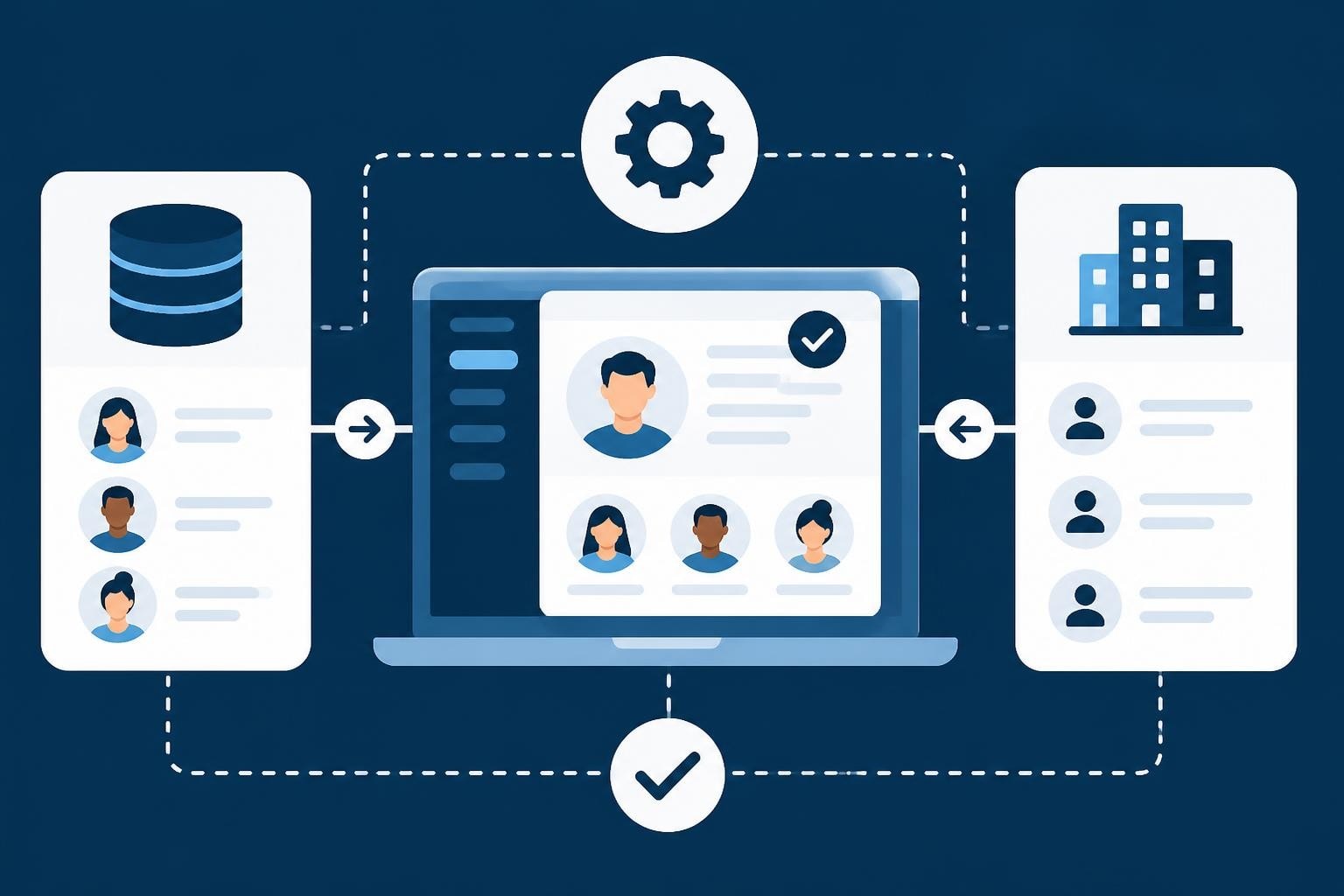
Staffing agencies operate in a competitive environment where speed, accuracy, and candidate quality determine success. The right recruiting software for staffing agencies transforms manual processes into streamlined workflows, enabling recruiters to manage higher volumes while maintaining placement quality. Modern platforms integrate artificial intelligence, applicant tracking systems, and candidate validation tools to create comprehensive recruitment ecosystems. As the staffing industry evolves in 2026, understanding which features matter most and how to implement them effectively becomes essential for agencies aiming to scale operations and deliver exceptional service to clients.
Core Features That Define Modern Recruiting Software
Recruiting software for staffing agencies must address multiple operational challenges simultaneously. The most effective platforms combine applicant tracking, customer relationship management, and business intelligence into unified systems.
Applicant Tracking System Capabilities
A robust applicant tracking system forms the foundation of any recruiting platform. These systems organize candidate data, track applications through various stages, and maintain searchable databases of talent pools. Modern ATS platforms offer parsing technology that extracts information from resumes automatically, reducing data entry time by up to 75%.
Key ATS functionalities include:
- Resume parsing with intelligent field recognition
- Custom pipeline stages tailored to agency workflows
- Boolean search capabilities for precise candidate matching
- Automated status updates and candidate communications
- Integration with job boards and social media platforms
The ATS should enable recruiters to move candidates efficiently through screening, interviewing, placement, and onboarding stages while maintaining complete visibility across all active requisitions.

Client Relationship Management Tools
Staffing agencies serve two customer bases simultaneously: candidates seeking opportunities and companies requiring talent. Effective recruiting software for staffing agencies includes CRM functionality designed specifically for managing client accounts, job orders, and placement history.
| CRM Feature | Business Impact | Priority Level |
|---|---|---|
| Account hierarchies | Manage complex client organizations | High |
| Job order tracking | Monitor active requirements and fill rates | Critical |
| Contact management | Maintain relationships across multiple stakeholders | High |
| Activity logging | Document all client interactions automatically | Medium |
| Revenue forecasting | Predict placements and commission structures | High |
These CRM capabilities enable agencies to nurture long-term client relationships while optimizing placement strategies based on historical data and client preferences.
Artificial Intelligence and Automation Advantages
The integration of AI technologies has revolutionized how recruiting software for staffing agencies operates. Machine learning algorithms analyze candidate qualifications, predict job fit, and automate repetitive tasks that previously consumed significant recruiter time.
Intelligent Candidate Matching
Advanced platforms leverage AI to match candidates with job requirements based on skills, experience, location preferences, and cultural fit indicators. According to recent research on multi-agent AI systems in recruitment, these technologies can significantly improve transparency and fairness in hiring decisions when properly implemented.
The matching process considers:
- Hard skills alignment through keyword analysis and certification verification
- Experience levels matched against job seniority requirements
- Geographic preferences and relocation willingness
- Compensation expectations compared to client budgets
- Industry background and domain expertise relevance
Platforms like Augmnt ATS go further by incorporating candidate fraud detection into the matching process, ensuring that only verified, qualified candidates reach the submission stage. This validation layer protects agency reputation and reduces time wasted on unqualified applicants.
Resume Fraud Detection and Verification
One of the most significant challenges staffing agencies face involves validating candidate credentials and experience claims. Recruiting software equipped with fraud detection capabilities analyzes resumes for inconsistencies, verifies employment history, and flags potential misrepresentations before submissions occur.
Modern verification systems employ natural language processing to identify suspicious patterns, cross-reference claims against public databases, and assess the authenticity of educational credentials. Studies on expert systems for IT specialist recruitment demonstrate how text mining and NLP integration can enhance screening accuracy substantially.
Essential Integration Capabilities
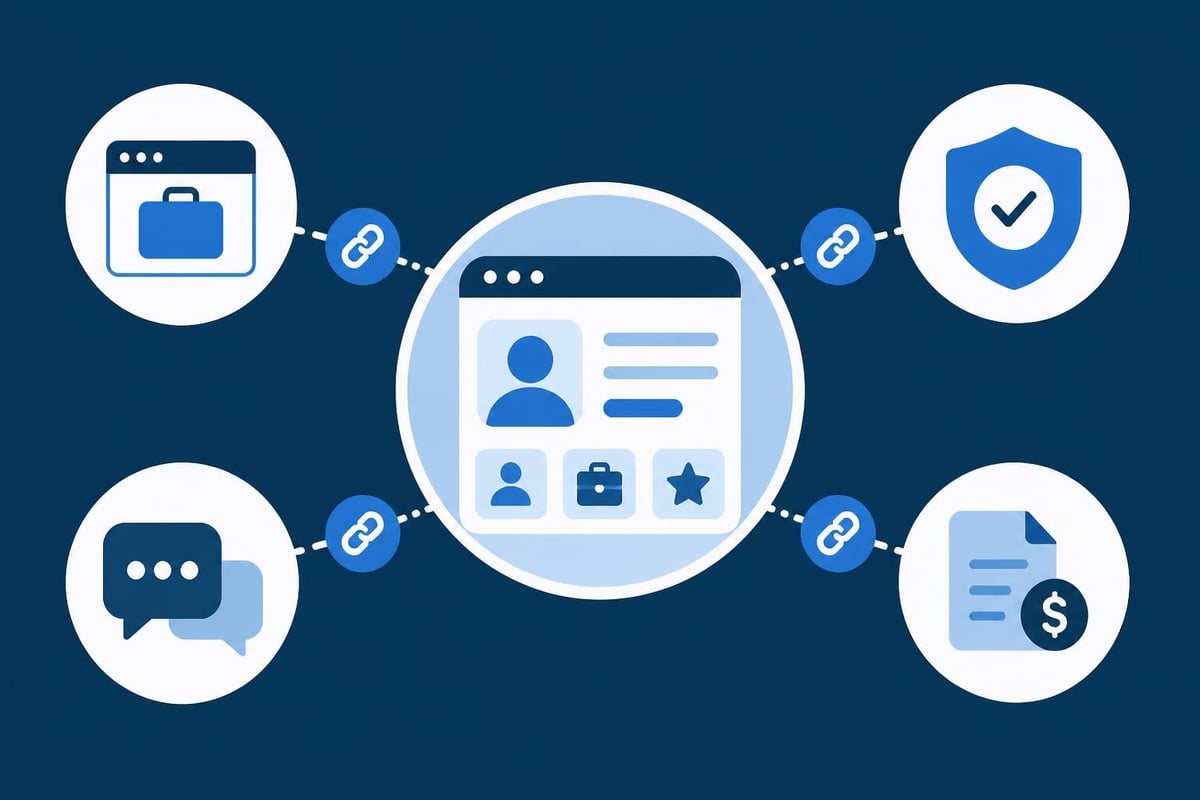
No recruiting platform operates in isolation. Staffing agencies require software that connects seamlessly with job boards, background check providers, payroll systems, and communication tools.
Job Board and Sourcing Channel Connections
Effective recruiting software for staffing agencies automatically posts positions to multiple job boards, aggregates applications from various sources, and attributes candidate origins for ROI analysis. Premium platforms offer:
- One-click posting to Indeed, LinkedIn, Glassdoor, and niche boards
- Programmatic job advertising with budget management
- Social media recruitment campaign integration
- Application source tracking and performance analytics
- Automatic job renewal and reposting schedules
These integrations expand candidate reach while maintaining centralized application management through a single interface.
Background Screening and Compliance Tools
Staffing agencies must navigate complex compliance requirements across industries and jurisdictions. Recruiting software should facilitate background checks, drug screening, and credential verification through integrated vendor partnerships.
Compliance management features:
- Automated background check initiation at designated pipeline stages
- FCRA-compliant adverse action workflows
- Right-to-work documentation and I-9 management
- Industry-specific certification tracking (healthcare, finance, etc.)
- Audit trails documenting all compliance activities
Platforms that integrate with existing ATS systems provide flexibility for agencies already using specific compliance vendors while maintaining workflow efficiency.
Mobile Accessibility and Communication Features
The modern recruitment lifecycle demands constant connectivity between recruiters, candidates, and clients. Recruiting software for staffing agencies must deliver full functionality through mobile applications that enable work from anywhere.
Mobile Application Requirements
Recruiters need to review candidate profiles, submit candidates to clients, and communicate updates while attending networking events, traveling between meetings, or working remotely. Mobile apps should mirror desktop functionality with optimized interfaces for smaller screens.
Critical mobile capabilities include candidate profile viewing, resume access, status updates, messaging integration, interview scheduling, and offer management. Push notifications alert recruiters to time-sensitive events like candidate responses, client feedback, or approaching deadlines.
Multi-Channel Communication Systems
Modern candidates expect communication through their preferred channels, whether email, text messaging, or messaging apps. Recruiting software should consolidate all communication threads into candidate records regardless of the channel used.
| Communication Method | Use Case | Response Rate |
|---|---|---|
| SMS/Text | Interview reminders, quick updates | 85-95% |
| Formal communications, document sharing | 40-60% | |
| In-app messaging | Platform-native conversations | 65-75% |
| Video conferencing | Virtual interviews, consultations | 70-80% |
| Phone calls | Complex discussions, relationship building | 55-70% |
Automated communication sequences nurture candidate relationships throughout the placement process while reducing manual outreach requirements. According to TechRadar's review of recruitment platforms, automation features significantly differentiate top-performing solutions in 2026.
Analytics and Reporting Capabilities
Data-driven decision making separates thriving staffing agencies from struggling competitors. Recruiting software for staffing agencies must provide comprehensive analytics covering recruitment metrics, business performance, and operational efficiency.
Performance Metrics Dashboard
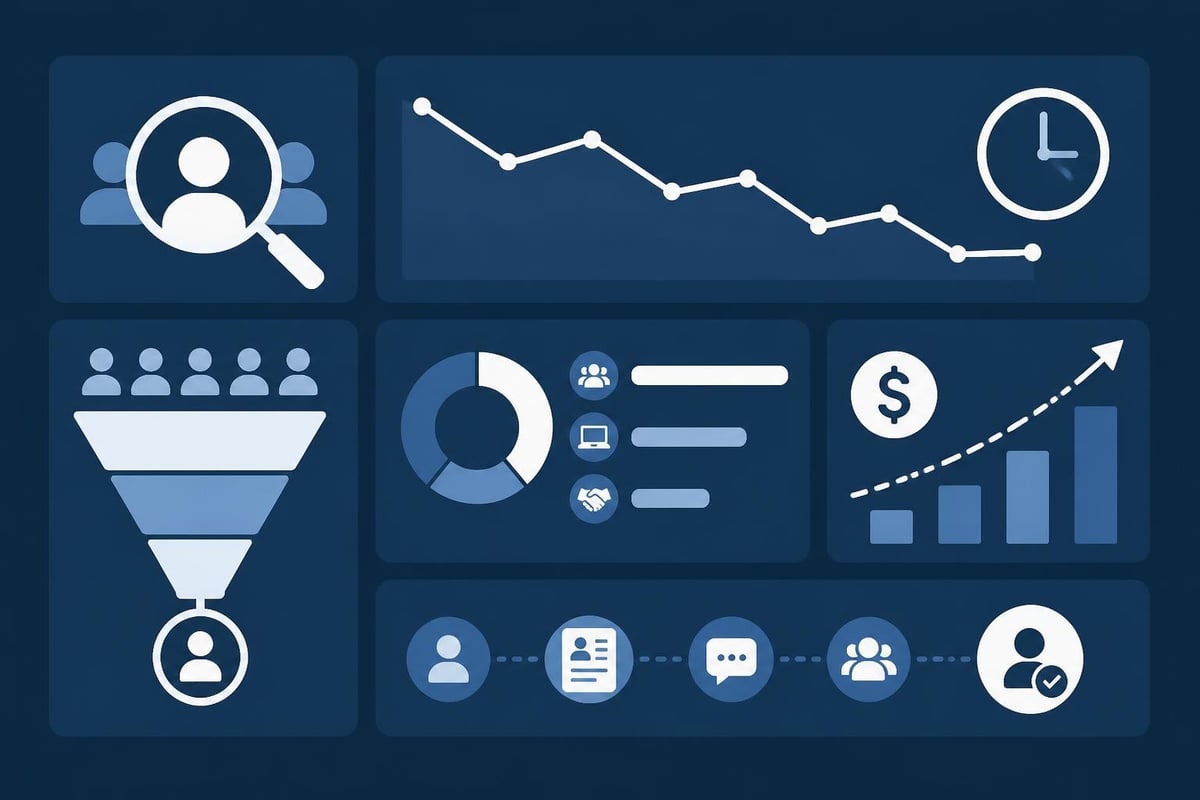
Real-time dashboards should display key performance indicators including time-to-fill, submission-to-placement ratios, client satisfaction scores, recruiter productivity metrics, and revenue per placement. Customizable views allow agency leadership to monitor metrics relevant to their specific business model and strategic goals.
Advanced reporting capabilities enable:
- Pipeline analysis showing conversion rates at each recruitment stage
- Source effectiveness measuring candidate quality by origination channel
- Client profitability tracking revenue and effort investment by account
- Recruiter performance comparing individual and team productivity
- Forecasting models predicting placements and revenue based on pipeline health
These insights inform strategic decisions about marketing spend, recruiter hiring, niche specialization, and client relationship investments.
Onboarding and Payroll Integration
For staffing agencies placing contract workers or managing direct hire onboarding, recruiting software must extend beyond placement to include onboarding workflows and payroll processing capabilities.
Digital Onboarding Workflows
Automated onboarding reduces time-to-productivity while ensuring compliance documentation completeness. Digital workflows guide new hires through tax forms, direct deposit setup, policy acknowledgments, and training completion tracking.
Research on sustainable onboarding models emphasizes the importance of structured processes that adapt to individual learning curves while maintaining consistency across placements. Recruiting platforms should support customizable onboarding checklists that vary by client, position type, or industry requirements.
Payroll and Time Tracking Systems
Agencies placing contract workers require integrated time tracking, expense management, and payroll processing. Recruiting software for staffing agencies should either include these capabilities natively or integrate seamlessly with established payroll providers.
Essential payroll features include timesheet submission and approval workflows, overtime calculation and compliance, invoice generation linked to time records, contractor payment processing, and tax withholding management for W-2 employees.
Selecting the Right Platform for Your Agency
Choosing recruiting software requires careful assessment of agency size, specialization, growth trajectory, and existing technology infrastructure. The decision process should evaluate both immediate needs and future scalability requirements.
Vendor Evaluation Criteria
Assessment areas include:
- Pricing structure: Per-user licensing, per-placement fees, or flat monthly rates
- Implementation timeline: Setup duration and resource requirements
- Training requirements: Learning curve and ongoing support availability
- Customization options: Ability to tailor workflows to agency processes
- Data migration: Process for transferring existing candidate and client databases
- Vendor stability: Company financial health and product development roadmap
Agencies should request demonstrations focused on their specific workflows, involve recruiters in evaluation decisions, and verify reference customers operating in similar market segments. Platforms offering flexible pricing models often provide better alignment with agency growth patterns.
Implementation Best Practices
Successful software implementation requires executive sponsorship, dedicated project management, phased rollout strategies, comprehensive training programs, and ongoing optimization based on user feedback.
Start with core ATS functionality before activating advanced features. This approach allows teams to build competency with essential workflows before introducing automation, AI matching, or complex integrations. Establish success metrics during implementation planning to measure adoption rates, productivity improvements, and return on investment.
Consider platforms that offer Chrome extensions and browser-based tools that reduce friction when sourcing candidates from LinkedIn, job boards, or company websites.
Industry-Specific Considerations
Different staffing niches require specialized functionality. Recruiting software for staffing agencies should accommodate the unique requirements of target industries.
Technology and IT Staffing
IT staffing demands skills taxonomy that keeps pace with emerging technologies, technical assessment integration for coding challenges and skill validation, security clearance tracking for government contractors, and certification management for industry credentials.
Advanced staffing and profiling systems demonstrate how specialized algorithms can optimize personnel management in technical fields through more nuanced skill matching.
Healthcare Staffing
Healthcare agencies require license verification and expiration tracking, credential management for specialty certifications, compliance documentation for HIPAA and industry regulations, shift scheduling and availability management, and mandatory training completion tracking.
Manufacturing and Industrial Staffing
Manufacturing placements benefit from safety certification tracking, drug screening workflow integration, skill-based matching for equipment operation, multi-shift availability management, and workers' compensation claim tracking.
Future Trends Shaping Recruitment Technology
The recruiting software landscape continues evolving rapidly. Staffing agencies should monitor emerging trends that will influence platform capabilities and competitive dynamics.
Artificial intelligence will expand beyond matching into interview scheduling negotiation, offer letter generation and customization, onboarding content personalization, and career development recommendations for placed candidates. Predictive analytics will forecast candidate retention likelihood, identify flight risks among placed contractors, and recommend intervention strategies to reduce placement failures.
Blockchain technology may revolutionize credential verification, creating immutable records of education, certifications, and employment history that reduce fraud while streamlining validation processes. This technology aligns with the verification focus that platforms like those available through HR recruiters and talent acquisition teams already prioritize.
Video interviewing platforms will integrate more deeply with recruiting software for staffing agencies, enabling AI-powered interview analysis, sentiment detection, and behavioral assessment. These tools supplement human judgment while standardizing evaluation criteria across candidates.
Selecting and implementing the right recruiting software fundamentally determines staffing agency efficiency, placement quality, and competitive positioning. The platforms that combine intelligent automation with comprehensive candidate validation deliver the greatest value by reducing time-to-placement while protecting agency reputation. Augmnt addresses these critical needs through AI-powered matching and fraud detection that ensures businesses connect only with verified, qualified professionals, streamlining the entire recruitment lifecycle from sourcing through placement.