Proxy Interview Meaning Guide: What It Is and How It Works 2026
The job market is seeing a rapid rise in proxy interview practices, creating heated debates about fairness and ethics. As technology advances and remote hiring becomes the norm, identifying these deceptive methods is more challenging than ever.
Understanding proxy interview meaning is critical for job seekers, employers, and recruiters in 2026. This guide will define proxy interviews, explain how they operate, highlight the risks, offer detection strategies, examine legal and ethical issues, and share best practices to prevent them.
What Is a Proxy Interview?
Understanding the proxy interview meaning is essential for anyone involved in the hiring process in 2026. As the job landscape evolves, so do the methods used by job seekers and hiring managers. Proxy interviews have become a complex challenge, especially in tech-driven and remote work environments.
Definition and Core Concept
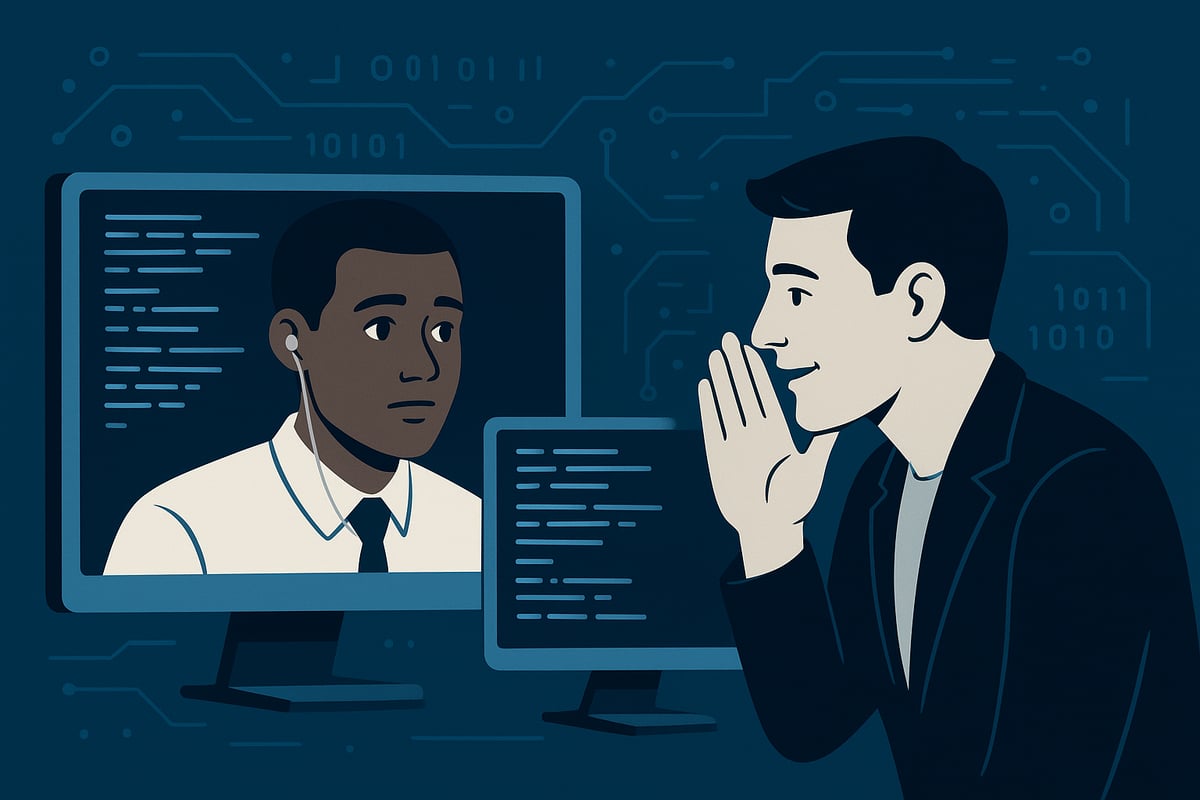
At its core, the proxy interview meaning refers to a situation where someone other than the actual candidate participates in a job interview, impersonating them either live or through a pre-recorded session. This is fundamentally different from legitimate coaching or interview preparation, where the candidate receives guidance but attends the interview themselves.
Proxy interviews typically fall into three categories:
- Live (real-time): The proxy joins the interview as the candidate, often using video or voice masking.
- Recorded: The proxy records answers to likely questions, which are then submitted as the candidate's own.
- Hybrid: A mix of live and pre-recorded content, sometimes aided by technology.
These practices are especially common in industries such as IT, software development, and remote technical roles. For example, a software developer might hire a more skilled professional to attend a technical interview on their behalf, particularly for roles requiring advanced programming or system design skills.
Recent studies highlight the growing concern. According to SHRM, there was a 12% increase in tech hiring fraud cases in 2023, much of which involved proxy interviews. The motivations for engaging in these practices are varied. Some candidates feel pressure to secure a job at any cost, while others lack the required technical skills or struggle with language barriers.
For employers, the proxy interview meaning translates into significant risks, including hiring unqualified employees and facing project setbacks. For candidates, it can mean short-term gain but long-term career damage if discovered.
Evolution of Proxy Interviews in the Digital Age
The rise of remote work and virtual hiring platforms has dramatically changed the proxy interview meaning. Technology now enables more sophisticated forms of impersonation. Collaboration tools, remote desktop access, and advanced communication channels, such as encrypted chat apps and discreet earpieces, are commonly employed.
A notable trend is the use of AI voice technology and even deepfakes. These tools allow proxies to closely mimic the candidate’s voice, accent, and mannerisms, making detection more challenging for recruiters. In some high-profile cases from 2024 to 2026, international proxy interview rings have leveraged these innovations to operate across borders, targeting roles in North America, Europe, and Asia.
Industries most impacted include software engineering, data analytics, and cloud computing—fields where technical assessments are central. According to Proxy Interview Trends 2025, the incidence of proxy interviews in remote technical roles has risen sharply, with both employers and job seekers adapting to new tactics.
Understanding the proxy interview meaning in this digital context helps employers and recruiters develop effective detection and prevention strategies. It also highlights the need for robust verification processes to ensure the authenticity of every candidate and protect the integrity of the hiring process.
How Proxy Interviews Work: Step-by-Step Process
Proxy interview meaning has become a serious concern for employers and recruiters as digital hiring grows. Understanding the detailed workflow of a proxy interview is essential for preventing fraud and ensuring fair talent acquisition. The following step-by-step breakdown reveals how proxy interviews typically unfold in practice.

Step 1: Candidate Signs Up for a Proxy Service
The proxy interview meaning starts with candidates seeking out underground services that specialize in impersonation during job interviews. These services operate on hidden online forums, encrypted messaging apps, and even dark web marketplaces.
Candidates are matched with experienced proxy interviewers based on the job's requirements and technical demands. Many of these networks offer tiered pricing and guarantees of success, reflecting the sophistication of their operations. For a deeper dive into how these networks function, read the Proxy Interview Networks Analysis.
Step 2: Preparation and Script Sharing
Once a match is made, the candidate provides the proxy with their resume, job description, and any technical assessments expected during the interview. The proxy studies the candidate's background in detail, learning about their work history, skills, and even personal experiences to craft convincing responses.
Scripts, sample answers, and anticipated questions are exchanged. The proxy interviewer practices mimicking the candidate's tone and communication style. This preparation ensures that the proxy interview meaning is not limited to technical skills but extends to behavioral and situational responses as well.
Step 3: Technical Setup and Communication Channels
A crucial step in the proxy interview meaning process is setting up secure communication and technical tools. Proxies often use:
- Remote desktop software to control the candidate's screen
- Video call masking tools to alter appearance or background
- Earpieces and hidden microphones for real-time coaching
- Encrypted chat apps for discreet messaging
These measures help proxies avoid detection and maintain a seamless impersonation. Security protocols are updated constantly to counter new verification methods introduced by employers.
Step 4: The Interview Execution
During the interview, the proxy takes over, either by logging in directly or guiding the candidate in real time. The proxy interview meaning here becomes clear, as the impersonator answers questions, demonstrates technical skills, and interacts with interviewers as if they were the original applicant.
In remote settings, proxies may use advanced audio or video technologies to mimic the candidate's voice or appearance. In rare in-person cases, elaborate setups with wireless devices and hidden prompts are used, but most proxy interviews now occur virtually due to easier concealment.
Step 5: Post-Interview Follow-Up
After the interview, the proxy shares detailed feedback, notes, and any questions asked with the real candidate. Payment for the service is typically handled through untraceable digital channels.
There is always a risk of exposure if the candidate is unable to perform as expected during onboarding. This final step in the proxy interview meaning chain underscores the ongoing risk for both parties involved.
Notable Examples and Statistics
Proxy interview meaning has real-world implications. In 2025, authorities dismantled a major proxy interview ring that had facilitated hundreds of fraudulent hires in global tech companies. According to LinkedIn Hiring Trends, 18% of surveyed employers in the tech sector reported suspected proxy interviews during their hiring cycles.
A table summarizing key statistics:
| Year | % of Employers Reporting Proxy Interviews | Notable Incidents |
|---|---|---|
| 2024 | 12% | Rise in tech hiring fraud cases |
| 2025 | 18% | Major proxy ring busted |
These figures highlight the growing sophistication and frequency of cases, reinforcing the need to understand proxy interview meaning at every step.
Risks and Consequences of Proxy Interviews
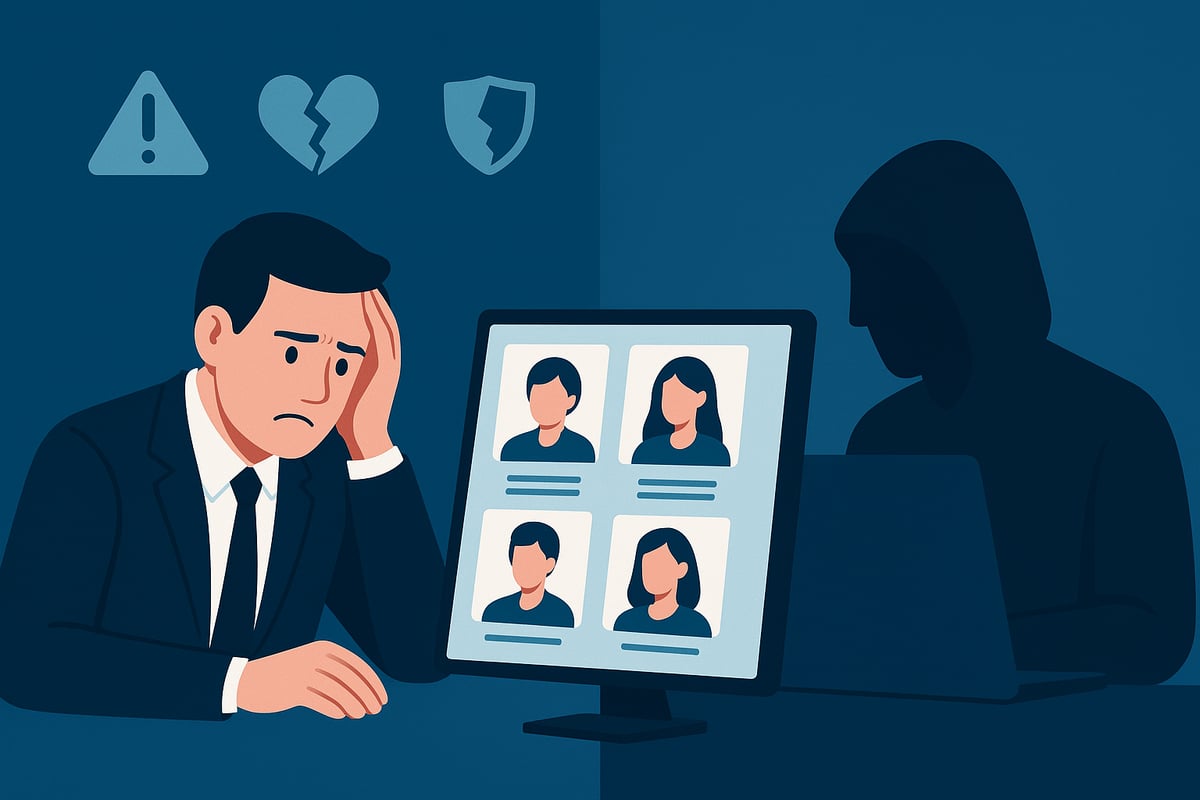
Proxy interview meaning goes far beyond simple dishonesty. The risks and consequences ripple across every part of the hiring ecosystem. Employers, candidates, and recruitment agencies all face significant challenges when proxy interviews occur.
For Employers
For employers, the proxy interview meaning often translates into direct and indirect business risks. When unqualified individuals secure roles through deception, project quality suffers. Performance can drop, leading to missed deadlines and client dissatisfaction.
Financial losses are common. Onboarding, training, and early attrition all cost time and money. Reputational damage is another concern. If word spreads that a company is vulnerable to hiring fraud, future candidates and clients may lose trust.
Team morale can also take a hit. When proxy interview meaning becomes reality, genuine staff may feel frustrated working alongside underqualified hires. This leads to decreased productivity and higher turnover.
- Quality risks: project failure, poor deliverables
- Financial setbacks: wasted resources on hiring and training
- Reputational harm: loss of trust among clients and partners
For Job Seekers
Job seekers involved in proxy interviews face serious consequences. The proxy interview meaning includes legal risks, such as breach of contract or even lawsuits if deception is discovered. In some cases, authorities may pursue criminal charges.
Career prospects can be damaged for years. Candidates caught using proxies may be blacklisted from entire industries. The loss of future opportunities is significant, and rebuilding a reputation is challenging.
Ethically, the proxy interview meaning undermines personal integrity. Even if a candidate avoids detection, they carry the risk of exposure at any moment. This creates ongoing stress and uncertainty.
- Legal risks: lawsuits, breach of contract
- Career harm: blacklisting, damaged reputation
- Ethical concerns: loss of trust, internal conflict
For Recruitment Agencies
Recruitment agencies are not immune to the consequences of proxy interviews. The proxy interview meaning for agencies is a threat to their credibility and client relationships. If clients discover fraudulent placements, agencies may lose valuable contracts.
Vetting candidates becomes more expensive and time-consuming. Agencies must invest in advanced screening processes to counteract proxy risks. This increases operational costs and reduces profit margins.
Trust is the foundation of recruitment. When proxy interview meaning impacts an agency's reputation, it can be difficult to recover lost business.
- Compromised credibility with clients
- Increased due diligence costs
- Risk of contract loss
Industry Data and Examples
Recent industry data highlights the seriousness of proxy interview meaning. According to TechRecruiter Insights (2024), one in seven IT recruiters encounters at least one proxy interview attempt per quarter. This figure shows how pervasive the issue has become.
A well-known example is Company X, which suffered a failed software project after hiring a developer through a proxy interview. The real candidate lacked the necessary skills, leading to missed milestones and financial loss.
For a comprehensive overview of detection strategies and the growing prevalence of interview fraud, see the Interview Fraud Detection Guide 2025. This resource provides valuable insights and statistics for employers seeking to protect their hiring processes.
| Stakeholder | Key Risks | Consequences |
|---|---|---|
| Employers | Unqualified hires, fraud | Financial loss, reputation |
| Job Seekers | Legal, ethical | Blacklisting, lawsuits |
| Agencies | Lost credibility | Increased costs, lost clients |
Proxy interview meaning is not just a hiring hurdle. It is a multi-layered threat that affects every stakeholder in the recruitment process. Understanding these risks is essential for building safer, more trustworthy hiring practices in 2026.
How Employers and Recruiters Detect Proxy Interviews
Detecting proxy interviews is a top concern for hiring teams in 2026. As the proxy interview meaning becomes more widely understood, employers are investing in advanced techniques to protect their recruitment process. Modern detection methods blend technology, careful observation, and best practices to help recruiters identify fraudulent candidates before they are hired.
Advanced Verification Techniques
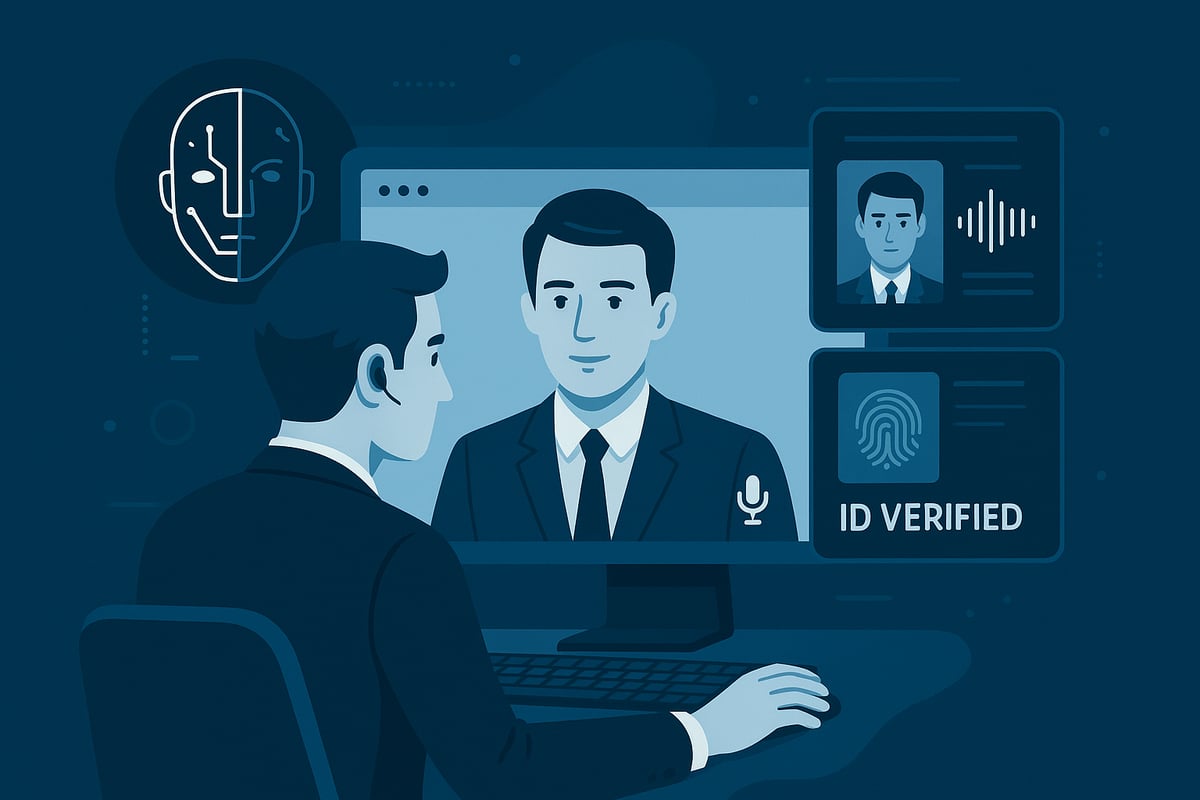
To address the proxy interview meaning, organizations now use multi-factor authentication at every interview stage. Common strategies include real-time ID verification, facial recognition, and biometric checks. Some companies request candidates to display identification live on camera, while others require fingerprint or voice authentication before the interview begins.
Employers also utilize AI-powered video analysis to detect deepfake technology or mismatched voices. Real-time technical assessments, such as live coding or problem-solving tasks, help confirm the candidate's abilities. These steps make it harder for a proxy to impersonate someone successfully and ensure the person being evaluated is genuine.
Behavioral and Technical Red Flags
Understanding the proxy interview meaning also involves recognizing behavioral and technical warning signs. Recruiters watch for inconsistent answers, hesitation, or over-reliance on scripted responses. Candidates who struggle with spontaneous questions or technical follow-ups may be using a proxy.
Technical red flags include mismatched communication styles between the interview and later onboarding. For example, a candidate who performs exceptionally well during the interview but cannot demonstrate the same skills on the job may raise suspicion. These subtle cues help recruiters identify potential proxy interviews early.
Background and Reference Checks
Comprehensive background and reference checks are essential for addressing the proxy interview meaning. Employers verify the authenticity of resumes, work history, and educational credentials. Directly contacting previous employers and references can reveal discrepancies or confirm the candidate's experience.
Many organizations now use third-party verification services to add another layer of security. These services specialize in uncovering fraudulent claims or mismatches in candidate profiles. By validating every aspect of a candidate's background, recruiters reduce the risk of hiring someone who used a proxy during the interview process.
Technology Solutions
Technology plays a central role in preventing fraud and clarifying the proxy interview meaning for employers. Secure interview platforms now feature anti-fraud tools, such as keystroke analysis, facial mapping, and network activity monitoring. These systems automatically flag suspicious behaviors, like sudden changes in video quality or unauthorized logins.
For detailed strategies and best practices, employers can explore Proxy Interview Detection Methods, which explains how to combine these tools for maximum effectiveness. Leveraging technology ensures interviews remain secure and authentic.
Case Studies and Data
Recent case studies highlight the ongoing challenge of maintaining the integrity of the proxy interview meaning. For instance, a major tech firm detected and blocked five proxy attempts in a single month during 2025. These cases typically involved sophisticated impersonation tactics and advanced technical setups.
Data shows that deploying AI-based screening tools can lead to a 60 percent reduction in proxy interview incidents. This trend demonstrates the value of investing in advanced detection and prevention. Employers who monitor trends and adapt quickly are better equipped to defend against proxy interviews.
The Role of AI-Powered Talent Marketplaces
AI-powered talent marketplaces have transformed how hiring teams address the proxy interview meaning. These platforms offer multi-dimensional candidate validation, including skill assessments, background checks, and real-time behavioral analysis. Automated systems quickly flag inconsistencies or suspicious patterns in candidate profiles.
Employers benefit from faster, more accurate hiring decisions and reduced risk of fraud. However, combining AI with human oversight remains critical. Human recruiters provide context and judgment that technology alone cannot replace. This balanced approach creates a robust defense against proxy interviews.
Legal and Ethical Considerations of Proxy Interviews
The rise of remote hiring has brought new challenges for organizations and job seekers alike. Understanding proxy interview meaning is essential for navigating the legal and ethical landscape in 2026. As companies adapt, the implications of proxy interviews have become more complex, affecting policies, trust, and compliance worldwide.
Legal Implications
Understanding proxy interview meaning is crucial for assessing legal risks. When someone impersonates a candidate, it often violates employment contracts and can be grounds for immediate dismissal. In some cases, criminal charges may apply, especially if falsified documents or stolen identities are involved.
Jurisdictional complexities arise in international hiring. Different countries have varying labor laws, making enforcement challenging. Employers must update contract language and screening processes to address these risks. Legal teams now play a more active role in recruitment to ensure full compliance and reduce exposure to fraud.
Ethical Issues
The proxy interview meaning also raises serious ethical concerns. Using a proxy undermines fairness in hiring and disadvantages honest candidates who compete on their own merit. This practice can erode workplace trust and disrupt company culture.
Employers are responsible for promoting transparent and equitable recruitment processes. Ignoring ethical breaches may harm an organization's reputation and affect employee morale. Maintaining integrity in hiring is not just a best practice but a necessity for long-term success.
Regulatory Trends
With the evolution of remote work, regulatory bodies have responded by introducing new compliance standards. From 2024 to 2026, governments and industry groups have released guidelines to clarify the proxy interview meaning and set expectations for candidate verification.
Key trends include:
- Mandatory multi-factor authentication during interviews
- Requirements for documentation of interview processes
- Regular audits of recruitment practices
According to the HR Policy Association, 23% of companies updated hiring policies to address proxy interviews in 2025. For more on regulatory compliance, the SHRM guide on remote hiring offers additional insights.
Real-World Cases
Recent legal actions highlight the growing focus on proxy interview meaning. In the US and India, authorities have prosecuted proxy interview providers, resulting in fines and even jail time for organizers. These cases set important precedents and deter future fraud.
Industry surveys show tangible policy changes. Companies are now more proactive in updating interview protocols and reporting suspicious activity. The legal and ethical landscape will continue to evolve as technology and hiring practices change.
Best Practices to Prevent Proxy Interviews in 2026
Preventing hiring fraud requires a proactive and multi-faceted approach. Understanding proxy interview meaning is essential for everyone involved in recruitment. The following best practices help employers, recruiters, and candidates address this challenge in 2026.
For Employers and Recruiters
Employers and recruiters must stay vigilant against the risks associated with proxy interview meaning. Key actions include:
- Implementing multi-layered candidate verification, such as ID checks and live technical assessments.
- Using secure, AI-powered interview platforms to detect deepfakes and impersonation attempts.
- Regularly updating interview protocols and training staff on fraud detection.
- Conducting thorough background and reference checks before making offers.
These measures significantly reduce the risk of fraudulent hires. Companies with strong protocols see up to 70% fewer proxy incidents, according to Compliance Weekly, 2026.
For Job Seekers
Understanding proxy interview meaning is crucial for job seekers. Relying on integrity and authentic representation builds long-term career success.
- Focus on honest self-presentation during interviews.
- Invest in legitimate skill development and professional training.
- Avoid services or shortcuts that compromise ethical standards.
Choosing genuine preparation over deceptive practices protects personal reputation and future opportunities.
Collaborative Industry Approaches
Collaboration is vital for addressing proxy interview meaning at scale. Organizations benefit from:
- Sharing data on known fraud attempts and maintaining blacklists.
- Partnering with technology providers for advanced verification tools.
- Participating in industry forums to develop best practices.
For more on collaborative anti-fraud strategies, visit SHRM’s hiring compliance resource.
Future Trends and Recommendations
Emerging technologies will shape how organizations address proxy interview meaning beyond 2026.
- Blockchain and biometrics are increasingly used for candidate authentication.
- AI-driven platforms will offer continuous improvement in fraud detection.
- Industry-wide adoption of new standards is expected to further reduce risks.
Staying ahead of these trends ensures organizations remain resilient against evolving threats.
Example Policies and Guidelines
Clear anti-fraud policies help reinforce the importance of understanding proxy interview meaning. Consider the following sample policy elements:
| Policy Element | Description | Impact |
|---|---|---|
| Multi-Factor Verification | Require ID, biometrics, and live testing | Blocks impersonation |
| AI-Based Screening | Analyze video and voice for anomalies | Detects deepfakes |
| Fraud Reporting System | Encourage staff to report suspicious activity | Increases transparency |
Organizations that adopt comprehensive anti-fraud measures experience a dramatic reduction in proxy incidents, supporting fair and ethical hiring.
As we've explored, proxy interviews are becoming more sophisticated and challenging for employers and candidates alike, especially with evolving technology and remote hiring trends. If you want to stay ahead, it's essential to have a robust and intelligent system for validating candidates and protecting your recruitment process. With Augmnt, you can leverage AI and expert insight to ensure that every candidate is thoroughly vetted, fraud-free, and genuinely qualified. Ready to see how this works in action for your business? Request a Demo and discover a smarter, safer way to hire.