OpenAI Consulting: A Guide for 2026
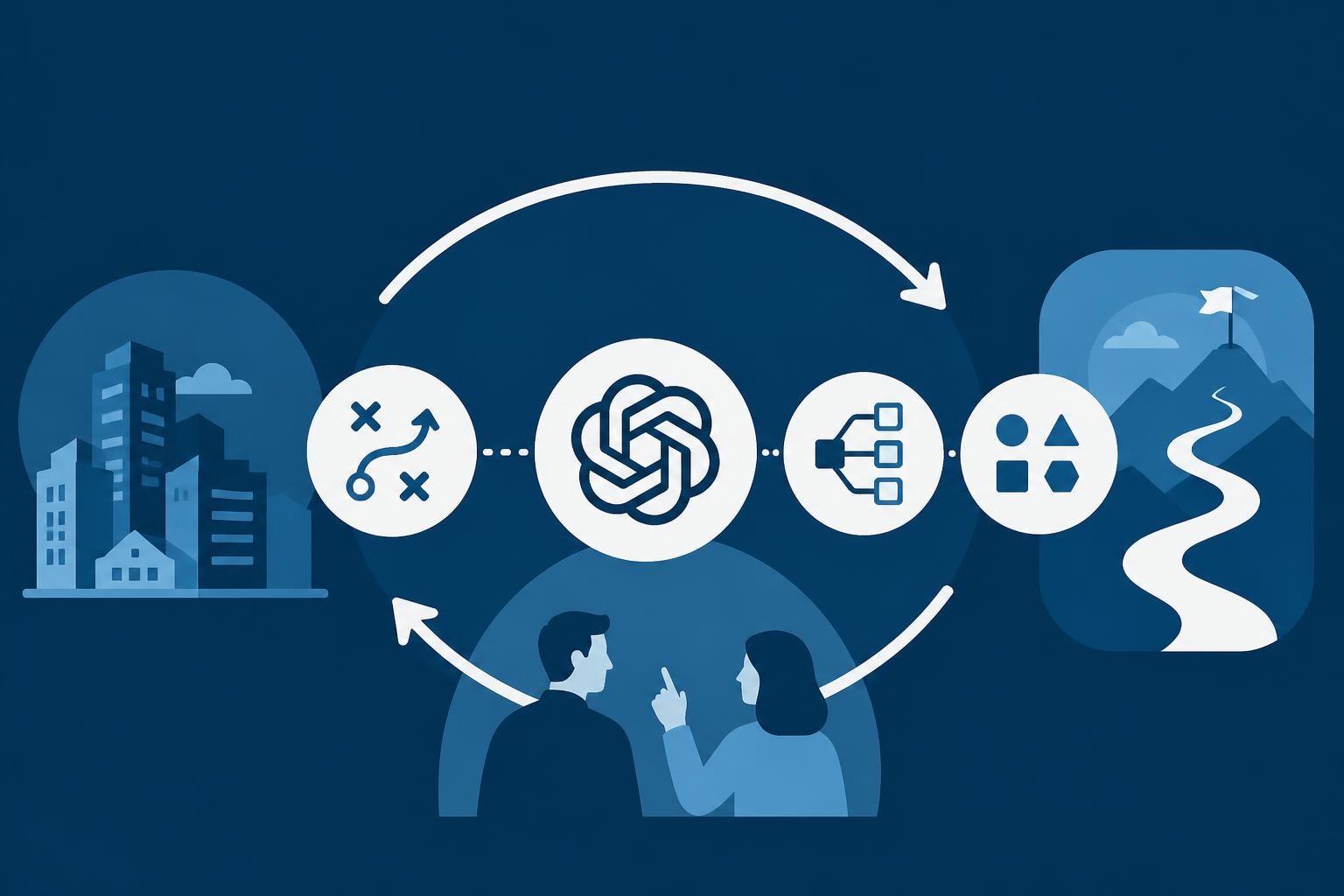
The rapid advancement of artificial intelligence has created unprecedented opportunities for businesses across all industries. As organizations seek to harness the power of OpenAI's technology, the demand for specialized guidance has surged. OpenAI consulting has emerged as a critical service, bridging the gap between cutting-edge AI capabilities and practical business applications. Whether you're implementing ChatGPT for customer service, integrating GPT-4 into your product, or developing custom AI solutions, expert consulting ensures you maximize value while avoiding costly missteps.
Understanding the Scope of OpenAI Consulting
OpenAI consulting encompasses a comprehensive range of services designed to help organizations successfully adopt and implement AI technologies. Consultants in this space bring deep technical expertise combined with business acumen to guide strategic decisions.
The core areas of focus include:
- Strategic AI planning and roadmap development
- API integration and technical implementation
- Model selection and fine-tuning guidance
- Security and compliance advisory
- Performance optimization and cost management
- Training and knowledge transfer
Many businesses underestimate the complexity involved in deploying OpenAI solutions at scale. Major consultancy firms have partnered with OpenAI to help enterprises navigate this terrain, demonstrating the sophisticated nature of enterprise AI adoption.
Technical Implementation Challenges
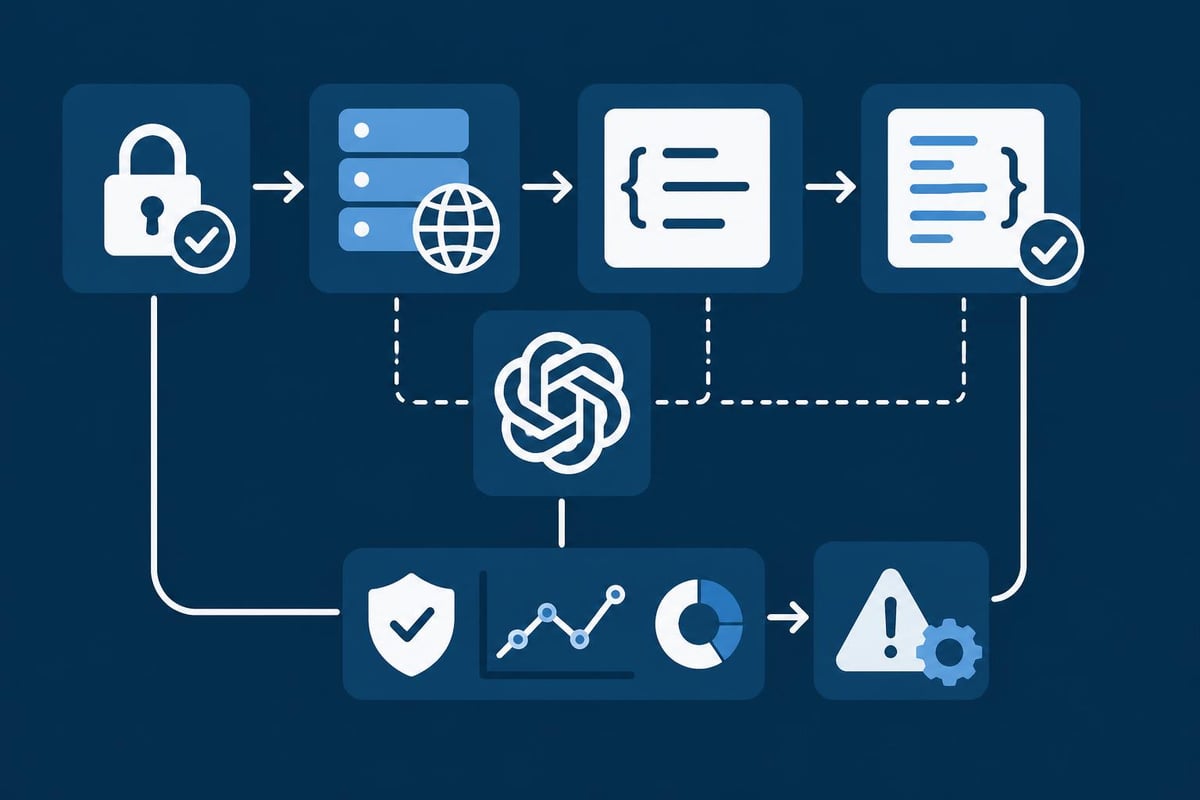
The technical landscape of OpenAI's platform presents unique challenges that consultants help navigate. From API rate limits to prompt engineering best practices, organizations need expertise to build robust solutions. Research shows that developers frequently encounter specific challenges when working with the platform, with common implementation issues documented through API-related discussions that consultants must address proactively.
Key Services Provided by OpenAI Consultants
Assessment and Strategy Development
Before diving into implementation, effective openai consulting begins with thorough assessment. Consultants evaluate your current technology stack, business objectives, and potential AI use cases to develop a tailored strategy.
This assessment phase typically includes:
- Business process analysis to identify automation opportunities
- Technical infrastructure evaluation for integration readiness
- Use case prioritization based on ROI potential
- Risk assessment covering security, privacy, and compliance
- Resource planning for talent and budget allocation
The output is a comprehensive roadmap that aligns AI initiatives with business goals while maintaining realistic timelines and expectations.
Model Selection and Customization
OpenAI offers multiple models, each with distinct capabilities, pricing, and performance characteristics. Consultants guide organizations through this selection process, ensuring the chosen solution matches specific requirements.
| Model Type | Best Use Cases | Key Considerations |
|---|---|---|
| GPT-4 Turbo | Complex reasoning, content creation | Higher cost, superior quality |
| GPT-3.5 Turbo | High-volume applications, chatbots | Cost-effective, fast response |
| DALL-E 3 | Image generation, creative assets | Specialized use case |
| Whisper | Audio transcription, voice interfaces | Accuracy varies by language |
Beyond model selection, openai consulting often involves fine-tuning guidance. Consultants help organizations prepare training data, configure parameters, and evaluate results to create customized models that perform optimally for specific domains.
Integration Architecture and Development
Successful implementation requires thoughtful architectural decisions. Consultants design integration patterns that ensure reliability, scalability, and maintainability while addressing organizational constraints.
Key architectural considerations include:
- Authentication and security protocols to protect API keys and data
- Rate limiting and error handling strategies for production stability
- Caching mechanisms to optimize costs and response times
- Monitoring and logging frameworks for operational visibility
- Fallback systems to maintain service during outages
Platforms focused on AI talent, such as verified AI professionals marketplaces, have become increasingly valuable for organizations seeking implementation expertise beyond initial consulting engagements.
Privacy, Security, and Compliance Guidance
Data privacy represents one of the most critical concerns in AI adoption. OpenAI consulting addresses these challenges head-on, helping organizations implement solutions that meet regulatory requirements while maintaining security best practices.
Data Handling and PII Protection
When organizations process customer data through OpenAI's API, they must carefully consider privacy implications. Research has highlighted concerns about potential personally identifiable information leakage during fine-tuning, making expert guidance essential for compliance-conscious organizations.
Consultants help implement protective measures:
- Data anonymization techniques before API submission
- Secure data transmission protocols
- Retention policy configuration
- Audit trail implementation
- GDPR and CCPA compliance frameworks
Enterprise Security Frameworks
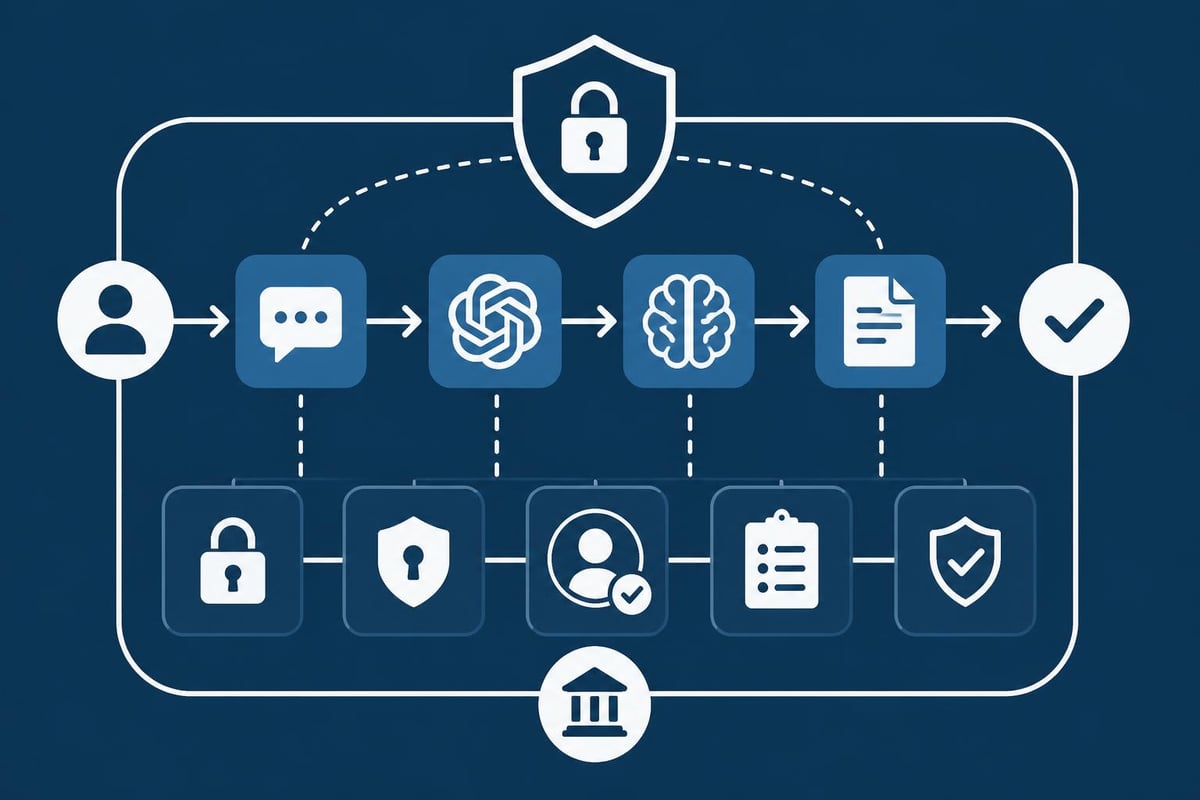
For organizations in regulated industries, openai consulting extends to comprehensive security frameworks. Consultants design architectures that incorporate:
- Zero-trust authentication for API access
- Encryption at rest and in transit for sensitive data
- Role-based access control for team members
- Security incident response procedures
- Regular security audits and penetration testing
These frameworks ensure that AI implementations don't introduce vulnerabilities into existing security postures.
Cost Optimization and Resource Management
OpenAI API costs can escalate quickly without proper management. Experienced consultants bring strategies to control expenses while maintaining performance.
Token Usage Optimization
Understanding token consumption patterns is fundamental to cost management. Consultants analyze usage patterns and implement optimization strategies:
- Prompt engineering to reduce token counts
- Response length limiting where appropriate
- Caching frequently requested completions
- Batch processing for non-real-time applications
- Model selection based on cost-performance tradeoffs
| Optimization Strategy | Potential Savings | Implementation Complexity |
|---|---|---|
| Prompt compression | 20-40% | Low |
| Intelligent caching | 30-60% | Medium |
| Model downgrading | 50-90% | Low |
| Batch processing | 15-25% | Medium |
| Custom fine-tuning | 40-70% | High |
Scaling Strategies
As usage grows, openai consulting helps organizations scale efficiently. This includes implementing tiered architectures where simpler queries use less expensive models, while complex requests leverage advanced capabilities.
Building Internal AI Capabilities
Beyond implementation, forward-thinking openai consulting focuses on knowledge transfer and capability building. Organizations gain the most value when they develop internal expertise rather than remaining dependent on external consultants.
Training and Enablement Programs
Comprehensive training programs cover multiple organizational levels:
- Technical teams learn API integration, prompt engineering, and debugging
- Product managers understand capabilities, limitations, and roadmap planning
- Business stakeholders grasp strategic implications and opportunity identification
- Compliance teams learn privacy considerations and regulatory requirements
For those new to OpenAI's platform, resources like comprehensive API platform tutorials provide foundational knowledge that consultants can build upon.
Documentation and Best Practices
Effective consultants don't just build solutions; they document decisions, create runbooks, and establish best practices. This includes:
- API integration documentation with code examples
- Prompt libraries for common use cases
- Troubleshooting guides for frequent issues
- Performance benchmarking procedures
- Security checklists and review processes
Organizations hiring AI talent through specialized recruitment platforms benefit from having comprehensive documentation that accelerates onboarding and reduces dependency on institutional knowledge.

Advanced Use Cases and Innovation
As organizations mature in their AI journey, openai consulting shifts toward more sophisticated applications and innovative use cases.
Structured Output Implementation
Advanced features like structured outputs enable more reliable integrations. Understanding how to leverage structured output capabilities allows consultants to build deterministic systems that parse AI responses into specific formats, enabling seamless downstream processing.
This capability proves particularly valuable for:
- Automated data extraction from unstructured content
- Form generation with validated fields
- Database population from natural language inputs
- API response formatting for system integrations
Multi-Model Orchestration
Sophisticated implementations often combine multiple AI models and services. Consultants design orchestration layers that:
- Route requests to appropriate models based on content
- Combine outputs from multiple models for enhanced results
- Implement fallback chains when primary models fail
- Balance load across different API endpoints
- Aggregate results for comprehensive responses
Measuring Success and ROI
Effective openai consulting includes establishing metrics and measurement frameworks to demonstrate value and guide continuous improvement.
Key Performance Indicators
Organizations should track both technical and business metrics:
Technical Metrics:
- API response times and latency
- Error rates and failure patterns
- Token usage and cost per request
- Model accuracy and quality scores
- System uptime and availability
Business Metrics:
- Cost savings from automation
- Revenue generated from new capabilities
- Customer satisfaction improvements
- Employee productivity gains
- Time-to-market acceleration
Continuous Improvement Processes
The AI landscape evolves rapidly, with OpenAI regularly releasing new models and features. Consultants establish processes for ongoing optimization:
- Regular performance reviews against benchmarks
- Experimentation frameworks for testing new models
- Feedback loops from users and stakeholders
- Cost analysis and optimization cycles
- Security reviews and compliance updates
Organizations can leverage AI talent marketplaces to access specialists for specific optimization projects as needs evolve beyond initial implementation.
Selecting the Right OpenAI Consultant
With growing demand, the market for openai consulting has expanded significantly. Organizations must carefully evaluate potential partners to ensure successful outcomes.
Essential Qualifications and Experience
Look for consultants with:
- Proven track record with OpenAI API implementations
- Technical certifications and demonstrable expertise
- Industry-specific experience relevant to your domain
- Security and compliance knowledge for regulated environments
- Business acumen to align technical solutions with strategic goals
Validated expertise becomes increasingly important as the market matures. Platforms that provide comprehensive candidate validation help organizations identify truly qualified AI professionals while avoiding resume fraud and inflated credentials.
Engagement Models and Pricing
OpenAI consulting services are typically structured in several ways:
| Engagement Type | Duration | Best For | Typical Cost Range |
|---|---|---|---|
| Assessment & Strategy | 2-4 weeks | Initial planning | $15,000-50,000 |
| Implementation Project | 2-6 months | Specific use case | $50,000-250,000 |
| Ongoing Advisory | 6-12 months | Continuous support | $10,000-30,000/month |
| Training Program | 1-3 days | Knowledge transfer | $5,000-20,000 |
Understanding these models helps organizations budget appropriately and select the right engagement structure for their needs.
Common Pitfalls to Avoid
Even with expert openai consulting, organizations can stumble if they don't address fundamental challenges.
Unrealistic Expectations
AI capabilities, while impressive, have limitations. Consultants should help set realistic expectations about:
- Accuracy levels and error rates
- Response times and latency constraints
- Cost implications at scale
- Maintenance and monitoring requirements
- Edge cases and failure modes
Insufficient Change Management
Technical implementation is only part of the equation. Successful AI adoption requires organizational change management, including stakeholder buy-in, process redesign, and cultural adaptation to AI-augmented workflows.
Neglecting Data Quality
The quality of AI outputs depends heavily on input data quality and prompt design. Organizations that underinvest in data preparation and prompt engineering often see disappointing results, regardless of consultant expertise.
Future Trends in OpenAI Consulting
The consulting landscape continues to evolve as OpenAI releases new capabilities and as enterprise adoption matures.
Emerging Service Areas
Forward-looking consultants are developing expertise in:
- Multi-modal AI combining text, image, and audio
- Agent-based architectures for autonomous task completion
- AI governance frameworks for responsible deployment
- Custom model development beyond fine-tuning
- AI-native product design built around language model capabilities
Industry Specialization
As the market matures, openai consulting is increasingly specialized by industry vertical. Healthcare, financial services, legal, and education sectors each have unique requirements, regulatory constraints, and use cases that demand specialized knowledge.
Organizations seeking specialized expertise should explore partner directories that connect them with industry-focused AI consultants who understand domain-specific challenges.
OpenAI consulting has become essential for organizations seeking to harness AI's transformative potential while navigating technical complexity, security concerns, and implementation challenges. The right expertise accelerates time-to-value and helps avoid costly mistakes that can derail AI initiatives. When you're ready to build a team of verified AI professionals who can execute your OpenAI strategy, Augmnt connects you with qualified experts through intelligent matching and comprehensive candidate validation, ensuring you work with genuine talent rather than inflated resumes.