OpenAI: Reshaping AI Innovation and Business Strategy
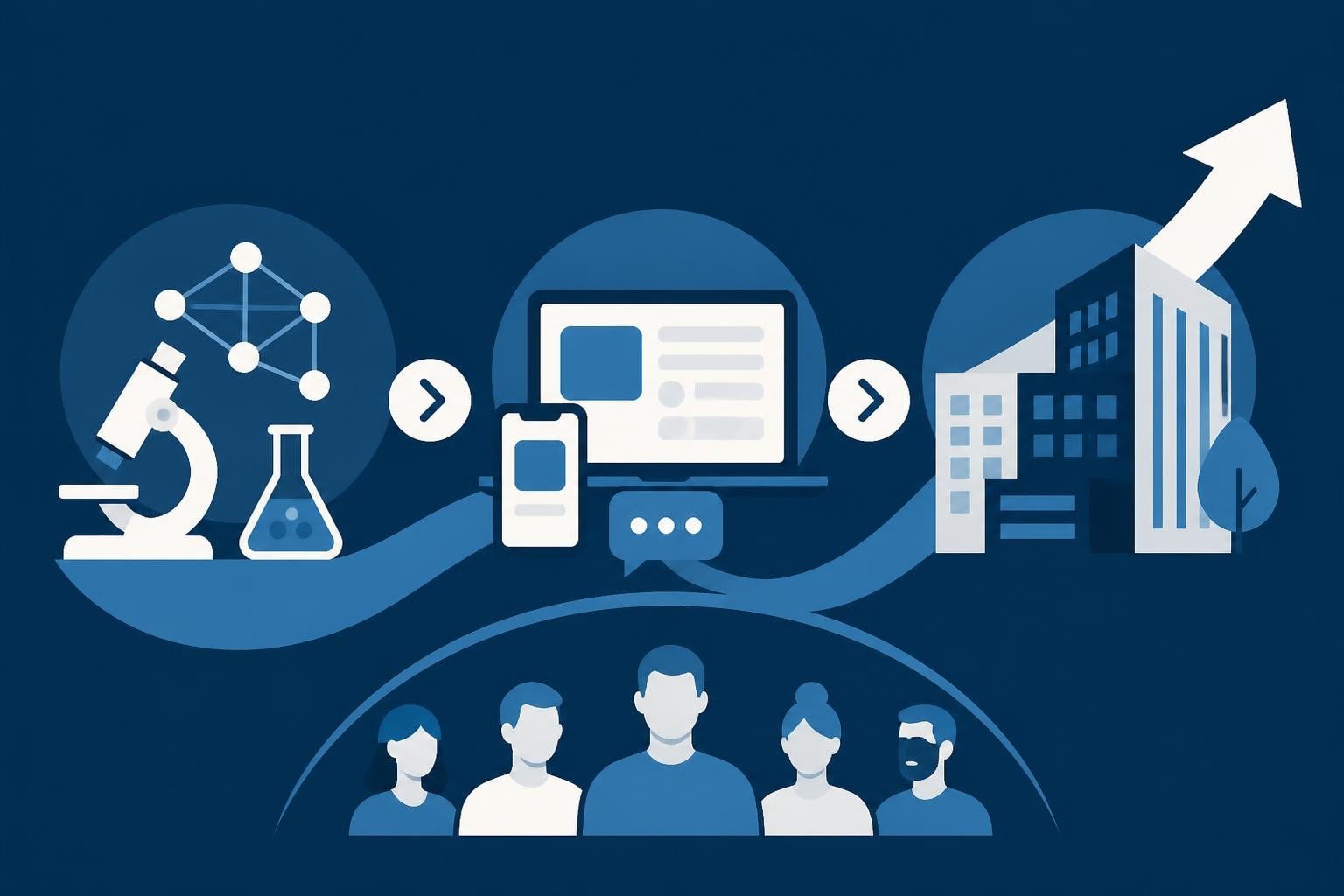
OpenAI has emerged as one of the most influential organizations in artificial intelligence, fundamentally reshaping how businesses approach machine learning, natural language processing, and automated systems. Founded in 2015 as a non-profit research laboratory, OpenAI has evolved into a hybrid entity that balances cutting-edge research with commercial applications, making advanced AI accessible to developers, enterprises, and everyday users. The organization's work spans everything from large language models to autonomous systems, creating ripple effects across industries and establishing new standards for AI development and deployment.
The OpenAI Journey: From Research to Industry Leadership
OpenAI's transformation from a pure research institution to a major player in commercial AI represents a significant shift in the technology landscape. The organization initially focused on developing artificial general intelligence (AGI) in a way that would benefit humanity as a whole, prioritizing safety and ethical considerations alongside technical advancement.
The introduction of GPT (Generative Pre-trained Transformer) models marked a turning point in OpenAI's trajectory. Each successive generation demonstrated exponential improvements in language understanding, reasoning capabilities, and practical applications. GPT-3, released in 2020, showcased unprecedented natural language processing abilities that captured global attention from both technical and non-technical audiences.
Strategic Evolution and Business Model
The shift to a "capped-profit" structure allowed OpenAI to attract significant investment while maintaining its core mission. This hybrid approach enabled the organization to:
- Secure funding for computationally expensive research initiatives
- Compete for top-tier AI talent in a highly competitive market
- Scale infrastructure to support enterprise-level applications
- Balance open research with proprietary development
Recent developments underscore OpenAI's commitment to independence and strategic direction. In 2025, the organization rejected a $97.4 billion bid from Elon Musk, signaling confidence in its current trajectory and valuation potential.

Core Technologies and Product Ecosystem
OpenAI's product portfolio extends far beyond conversational AI, encompassing a diverse range of tools and platforms that serve different market segments. Understanding these offerings provides insight into the organization's technical capabilities and business strategy.
Language Models and API Services
The GPT family of models forms the foundation of OpenAI's commercial success. These models power applications ranging from content generation to code completion, customer service automation to data analysis. The OpenAI API enables developers to integrate these capabilities into their own applications without building models from scratch.
Research shows that developers face various challenges when implementing OpenAI APIs. An empirical study analyzing Stack Overflow discussions reveals common integration issues, authentication challenges, and optimization strategies that the developer community encounters.
| Product Category | Primary Use Cases | Target Audience |
|---|---|---|
| GPT Models | Content creation, conversation, analysis | Developers, enterprises, consumers |
| DALL-E | Image generation, creative design | Designers, marketers, content creators |
| Whisper | Speech recognition, transcription | Media companies, accessibility services |
| Codex | Code generation, software development | Software engineers, development teams |
Security and Safety Innovations
As AI systems become more powerful, security considerations grow increasingly critical. OpenAI has invested heavily in developing tools that identify and mitigate potential vulnerabilities in AI-powered applications.
The recent introduction of Aardvark, an AI-driven security researcher, demonstrates this commitment. Aardvark autonomously detects and fixes software vulnerabilities, representing a significant advancement in automated security testing and remediation.
Impact on Business Operations and Talent Requirements
The proliferation of OpenAI technologies has created new operational paradigms and talent demands across industries. Organizations are reimagining workflows, customer experiences, and product development processes to leverage these capabilities effectively.
Workflow Transformation
Businesses implementing OpenAI technologies typically progress through several stages:
- Exploration: Testing API capabilities through pilot projects
- Integration: Embedding AI features into existing systems
- Optimization: Fine-tuning models for specific use cases
- Scaling: Expanding AI usage across departments and functions
- Innovation: Developing proprietary applications built on OpenAI foundations
Each stage requires different skill sets and strategic considerations. Early adoption focuses on technical integration, while later stages demand deeper expertise in prompt engineering, model optimization, and ethical AI deployment.
The Growing Demand for AI Professionals
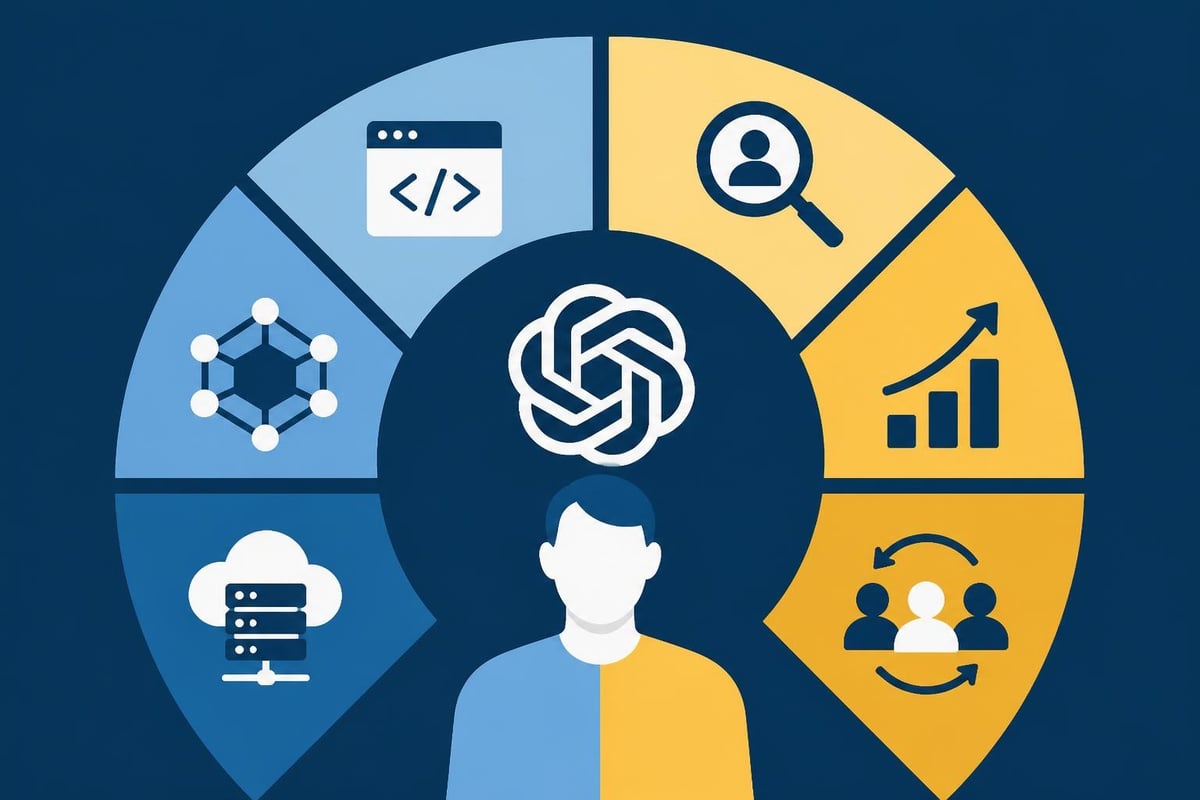
The rapid adoption of OpenAI technologies has created unprecedented demand for professionals who can bridge the gap between AI capabilities and business objectives. Organizations need individuals who understand both the technical aspects of these systems and their practical business applications.
Key roles that have emerged include:
- AI Integration Specialists: Professionals who connect OpenAI APIs with existing enterprise systems
- Prompt Engineers: Experts in crafting effective inputs to maximize model performance
- AI Safety Officers: Specialists ensuring responsible and ethical AI deployment
- ML Operations Engineers: Professionals managing AI infrastructure and deployment pipelines
For companies building AI-driven products or integrating these technologies, finding qualified talent presents a significant challenge. The market is competitive, and distinguishing genuinely skilled professionals from those with inflated credentials requires sophisticated vetting processes. Solutions like Augmnt ATS help organizations navigate this challenge by providing verified matching and candidate fraud detection specifically designed for modern hiring needs.
Industry-Specific Applications and Use Cases
Different sectors have adopted OpenAI technologies in unique ways, creating specialized applications that address industry-specific challenges. Understanding these implementations provides valuable context for organizations considering similar initiatives.
Healthcare and Life Sciences
Healthcare organizations use OpenAI models for:
- Clinical documentation automation, reducing physician administrative burden
- Medical literature synthesis, helping researchers stay current with latest findings
- Patient communication enhancement through intelligent chatbots
- Drug discovery acceleration via pattern recognition in molecular data
These applications require careful consideration of privacy regulations, accuracy requirements, and ethical implications around AI-assisted medical decision-making.
Financial Services
The financial sector has embraced OpenAI technologies for fraud detection, risk assessment, and customer service automation. Banks and fintech companies leverage these models to analyze transaction patterns, generate financial reports, and provide personalized investment advice.
Key considerations in financial applications include:
- Regulatory compliance and auditability requirements
- Data security and privacy protection
- Explainability of AI-driven decisions
- Integration with legacy systems and existing workflows
Software Development and Technology
Technology companies represent both major consumers and innovators in OpenAI applications. Development teams use code generation tools to accelerate software creation, while technology leaders explore how to build entirely new products around AI capabilities.
The impact on software development workflows has been particularly dramatic, with developers reporting productivity gains ranging from 20% to 50% when using AI-assisted coding tools effectively.
Strategic Considerations for OpenAI Adoption
Successfully implementing OpenAI technologies requires more than technical integration. Organizations must consider strategic factors that determine long-term success and return on investment.
Cost Management and ROI Analysis
OpenAI services operate on usage-based pricing models that can scale significantly as adoption grows. Organizations must carefully project costs based on anticipated usage patterns and compare these expenses against expected benefits.
| Cost Factor | Considerations | Mitigation Strategies |
|---|---|---|
| API Usage | Token consumption, request volume | Implement caching, optimize prompts |
| Infrastructure | Computing resources, storage | Use serverless architectures, batch processing |
| Talent | Specialized skills premium | Partner with AI talent marketplaces for flexible staffing |
| Training | Upskilling existing teams | Structured learning programs, hands-on projects |
Risk Management and Governance
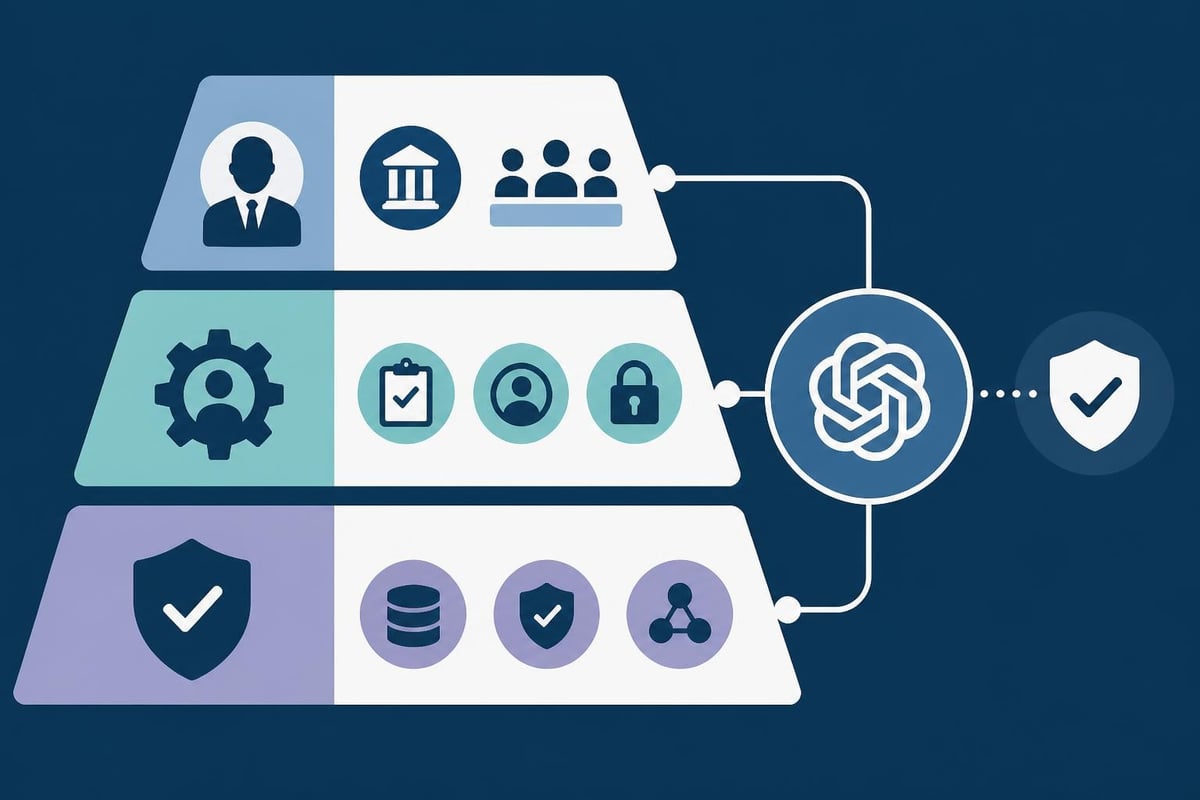
Deploying AI systems introduces new risk categories that require dedicated governance frameworks. Organizations should establish clear policies around:
- Data usage and privacy protection in AI training and inference
- Bias detection and mitigation strategies
- Quality assurance and output validation processes
- Intellectual property considerations for AI-generated content
- Accountability structures for AI-driven decisions
The Competitive Landscape and Market Dynamics
OpenAI operates within an increasingly crowded field of AI providers, each offering distinct advantages and targeting different market segments. Understanding this competitive landscape helps organizations make informed technology decisions.
Major Competitors and Differentiation
While OpenAI pioneered many breakthroughs in large language models, competitors have emerged with alternative approaches:
- Anthropic focuses on AI safety and constitutional AI principles
- Google DeepMind leverages vast computational resources and research heritage
- Meta AI emphasizes open-source models and community-driven development
- Cohere targets enterprise applications with domain-specific optimizations
OpenAI differentiates itself through a combination of technical performance, ease of use, comprehensive documentation, and robust developer ecosystem. The organization's API-first approach has created network effects that strengthen its market position.
Open Source vs. Proprietary Approaches
The debate between open and closed AI development models continues to shape the industry. OpenAI's evolution from fully open research to more proprietary models reflects the tension between transparency and competitive advantage.
Arguments for proprietary models include:
- Better control over safety and misuse prevention
- Sustainable funding for continued research and development
- Ability to provide enterprise-grade support and reliability
- Protection of competitive advantages in a rapidly evolving market
Meanwhile, open-source advocates emphasize transparency, community innovation, and democratized access to AI capabilities.
Future Directions and Emerging Trends
OpenAI's roadmap and broader industry trends suggest several developments that will shape AI adoption in the coming years.
Multimodal AI Integration
The convergence of text, image, audio, and video processing capabilities represents a major frontier. OpenAI's work on multimodal models enables applications that seamlessly combine different data types, creating more natural and powerful user experiences.
These developments will enable:
- Unified content creation platforms that generate coordinated text, images, and video
- Enhanced accessibility tools that translate between modalities for users with different needs
- Sophisticated analysis systems that extract insights from diverse data sources
- Immersive interactive experiences that respond to multiple input types simultaneously
Specialized Domain Models
While general-purpose models demonstrate impressive versatility, the trend toward specialized models optimized for specific industries or tasks is accelerating. Organizations increasingly seek AI solutions tailored to their unique requirements rather than one-size-fits-all approaches.
OpenAI and competitors are responding by offering:
- Industry-specific model variants trained on domain data
- Fine-tuning capabilities that allow customization for particular use cases
- Vertical solutions that package AI capabilities with industry expertise
- Partnership programs that combine technology with implementation support
Autonomous Agents and Workflow Automation
The evolution from reactive AI assistants to proactive autonomous agents represents a significant paradigm shift. These systems don't just respond to queries but actively monitor situations, make decisions, and execute complex multi-step workflows with minimal human intervention.
Early implementations focus on:
- Customer service automation that handles end-to-end issue resolution
- Research assistance that autonomously gathers and synthesizes information
- Business process optimization that identifies and implements efficiency improvements
- Software development that generates, tests, and deploys code with human oversight
Building AI Capability Within Your Organization
Successfully leveraging OpenAI technologies requires organizational capabilities that extend beyond purchasing API access. Companies must develop internal expertise, establish processes, and create cultures that support effective AI adoption.
Team Structure and Skill Development
Organizations typically need a blend of technical and business-focused roles to maximize AI value. Rather than centralizing all AI expertise in a single department, leading companies distribute AI capability across functions while maintaining centers of excellence for deep technical expertise.
Essential team components include:
- Technical specialists who understand model capabilities and limitations
- Business analysts who identify high-value use cases
- Project managers who coordinate cross-functional implementation
- Ethics and compliance professionals who ensure responsible deployment
- Training specialists who build organizational AI literacy
Developing these capabilities internally takes time, making partnerships with specialized providers increasingly valuable for organizations seeking to accelerate their AI initiatives.
Implementation Best Practices
Successful OpenAI deployments share common characteristics regardless of industry or use case. Organizations that achieve strong results typically:
- Start with clearly defined problems rather than technology-first approaches
- Prototype rapidly with small-scale pilots before large-scale deployment
- Establish measurement frameworks to track both technical performance and business impact
- Create feedback loops that continuously improve model performance and user experience
- Document learnings and share knowledge across teams to accelerate adoption
These practices help organizations avoid common pitfalls like over-engineering solutions, underestimating change management requirements, or failing to measure tangible business value.
OpenAI's influence on artificial intelligence development and adoption continues to expand, creating both opportunities and challenges for organizations across industries. As businesses increasingly integrate these technologies into core operations, the need for qualified AI professionals who can effectively bridge technical capabilities with business objectives becomes critical. Augmnt addresses this challenge by connecting companies with verified AI talent through intelligent matching and comprehensive candidate validation, ensuring you find the right professionals to drive your AI initiatives forward with confidence and efficiency.