Open AI: Transforming Business Through Advanced Technology
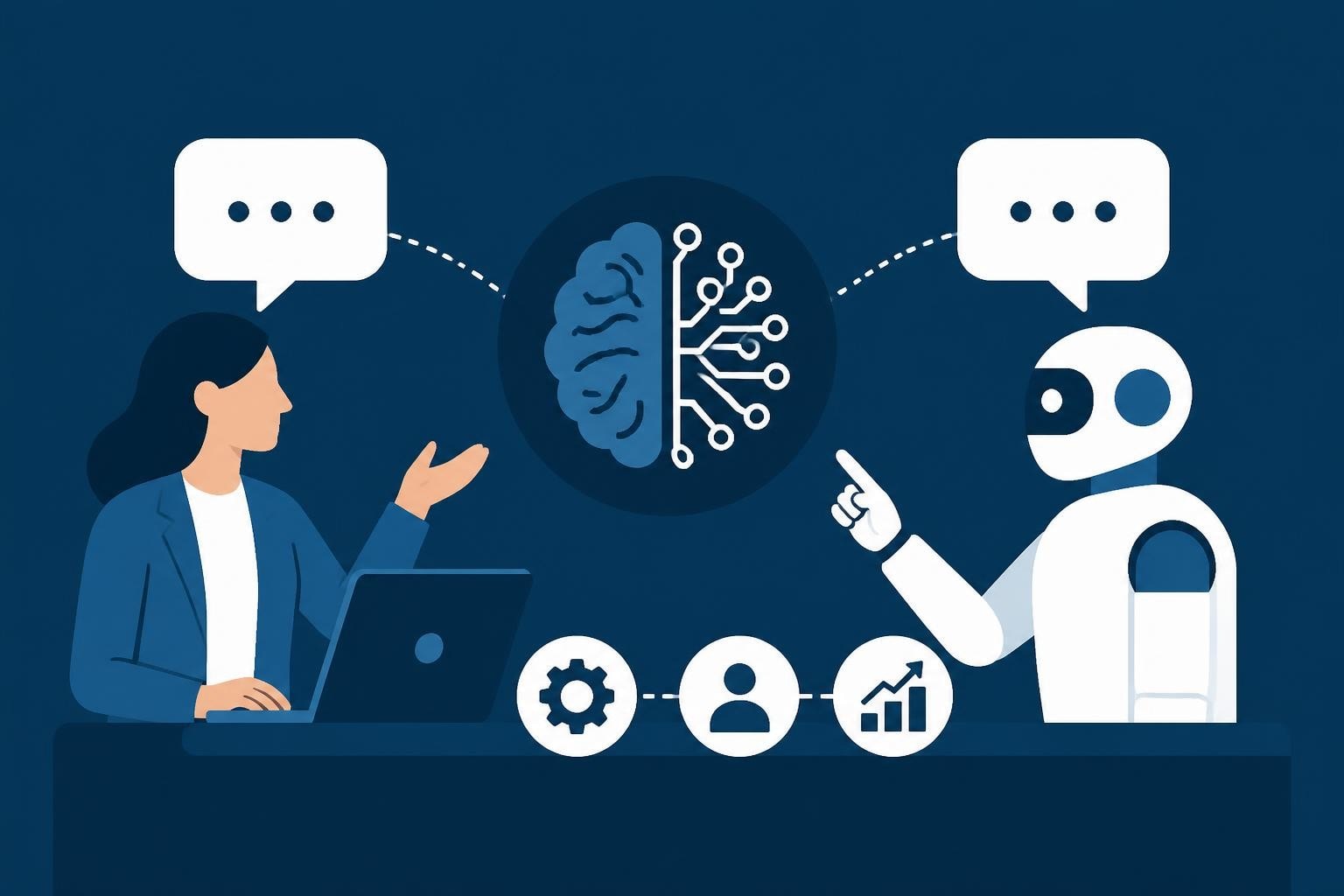
The landscape of artificial intelligence has undergone a dramatic transformation in recent years, with open ai emerging as one of the most influential forces in the industry. As we navigate through 2026, businesses across every sector are discovering how open ai technologies can streamline operations, enhance decision-making, and unlock new possibilities for growth. Understanding the capabilities, applications, and implications of open ai has become essential for organizations seeking to maintain competitive advantage in an increasingly AI-driven marketplace.
Understanding Open AI's Core Technologies
Open ai has developed a suite of advanced language models that fundamentally changed how machines process and generate human language. The flagship GPT series represents the culmination of years of research into transformer architectures and large-scale neural networks. These models demonstrate remarkable capabilities in understanding context, generating coherent text, and performing complex reasoning tasks.
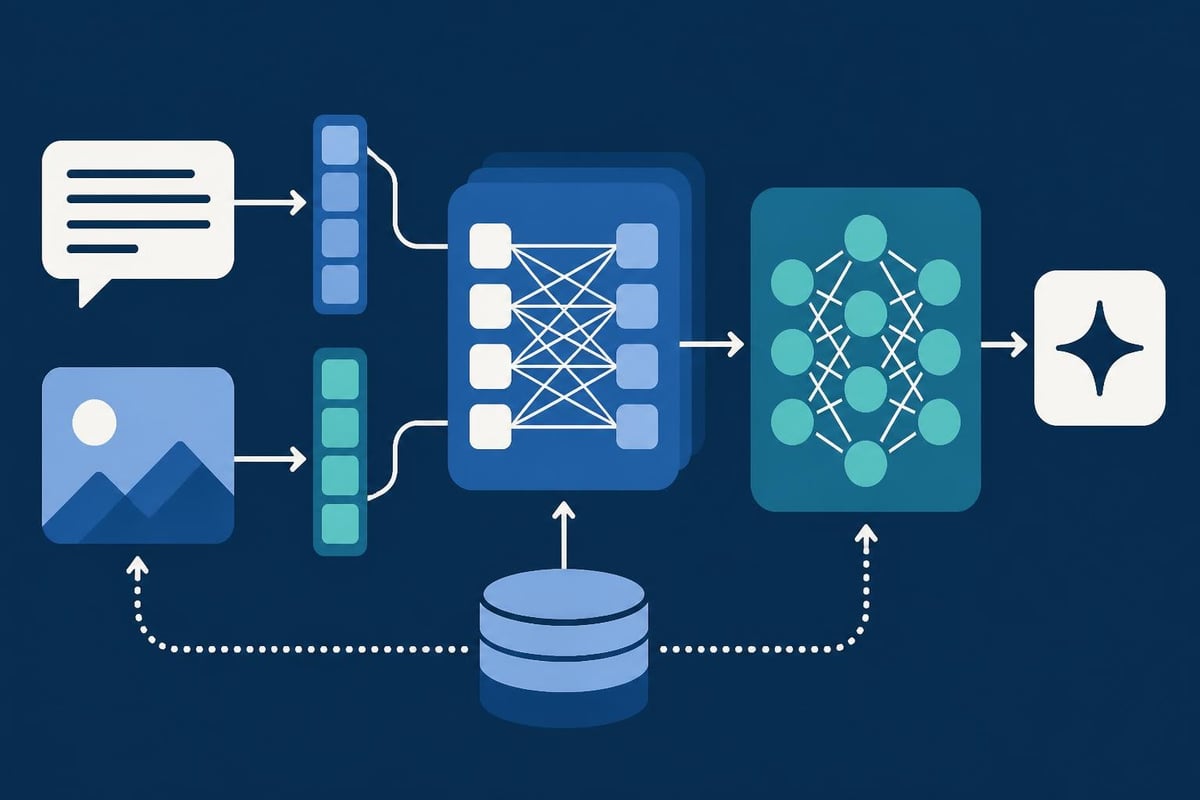
The GPT-4 technical architecture represents a significant leap forward in natural language processing. This model processes both text and images, enabling multimodal applications that were previously impossible. Businesses can now leverage these capabilities for everything from automated customer service to sophisticated data analysis.
Key Components of Open AI Systems
- Transformer Architecture: The foundation that enables parallel processing of sequential data
- Attention Mechanisms: Systems that help models focus on relevant information within large contexts
- Training Datasets: Massive collections of text spanning books, websites, and specialized content
- Fine-tuning Capabilities: Methods for adapting general models to specific business applications
- API Infrastructure: Robust interfaces that allow seamless integration into existing software systems
The power of open ai extends beyond simple text generation. Research has shown that GPT-4 exhibits characteristics of artificial general intelligence, demonstrating versatility across diverse problem-solving scenarios. This adaptability makes it particularly valuable for businesses facing complex challenges.
Business Applications Across Industries
Organizations are finding innovative ways to implement open ai technologies throughout their operations. The versatility of these systems enables applications ranging from mundane automation to strategic decision support.
Talent Acquisition and Human Resources
The recruitment industry has experienced profound changes through open ai integration. Modern hiring platforms now utilize AI to screen resumes, assess candidate fit, and even conduct preliminary interviews. However, these capabilities also introduce new challenges around authenticity and verification.
For companies seeking to hire AI professionals specifically, platforms like Augmnt ATS combine AI-powered matching with comprehensive fraud detection. This dual approach ensures that candidates possess genuine qualifications rather than AI-generated credentials, addressing a growing concern in 2026's talent marketplace.
| Application Area | Open AI Capability | Business Impact |
|---|---|---|
| Resume Screening | Natural language understanding | 70% reduction in initial review time |
| Candidate Assessment | Contextual evaluation | Improved quality of hire metrics |
| Job Description Creation | Content generation | Consistent, bias-reduced postings |
| Interview Scheduling | Conversational AI | Enhanced candidate experience |
Customer Service and Support
Open ai powers chatbots and virtual assistants that handle increasingly sophisticated customer interactions. These systems understand nuanced questions, provide personalized responses, and escalate complex issues to human agents when necessary. The result is faster resolution times and improved customer satisfaction scores.
Modern implementations go beyond simple question-answering. They analyze sentiment, predict customer needs, and proactively offer solutions. Businesses report significant cost savings while simultaneously improving service quality metrics.
Content Creation and Marketing
Marketing teams leverage open ai to generate blog posts, social media content, email campaigns, and advertising copy. The technology accelerates content production while maintaining consistency in brand voice and messaging. However, successful implementation requires human oversight to ensure accuracy, creativity, and strategic alignment.
Technical Considerations for Implementation
Deploying open ai technologies effectively requires careful planning and technical expertise. Organizations must consider several factors to maximize value while managing risks.
Integration Architecture
Successful open ai implementation begins with proper system integration. APIs provide the primary interface for most business applications, offering standardized methods to send prompts and receive responses. Development teams must design integration patterns that handle rate limits, manage costs, and ensure system reliability.
Key Integration Steps:
- Define specific use cases and success metrics
- Select appropriate model versions based on performance requirements
- Design prompt engineering strategies for consistent outputs
- Implement monitoring and logging systems
- Establish fallback mechanisms for system failures
- Create feedback loops for continuous improvement
Security and Compliance
Data privacy concerns rank among the top considerations when implementing open ai systems. Organizations must ensure that sensitive information remains protected throughout the AI interaction lifecycle. This includes careful prompt design that avoids exposing confidential data and implementing proper access controls.
Compliance requirements vary by industry and jurisdiction. Healthcare organizations must consider HIPAA regulations, while financial institutions navigate specific data protection mandates. Understanding these requirements before deployment prevents costly retrofitting later.

Cost Management
Open ai services typically operate on usage-based pricing models. Token consumption drives costs, making efficient prompt design essential for budget management. Organizations should monitor usage patterns closely and optimize prompts to minimize unnecessary token expenditure.
| Cost Optimization Strategy | Potential Savings | Implementation Difficulty |
|---|---|---|
| Prompt compression techniques | 20-40% | Low |
| Response caching | 30-50% | Medium |
| Model version selection | 15-35% | Low |
| Batch processing | 25-45% | High |
The Impact on Workforce and Skills
Open ai technologies are reshaping workforce requirements across industries. While some fear job displacement, evidence suggests a more nuanced reality where AI augments rather than replaces human capabilities.
Emerging Skill Requirements
The demand for AI-literate professionals has surged dramatically. Businesses need employees who understand how to work effectively alongside AI systems, crafting prompts that produce desired outcomes and critically evaluating AI-generated content. Organizations focusing on AI talent find themselves competing for professionals with these hybrid skillsets.
In-demand AI-related competencies include:
- Prompt engineering and optimization
- AI ethics and responsible deployment
- Model evaluation and quality assessment
- Integration architecture design
- Data privacy and security management
Reskilling and Adaptation
Forward-thinking organizations invest in reskilling programs that prepare existing employees for AI-augmented workflows. These initiatives focus on teaching employees to leverage AI tools effectively rather than competing with them. The human-AI collaboration approach demonstrates superior results compared to either working independently.
Training programs must address both technical skills and mindset shifts. Employees need hands-on experience with AI tools, understanding of their limitations, and confidence in their complementary human capabilities. Organizations that neglect this cultural dimension often struggle with adoption despite technical success.
Challenges and Limitations
Despite remarkable capabilities, open ai systems face significant limitations that businesses must understand and address. Awareness of these constraints enables more realistic expectations and better implementation strategies.
Accuracy and Hallucination Issues
Open ai models sometimes generate plausible-sounding but factually incorrect information, a phenomenon known as hallucination. This tendency poses risks in business contexts where accuracy is critical. Organizations must implement verification processes, especially for high-stakes applications like legal analysis, medical advice, or financial recommendations.
The advancements in GPT-4's natural language processing have reduced hallucination rates compared to earlier versions, but the challenge persists. Human review remains essential for ensuring output quality and preventing potentially costly errors.
Contextual Understanding Limits
While open ai excels at processing language, it lacks true understanding of real-world implications. The systems work with pattern recognition rather than genuine comprehension, leading to occasional failures in common-sense reasoning or nuanced situations requiring cultural awareness.
Businesses must design workflows that account for these limitations. Critical decisions should never rely solely on AI recommendations without human judgment. The most successful implementations treat AI as a powerful tool that enhances rather than replaces human expertise.
Bias and Ethical Concerns
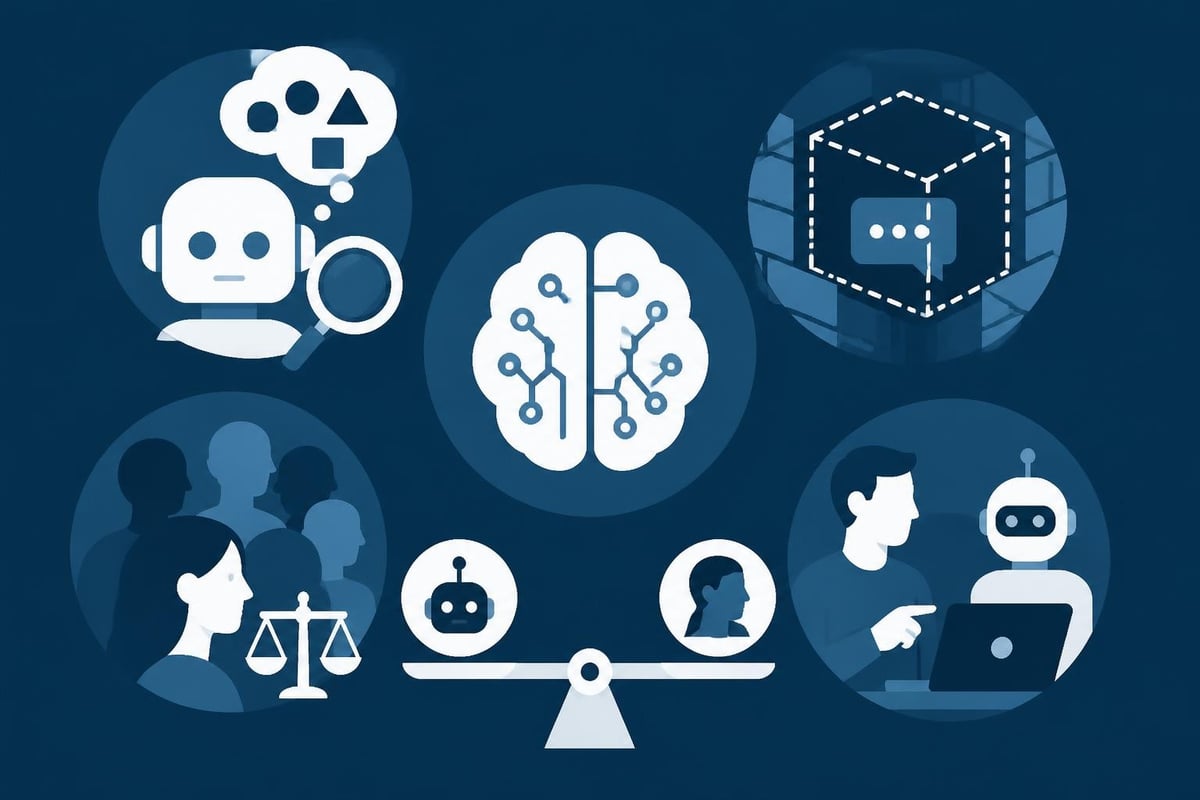
Training data inevitably contains biases present in human-created content. Open ai models can perpetuate or amplify these biases unless actively addressed through careful prompt design, output filtering, and ongoing monitoring. Organizations bear responsibility for ensuring their AI implementations promote fairness and avoid discrimination.
Ethical considerations extend beyond bias to questions of transparency, accountability, and appropriate use. Businesses must establish clear policies governing AI deployment, especially in areas affecting people's lives like hiring, lending, or healthcare.
Future Developments and Trends
The trajectory of open ai development suggests continued rapid advancement through 2026 and beyond. Understanding emerging trends helps businesses prepare for upcoming opportunities and challenges.
Multimodal Capabilities
Current open ai systems already process text and images, but future versions will likely integrate video, audio, and other data types seamlessly. This convergence enables richer applications that understand and generate content across multiple formats simultaneously.
Businesses should consider how multimodal AI might transform their operations. Customer service could incorporate video analysis, marketing might generate coordinated campaigns across media types, and training programs could adapt to individual learning styles through multiple sensory channels.
Specialized Domain Models
While general-purpose models demonstrate impressive versatility, industry-specific versions trained on specialized content will likely proliferate. These domain-focused models offer enhanced performance for particular applications, from medical diagnosis to legal research to software development.
Organizations in specialized fields should monitor developments in their sectors, as custom models may provide competitive advantages over generic implementations. The decade of Open AI progress demonstrates the organization's commitment to expanding capabilities across diverse domains.
Evolving Business Models
The restructuring and investment patterns within open ai and its partners suggest evolving approaches to commercialization and access. Businesses should stay informed about licensing changes, pricing models, and partnership opportunities that might affect their AI strategies.
Collaborative ecosystems will likely expand, with open ai technologies integrating more deeply into existing software platforms. This integration reduces implementation barriers but requires careful vendor evaluation to avoid lock-in or dependency risks.
Strategic Implementation Roadmap
Organizations approaching open ai adoption benefit from structured implementation strategies that balance ambition with pragmatism.
Phase 1: Assessment and Planning
- Identify high-value use cases aligned with business objectives
- Evaluate technical readiness and infrastructure requirements
- Establish success metrics and measurement frameworks
- Assess budget implications and resource allocation
Phase 2: Pilot Implementation
- Select limited-scope pilot projects with clear boundaries
- Develop proof-of-concept implementations
- Gather user feedback and performance data
- Refine approaches based on initial learnings
Phase 3: Scaling and Optimization
- Expand successful pilots to broader deployments
- Optimize prompts and integration patterns
- Implement monitoring and quality assurance systems
- Train teams on effective AI collaboration
Phase 4: Continuous Improvement
- Monitor emerging capabilities and model updates
- Iterate based on performance metrics and user feedback
- Expand to additional use cases and departments
- Share learnings across the organization
This phased approach manages risk while building organizational confidence and capability. Rushing to enterprise-wide deployment often backfires, while overly cautious pilots miss competitive opportunities.
Measuring Success and ROI
Quantifying the business value of open ai implementations requires thoughtful metrics that capture both efficiency gains and quality improvements. Simple cost savings tell only part of the story.
| Metric Category | Example Measurements | Typical Impact Range |
|---|---|---|
| Efficiency | Time saved per task, throughput increase | 30-60% improvement |
| Quality | Error reduction, consistency scores | 15-40% enhancement |
| Customer Impact | Satisfaction scores, response times | 20-50% improvement |
| Revenue | Sales conversion, upsell rates | 10-30% increase |
| Cost | Operational expense reduction | 25-45% decrease |
Beyond quantitative metrics, organizations should assess qualitative impacts like employee satisfaction, innovation velocity, and competitive positioning. The most successful implementations create value across multiple dimensions simultaneously.
For businesses focused on talent acquisition, metrics might include time-to-hire reduction, candidate quality improvements, and recruiter productivity gains. Platforms that integrate AI talent matching with human expertise demonstrate how combined approaches deliver superior results compared to purely automated systems.
Open ai technologies represent a transformative force reshaping how businesses operate, compete, and deliver value in 2026. From streamlined operations to enhanced decision-making, the applications span virtually every business function. However, successful implementation requires more than just technical deployment. It demands strategic thinking, ethical consideration, and realistic expectations about both capabilities and limitations. As organizations increasingly seek AI professionals to guide these implementations, platforms like Augmnt provide the verified expertise needed to navigate this complex landscape. By connecting businesses with authenticated AI specialists, Augmnt ensures that companies can confidently build their AI capabilities with genuine talent rather than inflated credentials.