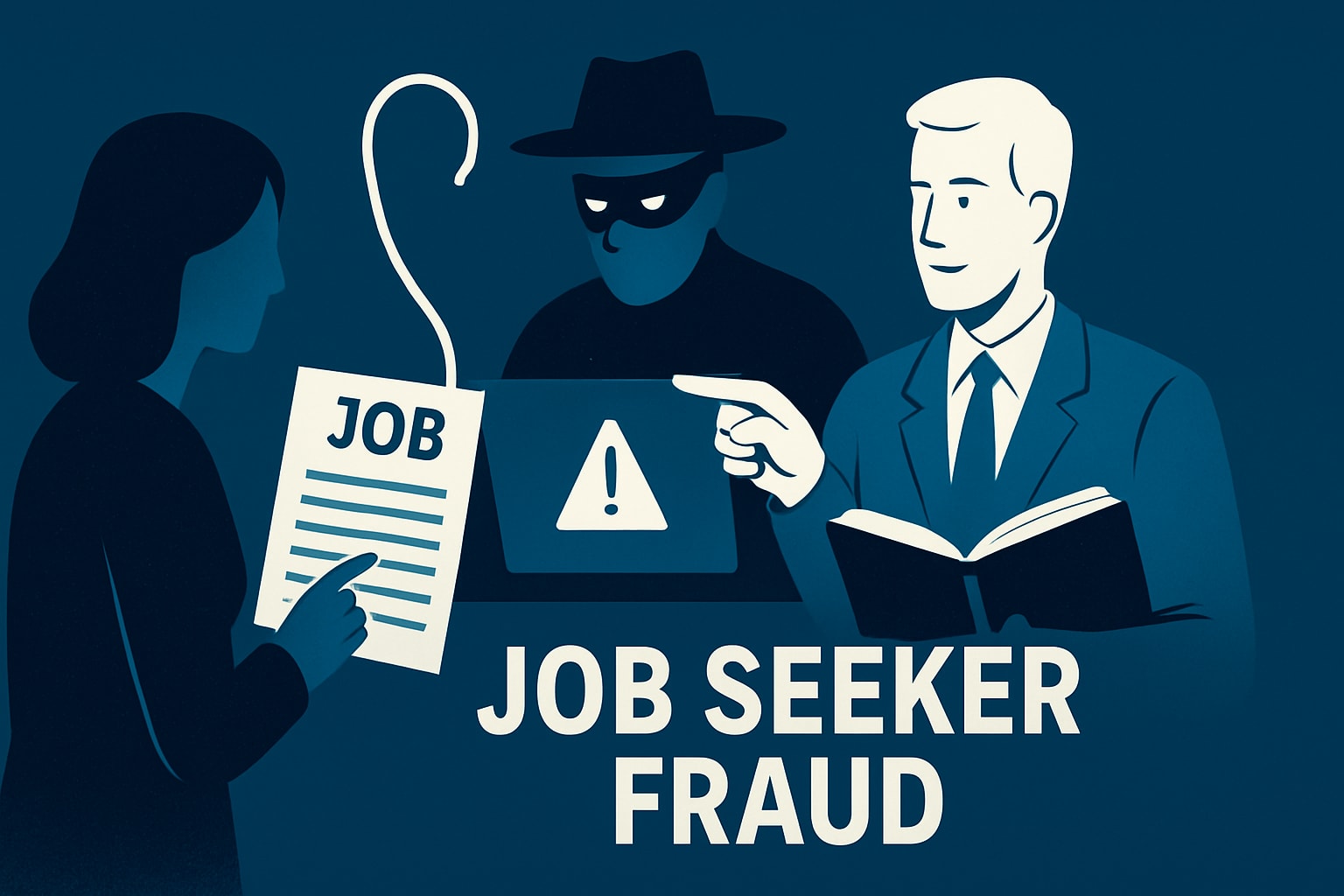
Job Seeker Fraud Guide: Protecting Yourself in 2026
Did you know that job seeker fraud has increased by over 100% in just three years? As we enter 2026, the job market is more digital, competitive, and unfortunately, riskier than ever for those searching for opportunities.
With scammers using advanced tactics to target applicants, understanding how to spot and avoid job seeker fraud is essential for your safety and career success.
In this guide, you will discover the latest fraud trends, learn how to recognize common scams, explore real-life examples, and get step-by-step strategies to protect yourself. Stay informed and empowered as you navigate the modern job search.
Understanding Job Seeker Fraud in 2026
In 2026, job seeker fraud has become a sophisticated and persistent threat, evolving alongside advances in technology and changes in the job market. At its core, job seeker fraud refers to deceptive schemes that target individuals searching for employment, aiming to steal money, personal information, or both.
Over the past few years, the landscape has shifted dramatically. The rise of remote work, digital hiring processes, and economic uncertainty has made job seekers more vulnerable than ever. Scammers exploit these trends, knowing that many candidates are eager for new opportunities and may overlook warning signs in their search. According to the Federal Trade Commission, there has been a staggering 118% increase in reported job scams between 2022 and 2025.
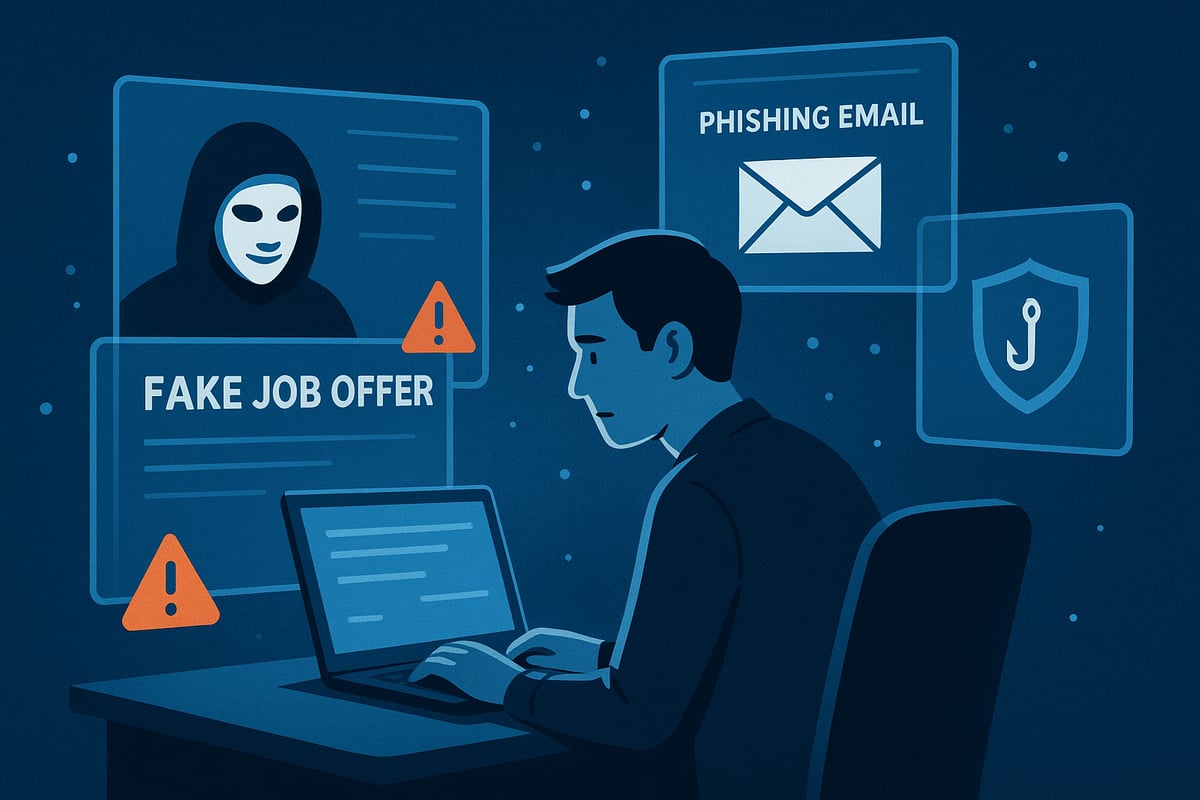
Why are job seekers such attractive targets? Fraudsters are motivated by financial gain, identity theft, and the opportunity to harvest valuable data. The most common forms of job seeker fraud include fake job offers, phishing emails, credential theft, work-from-home scams, and impersonation by fake recruiters. Each of these tactics preys on trust and urgency, often luring victims with promises of high salaries, flexible roles, or rapid hiring.
The impact of falling victim to job seeker fraud is significant. Financial losses can be devastating, with victims sometimes losing thousands of dollars. Beyond the monetary cost, there is also emotional distress and the risk of having sensitive personal information compromised. In a notable 2025 incident, job seekers collectively lost over $2 million to a fake technology company that impersonated a well-known employer, highlighting just how convincing these scams can be.
Technology plays a dual role in the fight against job seeker fraud. On one hand, scammers now use AI-powered tools to create convincing fake profiles, generate realistic communications, and even deploy deepfake videos for virtual interviews. On the other hand, AI and advanced verification platforms are being leveraged to detect and prevent fraud, flagging suspicious job postings and recruiter behavior. For more on the evolving use of AI and deepfakes in employment scams, see Experian's 2026 fraud forecast.
As job seeker fraud continues to adapt, understanding its methods and impacts is the first step in protecting yourself during the job search process.
Step-by-Step Guide: How to Protect Yourself from Job Seeker Fraud
Navigating the modern job market means confronting the reality of job seeker fraud. With scams becoming more advanced each year, job seekers must take proactive steps to safeguard their search. This guide outlines a proven, step-by-step strategy to help you avoid the most common pitfalls and protect your career, finances, and identity.
Step 1: Research Companies and Verify Job Postings
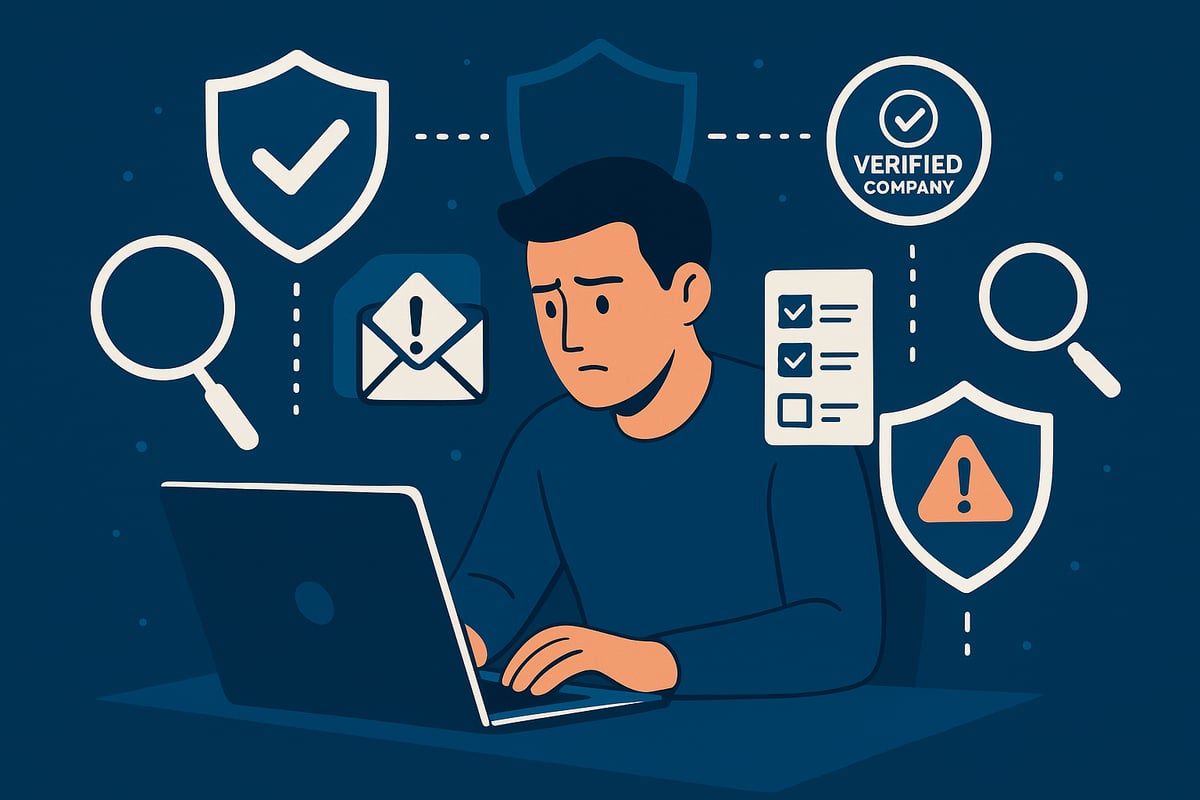
Start every application by thoroughly researching the company. Visit the official company website and only use trusted job boards. Look for company reviews, employee testimonials, and recent news to confirm legitimacy.
Be cautious with job postings that lack clear company information or appear only on lesser-known boards. Search for scam alerts or complaints associated with the employer’s name. If anything seems off, trust your instincts and move on.
Step 2: Analyze Recruiter Communications
Genuine recruiters use professional channels and transparent communication. Always verify recruiter identities through LinkedIn or the employer’s official contact directory.
Be wary of messages from generic email domains or those that urge you to act quickly. Scammers often use urgent language to pressure you into sharing personal information. If a recruiter’s profile is incomplete or their communication style is unprofessional, consider it a red flag for job seeker fraud.
Step 3: Protect Personal and Financial Information
Never share sensitive data, such as your Social Security number or bank details, before receiving an official job offer. Legitimate employers will not request payment or confidential documents during the application process.
Understand what information is reasonable to provide at each stage. If you are asked for payment or excessive personal details, this is a telltale sign of job seeker fraud.
Step 4: Recognize and Report Suspicious Activity
Learn the hallmarks of fraudulent job offers, such as phishing links, fake websites, and unusual interview platforms. Double-check URLs for subtle misspellings and avoid downloading files from unknown sources.
If you encounter suspicious activity, promptly report it to the FTC, Better Business Bureau, or the job board where you found the posting. Reporting helps protect others from falling victim to job seeker fraud.
Step 5: Use Technology and Tools for Added Security
Enable two-factor authentication on all accounts related to your job search. Use secure browsers and install scam-detection plugins to flag suspicious sites or communications.
Leverage reputable platforms that screen recruiters and employers for authenticity. These tools are essential for minimizing your exposure to job seeker fraud.
Step 6: Keep Records of All Job Search Communications
Document every interaction with recruiters and employers. Save emails, chat logs, and offer letters in a secure folder.
Having a record of your communications can be invaluable if you need to dispute a suspicious offer or assist in an investigation. Organized documentation is a powerful defense against job seeker fraud.
Step 7: Educate Yourself Continuously as Scams Evolve
Stay current with the latest scam tactics and security recommendations. Subscribe to job board alerts, follow cybersecurity news, and participate in webinars focused on job seeker fraud prevention.
For in-depth strategies and timely updates, you can learn more about job seeker security to strengthen your awareness and resilience.
Real-World Example: How Verification Prevented a Scam
In early 2026, a job seeker received a lucrative offer from a supposed technology firm. By following these steps, the individual checked the recruiter’s credentials, reviewed the company’s official website, and noticed inconsistencies in the communication style. After reporting the incident, it was revealed to be a sophisticated phishing scam. Diligent research and verification protected the candidate from significant financial loss and identity theft.
Taking these steps seriously can mean the difference between a successful job search and becoming a victim of job seeker fraud. Empower yourself with knowledge, vigilance, and the right tools to secure your future.
Red Flags: How to Spot a Job Seeker Scam Instantly
Spotting the warning signs of job seeker fraud is the first step to protecting your career, finances, and personal data. As scammers get more sophisticated in 2026, recognizing these red flags can mean the difference between landing your dream job and falling victim to a costly scheme.
Top Warning Signs of Job Seeker Fraud
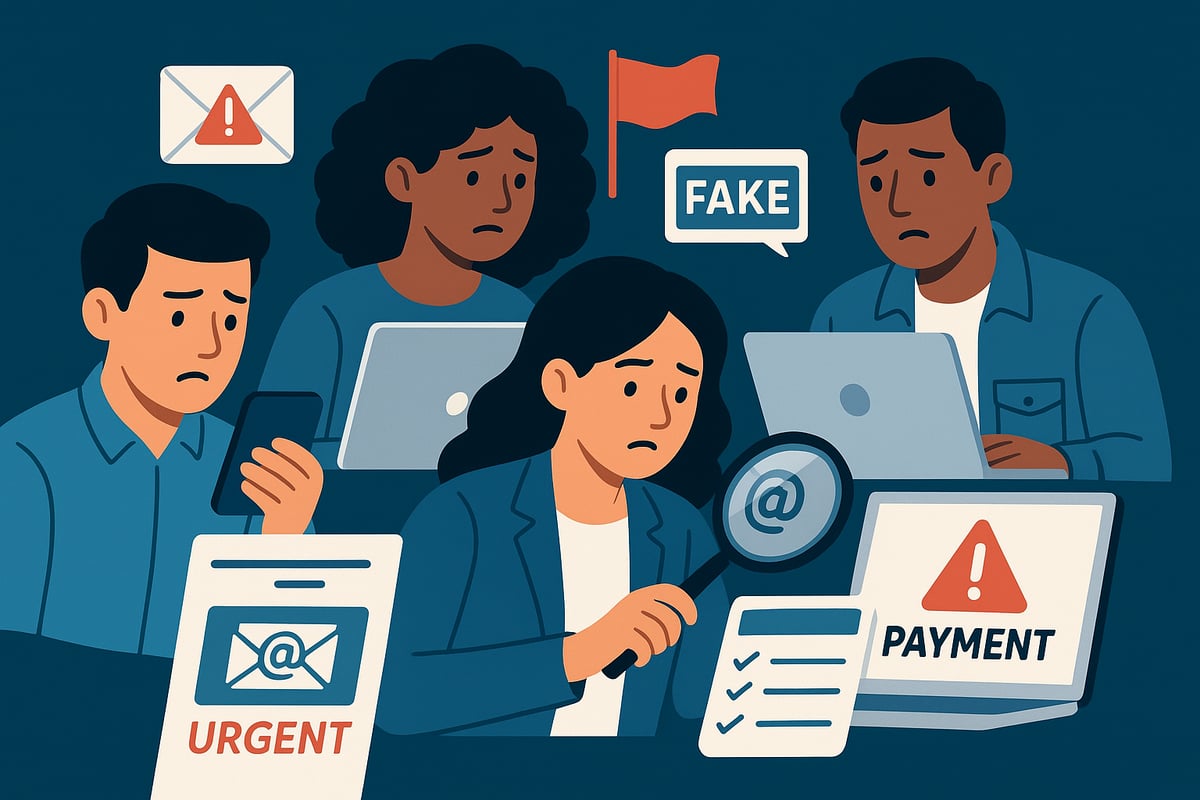
Job seeker fraud often starts with an enticing offer or urgent message. Here are the most common red flags:
- Unrealistic Salaries: If a position promises a salary far above industry standards, be cautious. Scammers use high earnings to lure victims.
- Vague Job Descriptions: Legitimate employers provide clear role details. Watch for postings that are generic or lack specifics.
- Missing Company Information: If you cannot verify a company's address, website, or contact details, this is a major warning sign.
- Requests for Upfront Payments: Any demand for fees—whether for training, equipment, or application processing—should be treated as suspicious.
Scammers often exploit the digital hiring landscape, impersonating real companies with spoofed websites and fake recruiter profiles. According to a recent CNBC report on job scams, job seeker fraud has surged as criminals use AI to create convincing fake job postings and communication.
Common Tactics Used by Scammers
Scammers deploy a variety of tactics to make their schemes appear legitimate:
- Phishing Emails: Look for misspelled company names or generic greetings. These emails often contain links to fake application portals or ask for sensitive information.
- Check-Cashing and Payment Scams: You may be sent a check and asked to forward funds or purchase gift cards. These are classic signs of job seeker fraud.
- Unprofessional Communication: Poor grammar, odd formatting, and mismatched contact details are strong indicators of a scam.
- Urgency and Pressure: Scammers want you to act fast. They may offer the job immediately or threaten that the opportunity will vanish if you do not respond quickly.
Sample Scam Email: What to Watch For
Consider this real-world example of job seeker fraud:
Subject: Immediate Job Offer – No Interview Required!

Dear Candidate,

Congratulations! You have been selected for a remote position with XYZ Corp. To start, please provide your banking details and a copy of your ID. Respond within 24 hours to secure your spot.
Best,
Recruitment Team
Notice the lack of a personalized greeting, the demand for sensitive information, and the urgent deadline. These elements are classic hallmarks of job seeker fraud.
Quick-Reference Checklist
Use this checklist to identify scams at any stage of your job search:
| Red Flag | What It Means |
|---|---|
| High salary, low requirements | Unrealistic, likely fraudulent |
| Vague job description | Lack of details, possible scam |
| No company info or web presence | Hard to verify, proceed with caution |
| Requests for money or data | Legitimate employers never ask up front |
| Poor grammar, odd emails | Unprofessional, suspicious |
| Pressure to act fast | Scammer tactic to prevent research |
| Links to unknown platforms | Potential phishing, do not click |
Awareness is your strongest defense against job seeker fraud. Always pause and verify before responding to any suspicious offer or request. If a job opportunity feels too good to be true or raises any of these red flags, trust your instincts and investigate further.
The Real Cost of Job Seeker Fraud: Financial, Emotional, and Career Impacts
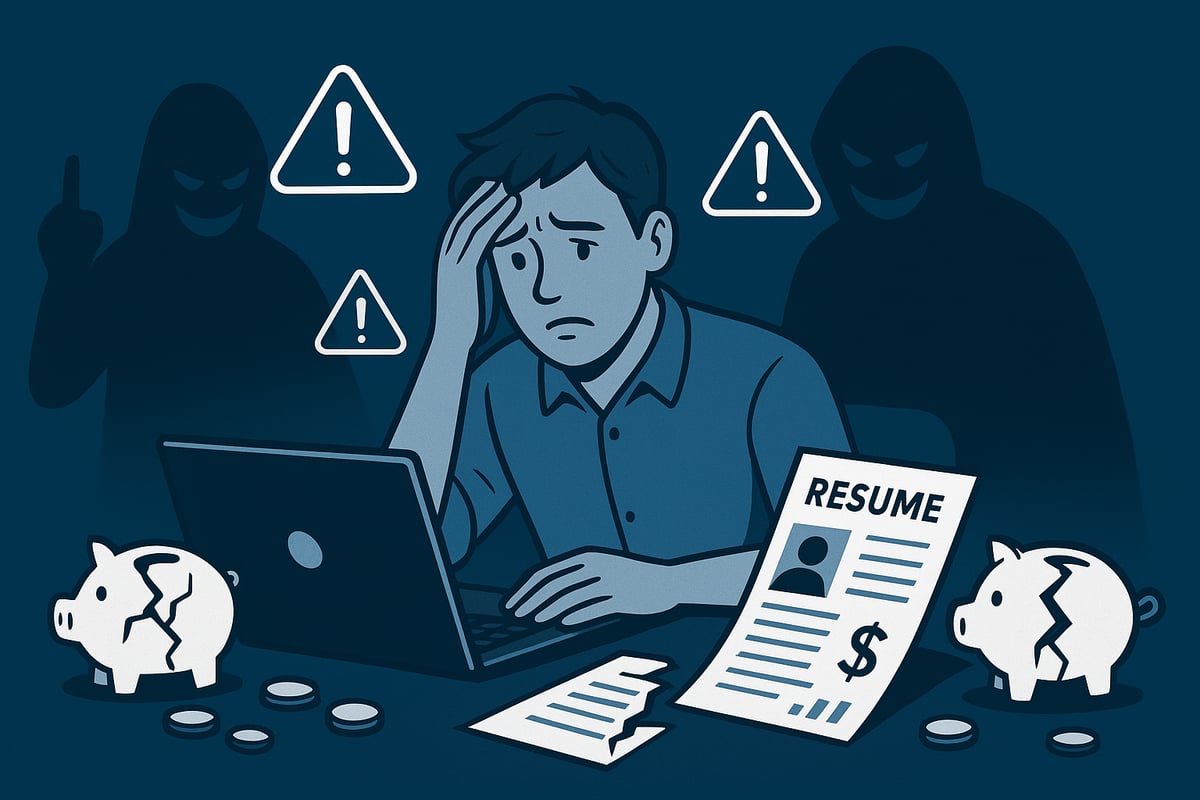
Job seeker fraud is more than just a nuisance—it carries significant, often devastating consequences for individuals and their careers. Understanding the full scope of its impact is essential for anyone navigating the job market in 2026.
Financial Losses: The Immediate Toll
The financial impact of job seeker fraud is staggering. In 2025, the FTC and BBB reported over 14,000 job scam complaints, with total losses reaching millions. Victims often lose money through fake training fees, fraudulent check scams, or by providing sensitive banking details. According to Checkr's hiring fraud report, the average victim lost over $2,000 per incident in 2025. These losses can have long-lasting effects, draining savings and causing financial instability.
Emotional Distress: The Hidden Cost
Beyond finances, job seeker fraud inflicts emotional harm. Many victims experience anxiety, embarrassment, and a loss of trust in genuine opportunities. The stress of realizing that personal information may be compromised can lead to sleepless nights and ongoing worry. For some, the emotional toll is even greater than the financial loss, affecting self-esteem and mental health.
Career Setbacks and Professional Consequences
Job seeker fraud can derail promising careers. Time spent pursuing fraudulent opportunities means missed chances with legitimate employers. Victims may face reputation damage, especially if their information is misused or linked to fake credentials. In some cases, the aftermath of a scam can delay job searches, further increasing frustration and professional uncertainty.
Long-Term Risks: Identity Theft and Legal Challenges
The dangers of job seeker fraud extend far beyond immediate losses. Identity theft is a serious risk, as scammers may use stolen information to commit further crimes or open fraudulent accounts. Victims often face credit score damage, difficulty securing loans, or even legal complications if their data is misused. Recovering from such incidents can take months or even years, with lasting consequences for financial security and peace of mind.
Real-Life Stories and Key Lessons
Consider the story of a recent graduate who responded to a convincing job posting, only to have their identity stolen and bank account compromised. The financial setback was substantial, but the emotional distress and time spent recovering were even more damaging. Stories like these highlight the need for vigilance and underscore why awareness of job seeker fraud is crucial for anyone seeking employment.
The true cost of job seeker fraud goes far beyond dollars and cents. It affects emotional well-being, career growth, and future opportunities. By staying informed and cautious, job seekers can better protect themselves and avoid becoming the next victim.
What to Do If You’ve Been Targeted or Victimized by Job Seeker Fraud
Discovering you have been targeted by job seeker fraud can feel overwhelming. Taking swift, organized action is essential for minimizing damage and regaining control of your job search.
Immediate Actions to Take
If you suspect you are a victim of job seeker fraud, stop all communication with the suspected scammer immediately. Do not provide any further personal information or respond to requests.
Preserve all evidence, including emails, messages, job postings, and any documents exchanged. Take screenshots and save files securely for future reference.
Secure your accounts by changing passwords related to your email, job boards, and social media profiles. Use strong, unique passwords and enable two-factor authentication wherever possible.
Reporting the Scam
Report the incident to relevant authorities. File a complaint with the Federal Trade Commission (FTC) and the FBI’s Internet Crime Complaint Center (IC3). Contact your local law enforcement agency, especially if you have suffered financial loss.
Notify the job board or platform where you found the posting. Inform your current or potential employer if you shared sensitive information. It is also wise to alert credit bureaus if you disclosed financial details, so they can monitor for suspicious activity.
Recovering and Monitoring
If you experienced financial loss due to job seeker fraud, contact your bank or credit card company right away to dispute unauthorized charges. Place a fraud alert or credit freeze on your credit report to protect against identity theft.
Monitor your accounts and credit reports regularly for any unusual activity. Consider using identity theft protection services for added security. Document every step you take and keep records of your communications with authorities and institutions.
Seeking Support and Moving Forward
Victims of job seeker fraud often experience emotional distress and uncertainty. Reach out to victim assistance organizations or counseling services for support. If you need guidance or wish to report your experience, you can Contact Augmnt for fraud support for practical help.
To rebuild trust and resume your job search safely, consider applying as a verified candidate on platforms that emphasize security. For example, by choosing to apply as a verified candidate, you can increase your protection and reduce the risk of future scams.
Learning from your experience is crucial. Stay informed about new scam tactics and always verify opportunities before engaging. Taking these steps empowers you to move forward with confidence and resilience.
Essential Resources for Safe Job Searching in 2026
Navigating the digital job market requires more than just a well-written resume. As job seeker fraud evolves, leveraging reliable resources is essential for protecting your personal and professional future. Knowing where to search, how to report suspicious activity, and which tools to trust can mean the difference between landing your dream job and falling victim to a scam.
Trusted Platforms and Job Boards
Begin your job search on established platforms with strong fraud prevention measures. LinkedIn, Indeed, and Glassdoor have dedicated teams and algorithms scanning for signs of job seeker fraud. Many sites now display verification badges for legitimate employers, helping you separate real opportunities from scams.
Look for platforms that offer:
- Employer verification processes
- Scam alert banners and reporting options
- Secure messaging tools
Choosing where you apply is your first defense. Always double-check company listings on the official website before submitting personal information.
Reporting Scams and Getting Support
If you suspect job seeker fraud, act quickly by reporting incidents to trusted authorities. The Federal Trade Commission (FTC) and the Better Business Bureau (BBB) both accept scam reports. For cyber-related fraud, the FBI Internet Crime Complaint Center (IC3) is a direct resource.
Support networks can also be found in:
- Online forums like Reddit’s r/scams
- Local workforce centers offering counseling
- National anti-fraud hotlines
Prompt reporting not only protects you, but also helps prevent future scams targeting others.
Tools and Education for Secure Job Searching
Protect yourself from job seeker fraud by using digital security tools and staying informed. Browser security extensions, like HTTPS Everywhere or uBlock Origin, can block phishing sites. Resume verification services confirm your credentials before sharing them with employers.
For educational resources, seek out:
- Webinars from job boards on scam awareness
- Official newsletters on employment security
- Articles addressing the impact of automation and AI
Recent insights, such as the Gartner survey on AI in hiring, highlight the importance of using trusted resources as new technologies influence recruitment.
Staying Informed and Supporting the Community
Job seeker fraud tactics change rapidly, so staying updated is crucial. Subscribe to scam alerts from government agencies and follow reputable job boards on social media. Join professional groups to share experiences and warnings.
Ways to stay ahead:
- Turn on job board scam notification features
- Join peer support communities for real-time alerts
- Attend local seminars on employment fraud prevention
Sharing what you learn empowers others in your network and builds a safer job market for everyone.
Real-World Example and Final Tips
Consider the story of a job seeker who avoided a costly scam by cross-checking a suspicious recruiter through multiple trusted platforms and reporting the attempt to the FTC. By combining vigilance, the right resources, and continuous learning, you can significantly reduce your risk of job seeker fraud.
Always keep your guard up, educate yourself, and use every tool at your disposal. By doing so, you help create a more secure environment for yourself and others pursuing new opportunities.
After learning about the fast-evolving risks of job seeker fraud and how technology shapes both threats and solutions, you deserve peace of mind in your job search. That’s where platforms like Augmnt come in—they combine smart AI with human insight to make sure every candidate and employer is truly verified. If you’re ready to see exactly how a robust, multi-layered validation process can protect your career and simplify hiring, let’s take the next step together. You can see Augmnt in action and get all your questions answered—simply Request a Demo to explore a safer, smarter way to connect with real opportunities.