IT Staffing Software: A Complete Guide for 2026
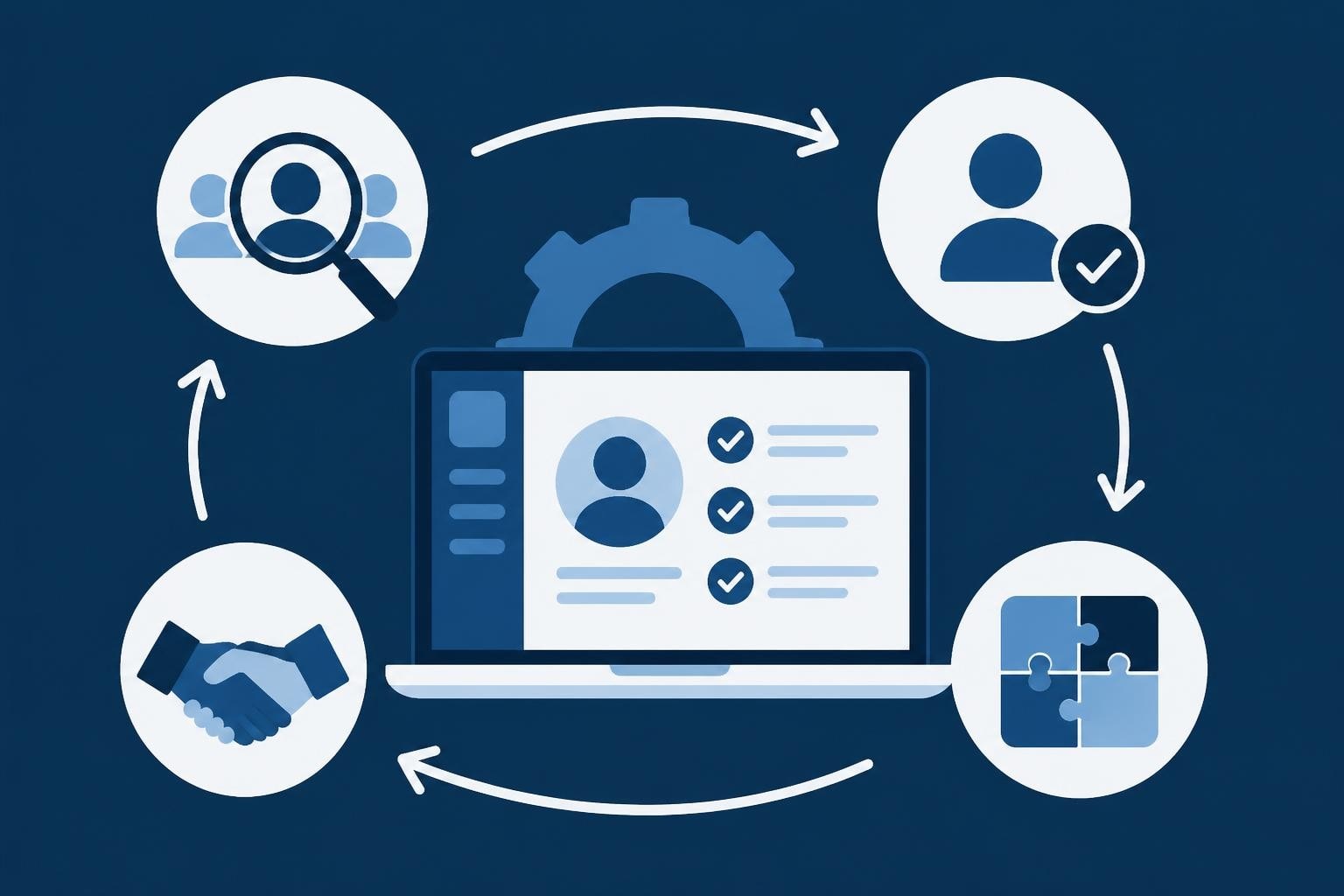
The technology sector faces unprecedented hiring challenges in 2026, with demand for specialized talent far outpacing supply. Organizations across industries struggle to identify, engage, and secure qualified IT professionals quickly enough to maintain competitive advantage. IT staffing software has emerged as a critical solution, enabling recruitment teams to streamline workflows, improve candidate quality, and reduce time-to-hire through automation and intelligent matching capabilities. These platforms integrate sourcing, screening, candidate relationship management, and placement processes into unified systems that transform how companies build their technical teams.
Understanding IT Staffing Software Fundamentals
IT staffing software represents a specialized category of recruitment technology designed specifically for the unique challenges of technical hiring. Unlike general applicant tracking systems, these platforms incorporate features tailored to technology roles, including skills assessments for programming languages, technical interview scheduling, and developer portfolio integration.
The IT staffing industry continues expanding as organizations recognize technology as their primary competitive differentiator. This growth drives innovation in staffing software, with vendors continuously adding capabilities to address evolving recruitment needs.
Core Components of Effective Platforms
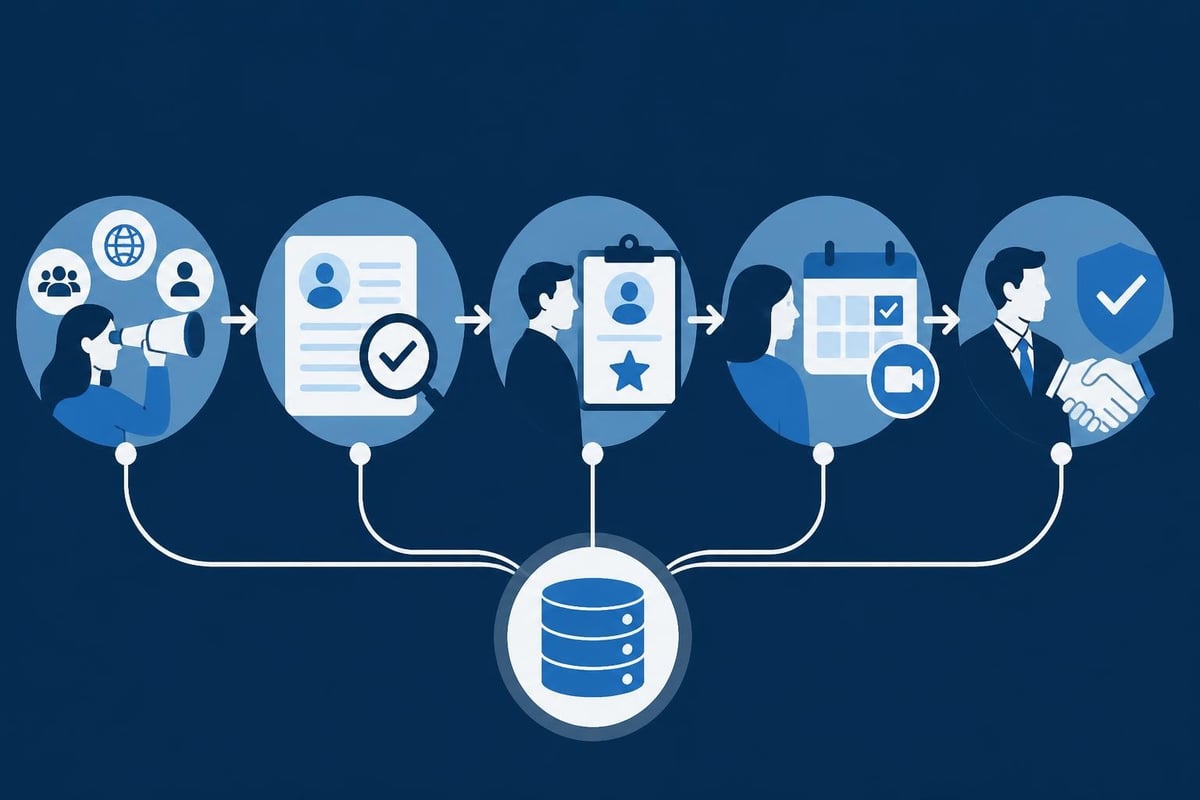
Modern it staffing software encompasses several integrated modules that work together to support the complete recruitment lifecycle:
- Candidate sourcing engines that aggregate profiles from job boards, LinkedIn, GitHub, and professional networks
- Resume parsing technology that extracts skills, experience, and qualifications from various document formats
- Interview management systems with technical assessment capabilities and collaborative evaluation tools
- Client relationship management for tracking staffing firm interactions with hiring organizations
- Placement and onboarding workflows that facilitate offer letters, background checks, and orientation
- Reporting dashboards providing visibility into pipeline metrics, placement rates, and revenue performance
These components create an ecosystem where information flows seamlessly between recruitment stages. When implemented effectively, IT staffing software eliminates manual data entry, reduces administrative overhead, and allows recruiters to focus on relationship-building and candidate engagement.
Key Features That Drive Recruitment Success
The most effective it staffing software platforms distinguish themselves through features specifically designed to address technical recruitment challenges. Organizations evaluating solutions should prioritize capabilities that directly impact their most pressing hiring obstacles.
Intelligent Candidate Matching
Advanced matching algorithms analyze job requirements against candidate profiles to identify optimal fits based on multiple dimensions. These systems consider technical skills, experience levels, industry background, location preferences, and availability to generate ranked candidate lists.
Machine learning capabilities improve matching accuracy over time by analyzing placement outcomes and recruiter feedback. The system learns which candidate characteristics correlate with successful placements for specific role types, progressively refining its recommendations.
| Matching Criterion | Traditional Approach | AI-Enhanced Approach |
|---|---|---|
| Skills Assessment | Keyword matching | Semantic understanding with skill relationships |
| Experience Level | Years in role | Project complexity and technology stack depth |
| Cultural Fit | Resume review | Communication style and work preference analysis |
| Availability | Manual confirmation | Calendar integration and predictive availability |
Solutions like Augmnt ATS incorporate verified matching and candidate fraud detection to ensure that only qualified, legitimate professionals reach hiring managers. This validation layer becomes increasingly important as resume fraud and credential misrepresentation grow more sophisticated.
Comprehensive Skills Verification
Technical recruiting demands objective assessment of candidate capabilities beyond resume claims. Leading it staffing software platforms integrate skills testing directly into workflows, enabling automated technical evaluations.
These assessments range from multiple-choice knowledge tests to practical coding challenges that candidates complete in browser-based development environments. Results populate candidate profiles automatically, providing recruiters and clients with verified skill data.
Benefits of integrated skills assessment include:
- Objective candidate comparison across technical dimensions
- Reduced client interview time by pre-qualifying capabilities
- Higher placement success rates through better matching
- Enhanced candidate experience with clear expectations
- Defensible hiring decisions based on measurable criteria
Organizations can customize assessment libraries to match their specific technology stacks and role requirements, ensuring evaluations align with actual job demands.
Implementation Strategies for Maximum Impact
Deploying it staffing software successfully requires thoughtful planning and change management. Organizations that treat implementation as a technology project rather than a business transformation often struggle to realize expected benefits.
Defining Requirements and Success Metrics
Before evaluating vendors, recruitment leaders should document their current state workflows, identifying bottlenecks and inefficiencies that technology should address. This analysis provides the foundation for requirements definition.
Critical questions to answer include:
- What recruitment stages consume disproportionate time relative to value?
- Where do candidates drop out of the pipeline most frequently?
- Which data points prove most predictive of placement success?
- How do current systems integrate with other HR technology?
- What reporting capabilities do stakeholders require?
Success metrics should extend beyond simple time-to-fill measurements to encompass quality indicators like placement longevity, client satisfaction scores, and candidate net promoter scores. Best practices for IT staffing emphasize the importance of comprehensive performance measurement.
Data Migration and System Configuration
Transitioning from legacy systems to modern it staffing software presents significant data challenges. Organizations must decide which historical information to migrate, balancing the value of historical context against the effort required for data cleansing and transformation.
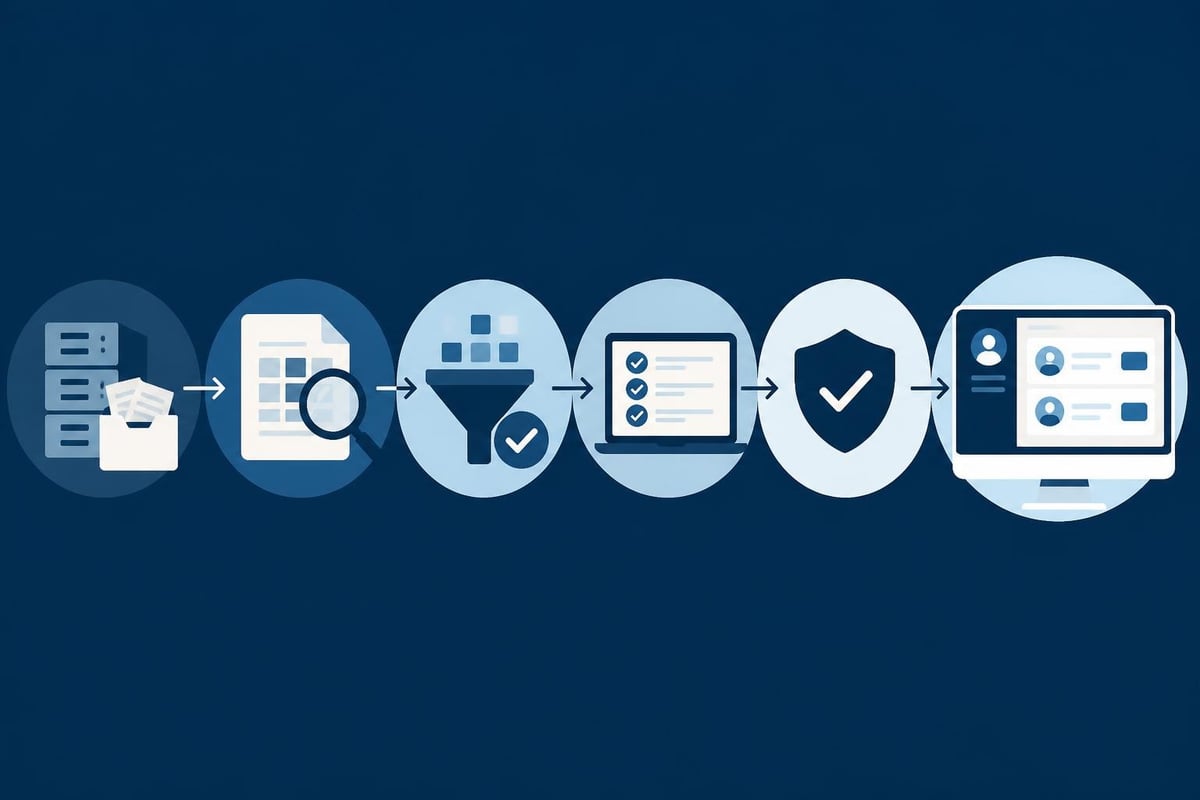
Successful implementations typically follow a phased approach:
- Audit existing data to identify quality issues and determine migration priorities
- Establish data standards for the new system including required fields and formatting rules
- Develop migration scripts with validation logic to ensure data integrity
- Execute pilot migration with subset of data to identify unforeseen issues
- Validate migrated data through spot checks and user acceptance testing
- Complete full migration during low-activity periods to minimize disruption
Configuration should reflect documented workflows while incorporating industry best practices that vendors recommend. Customization should be approached cautiously, as excessive modifications increase upgrade complexity and total cost of ownership.
Advanced Capabilities Reshaping Technical Recruitment
The IT staffing market continues evolving with emerging technologies creating new possibilities for recruitment efficiency and effectiveness. Organizations selecting platforms should evaluate not just current capabilities but vendor innovation roadmaps.
Artificial Intelligence and Predictive Analytics
AI functionality in it staffing software extends far beyond resume parsing and candidate matching. Predictive analytics engines analyze historical placement data to forecast outcomes, helping recruiters prioritize activities with highest success probability.
These systems can predict which candidates are most likely to accept offers based on compensation expectations, commute times, and career trajectory patterns. They identify clients with highest placement potential and recommend optimal timing for candidate submissions.
Research on orchestrating human-AI software delivery provides insights into how AI integration can enhance technical processes while maintaining essential human judgment. The most effective implementations augment rather than replace recruiter expertise.
Practical AI applications include:
- Automated candidate outreach with personalized messaging based on profile analysis
- Interview scheduling that coordinates multiple stakeholder calendars automatically
- Sentiment analysis of candidate communications to identify engagement risks
- Market intelligence gathering on compensation trends and skill demand patterns
Integration Ecosystems and Workflow Automation
Modern it staffing software functions as a central hub connecting multiple specialized tools. ATS integrations enable data synchronization with client systems, background check providers, payroll platforms, and communication tools.
These connections eliminate duplicate data entry while ensuring information consistency across systems. When a candidate updates their availability, that change propagates to all integrated platforms automatically.
| Integration Type | Business Value | Common Providers |
|---|---|---|
| Job Boards | Automated posting and application ingestion | Indeed, Dice, LinkedIn |
| Background Checks | Streamlined verification workflows | Checkr, Sterling, HireRight |
| Payroll Systems | Seamless contractor onboarding | ADP, Paychex, Gusto |
| Communication | Centralized candidate interactions | Gmail, Outlook, Slack |
| Video Interviewing | Integrated scheduling and recording | Zoom, Teams, HireVue |
Workflow automation leverages these integrations to orchestrate multi-step processes without manual intervention. When a candidate passes a technical assessment, the system automatically schedules client interviews, sends preparation materials, and creates interview evaluation forms.
Measuring ROI and Continuous Improvement
Organizations invest substantial resources in it staffing software, making return on investment measurement essential for justifying expenditures and guiding optimization efforts. Effective measurement frameworks track both efficiency gains and quality improvements.
Quantitative Performance Indicators
Financial returns manifest through several channels that organizations should monitor systematically. Time savings translate directly to cost reduction as recruiters handle larger requisition volumes without headcount increases.
Key metrics to track include:
- Time-to-fill reduction: Days saved from requisition opening to candidate start date
- Cost-per-hire decrease: Total recruitment expenses divided by number of placements
- Recruiter productivity: Placements per recruiter per month or quarter
- Pipeline conversion rates: Percentage of candidates advancing between stages
- Offer acceptance rates: Proportion of offers accepted versus declined
- Placement longevity: Average tenure of placed candidates in roles
These quantitative measures should be trended over time to identify improvement patterns and correlate changes with specific system enhancements or process modifications.
Qualitative Success Factors
Numbers tell only part of the story. Qualitative feedback from recruiters, candidates, and clients provides crucial insights into user experience and relationship impacts.
Regular surveys should assess:
- Recruiter satisfaction with system usability and feature availability
- Candidate perceptions of professionalism and communication quality
- Client confidence in candidate quality and submission relevance
- Hiring manager feedback on interview preparedness and candidate fit
The IT staffing market outlook demonstrates that differentiation increasingly depends on service quality and candidate experience rather than just speed. Organizations that optimize for relationship quality alongside efficiency achieve sustainable competitive advantage.

Vendor Selection and Evaluation Criteria
Choosing the right it staffing software requires systematic evaluation of multiple vendors against clearly defined criteria. The market includes dozens of providers with varying specializations, pricing models, and technological approaches.
Essential Evaluation Dimensions
Organizations should develop weighted scorecards that reflect their unique priorities. While specific weights vary by company, most evaluations consider these dimensions:
- Functional completeness: Does the platform support all required recruitment workflows?
- User experience: How intuitive and efficient are interfaces for daily users?
- Integration capabilities: Can the system connect with existing technology stack?
- Customization flexibility: How easily can workflows adapt to unique processes?
- Scalability: Will the platform support growth in users and requisitions?
- Vendor stability: Is the provider financially sound with strong customer base?
- Support quality: What service levels and resources does vendor provide?
- Total cost: What are all expenses including licensing, implementation, and maintenance?
Reference checks with current customers provide invaluable insights into real-world performance. Organizations should specifically ask about implementation challenges, ongoing support experiences, and how well the vendor delivers on roadmap commitments.
Pricing Models and Hidden Costs
IT staffing software vendors employ various pricing structures that organizations must carefully analyze to understand true costs. Common models include per-user monthly subscriptions, per-placement fees, and tiered packages based on company size or requisition volume.
Beyond base licensing fees, implementations often incur additional expenses:
- Initial setup and configuration services
- Data migration from legacy systems
- Integration development for proprietary tools
- Training for recruiters and administrators
- Ongoing support beyond basic service levels
- Storage fees for documents and attachments
Pricing transparency varies significantly across vendors, with some providers clearly documenting all potential costs while others reveal charges incrementally during sales processes. Organizations should demand comprehensive pricing documentation before making commitments.
Security and Compliance Considerations
IT staffing software manages highly sensitive personal information including social security numbers, salary histories, and background check results. Robust security controls and compliance with data protection regulations are non-negotiable requirements.
Data Protection Requirements
Platforms must implement encryption for data at rest and in transit, role-based access controls, and comprehensive audit logging. Organizations subject to GDPR, CCPA, or other privacy regulations need vendors that facilitate compliance through features like data retention policies, consent management, and right-to-deletion workflows.
Critical security capabilities include:
- Multi-factor authentication for all user accounts
- IP whitelisting and geographic access restrictions
- Regular security audits and penetration testing
- SOC 2 Type II or ISO 27001 certification
- Disaster recovery and business continuity plans
Vendor security questionnaires should probe backup frequencies, data center redundancy, incident response procedures, and employee background check policies. Industry trends analysis shows increasing regulatory scrutiny of staffing firm data practices, making vendor selection in this dimension increasingly important.
Equal Employment Opportunity Compliance
It staffing software must support fair hiring practices and EEO reporting requirements. Platforms should enable redacted resume reviews that hide protected characteristics, standardized interview questions, and structured evaluation rubrics that reduce unconscious bias.
Reporting functionality should generate EEO-1 reports, adverse impact analyses, and demographic pipeline tracking without manual data manipulation. These capabilities protect organizations from discrimination claims while promoting diversity in technical hiring.
Emerging Trends Shaping Platform Evolution
The it staffing software landscape continues transforming as new technologies mature and market demands shift. Organizations planning long-term platform investments should understand directional trends influencing vendor development priorities.
Mobile-First Experiences
Recruiters increasingly work remotely and expect full platform functionality on smartphones and tablets. Modern solutions deliver native mobile applications or responsive web interfaces that support candidate communication, resume review, interview scheduling, and approval workflows from any device.
Mobile optimization extends to candidate experiences as well, with application processes designed for phone completion and interview confirmations sent via text message. Platforms that fail to prioritize mobile accessibility create friction that costs placements.
Blockchain for Credential Verification
Emerging it staffing software incorporates blockchain technology to create immutable records of educational credentials, certifications, and employment history. This approach dramatically reduces verification time while preventing credential fraud.
Candidates maintain digital wallets containing verified credentials that they share with recruiters through cryptographic keys. Employers receive instant confirmation of qualification authenticity without contacting universities or former employers directly.
Skills-Based Matching Beyond Resumes
Traditional resume-centric recruitment gives way to skills-based approaches that focus on demonstrable capabilities rather than job titles and educational pedigrees. Advanced platforms assess candidates through work samples, open-source contributions, and practical challenges rather than relying solely on self-reported experience.
This shift particularly benefits hiring managers seeking non-traditional candidates with relevant skills acquired outside conventional career paths. IT staffing software that facilitates skills-first evaluation expands talent pools while improving placement quality.
Modern IT staffing software transforms technical recruitment from labor-intensive manual processes into streamlined, data-driven operations that deliver better candidates faster. Organizations that thoughtfully select platforms aligned with their workflows, invest in proper implementation, and continuously optimize based on performance data realize substantial competitive advantages in talent acquisition. Augmnt offers an intelligent marketplace approach that combines advanced technology with human insight to connect businesses with verified AI professionals, eliminating fraud risks while accelerating the path from requisition to placement.