The Essential Guide to IT Staff Augmentation in 2026
In 2026, organizations face a rapidly evolving tech landscape where the demand for agile, specialized IT talent is higher than ever. Digital transformation and artificial intelligence are reshaping every industry, making the search for top-tier professionals both urgent and highly competitive.
As the IT talent shortage grows, companies must find smarter ways to access critical skills, manage costs, and stay ahead of competitors. This is where it staff augmentation becomes a game changer, offering a flexible and strategic approach to bridging skill gaps without the burden of traditional hiring.
This essential guide will demystify it staff augmentation, explaining what it is, why it’s booming, and how your business can benefit. You’ll discover the latest models, step-by-step implementation strategies, key risks to watch for, and real-world success stories.
Are you ready to unlock the blueprint for faster, smarter growth? Read on to learn how it staff augmentation can help you thrive in 2026.
What is IT Staff Augmentation?
In today's fast-paced tech world, businesses need to respond quickly to change. IT staff augmentation is a powerful solution for organizations seeking flexibility, access to specialized skills, and greater control over their projects.

Defining IT Staff Augmentation
IT staff augmentation refers to the temporary integration of external IT professionals into an existing in-house team. Unlike traditional outsourcing, where entire projects are handed off to third parties, this model lets companies bring in experts for specific roles or timeframes while maintaining direct oversight.
The main advantage is flexibility. Businesses can scale their teams up or down as needed, without the long-term commitment of hiring full-time employees. For example, a fintech company might augment its development team with AI specialists for a six-month project, ensuring rapid delivery without disrupting internal workflows.
Core Benefits and Strategic Value
The core value of IT staff augmentation lies in its ability to provide rapid access to high-demand skills like AI, cybersecurity, and cloud engineering. With the IT talent shortage projected to impact 90% of organizations by 2026, the need for agile solutions is more urgent than ever (IT skills shortage projected to impact 90% of organizations by 2026).
Key benefits include:
- Significant cost savings compared to full-time hiring
- Reduced hiring cycles and onboarding time
- Minimized downtime for critical projects
- Ability to maintain company culture and internal processes
Nearly 80% of employees report work stress, and it staff augmentation relieves internal pressure by filling skill gaps without overburdening existing teams.
Key Use Cases in 2026
IT staff augmentation is vital for handling project spikes and tight deadlines. Companies often rely on this model to fill niche technical roles such as DevOps engineers or data analysts that are difficult to recruit for full-time.
Other common use cases:
- Supporting digital transformation initiatives
- Ensuring business continuity during periods of talent shortage
- Rapidly scaling teams for product launches or seasonal demand
In 2026, organizations in every sector, from finance to healthcare, use it staff augmentation to stay competitive and resilient.
IT Staff Augmentation vs. Other Hiring Models
How does IT staff augmentation compare to other hiring approaches? Here is a quick overview:
| Model | Control | Cost | Speed | Example Use Case |
|---|---|---|---|---|
| In-house hiring | High | High | Slow | Building a permanent SOC team |
| IT staff augmentation | High | Moderate | Fast | Scaling up for a new AI project |
| Traditional outsourcing | Low | Variable | Moderate | Outsourcing legacy system support |
| Consulting | Moderate | High | Moderate | Expert advice on cloud migration |
With it staff augmentation, companies retain control, manage costs, and accelerate project timelines, unlike outsourcing or consulting models that may limit oversight or increase expenses.
Why IT Staff Augmentation is Critical in 2026
The global IT landscape is entering a new era in 2026. Rapid digital transformation and relentless innovation are intensifying the search for specialized tech talent. Traditional hiring models are no longer enough. Organizations must rethink their talent strategies. This is where it staff augmentation emerges as a mission-critical approach for companies determined to stay ahead.
The 2026 IT Talent Landscape
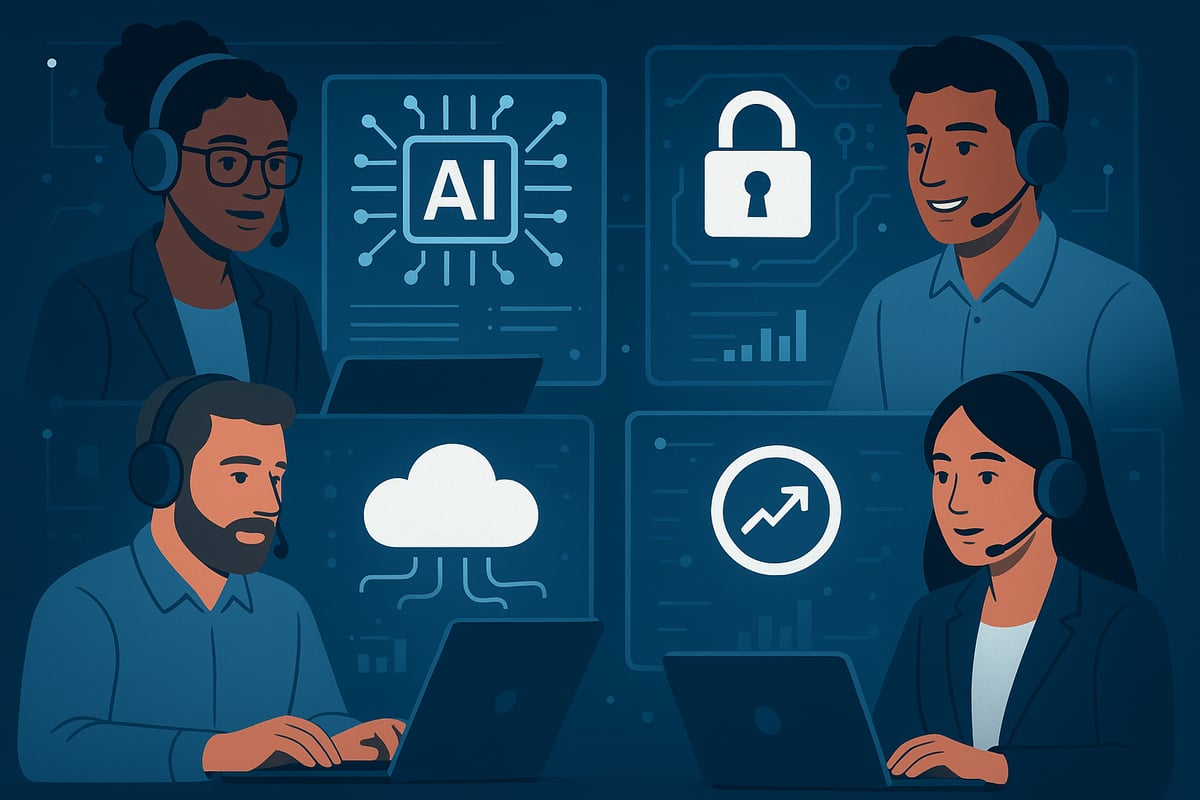
The world faces an unprecedented shortage of skilled IT professionals. By 2026, the gap between available talent and open roles is projected to reach record levels. Roles in AI, cloud computing, and cybersecurity are particularly hard to fill. Remote and hybrid work models have become standard, expanding the search for talent beyond local borders. According to global IT talent shortage statistics and projections, the demand for qualified specialists is outpacing supply in nearly every region. This environment makes it staff augmentation not just useful, but essential for business continuity and growth.
Business Drivers for Augmentation
Several powerful forces are driving the adoption of it staff augmentation in 2026. The need to accelerate digital transformation is at the top. Companies face pressure to innovate rapidly, launch new products, and modernize legacy systems. The pace of change is relentless. To keep up, businesses need access to specialized, up-to-date skills — often for short bursts or on-demand. It staff augmentation provides unmatched flexibility, allowing organizations to scale teams quickly and bridge critical skill gaps without the delays of traditional hiring.
- Rapid digital transformation timelines
- Competitive innovation cycles
- On-demand access to niche expertise
These drivers make it staff augmentation a strategic imperative in today’s fast-moving market.
Industry-Specific Needs and Trends
Every industry faces unique challenges in the hunt for tech talent. In 2026, sectors like finance, healthcare, retail, and manufacturing are leading the demand for it staff augmentation. For example, healthcare organizations are leveraging augmented IT teams to expand telemedicine services and improve patient data security. Retailers rely on it staff augmentation to support e-commerce surges and omnichannel strategies. Manufacturers turn to external experts for automation and IoT integration. These trends highlight the sector-specific value of flexible, scalable staffing solutions.
- Finance: cybersecurity, compliance, fintech innovation
- Healthcare: telemedicine, data privacy, interoperability
- Retail: e-commerce, customer experience, supply chain tech
- Manufacturing: automation, IoT, smart factories
Across all industries, it staff augmentation helps organizations adapt quickly to evolving priorities.
Cost and Productivity Advantages
One of the main reasons companies choose it staff augmentation is cost efficiency. Transparent pricing models, ranging from $25 to $130 per hour based on region and skill set, allow for precise budgeting. There is no need to invest in additional hardware or office space, and onboarding is significantly faster compared to full-time hires. The table below summarizes key cost advantages:
| Hiring Model | Overhead Costs | Onboarding Time | Hourly Rate |
|---|---|---|---|
| Full-Time Employee | High | 1-3 months | $50-$150 |
| It Staff Augmentation | Low | 1-3 weeks | $25-$130 |
By minimizing downtime and maximizing productivity, it staff augmentation delivers a strong return on investment.
Access to Global, Verified Talent Pools
The ability to access talent worldwide is a defining feature of it staff augmentation in 2026. Organizations can choose from onshore, nearshore, offshore, or hybrid models to meet their specific needs. For instance, tapping into Latin American or Indian talent pools offers cost efficiency and extended time zone coverage. However, global hiring brings challenges around compliance and data security. Leading firms prioritize platforms and partners that ensure rigorous verification, compliance, and secure onboarding. This approach guarantees that it staff augmentation delivers not just skills, but peace of mind across borders.
Step-by-Step Guide to Implementing IT Staff Augmentation in 2026
Navigating IT staff augmentation in 2026 requires a precise, phased approach. Organizations that follow a clear roadmap can maximize ROI, minimize risks, and achieve seamless integration of external talent. Here’s a practical, step-by-step guide to help you implement IT staff augmentation effectively and efficiently.
Step 1: Assessing Your Needs and Goals
Begin your IT staff augmentation journey by identifying critical skill gaps and defining precise project requirements. Involve all stakeholders to ensure alignment on expectations, deliverables, and timelines.
Develop a clear budget that accounts for hourly rates, duration, and potential resource fluctuations. For example, a manufacturing company mapping digital transformation roadblocks would outline technical needs, estimate the number of engineers required, and determine whether short-term or long-term support is necessary.
This upfront clarity ensures your IT staff augmentation strategy is tailored to your business objectives and ready to scale as needs evolve.
Step 2: Selecting the Right Augmentation Partner
Choosing the right partner is fundamental to successful IT staff augmentation. Evaluate vendors based on their expertise, verification processes, compliance standards, and support capabilities.
Prioritize partners who provide transparent pricing, proven track records, and robust candidate screening. Misrepresentation and resume fraud are significant risks, so insist on multi-layered verification and thorough background checks.
A reliable partner will reduce onboarding time and ensure your IT staff augmentation effort delivers high-quality talent that integrates quickly and securely with your team.
Step 3: Sourcing and Vetting Talent
Effective IT staff augmentation depends on sourcing and vetting candidates with precision. Look for vendors who combine technical interviews, skill assessments, and reference checks to guarantee talent quality.
AI-driven recruitment platforms are transforming this process, offering faster, more reliable results. According to AI-driven recruitment and talent management in IT staff augmentation, advanced tools now help screen for both technical acumen and cultural fit, reducing the risk of costly hiring mistakes.
With these innovations, you can trust that your IT staff augmentation pipeline is built on verified, ready-to-contribute professionals.
How Verified AI Talent Marketplaces Enhance Staff Augmentation
Modern AI talent marketplaces are raising the bar for IT staff augmentation. These platforms use a blend of AI and human validation to deliver pre-verified, fraud-resistant candidates, typically presenting just a handful of highly qualified professionals per role.
Benefits include rapid time-to-hire, reduced hiring risks, and integration with applicant tracking systems (ATS) for a streamlined workflow. Many also offer managed pipelines, customer success support, and free trial periods to ensure a smooth start.
By leveraging these marketplaces, organizations can confidently address their IT staff augmentation needs with agility and precision.
Step 4: Seamless Onboarding and Integration
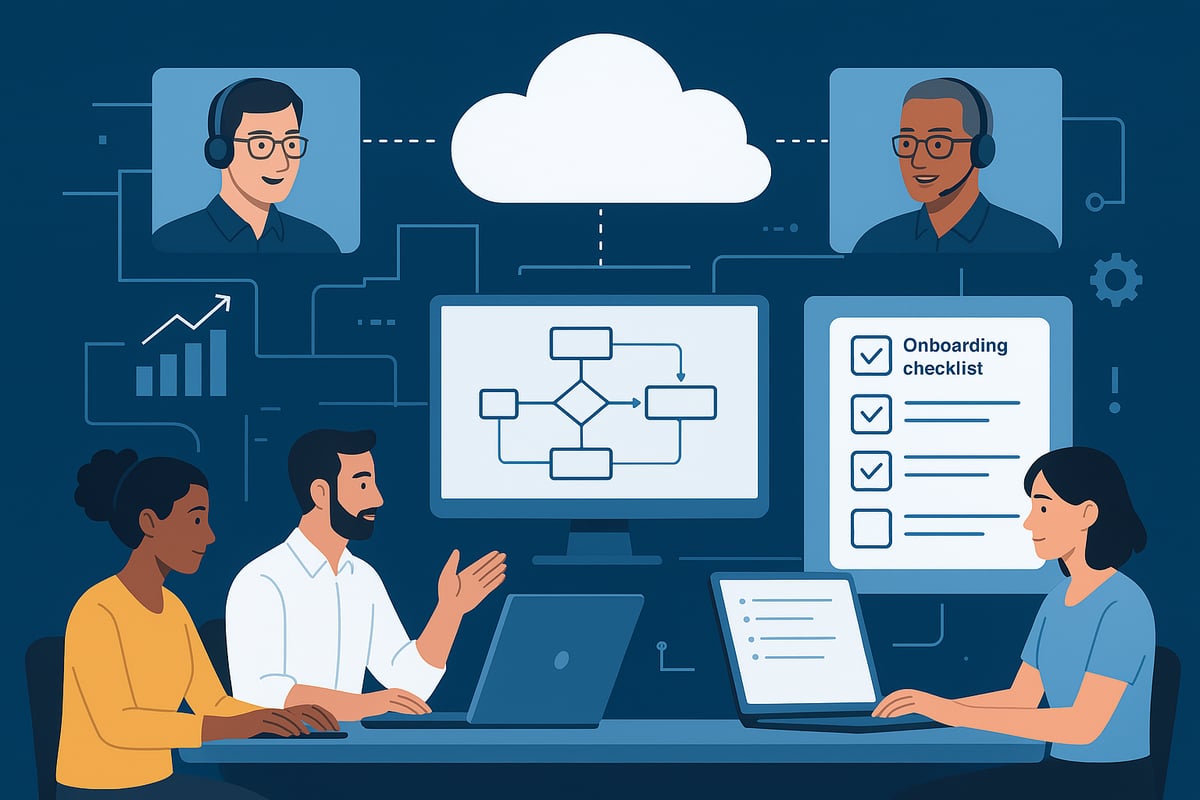
A smooth onboarding process is essential for IT staff augmentation success. Align augmented staff with your internal teams, workflows, and company culture from day one.
Implement secure access management and ensure compliance with all relevant regulations. Cloud-based onboarding platforms can expedite remote integrations, allowing new engineers to hit the ground running.
Clear communication, welcome materials, and defined roles help external talent feel engaged and productive, minimizing downtime and maximizing impact.
Step 5: Managing Performance and Communication
Consistent performance management is the backbone of effective IT staff augmentation. Set clear KPIs, milestones, and regular feedback loops to keep projects on track.
Leverage collaboration tools like Slack, Jira, and Teams to bridge time zones and maintain transparency. Schedule regular check-ins to foster rapport and address any issues early.
Encourage knowledge sharing and cultural integration to unify your extended teams, ensuring that IT staff augmentation leads to sustained productivity and innovation.
Step 6: Scaling Up or Down as Needed
One of the greatest advantages of IT staff augmentation is flexibility. Use dynamic contracts to ramp resources up or down based on project demands, seasonal spikes, or shifting priorities.
When scaling down after a project, plan for knowledge transfer and transition to full-time hires if needed. For example, a retailer may increase offshore support during the holiday surge, then scale back once peak season ends.
This adaptable approach allows your organization to respond to market changes efficiently while maintaining control over costs and outcomes.
Risks, Challenges, and Solutions in IT Staff Augmentation
Navigating the risks of it staff augmentation is essential for any business aiming to scale technology teams efficiently. While the benefits are significant, challenges such as miscommunication, security vulnerabilities, and skill gaps can impact project outcomes. By understanding these pitfalls and implementing proactive solutions, organizations can maximize the value of it staff augmentation while minimizing disruption.

Common Pitfalls and How to Avoid Them
One of the most common pitfalls in it staff augmentation is misaligned expectations between internal and augmented teams. Unclear project scopes and communication breakdowns can derail progress. In fact, industry reports reveal that 80% of project failures are linked to poor communication.
To avoid these issues, start with a clearly defined engagement model. Set expectations early, document deliverables, and establish regular check-ins. Use collaboration tools to bridge gaps, and ensure all team members understand their roles.
| Pitfall | Impact | Solution |
|---|---|---|
| Unclear Scope | Delays, rework | Detailed project documentation |
| Cultural Misalignment | Low morale | Cultural onboarding sessions |
| Poor Communication | Missed deadlines | Scheduled status updates |
By addressing these pitfalls proactively, you can ensure your it staff augmentation strategy delivers consistent results.
Security, Compliance, and Data Privacy Risks
Security and compliance are critical concerns in it staff augmentation. Companies must ensure that all external professionals adhere to standards such as SOC2, ISO, HIPAA, and GDPR. Without robust controls, sensitive data may be at risk.
Implement secure onboarding procedures, including restricted access to systems and clear data handling policies. Regularly audit compliance and ensure that augmented staff receive up-to-date training on security protocols. For example, healthcare providers often require HIPAA-verified engineers to protect patient information.
By prioritizing compliance, organizations can protect their data and reputation while leveraging it staff augmentation effectively.
Mitigating Resume Fraud and Skill Gaps
Resume fraud is a growing challenge in it staff augmentation, with candidates sometimes misrepresenting skills or experience. This can lead to costly project delays and compromised quality. To combat this, organizations should leverage multi-layered verification processes, including technical assessments, background checks, and reference validation.
Platforms specializing in emerging roles in IT staff augmentation for 2026 now utilize AI-driven screening and fraud detection to ensure only qualified professionals are matched to projects. By partnering with such providers, you reduce the risk of skill gaps and improve project outcomes.
Taking these steps will help you build a reliable, high-performing team through it staff augmentation.
Ensuring Long-Term Success and ROI
Sustaining long-term value from it staff augmentation requires continuous monitoring and strategic planning. Set clear KPIs and use regular feedback sessions to track performance. Document knowledge transfer processes so expertise remains within your organization after the engagement ends.
Plan for retention or smooth transitions if you decide to convert augmented staff to full-time employees. This foresight not only preserves business continuity but also maximizes return on investment from your it staff augmentation efforts.
By focusing on these strategies, businesses can unlock the full potential of it staff augmentation while minimizing risks.
Real-World Examples and Future Trends
Businesses leveraging it staff augmentation see measurable improvements in project delivery, innovation, and resilience. Exploring success stories, common pitfalls, and emerging trends helps organizations make informed decisions and maximize value.
Case Studies: Success Stories in IT Staff Augmentation
Several organizations have achieved remarkable outcomes through it staff augmentation. For example, a fintech company accelerated its AI-powered product launch by integrating nearshore engineers, reducing time-to-market and increasing product quality. In healthcare, a major hospital system augmented its cybersecurity team to meet strict compliance standards and prevent data breaches.
These cases highlight how strategic talent augmentation not only fills skill gaps but also drives innovation and business growth. Companies benefit from flexible access to specialists, ensuring continuity and rapid scaling during critical projects.
Lessons Learned from Failed Augmentation Projects
Despite the advantages, some businesses encounter setbacks when implementing it staff augmentation. Common issues include poor vendor selection, inadequate onboarding, and lack of thorough candidate verification. For instance, a retailer faced costly delays when misrepresented candidates caused project bottlenecks and communication breakdowns.
To avoid these pitfalls, organizations must prioritize transparent processes, clear expectations, and robust verification. Learning from these failures enables companies to refine their strategies and achieve better results in future augmentation efforts.
The Future of IT Staff Augmentation: 2026 and Beyond
Looking ahead, it staff augmentation will be shaped by AI-driven talent matching, rigorous verification, and global compliance standards. Hybrid distributed teams will become the norm, with businesses blending onshore, nearshore, and offshore resources for optimal flexibility and coverage.
Cybersecurity and zero trust staffing will take center stage, as data protection remains a top priority. Companies that adopt these future-focused practices will position themselves for sustained competitiveness and innovation.
Key Takeaways for Business Leaders
For decision-makers, it staff augmentation stands out as a strategic lever for navigating rapid technological change. Choosing the right hiring model, trusted partners, and verified talent pools is essential to minimizing risk and maximizing ROI.
Staying adaptive, fostering knowledge transfer, and maintaining continuous performance monitoring will empower organizations to harness the full potential of staff augmentation. These best practices ensure long-term success in a dynamic tech landscape.
As you’ve seen throughout this guide, finding verified IT talent is more critical than ever as we move into 2026. With so many moving parts—skills validation, compliance, and culture fit—it can feel overwhelming to get it right. That’s where Augmnt steps in, giving you direct access to a pool of pre-vetted AI professionals while removing the risks of resume fraud and lengthy hiring cycles. If you’re ready to experience a smarter, more efficient way to build your tech teams, you can see the benefits firsthand. Take the next step and Start Free Trial.