IT Security Recruitment Agencies: 2026 Hiring Guide
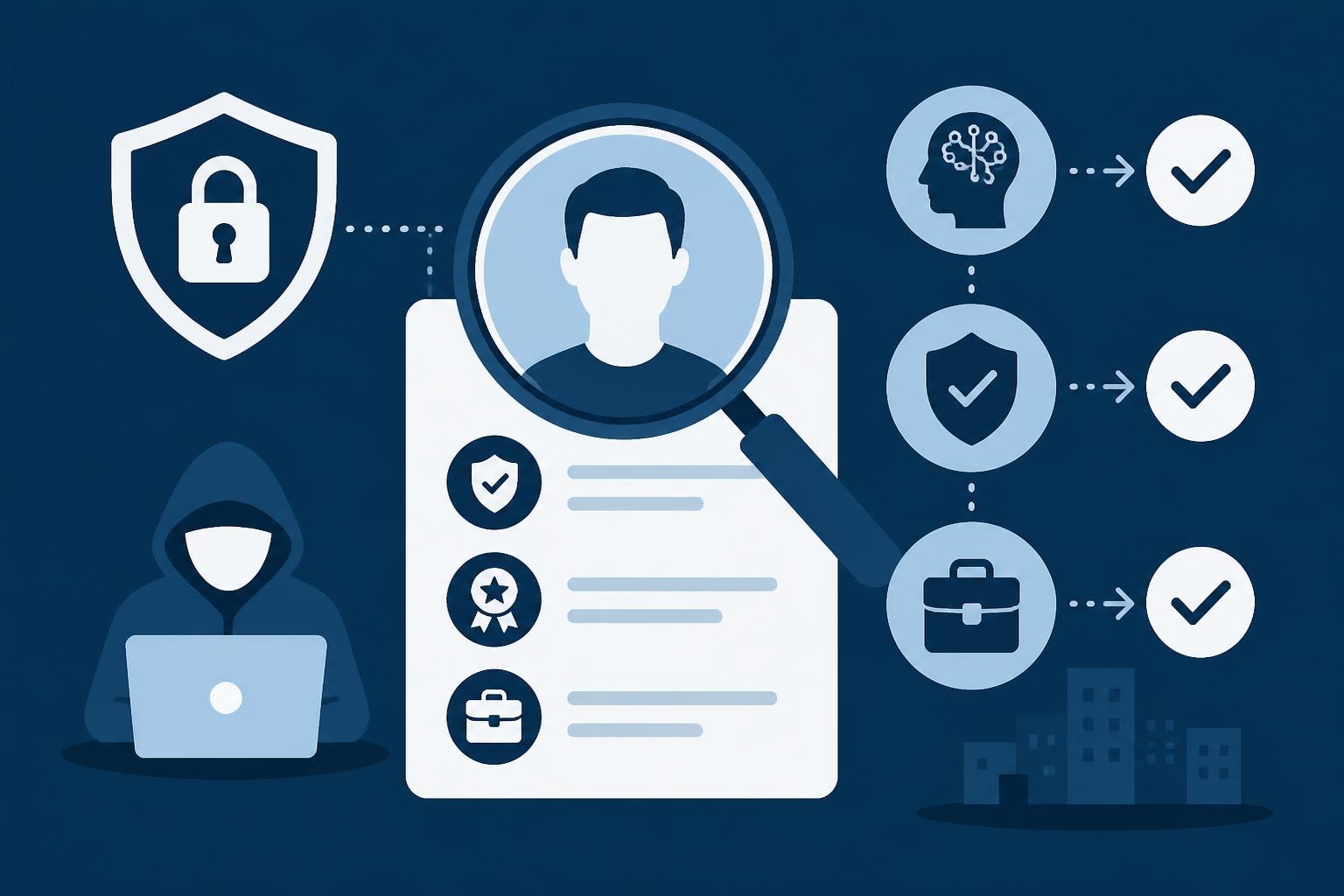
Organizations across industries face an escalating challenge in 2026: finding qualified cybersecurity professionals to protect their digital assets. The combination of a persistent talent shortage and increasingly sophisticated cyber threats has made partnering with specialized it security recruitment agencies more critical than ever. These agencies serve as essential intermediaries, connecting businesses with verified security experts while navigating the complexities of a competitive hiring landscape where cybersecurity job market trends continue to evolve rapidly.
Understanding the IT Security Talent Landscape in 2026
The cybersecurity workforce gap remains one of the most pressing challenges facing modern enterprises. Current data reveals that organizations are struggling to fill critical security positions, with millions of cybersecurity roles remaining unfilled globally. This shortage creates intense competition for qualified candidates, driving up salaries and forcing companies to reconsider traditional recruitment approaches.
IT security recruitment agencies specialize in navigating this constrained market by maintaining extensive networks of pre-vetted security professionals. These agencies understand the nuanced skill requirements that distinguish different security roles, from penetration testers to security architects.
Market Dynamics Driving Demand
Several factors contribute to the heightened demand for specialized recruitment services in the security sector:
- Expanding Attack Surface: Cloud adoption, remote work, and IoT proliferation create more vulnerabilities requiring expert oversight
- Regulatory Compliance: Stricter data protection laws mandate dedicated security personnel
- Skills Evolution: Rapidly changing threat landscapes require professionals with current, specialized knowledge
- Retention Challenges: High burnout rates and workforce stress create constant turnover
The complexity of matching candidates to roles extends beyond technical skills. Cultural fit, industry experience, and security clearance levels add additional layers to the hiring equation that specialized agencies are uniquely positioned to manage.
How IT Security Recruitment Agencies Add Value
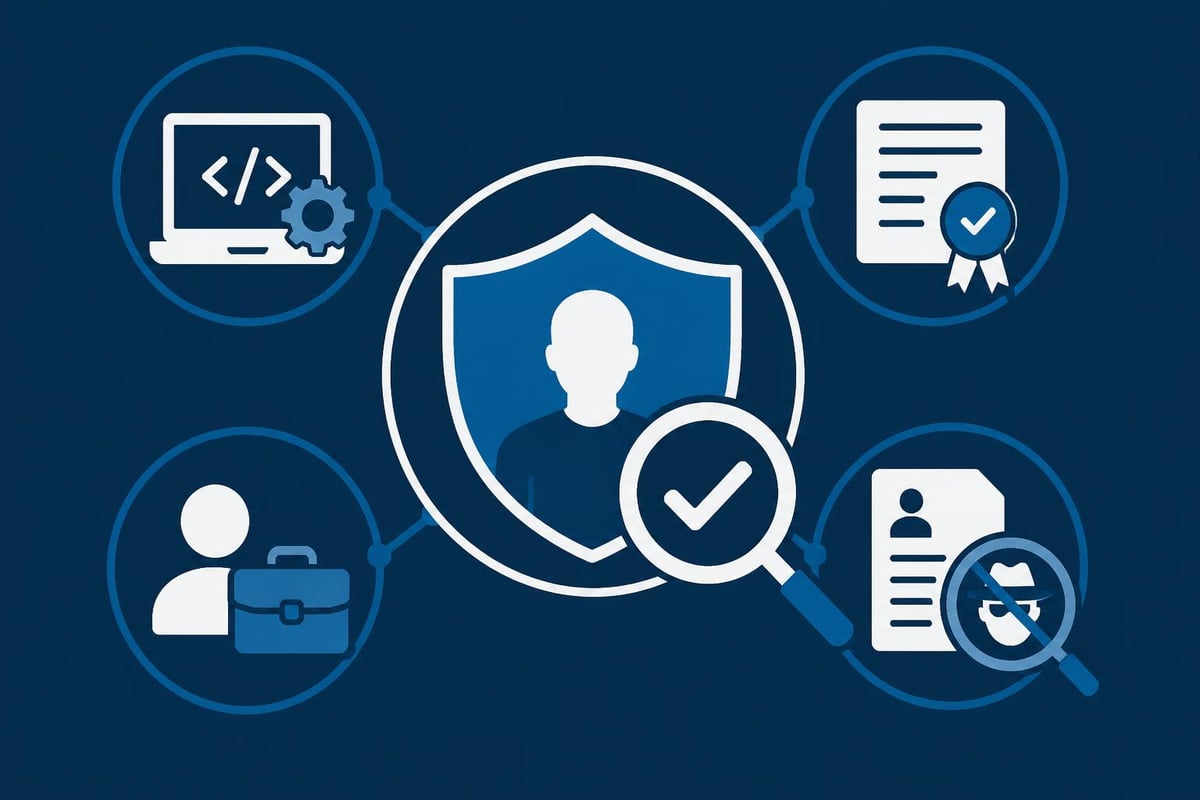
Traditional recruitment methods often fail in the cybersecurity domain because generalist recruiters lack the technical knowledge to evaluate candidate qualifications accurately. IT security recruitment agencies overcome this limitation through several specialized approaches.
Technical Expertise and Industry Knowledge
Specialized agencies employ recruiters who understand security frameworks, compliance requirements, and emerging technologies. This expertise enables them to:
- Assess technical proficiency through meaningful conversations about real-world security scenarios
- Evaluate certification relevance by understanding which credentials matter for specific roles
- Identify transferable skills from adjacent fields like network engineering or software development
- Recognize emerging specializations such as cloud security or AI-driven threat detection
This technical fluency creates more accurate candidate-role matching than generalist recruitment firms can provide.
Candidate Verification and Credential Validation
The cybersecurity field attracts resume fraud due to high salaries and demand. IT security recruitment agencies implement rigorous verification processes to ensure candidate authenticity. These processes include validating certifications through issuing organizations, conducting technical interviews that reveal practical knowledge, and performing background checks appropriate for security-sensitive positions.
Platforms like Augmnt ATS have introduced advanced fraud detection capabilities that use AI to identify resume inconsistencies and verify candidate credentials systematically, addressing one of the most significant challenges in security recruitment.
Key Services Provided by Security Recruitment Specialists
IT security recruitment agencies offer a range of services tailored to the unique demands of hiring security professionals. Understanding these offerings helps organizations select the right partnership model for their needs.
| Service Type | Description | Best For |
|---|---|---|
| Contingency Recruitment | Fee charged only when placement is made | Organizations with occasional hiring needs |
| Retained Search | Exclusive partnership with upfront fees | Executive-level security positions (CISO, VP Security) |
| Contract Staffing | Temporary security professionals for projects | Audit support, incident response, short-term initiatives |
| Embedded Recruitment | Agency recruiter works on-site with hiring team | High-volume security hiring or team building |
Specialized Role Placement
Different security positions require distinct skill sets and experience levels. Top it security recruitment agencies maintain candidate pools segmented by specialization:
- Offensive Security: Penetration testers, red team operators, ethical hackers
- Defensive Security: SOC analysts, incident responders, threat hunters
- Governance and Compliance: Risk assessors, compliance managers, auditors
- Security Architecture: Cloud security architects, zero-trust designers, infrastructure security specialists
- Application Security: Secure code reviewers, DevSecOps engineers, security researchers
This specialization ensures candidates possess not just general security knowledge but specific expertise relevant to the role.
Market Intelligence and Salary Benchmarking
Agencies track compensation trends across geographies and specializations, helping organizations set competitive offers. They provide insights into signing bonuses, equity packages, and benefits that appeal to security professionals in specific markets.
Evaluating IT Security Recruitment Agencies
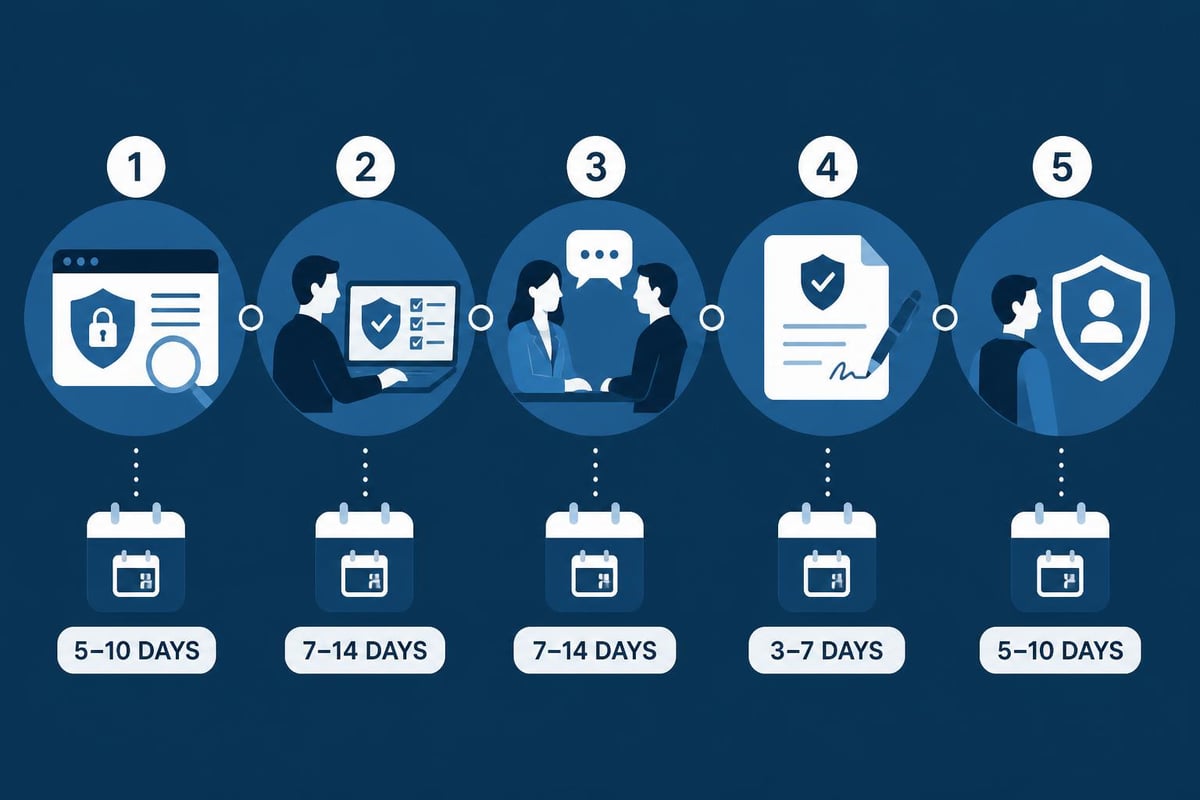
Not all recruitment agencies deliver equal value. Organizations should assess potential partners using specific criteria to ensure alignment with their hiring objectives.
Experience and Track Record
Years in security recruitment indicates whether an agency understands the field's evolution. Agencies that have navigated previous talent shortages bring valuable perspective to current challenges.
Placement metrics reveal effectiveness. Request data on:
- Time-to-fill for security positions
- Candidate retention rates at 6, 12, and 24 months
- Client satisfaction scores
- Placement-to-interview ratios
Industry specialization matters significantly. An agency focused on hiring cybersecurity talent for financial services may not understand the nuances of healthcare security compliance.
Candidate Pool Quality and Diversity
The strength of an agency's network directly impacts placement success. Inquire about:
- Size and composition of their candidate database
- Methods for sourcing passive candidates not actively job searching
- Strategies for building diverse candidate pipelines
- Relationships with cybersecurity training programs and universities
- Presence at industry conferences and security events
Geographic reach also influences candidate availability. Determine whether the agency can source talent locally, nationally, or internationally based on your requirements.
Assessment Methodologies
Understanding how agencies evaluate candidates reveals their technical depth. Effective it security recruitment agencies employ multi-stage assessment processes including technical screenings conducted by experienced security professionals, practical exercises that demonstrate real-world problem-solving abilities, and behavioral interviews that assess cultural fit and communication skills.
Emerging Trends in Security Recruitment
The IT security recruitment landscape continues to evolve in response to technological changes and workforce dynamics. Forward-thinking agencies adapt their strategies to address these shifts.
Remote Work and Global Talent Pools
The normalization of remote work has expanded candidate pools geographically. Organizations can now hire security talent from anywhere, creating both opportunities and challenges. IT security recruitment agencies help navigate international hiring complexities including time zone coordination, work authorization requirements, and remote onboarding processes.
This geographic flexibility has proven particularly valuable in specialized areas where local talent is scarce. The growth in UK cyber jobs demonstrates how markets respond when employers broaden their search parameters.
Skills-Based Hiring Over Credential Emphasis
Traditional hiring focused heavily on certifications and formal education. Modern approaches prioritize demonstrated capabilities and practical experience. Progressive it security recruitment agencies assess candidates through:
- Capture-the-flag competitions and security challenges
- Portfolio reviews of previous security assessments or research
- Contributions to open-source security tools
- Speaking engagements and published research
This shift acknowledges that cybersecurity education needs rethinking and that non-traditional backgrounds can produce exceptional security professionals.
AI-Enhanced Candidate Matching
Artificial intelligence is transforming how agencies identify suitable candidates. Machine learning algorithms analyze job requirements and candidate profiles to suggest optimal matches based on skills, experience, and career trajectory. These systems improve over time, learning from successful placements to refine future recommendations.
However, the most effective approaches combine AI efficiency with human judgment, ensuring that cultural fit and soft skills receive appropriate consideration alongside technical qualifications.
Specialized Security Domains and Recruitment Challenges
Different security specializations present unique recruitment challenges that experienced agencies navigate through domain-specific strategies.
Cloud Security Professionals
The migration to cloud infrastructure has created enormous demand for professionals who understand AWS, Azure, and Google Cloud security architectures. Finding candidates who combine traditional security knowledge with cloud platform expertise remains challenging. IT security recruitment agencies often work with candidates transitioning from traditional infrastructure roles, helping them acquire cloud certifications while marketing their transferable security fundamentals.
AI and Machine Learning Security
As organizations deploy AI systems, they need security professionals who understand adversarial machine learning, model poisoning, and AI-specific attack vectors. This emerging field requires candidates with both security backgrounds and data science knowledge. Recruitment agencies specializing in this niche often source from academic research programs or collaborate with AI talent marketplaces that maintain pools of verified AI professionals.
Operational Technology (OT) Security
Manufacturing, energy, and infrastructure organizations require security experts who understand industrial control systems and SCADA networks. These environments differ significantly from traditional IT, requiring specialized knowledge of protocols like Modbus and DNP3. Finding candidates with both OT experience and security expertise challenges even specialized agencies.
Building Effective Agency Partnerships
Maximizing value from it security recruitment agencies requires active partnership rather than passive vendor relationships. Organizations that treat agencies as strategic partners achieve better outcomes.
Clear Communication of Requirements
Detailed job descriptions should extend beyond bullet-point lists to describe actual work scenarios, team dynamics, and growth opportunities. The more context agencies receive, the better they can assess candidate fit.
Realistic expectations about timelines and candidate availability prevent frustration. For highly specialized roles, agencies may need 60-90 days to identify qualified candidates.
Feedback loops improve agency performance over time. Promptly communicating why candidates were rejected helps agencies refine their understanding of your preferences.
Collaborative Interview Processes
Streamlined interview processes respect candidate time while providing thorough evaluation. Recommended approach:
| Stage | Participants | Duration | Focus Areas |
|---|---|---|---|
| Initial Screen | Agency recruiter | 30 min | Basic qualifications, interest level |
| Technical Assessment | Hiring manager or senior engineer | 60 min | Hands-on problem solving, technical depth |
| Cultural Fit | Team members | 45 min | Communication, collaboration style |
| Final Interview | Executive leadership | 30-45 min | Strategic thinking, long-term potential |
Coordinate scheduling to minimize delays between stages. Top candidates often have multiple offers, making speed essential.
Compensation Transparency
Share budget parameters upfront to avoid wasting time on candidates outside your range. IT security recruitment agencies can provide market data to help justify compensation decisions internally when competing for exceptional talent.
Alternatives and Complementary Strategies
While specialized recruitment agencies provide significant value, a comprehensive talent acquisition strategy incorporates multiple approaches.
Internal Talent Development
Growing security professionals from within reduces dependence on external hiring. Identify engineers, analysts, or administrators interested in security careers and support their transition through training, certifications, and mentorship. This approach builds institutional knowledge while filling roles.
Direct Sourcing Initiatives
Building relationships with candidates directly through LinkedIn, security conferences, and community engagement creates a pipeline independent of agencies. While resource-intensive, this strategy can reduce recruitment costs for organizations with ongoing hiring needs and the capacity to maintain active sourcing efforts through dedicated recruitment tools.
University Partnerships
Collaborating with universities offering cybersecurity programs provides access to emerging talent. Internship programs create evaluation opportunities while building your employer brand among students who will enter the workforce over coming years.
Cost Considerations and ROI
IT security recruitment agencies typically charge 15-30% of the placed candidate's first-year salary for permanent positions. While this represents a significant investment, calculating true hiring costs requires considering:
- Internal recruiting time spent sourcing, screening, and interviewing
- Opportunity costs from unfilled security positions exposing the organization to risk
- Failed hire expenses when internal processes place unsuitable candidates
- Onboarding efficiency gained from better-matched candidates who require less training
For critical security roles, agency fees often deliver positive ROI by reducing time-to-fill and improving placement quality. Contract placements typically involve markup on hourly rates rather than percentage-based fees, providing flexibility for project-based needs.
Regional Considerations and Market Variations
Security talent availability and compensation vary significantly by geography. IT security recruitment agencies with multi-market presence provide valuable insights into these variations.
High-Demand Markets
Technology hubs like San Francisco, New York, and Seattle face intense competition for security talent. Agencies operating in these markets maintain extensive networks and understand local compensation expectations. Organizations hiring in these regions should prepare for premium salaries and creative benefits packages.
Emerging Talent Markets
Cities developing technology ecosystems, such as Austin, Denver, and Raleigh, offer growing pools of security talent at more competitive rates. Forward-thinking agencies identify these markets early, establishing presence before competition intensifies.
International Recruitment
Hiring security professionals internationally introduces visa considerations, work authorization timelines, and cultural integration challenges. Specialized agencies manage these complexities, ensuring compliance with immigration requirements while facilitating smooth onboarding for international hires.
Navigating the complex landscape of IT security hiring requires specialized expertise, extensive networks, and sophisticated verification processes that most organizations struggle to maintain internally. By partnering with experienced it security recruitment agencies, businesses can access pre-vetted talent pools, reduce time-to-fill for critical positions, and ensure candidates possess both the technical capabilities and cultural fit necessary for long-term success. Whether you're building a security team from scratch or filling specialized roles, Augmnt offers an intelligent alternative that combines AI-powered matching with comprehensive fraud detection to connect you with verified professionals who meet your exact requirements.