The Insider's Guide to Identity Verification for Hiring 2026
The future of recruitment is digital, and with this shift comes new threats for every organization. As virtual hiring becomes the norm, the risk of sophisticated identity fraud grows rapidly.
Understanding identity verification for hiring is now essential for employers who want to protect their companies and teams. This article will help you navigate the evolving landscape by breaking down why identity verification for hiring matters, the trends and regulations shaping 2026, and the most effective tools and processes available.
Discover how cutting-edge solutions can help you avoid costly mistakes, support diverse and trustworthy teams, and streamline your hiring. If you want practical, up-to-date guidance on building a secure and compliant workforce, you are in the right place.
Why Identity Verification is Critical in 2026 Hiring
The landscape of identity verification for hiring has changed dramatically. As digital transformation accelerates, so do the risks associated with bringing new talent onboard. Employers face unprecedented challenges in ensuring every candidate is who they claim to be.
Remote and Global Hiring: A Double-Edged Sword
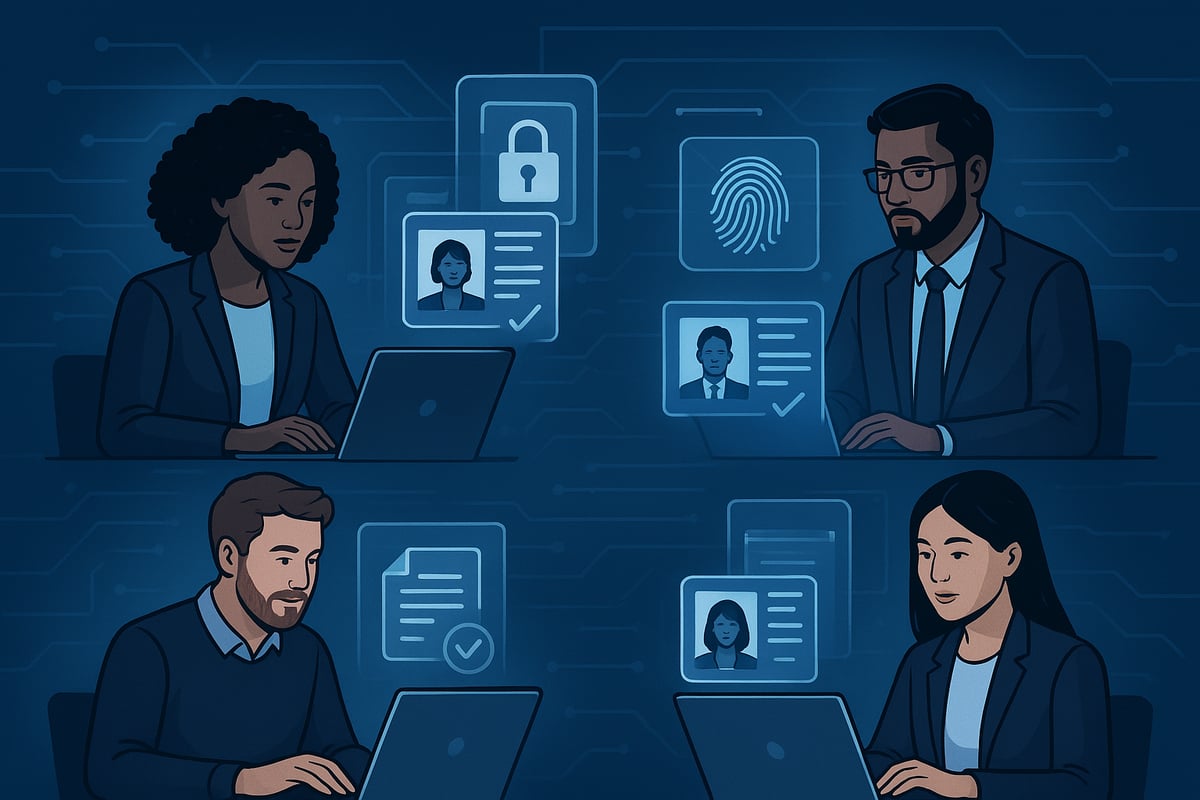
Remote and cross-border hiring have unlocked global talent but also opened new doors for fraudsters. With teams spanning continents and candidates applying from anywhere, identity verification for hiring is now the first line of defense. The lack of face-to-face interactions means HR teams must rely on robust digital tools to confirm identities.
The Cost of Bad Hires: More Than Just Money
A single fraudulent hire can ripple across an organization, causing financial loss, reputational harm, and legal headaches. Recent studies show companies losing thousands to identity scams. In fact, employers admit candidates faking identities with AI have outsmarted traditional checks, exposing companies to costly consequences. This highlights why identity verification for hiring must be rigorous and up-to-date.
Fraud Tactics in 2026: Sophistication on the Rise
Fraudsters have become more sophisticated than ever. Common tactics include:
- Deepfake video interviews
- Forged digital documents
- AI-generated resumes and references
These evolving schemes make identity verification for hiring a moving target. Employers must stay ahead with advanced detection methods and regular process updates.
Regulatory Landscape: Compliance Is Non-Negotiable
Global and regional regulations are tightening. GDPR updates in Europe, new U.S. state laws, and sector-specific requirements all shape how organizations handle identity verification for hiring. Non-compliance can result in fines, audits, or even bans from operating in certain markets, making it essential to keep processes aligned with the latest standards.
Industry-Specific Risks: Some Sectors Hit Harder
Certain industries face higher stakes. Tech, finance, and healthcare are prime targets because of access to sensitive data and valuable assets. In these sectors, identity verification for hiring is not just a best practice but a regulatory and reputational necessity.
Case Study: When a Fraudulent Hire Causes a Data Breach
In 2025, a major financial institution suffered a data breach traced to a fraudulent employee. The individual used forged credentials and deepfake technology to bypass weak screening procedures. This incident underscored the need for advanced identity verification for hiring, especially when sensitive data is at risk.
The Trust Imperative: Building Stronger Teams
Effective identity verification for hiring does more than protect against fraud. It builds trust, supports diversity, equity, and inclusion, and lays the foundation for long-term growth. Verified teams foster a culture of accountability and safety. In 2026, identity verification for hiring is not optional—it is the cornerstone of secure, successful recruitment.
Step-by-Step Guide to Identity Verification for Hiring
Building a reliable hiring process in 2026 requires a structured, multi-layered approach. Employers must address new risks and compliance standards at every stage. Below is a detailed, step-by-step guide to mastering identity verification for hiring, ensuring you stay ahead of threats and build a foundation of trust.
Step 1: Pre-screening and Candidate Data Collection
The first step in identity verification for hiring is to collect essential candidate information securely. This includes government-issued IDs, credentials, and professional references.
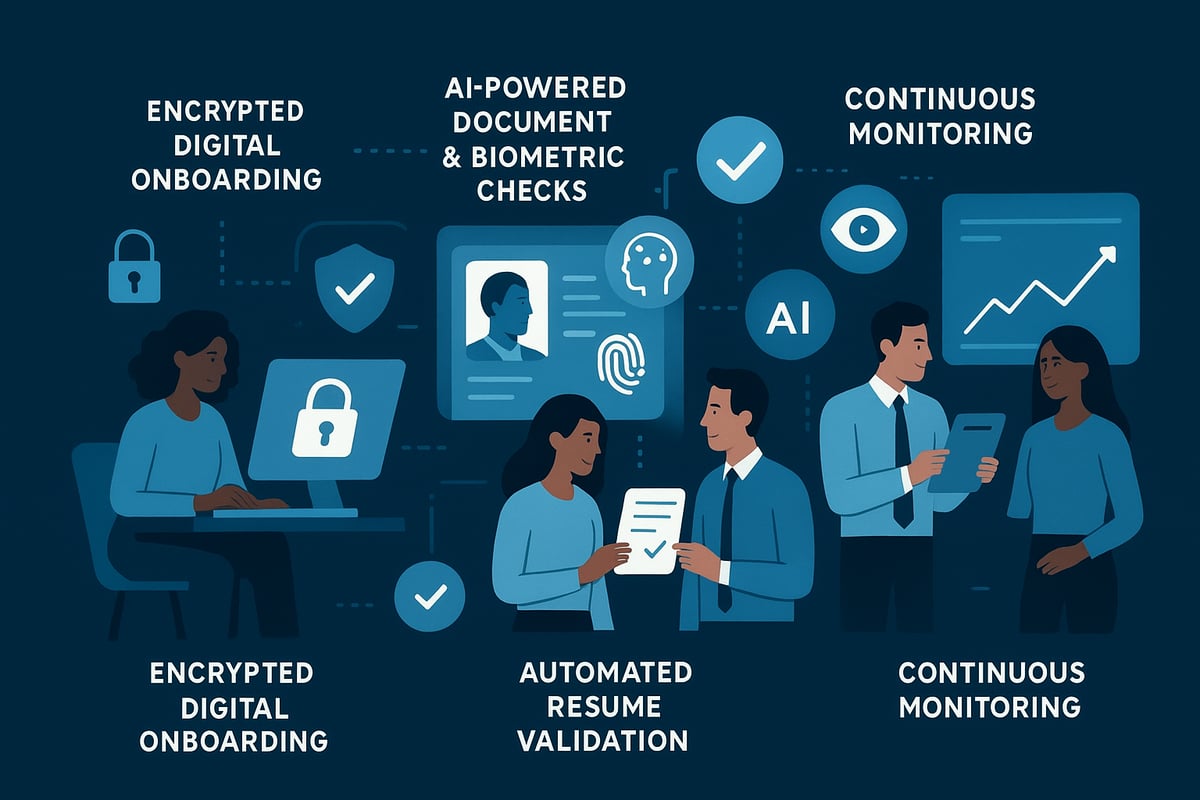
Data privacy is paramount at this stage. Always obtain explicit consent from candidates before gathering or processing their details. Digital onboarding forms with encrypted data capture help protect sensitive information and comply with privacy regulations.
Employers should use secure platforms to avoid data leaks. Establishing clear communication about privacy rights fosters trust from the start. By prioritizing security in pre-screening, identity verification for hiring becomes both compliant and candidate-friendly.
Step 2: Document Authentication and Biometric Checks
Once data is collected, the next step in identity verification for hiring involves authenticating documents and verifying biometrics. Employers must validate government-issued IDs, passports, and work visas using AI-powered tools that detect forgery or tampering.
Biometric verification, such as facial recognition, fingerprint scanning, or even voice authentication, is now widely adopted. According to 2026 Biometric Trends That Will Redefine Identity, advanced biometrics are becoming central to identity verification for hiring, offering enhanced security and user convenience.
Automated systems analyze document integrity and compare biometric data to official records. In 2026, adoption rates for biometric tools have surged, especially in sectors sensitive to fraud. Integrating these technologies reduces manual review times and increases accuracy.
Employers should regularly update verification methods to counter evolving threats. Combining document checks with biometrics creates a strong defense against identity fraud in hiring.
Step 3: Resume and Credential Verification
After confirming identity documents, the focus shifts to resume and credential verification. Cross-referencing employment history, education, and certifications is crucial in identity verification for hiring.
Automated systems can scan resumes for inconsistencies or fabricated details. AI and blockchain technologies help detect altered credentials, offering a tamper-proof record of qualifications. Manual checks, while thorough, are often slower and may miss sophisticated fraud attempts.
Recent statistics show a rise in resume falsification, particularly in tech roles. Employers must use both automated and manual checks for high-risk positions. By leveraging advanced tools, organizations can prevent unqualified candidates from slipping through the cracks.
Maintaining a robust verification process at this stage builds trust and protects company reputation.
Step 4: Background and Compliance Screening
Background checks are a cornerstone of identity verification for hiring. This step includes criminal record searches, work eligibility confirmation, and screening against global sanctions lists.
Regulatory compliance is critical. Employers must ensure their processes align with GDPR, CCPA, and local labor laws. Modern background screening tools integrate seamlessly with applicant tracking systems, streamlining the process and minimizing errors.
Penalties for non-compliance are steep. In 2025 and 2026, several companies faced substantial fines for failing to verify candidate backgrounds properly. Integrating compliance checks into identity verification for hiring reduces legal and financial risks.
A comprehensive screening process enhances organizational integrity and demonstrates a commitment to safe, lawful hiring practices.
Step 5: Ongoing Monitoring and Re-Verification
Identity verification for hiring does not end once a candidate is onboarded. Ongoing monitoring is essential, especially for contractors, remote employees, and gig workers.
Triggers for re-verification can include role changes, project milestones, or security incidents. AI-driven platforms offer real-time fraud alerts, enabling rapid response to suspicious activity.
Some companies have successfully prevented insider threats by implementing regular re-verification protocols. This proactive approach ensures continued compliance and reduces the risk of internal fraud.
By making ongoing monitoring a standard practice, employers reinforce a culture of security and accountability.
Top Technologies and Tools for Identity Verification in 2026
The landscape of identity verification for hiring is rapidly evolving as technology advances and threats become more sophisticated. Employers in 2026 must understand the latest tools shaping secure hiring practices, from AI and biometrics to blockchain and integrated platforms. Staying ahead of the curve is crucial, as highlighted in 5 Identity Verification Trends Employers Should Know, which outlines how emerging innovations are reshaping the way organizations verify talent and combat fraud.
AI-Powered Verification Solutions
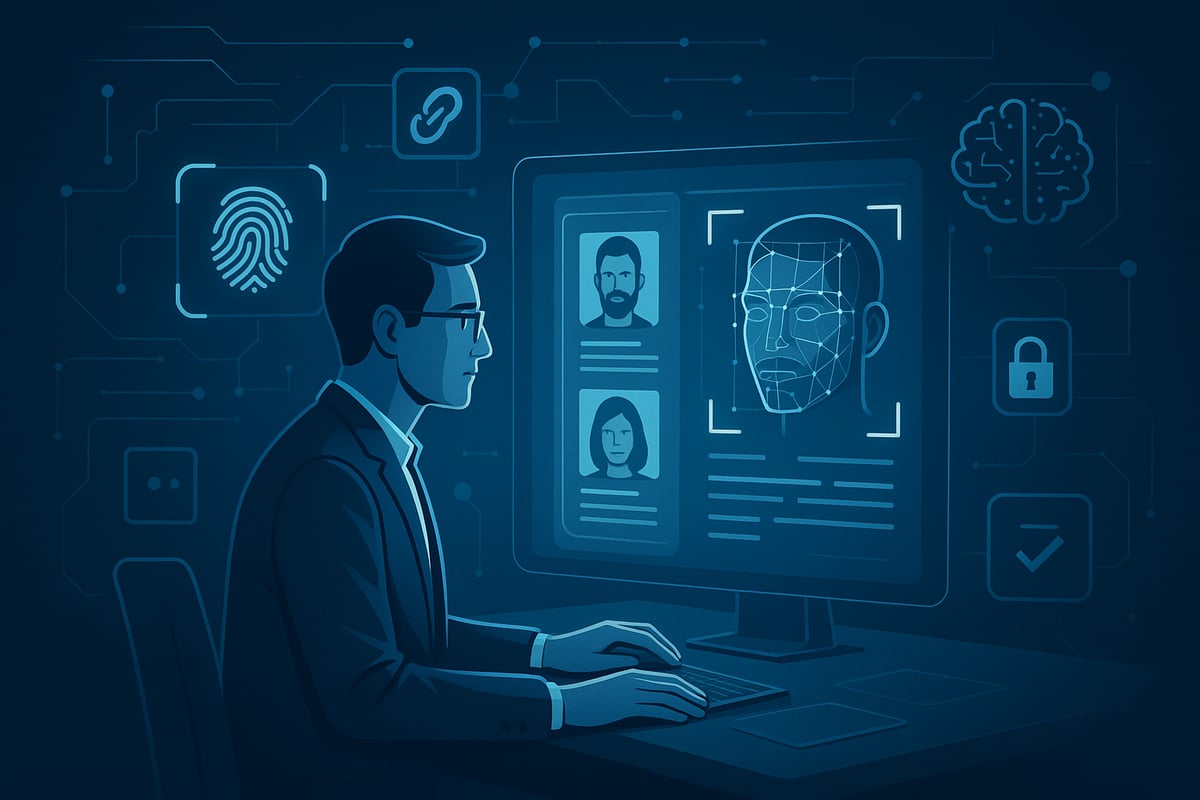
AI is revolutionizing identity verification for hiring by automating document checks, detecting deepfakes, and flagging suspicious patterns. These solutions use machine learning to scan government-issued IDs, analyze selfies, and compare candidate data for inconsistencies. Leading AI verification providers now offer real-time analysis, reducing manual review times by 60 percent and minimizing human error.
Key features of AI-powered solutions include:
- Automatic detection of altered or forged documents
- Deepfake detection through facial movement analysis
- Real-time risk scoring based on candidate behavior
The adoption of AI in identity verification for hiring is expected to reach record levels in 2026, as organizations demand both speed and accuracy. By providing scalable, intelligent screening, AI helps employers safeguard against sophisticated fraud attempts without slowing down the hiring process.
Biometric Authentication Systems
Biometric authentication has become a cornerstone of identity verification for hiring, offering unmatched security and convenience. Technologies like facial recognition, fingerprint scanning, and voice identification are now integrated into digital onboarding workflows. These systems verify that the candidate presenting documents is the rightful owner, reducing impersonation and identity theft risks.
Security and privacy are paramount. Biometric data is encrypted and stored securely, with strict compliance to data protection laws. In 2026, industries like finance and healthcare report over 80 percent adoption of biometric checks in hiring, citing improved trust and reduced fraud.
Common biometric authentication methods:
- Facial recognition using AI-powered liveness checks
- Fingerprint scanning via mobile devices
- Voice recognition for remote interviews
The growing reliance on biometrics in identity verification for hiring ensures only genuine candidates progress, creating a safer recruitment environment.
Blockchain-Based Credentialing
Blockchain technology is transforming identity verification for hiring by enabling verifiable, tamper-proof records of candidate credentials. When universities and certifying bodies issue digital diplomas or certificates on a blockchain, employers can instantly verify their authenticity without manual follow-up.
Key benefits of blockchain-based credentialing include:
- Immutable records that prevent credential fraud
- Instant validation of degrees, certifications, and work history
- Streamlined, transparent hiring processes
In 2026, Fortune 500 companies are piloting blockchain solutions to combat resume fraud and accelerate background checks. Blockchain’s decentralized nature adds a critical layer of trust for identity verification for hiring, making it easier to confirm a candidate’s qualifications in real-time.
Integrated Verification Platforms and ATS
The demand for seamless, end-to-end identity verification for hiring has led to the rise of integrated platforms and Applicant Tracking Systems (ATS) with built-in verification modules. These platforms manage everything from candidate application to onboarding, automating checks and reducing administrative burden.
Benefits of integrated solutions:
- Centralized dashboards for tracking verification status
- Automated compliance checks for global regulations
- Faster time-to-hire through workflow automation
Unified platforms allow HR teams to monitor every step, ensuring consistency and reducing the risk of missed red flags. In 2026, organizations report significant reductions in both fraud incidents and hiring cycle times by embracing integrated identity verification for hiring solutions.
Fraud Detection Extensions and Plugins
Browser extensions and ATS plugins are essential tools for real-time fraud detection in identity verification for hiring. These lightweight tools scan submitted information, flag suspicious activity, and cross-reference candidate profiles with public databases.
A typical workflow includes:
- Instant alerts for duplicate or fake social media profiles
- Verification of digital footprints and references
- Scalability to screen high volumes of applicants
In a recent case, companies using Chrome extensions identified fake LinkedIn profiles before interviews, preventing costly hiring mistakes. The flexibility and user-friendly design of these plugins make them a vital part of identity verification for hiring, especially for organizations managing large remote workforces.
Comparing Leading Identity Verification Platforms
Selecting the right solution for identity verification for hiring can define the security and efficiency of your recruitment process in 2026. As threats evolve and compliance standards tighten, platforms must deliver on accuracy, speed, and global reach.
Key Evaluation Criteria
When assessing identity verification for hiring, consider these critical factors:
- Accuracy: How reliably can the platform detect fraudulent identities?
- Speed: What is the average verification turnaround time?
- Compliance: Does the solution meet GDPR, CCPA, and other regulations?
- User Experience: Is the process seamless for both candidates and hiring teams?
- Cost: What are the pricing models and overall ROI?
Robust identity verification for hiring must balance these elements to minimize risk without slowing down recruitment.
Feature-by-Feature Comparison
Here's a quick comparison of leading platforms shaping identity verification for hiring in 2026:
| Platform | Document Checks | Biometrics | Global Coverage | Compliance | Unique Strengths |
|---|---|---|---|---|---|
| Onfido | AI/Manual | Face, Voice | 195+ countries | High | Fast mobile onboarding |
| Jumio | AI/Manual | Face ID | 200+ countries | High | Advanced fraud analytics |
| Sterling | Manual | Limited | 180+ countries | Very High | Deep background checks |
| HireRight | Manual/AI | Face ID | 200+ countries | High | Custom compliance modules |
Modern providers integrate advanced AI for deepfake and document fraud detection. For example, frameworks like the Agentic AI Microservice Framework for Deepfake Detection are increasingly adopted to strengthen identity verification for hiring across industries.
Industry Fit and Market Data
The ideal identity verification for hiring platform depends on sector needs:
- Tech: Prefers platforms with fast, global digital onboarding and AI-powered fraud detection.
- Finance: Requires strict compliance and enhanced biometric checks.
- Healthcare: Needs deep credential validation and regulatory alignment.
Recent 2026 market reports show Onfido and Jumio leading in tech and finance adoption, while Sterling dominates healthcare and regulated industries. Customer satisfaction is highest for platforms with flexible integrations and real-time fraud alerts.
Limitations and Analyst Insights
No solution for identity verification for hiring is without challenges. Common issues include:
- False positives that delay genuine candidates.
- User drop-off during lengthy verification steps.
- Privacy concerns over biometric data storage.
Analyst reviews highlight that platforms investing in AI, transparency, and candidate-friendly workflows see higher adoption and lower fraud rates. Regular updates and third-party audits are essential to keep pace with evolving threats and maintain trust.
Best Practices and Future-Proof Strategies for Identity Verification
In 2026, a proactive approach to identity verification for hiring is crucial for building resilient organizations. With threats evolving rapidly, adopting forward-thinking strategies helps ensure your hiring process remains both secure and candidate-friendly.
Building a Verification-First Hiring Culture
Embedding identity verification for hiring into every stage of recruitment is essential for minimizing risk. Organizations that prioritize verification early, from job posting to onboarding, create a culture where trust and accountability are non-negotiable.
Training HR teams and hiring managers to spot red flags is a powerful step. Regular workshops on document fraud, deepfake detection, and privacy protocols ensure your team is prepared. Establish clear policies and make verification a core KPI for recruiters.
A strong verification-first culture not only deters fraud but also supports diversity, equity, and inclusion by ensuring all candidates are assessed fairly. For example, companies that embedded verification into every workflow reduced fraud by 80 percent and boosted overall confidence in hiring decisions.
Balancing Security, Compliance, and Candidate Experience
Maintaining robust security and compliance standards is critical, but so is delivering a seamless candidate journey. The best identity verification for hiring processes minimize friction, making it easy for candidates to submit documents and complete checks without feeling overwhelmed.
Transparency is key. Clearly communicate why verification is required and how candidate data will be protected. This builds trust and reduces drop-off rates. Use encrypted digital forms and user-friendly interfaces to streamline the process.
Regularly review your procedures to ensure compliance with laws like GDPR and CCPA. By balancing stringent checks with candidate care, you create a positive hiring experience while mitigating legal and reputational risks.
Leveraging Automation and Human Oversight
Automation accelerates identity verification for hiring, but human expertise remains vital. Automated tools can quickly validate documents, credentials, and biometrics, flagging anomalies for further review.
However, for high-risk roles or ambiguous cases, manual oversight is irreplaceable. A hybrid approach combines the speed of AI with the discernment of experienced professionals. This reduces false positives and ensures fair assessments.
For regulated industries such as finance and healthcare, integrating human checks at critical stages meets compliance requirements and maintains a high standard of due diligence. Organizations using this model report both faster onboarding and improved fraud detection.
Adapting to Evolving Threats and Regulations
The landscape of identity verification for hiring is not static. Cybercriminals constantly develop new tactics, and regulatory frameworks continue to evolve. Staying ahead requires constant vigilance and adaptability.
Schedule regular audits of your verification workflows. Update your tools and training in response to emerging threats like advanced deepfakes or new document forgery techniques. Monitor regulatory updates in all regions where you hire, and adjust your processes to maintain compliance.
Companies that failed to update protocols faced significant fines and reputational harm. Proactive adaptation protects both your talent pipeline and your brand from avoidable risks.
Metrics and KPIs for Verification Success
Tracking performance is essential to optimize identity verification for hiring. Key metrics include time-to-verify, fraud detection rates, and candidate satisfaction scores.
A sample KPI table:
| Metric | Target (2026) | Industry Benchmark |
|---|---|---|
| Time-to-Verify | < 24 hours | 1-2 days |
| Fraud Detection Rate | > 95% | 90-95% |
| Candidate Satisfaction | > 90% positive | 85-90% |
| Drop-off Rate | < 5% | 5-10% |
Benchmark your performance regularly and set goals for continuous improvement. Companies that monitor these KPIs closely report stronger ROI and greater resilience against fraud. A data-driven approach ensures your verification strategy remains effective as threats and expectations change.
As we look ahead to hiring in 2026, staying ahead of identity fraud isn’t just smart—it’s essential. You’ve seen how verified hiring safeguards your team, streamlines recruitment, and keeps your company compliant with ever-evolving regulations. If you’re ready to take the stress out of candidate validation and ensure every AI professional you consider is truly qualified, why not explore the process for yourself? You can see firsthand how Augmnt’s dual-layered AI and human insight make hiring safer, faster, and more reliable. Curious how it all works? Request a Demo and experience the future of fraud-free hiring today.