Hiring AI Guide: Unlock Smarter Recruitment in 2026
Imagine a world where artificial intelligence not only streamlines recruitment but also helps every organization make smarter, faster, and more equitable hiring decisions. As competition for talent intensifies, traditional methods are no longer enough to attract and retain high-quality candidates.
In 2026, hiring ai is set to transform how companies recruit by eliminating inefficiencies, minimizing bias, and raising the bar for candidate quality. This guide will show you how to harness these advancements for smarter recruitment outcomes.
The race for top talent has never been more competitive. AI now offers unmatched speed and precision in attracting, assessing, and onboarding candidates. By leveraging hiring ai, you can build diverse, high-performing teams while reducing risk and bias.
Ready to unlock the next era of recruitment? Discover the key strategies, tools, and ethical considerations you need to succeed in 2026. We will explore AI’s evolving role, practical implementation steps, best practices for fairness, regulatory updates, and what the future holds.
The Evolution of AI in Recruitment: 2026 and Beyond
The journey of hiring ai has been nothing short of transformative. In just six years, recruitment technology shifted from basic keyword-matching tools to sophisticated systems capable of nuanced decision-making. Early adopters in 2020 experimented with chatbots and simple automation. By 2026, AI is deeply embedded across every stage of the hiring process, delivering not just speed but unprecedented strategic value.
AI’s Rapid Transformation: 2020 to 2026
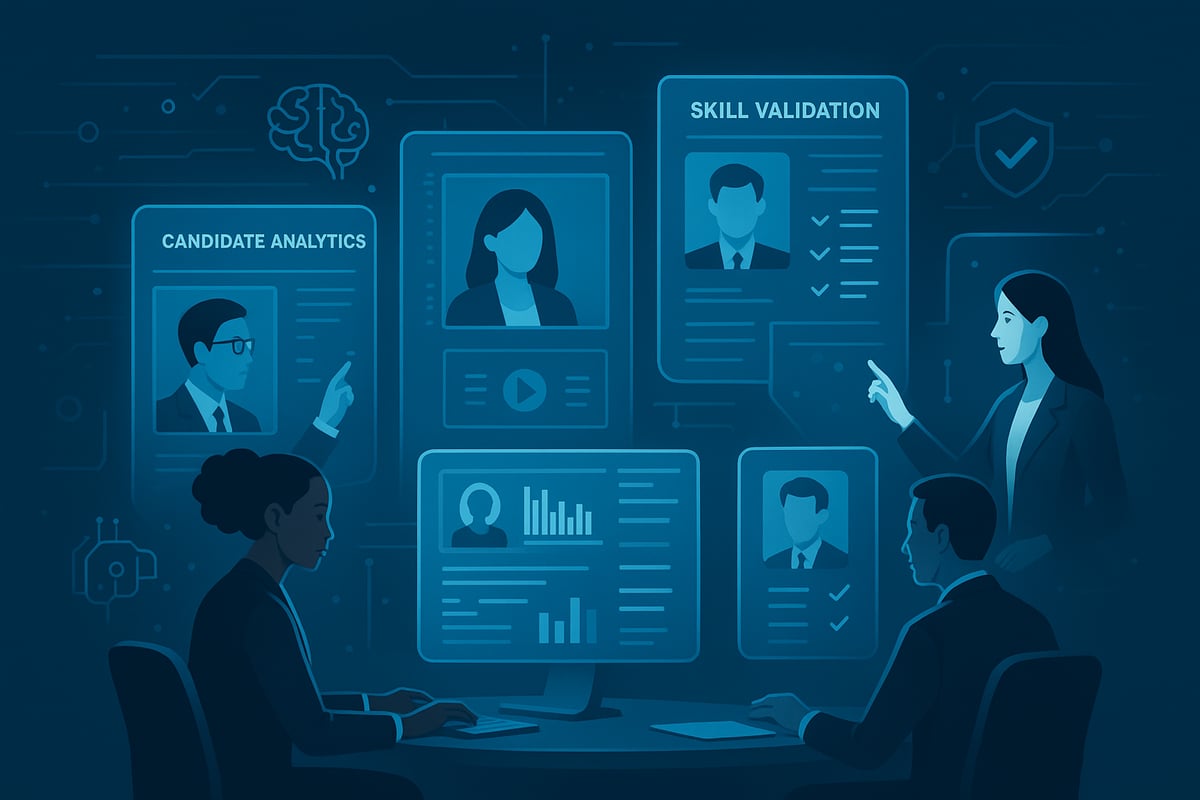
Between 2020 and 2026, hiring ai evolved from a supporting role to a central pillar of recruitment. The pandemic and the shift to remote work forced organizations to rethink traditional practices. Companies quickly adopted AI for virtual screening, digital interviews, and automated assessments, with over 70 million AI-powered interviews conducted on platforms like HireVue.
Industries that once hesitated to trust technology with talent decisions now depend on it to process large candidate volumes, reduce manual screening, and identify top talent faster. The era of AI in recruitment is defined by both scale and sophistication, with adoption rates soaring in sectors from retail to tech.
Driving Forces Behind AI Adoption in Recruitment
Several factors accelerated the rise of hiring ai. The demand for faster, fairer, and more efficient hiring practices became urgent as competition for talent intensified. Remote work, global applicant pools, and the need for diversity and inclusion pushed organizations toward AI-driven solutions.
Key drivers include:
- Administrative efficiency: AI handles repetitive tasks, freeing recruiters for strategic work.
- Candidate experience: Faster feedback and personalized engagement improve employer brand.
- Quality and compliance: AI helps validate skills and maintain regulatory standards.
According to AI Adoption in Talent Acquisition, organizations leveraging AI report significant improvements in candidate quality and process efficiency, reinforcing the shift toward data-driven recruitment.
From Chatbots to Decision-Support: Key Technologies and Use Cases
The landscape of hiring ai in 2026 features a blend of advanced technologies. Natural language processing (NLP), machine learning, generative AI, and large language models (LLMs) power core functions in recruitment.
| Technology | Use Case | Example |
|---|---|---|
| NLP | Resume parsing, chatbots | Automated candidate screening |
| Machine Learning | Skill validation, shortlisting | Predictive job matching |
| Generative AI & LLMs | Interview question generation | Dynamic candidate assessments |
| Workflow Automation | Scheduling, feedback, compliance | Seamless interview logistics |
AI-driven assessments and structured video interviews are now standard, ensuring skill validation at scale. Workflow automation reduces bottlenecks, while sophisticated matching algorithms uncover candidate potential beyond traditional resumes.
Balancing Progress: Efficiency, Bias, and Human Oversight
With the rapid integration of hiring ai, new challenges have emerged. While AI reduces administrative burden and speeds up hiring, it can also perpetuate bias if not carefully managed. Notably, leading platforms discontinued facial analysis features after concerns about algorithmic discrimination.
Recruitment leaders recognize that AI is most effective as a decision-support tool. Human oversight remains essential. AI can flag top candidates and identify risks, but ethical hiring still depends on experienced professionals making final decisions. Regular audits, transparency, and candidate feedback are key to maintaining both efficiency and fairness in the evolving world of AI-powered recruitment.
Step-by-Step Guide to Implementing AI in Your Hiring Process
Unlocking the full potential of hiring ai requires a strategic, phased approach. Rather than rushing adoption, organizations should focus on aligning technology with clear business goals, processes, and people. This step-by-step guide will help you navigate each stage, from identifying pain points to building a resilient, bias-resistant hiring ai ecosystem.
Step 1: Assess Your Recruitment Needs and Goals
Begin by mapping out your current recruitment landscape. Where are the bottlenecks? Is your team overwhelmed by applicant volume, or is finding specialized talent the main challenge? Common pain points include slow screening, inconsistent candidate quality, limited diversity, and exposure to resume fraud.
Set clear objectives for your hiring ai journey. Do you need faster screening for high-volume roles such as retail and hospitality? Or are you seeking precise skill validation for technical hiring ai needs in fields like data science or engineering?
Engage key stakeholders from HR, hiring managers, and leadership. Their input ensures alignment between business goals and hiring ai strategies. By defining your priorities, you can select the right technology and avoid overengineering or underdelivering.
Step 2: Evaluate and Select the Right AI Tools
With your objectives defined, compare available hiring ai solutions. Focus on features that align with your goals, such as automated skill assessments, AI-powered job matching, chatbots, and workflow automation.
Key selection criteria:
| Criteria | Why It Matters | What to Look For |
|---|---|---|
| Transparency | Builds trust | Explainable AI, clear logic |
| Integration | Seamless workflow | ATS compatibility |
| Vendor Credibility | Reduces risk | Proven track record |
| Bias Audits | Ensures fairness | Regular audit reports |
Consider whether proprietary models or third-party tools best fit your hiring ai needs. Demand is rising for solutions that offer bias audits and explainability statements, so prioritize these in your evaluation.
Step 3: Integrate AI with Existing HR Systems
Integration is critical for successful hiring ai implementation. Ensure your chosen tools connect smoothly with your current ATS and HR platforms. Seamless data flow and system compatibility reduce friction and prevent data silos.
Prioritize security and workflow efficiency. Establish clear handoff points, where AI surfaces top candidates and HR reviews the final shortlist. Maintain human oversight throughout the process to catch nuances that algorithms may miss.
Best practices include:
- Conducting integration tests before full rollout
- Assigning ownership for data quality and security
- Documenting workflows for transparency
Proper integration ensures hiring ai enhances, rather than disrupts, your recruitment.
Step 4: Train Teams and Ensure Stakeholder Buy-In
Educating your team is essential for maximizing the value of hiring ai. HR professionals, hiring managers, and leadership must understand both the capabilities and limitations of your new tools.
Address common concerns, such as bias risks, transparency, and potential job displacement. Host regular workshops, Q&A sessions, and provide hands-on training to build confidence and trust.
Encourage open dialogue. Invite feedback and adapt your approach as teams become more familiar with hiring ai. A well-informed workforce is more likely to embrace change and leverage AI ethically and effectively.
Step 5: Monitor, Audit, and Continuously Improve
Ongoing monitoring is vital for responsible hiring ai adoption. Set up regular audits to assess bias, fairness, and overall performance. Collect feedback from both candidates and hiring managers to spot issues early.
Update algorithms and processes as regulations and organizational needs evolve. Schedule frequent review cycles, especially following regulatory changes or audit findings.
Continuous improvement ensures your hiring ai remains fair, compliant, and effective, supporting both business goals and candidate experience.
Fraud-Proofing Your AI Recruitment: The Augmnt Approach
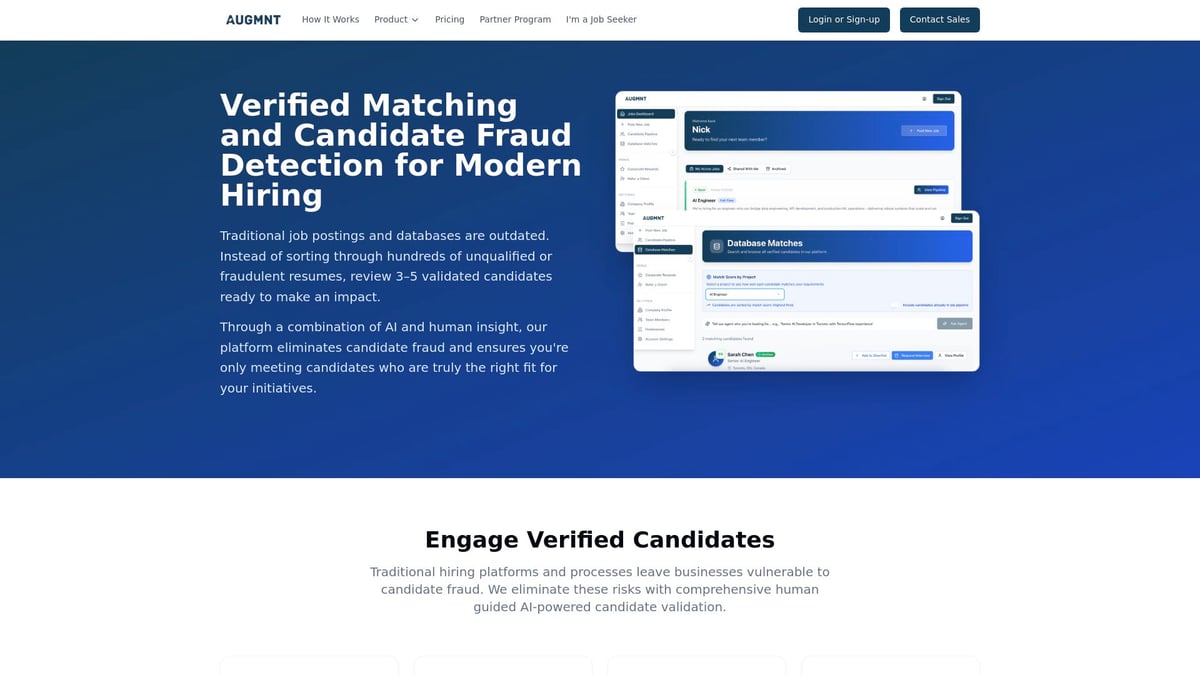
Candidate fraud and resume fabrication are growing threats, especially in hiring ai for technical roles. Augmnt’s AI-powered marketplace tackles these challenges by blending automated fraud detection with human validation.
Key features include:
- Multi-layered verification: skills, education, and background checks
- Fraud-proof shortlists and U.S./Canada talent compliance
- A 100-point scoring and reputation system for accountability
This unique approach reduces hiring risk and streamlines the process, ensuring only qualified candidates reach your team. By leveraging AI-powered recruitment solutions, businesses can achieve faster, safer, and more reliable hiring ai results. Augmnt stands out for organizations seeking verified tech talent and robust fraud prevention.
Bias, Ethics, and Fairness: Navigating the Risks of AI Hiring
Artificial intelligence has brought transformative efficiency to recruitment, but it also introduces new risks. In hiring ai, there is a real danger of perpetuating or even intensifying existing human biases. Predictive models learn from historical data, which often reflects societal inequalities. Research shows that such tools are “biased by default,” leading to skewed outcomes if not carefully managed.
A prime example is gender or racial bias in resume screening algorithms. Some models have been found to favor certain demographics over others, unintentionally replicating discriminatory hiring patterns. Facial recognition in video interviews has also faced criticism for misidentifying or unfairly scoring candidates from underrepresented groups. For deeper insights on this issue, see Bias in AI Resume Screening.
Regulatory Momentum in AI Hiring
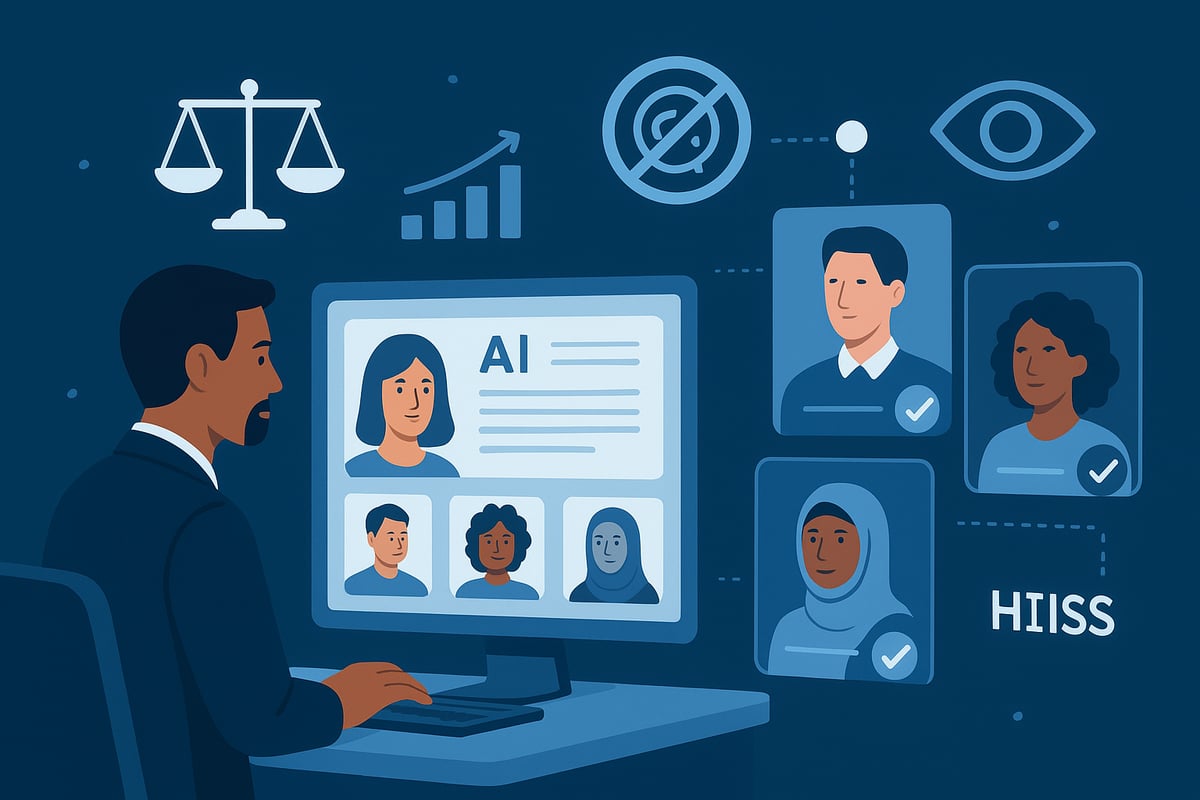
The regulatory landscape for hiring ai is evolving rapidly. Cities like New York have introduced mandatory audits for hiring algorithms to check for bias and ensure transparency. The U.S. Equal Employment Opportunity Commission (EEOC) and the UK’s Trades Union Congress (TUC) are also increasing oversight, setting “red lines” around automated decision-making.
These regulations require companies to disclose the use of AI in hiring ai processes, audit their tools for fairness, and notify candidates about their rights. The goal is to create a more level playing field and protect job seekers from algorithmic discrimination. Compliance is not optional—organizations must adapt or risk legal and reputational consequences.
Best Practices to Mitigate Bias
Organizations using hiring ai must adopt clear strategies to reduce bias. Implementing these best practices is essential:
| Best Practice | Description |
|---|---|
| Use diverse training datasets | Ensure algorithms are trained on representative samples |
| Regular bias and fairness audits | Continuously test systems for disparate impact |
| Penalize demographic disparities | Adjust models that produce unequal outcomes |
| Human-in-the-loop | Keep human oversight at critical decision points |
These steps help companies identify and address hidden biases before they impact hiring ai results. Ongoing monitoring and feedback loops are vital for adapting to changing data and regulations.
Ethical Principles in AI Recruitment
Ethics must remain at the forefront when deploying hiring ai tools. Key principles include:
- Transparency: Clearly explain how AI is used in recruitment.
- Candidate consent: Inform applicants and obtain approval for AI assessments.
- Right to opt-out: Allow candidates to choose alternative evaluation methods.
- Explainability: Make AI decisions understandable to both candidates and hiring teams.
Maintaining these ethical standards builds trust and accountability. It also ensures that hiring ai supports, rather than undermines, the values of fairness and inclusion.
Insights and Perspective: Striking the Right Balance
While hiring ai offers efficiency and scale, it should never replace human judgment. The most successful organizations use AI as a decision-support tool, combining data-driven insights with human empathy and experience.
Balancing automation with autonomy and creativity is crucial. Candidates should be evaluated as individuals, not just data points. By embedding fairness, transparency, and oversight into every stage of hiring ai, businesses can unlock both performance gains and positive social impact.
Regulatory Landscape and Compliance for AI Hiring in 2026
Navigating the regulatory landscape for hiring ai is now a critical priority for organizations worldwide. As AI-driven recruitment becomes standard, governments are enacting new rules to ensure fairness, transparency, and accountability. In 2026, every company using hiring ai must stay informed about evolving laws and compliance mandates across jurisdictions.
Global and Local Regulation Overview
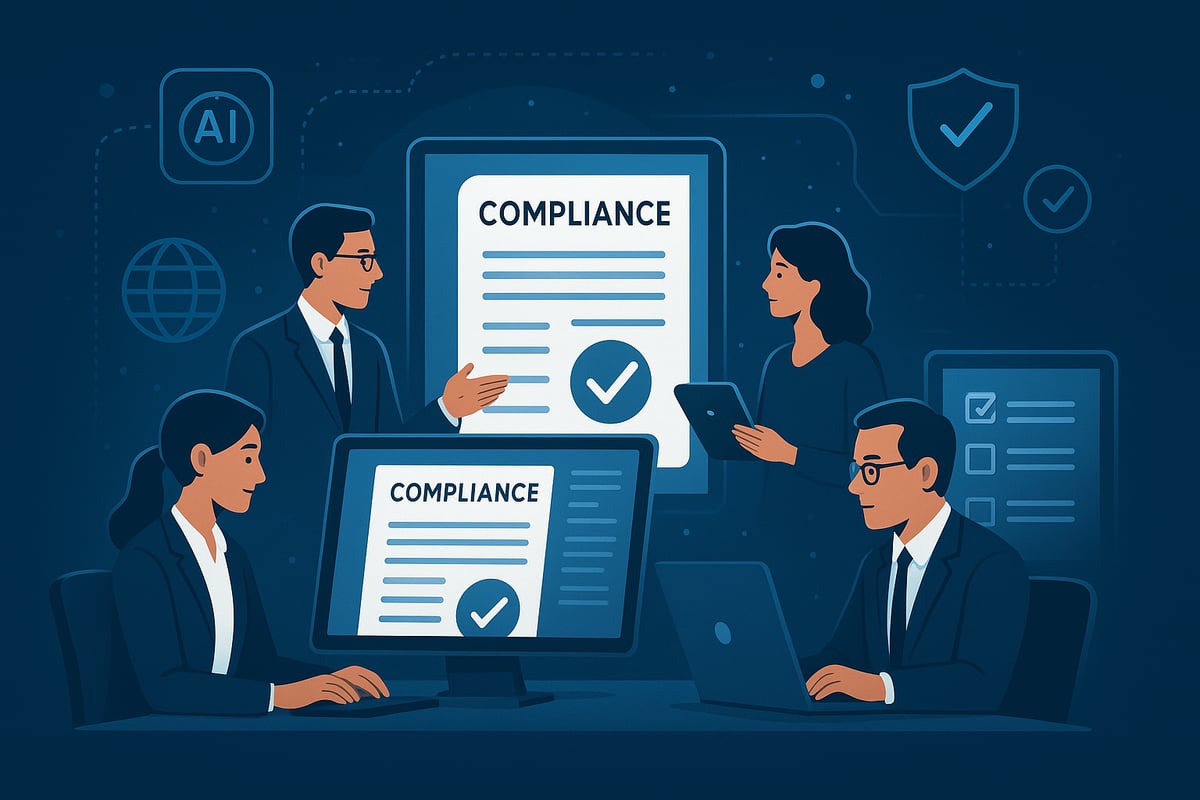
Regulation for hiring ai is advancing rapidly at both local and international levels. The city of New York, for example, now requires annual bias audits and clear disclosure whenever AI tools are used in hiring. Nationally, the EEOC in the United States is increasing oversight, while the UK and EU are pushing for strict standards on algorithmic fairness.
| Region | Key Requirement | Enforcement Year |
|---|---|---|
| NYC | Bias audits, transparency | 2023 |
| US (EEOC) | Fairness, candidate notice | 2024+ |
| UK/EU | Algorithmic accountability | 2025+ |
For more context on how states are shaping these efforts, see Regulatory Efforts on AI in Hiring.
Key Requirements and Real-World Examples
With hiring ai, companies must meet new standards, including disclosing when AI is used and providing opt-out options for candidates. In New York City, businesses are now legally required to conduct third-party audits of their AI hiring tools and publish results publicly. This push for transparency is influencing national and global policies, making compliance a moving target.
Organizations must track all hiring ai solutions in use, including both vendor-provided and custom-built systems. Failure to comply can lead to fines, reputational damage, or even bans on specific AI tools.
Compliance Strategies and Best Practices
To keep up with hiring ai regulations, companies should implement robust compliance strategies:
- Maintain detailed documentation of audits and ethical reviews.
- Update hiring policies to reflect the latest legal changes.
- Train HR teams, recruiters, and hiring managers on AI tool usage and candidate rights.
- Establish clear procedures for candidate notification and opt-out.
- Regularly review and update internal processes to address new regulations.
Proactive compliance not only reduces legal risk but also builds trust with candidates and stakeholders.
Data Privacy and Future Outlook
Data privacy is at the heart of hiring ai compliance. Organizations must protect large volumes of candidate information, comply with privacy laws like GDPR and CCPA, and ensure secure storage for sensitive data such as video interviews. As global standards tighten, cross-border compliance will become increasingly complex.
Looking ahead, companies using hiring ai should anticipate stricter requirements for transparency, regular audits, and candidate empowerment. Staying ahead means investing in both technology and ongoing legal education.
Conclusion: Staying Proactive in a Shifting Landscape
The regulatory environment for hiring ai will only become more demanding. By prioritizing transparency, fairness, and privacy, organizations can ensure their AI-driven recruitment processes remain both effective and compliant. Adapting early to new rules will help businesses avoid penalties and maintain a competitive edge in the race for top talent.
The Future of AI Recruitment: Trends and Predictions for 2026
The future of hiring ai is rapidly unfolding, reshaping how organizations attract, assess, and retain talent. As we look ahead to 2026, new trends are emerging at the intersection of technology, ethics, and human experience. Companies that adapt to these changes will lead the way in building diverse, high-performing teams while navigating evolving challenges. Let us explore the major predictions and innovations set to define hiring ai in the coming years.
Smarter, More Inclusive AI Algorithms
In 2026, smarter hiring ai algorithms are designed with inclusivity at their core. Researchers and industry leaders are prioritizing models that actively support diversity and equity. For example, “exploration bonus” methods, highlighted in recent MIT studies, help algorithms favor underrepresented candidates, encouraging broader applicant pools.
Regulatory audits are also pushing companies to recalibrate their hiring ai systems, ensuring fairer outcomes. After audits, many firms adjust algorithmic parameters to minimize demographic disparities. These shifts mark a critical move away from one-size-fits-all solutions, making hiring ai a catalyst for positive change in talent acquisition.
Human-Centric AI: The Role of Oversight and Empathy
Despite the advances in hiring ai, human oversight remains essential. Regulations increasingly require a clear division of labor, with AI handling early-stage screening and humans making final hiring decisions. This partnership ensures empathy and ethical judgment are never lost in the process.
A practical example is seen in how community college counselors have adapted their coaching to align with AI-driven recruitment, blending data insights with personal guidance. As hiring ai continues to evolve, the balance between automation and human touch will define the most successful organizations.
Candidate Experience and Authenticity
The candidate experience is transforming as hiring ai becomes more prominent in recruitment workflows. Applicants are now optimizing their resumes with keywords and tailoring their profiles to “game” AI screening systems. While this may improve their chances, it also raises concerns about authenticity and the pressure to fit algorithmic ideals.
Employers must strive to create transparent, fair processes that value genuine skills and potential. For ongoing insights into how organizations are navigating these shifts, you can explore AI hiring blog insights for articles and best practices on candidate experience in the age of hiring ai.
End-to-End AI Integration in Recruitment
By 2026, hiring ai will power end-to-end automation of the recruitment lifecycle. From sourcing candidates and posting job ads to scheduling interviews and onboarding, AI tools will streamline every step. This integration reduces administrative burdens and accelerates time-to-hire, giving organizations a competitive edge.
For instance, workflow automation now enables instant candidate assessments and real-time engagement. As hiring ai continues to advance, companies will see greater consistency and efficiency in their recruitment outcomes, allowing HR teams to focus on strategic initiatives.
Data, Privacy, and Security Challenges
With the growth of hiring ai, managing vast amounts of candidate data becomes a top priority. Organizations must comply with evolving privacy regulations like GDPR and CCPA, ensuring data is stored securely and used ethically. The safeguarding of candidate video interviews and assessment records is especially critical.
Staying informed about privacy practices is essential. To understand how leading organizations protect candidate information during hiring ai processes, review their data privacy in AI recruitment policies and ensure your own systems meet regulatory standards.
Collaboration Across Functions: HR, Legal, DEI, and Tech
The adoption of hiring ai is no longer just an HR initiative. Successful implementation requires collaboration across HR, legal, DEI, and technology teams. These cross-functional groups work together to select, audit, and oversee AI tools, ensuring alignment with organizational values and compliance.
Legal reviews help organizations navigate regulatory requirements, while DEI experts guide inclusive algorithm development. IT teams ensure seamless integration and data security. This collaborative approach will be key to unlocking the full potential of hiring ai in 2026, driving both business success and social impact.
Building a Responsible AI Hiring Strategy: Best Practices for 2026
Building a responsible hiring ai strategy in 2026 requires more than just adopting new tools. It demands a holistic approach that balances efficiency with ethics, transparency, and human oversight. Companies that embrace these best practices will set themselves apart, delivering both business value and social impact.
Foundation: Ethics and Human Rights Reviews
Start every hiring ai initiative with a comprehensive ethics and human rights review. Assess each AI tool for potential risks related to discrimination, privacy, and fairness. Engage independent experts and internal stakeholders to scrutinize algorithms before deployment.
- Ask: Does this tool respect candidate rights?
- Evaluate: Are its decisions explainable?
- Document: Maintain clear records of all reviews and findings.
Diversity in Development and Ongoing Audits
A diverse development team is essential for reducing bias in hiring ai systems. People from varied backgrounds bring unique perspectives, helping spot blind spots in data and logic. Regularly audit algorithms for demographic disparities and update them based on findings and new regulations.
| Best Practice | Why It Matters |
|---|---|
| Diverse dev teams | Minimize bias, foster innovation |
| Routine audits | Detect and fix bias, comply with new standards |
| Transparent scoring | Build trust, enable accountability |
Transparency, Candidate Consent, and Opt-Out
Transparency is a cornerstone of responsible hiring ai. Notify candidates clearly when AI is used in their assessment. Offer easy opt-out options without penalty, preserving candidate autonomy and trust.
- Communicate: Explain how AI will be used in the process.
- Consent: Request explicit permission before analysis.
- Opt-out: Provide alternative assessments when requested.
Accountability and Continuous Improvement
Hold your hiring ai systems accountable through transparent scoring models, reputation systems, and detailed audit trails. Make it standard practice to update algorithms after audits, especially when disparities are uncovered. Companies leading in this space have shown that regular updates in response to audit results can dramatically improve fairness.
Continuous improvement is essential. Gather feedback from both candidates and hiring managers to spot issues early. Encourage open dialogue, making adjustments as new insights emerge.
Training and Culture for Long-Term Success
Invest in ongoing training for HR teams, hiring managers, and leadership. AI literacy is crucial for understanding both the power and limitations of hiring ai tools. Foster a culture that values transparency, feedback, and ethical decision-making.
- Workshops: Offer regular sessions on AI ethics and bias.
- Q&A: Create forums for questions and concerns.
- Feedback loops: Actively solicit input from all stakeholders.
Real-World Example: Adapting After Audit Findings
Consider companies that have updated their hiring ai models after audits revealed demographic imbalances. These organizations acted quickly, adjusting algorithms and improving fairness. By doing so, they not only met regulatory requirements but also enhanced their reputation and candidate experience.
Insights and Next Steps
Remember, hiring ai is not a “set and forget” solution. It requires vigilance, adaptation, and a human touch to remain effective and fair. Responsible AI hiring drives both business results and meaningful social progress.
To ensure your hiring ai strategy is robust, transparent, and compliant, it can help to contact our AI hiring experts for tailored guidance and support.
As we look ahead to 2026, it’s clear that smarter, more responsible recruitment means combining advanced AI with thoughtful human insight. If you’re ready to take the next step—reducing risk, eliminating resume fraud, and ensuring you meet tomorrow’s hiring standards—there’s no better time to see how a trusted platform can help. You don’t have to navigate the future of hiring alone. Let’s explore how you can build a stronger, more efficient recruitment process with AI-powered verification and real candidate validation. If you’re curious what this could look like for your business, Request a Demo.