How to Hire Microsoft Copilot Consultants in 2026
Organizations across industries are racing to harness the power of Microsoft Copilot to transform how their teams work, collaborate, and innovate. Yet implementing this sophisticated AI technology requires more than just purchasing licenses. Success depends on bringing in specialized expertise that understands both the technical architecture and the organizational change management needed for effective adoption. This reality has created strong demand for professionals who can guide businesses through their Copilot journey, from initial assessment through full-scale deployment and optimization.
Understanding the Role of Microsoft Copilot Consultants
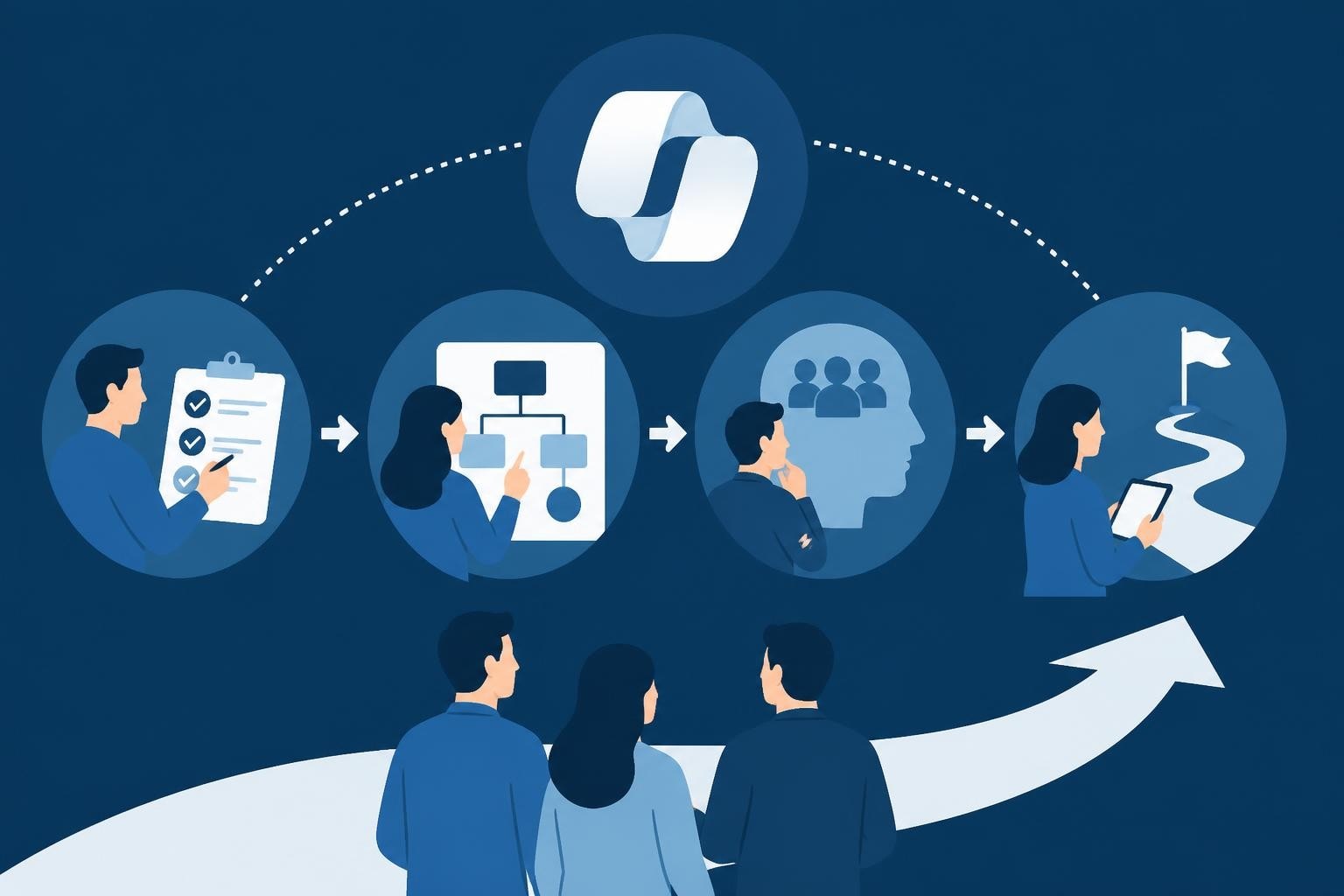
Microsoft Copilot consultants serve as strategic partners who bridge the gap between technology capabilities and business outcomes. These professionals possess deep knowledge of the Microsoft 365 ecosystem, AI implementation best practices, and organizational transformation strategies. Their expertise extends beyond basic technical setup to encompass change management, user adoption, security configuration, and ongoing optimization.
When you hire Microsoft Copilot consultants, you're investing in specialists who understand how to align AI capabilities with specific business processes. They evaluate your existing workflows, identify high-impact use cases, and design implementation roadmaps tailored to your organization's maturity level. This strategic approach ensures that Copilot deployments deliver measurable value rather than becoming underutilized technology investments.
Core Responsibilities and Deliverables
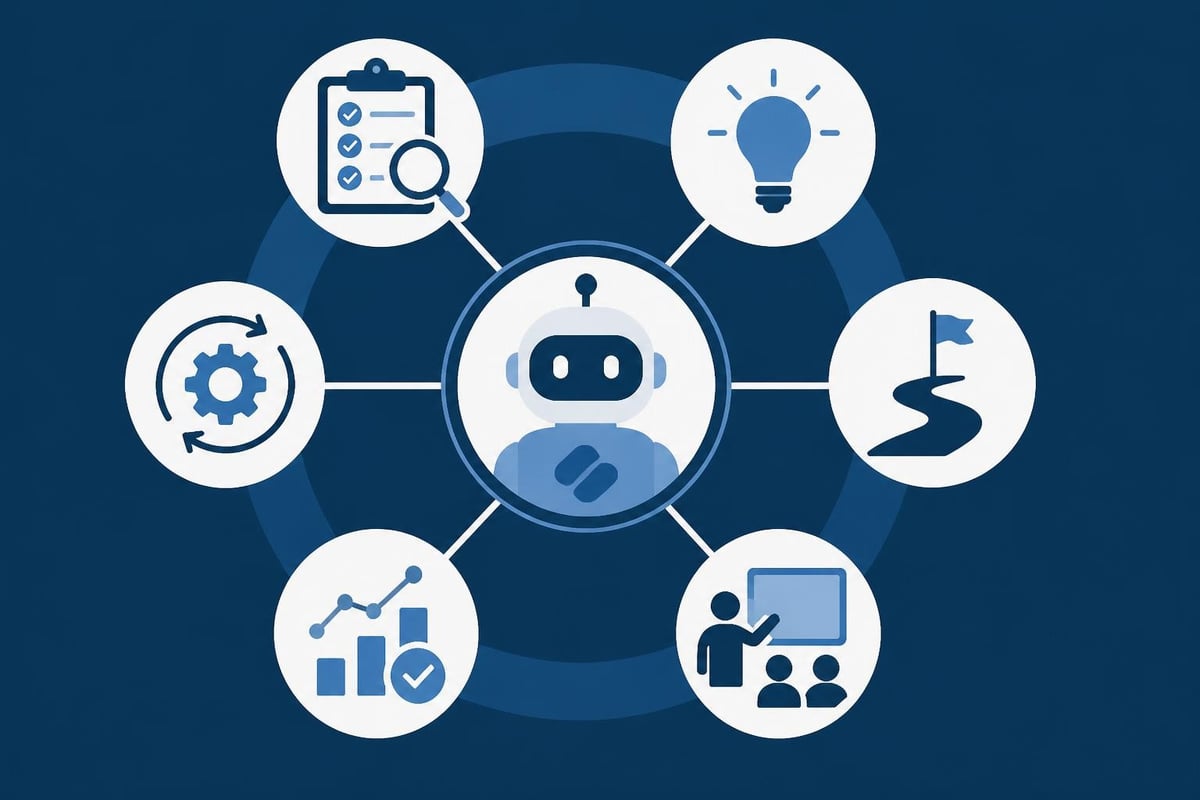
The scope of work for Copilot consultants typically includes several critical areas:
- Readiness Assessment: Evaluating technical infrastructure, data governance, security posture, and organizational culture
- Use Case Development: Identifying departmental workflows that benefit most from AI assistance
- Implementation Planning: Creating phased rollout strategies aligned with business priorities
- Training Programs: Designing role-specific education to drive adoption and proficiency
- Performance Monitoring: Establishing metrics and dashboards to track ROI and user engagement
- Continuous Optimization: Refining configurations based on usage patterns and feedback
These deliverables form the foundation for successful Copilot adoption. Consultants who excel in these areas bring structured methodologies refined through multiple client engagements.
Essential Skills and Qualifications to Evaluate
Identifying qualified Copilot consultants requires understanding the multifaceted skill set this work demands. Technical proficiency alone doesn't guarantee successful implementations. The most effective consultants combine technical depth with business acumen and interpersonal capabilities.
Technical Competencies
Strong candidates demonstrate expertise across multiple technical domains:
| Skill Category | Required Knowledge |
|---|---|
| Microsoft 365 Architecture | SharePoint, Teams, Exchange, OneDrive integration patterns |
| Security & Compliance | Data loss prevention, sensitivity labels, retention policies |
| Power Platform | Power Automate, Power Apps, custom connectors |
| AI Fundamentals | Prompt engineering, model limitations, responsible AI principles |
| Data Governance | Information architecture, metadata management, search optimization |
Beyond these foundational areas, consultants should understand Microsoft Copilot Studio guidance for building custom agents and extending Copilot functionality. This knowledge becomes critical when organizations need specialized capabilities beyond out-of-the-box features.
Business and Change Management Expertise
Technical skills matter little without the ability to drive organizational adoption. Evaluate candidates for:
- Stakeholder Communication: Translating technical concepts for executive audiences and end users
- Change Leadership: Managing resistance and building enthusiasm across diverse teams
- Process Analysis: Mapping current workflows and identifying optimization opportunities
- Training Design: Creating educational materials for various learning styles and technical competencies
- ROI Measurement: Establishing baselines and tracking productivity improvements
Research shows that organizations implementing AI tools like Copilot see varying results based on their adoption strategies and change management approaches. The human element of implementation often determines success more than technical configuration.
Vetting Candidates: Red Flags and Green Flags
The market for Microsoft Copilot expertise has grown rapidly, bringing both qualified professionals and those overstating their capabilities. Thorough vetting protects your investment and timeline.
Warning Signs During Evaluation
Watch for these indicators of insufficient experience:
- Generic responses about Copilot benefits without specific use case examples
- Inability to discuss data governance implications and security configurations
- Focus solely on technology features rather than business outcomes
- Lack of familiarity with the Microsoft 365 Copilot implementation framework
- No methodology for measuring adoption and success
- Reluctance to provide client references or case studies
The challenge of identifying truly qualified candidates versus those with superficial knowledge has become more pronounced as demand increases. Platforms like Augmnt ATS help organizations validate consultant credentials through comprehensive skill verification and resume fraud detection, ensuring that candidates possess the expertise they claim.
Positive Indicators of Strong Candidates
Conversely, high-quality consultants typically demonstrate:
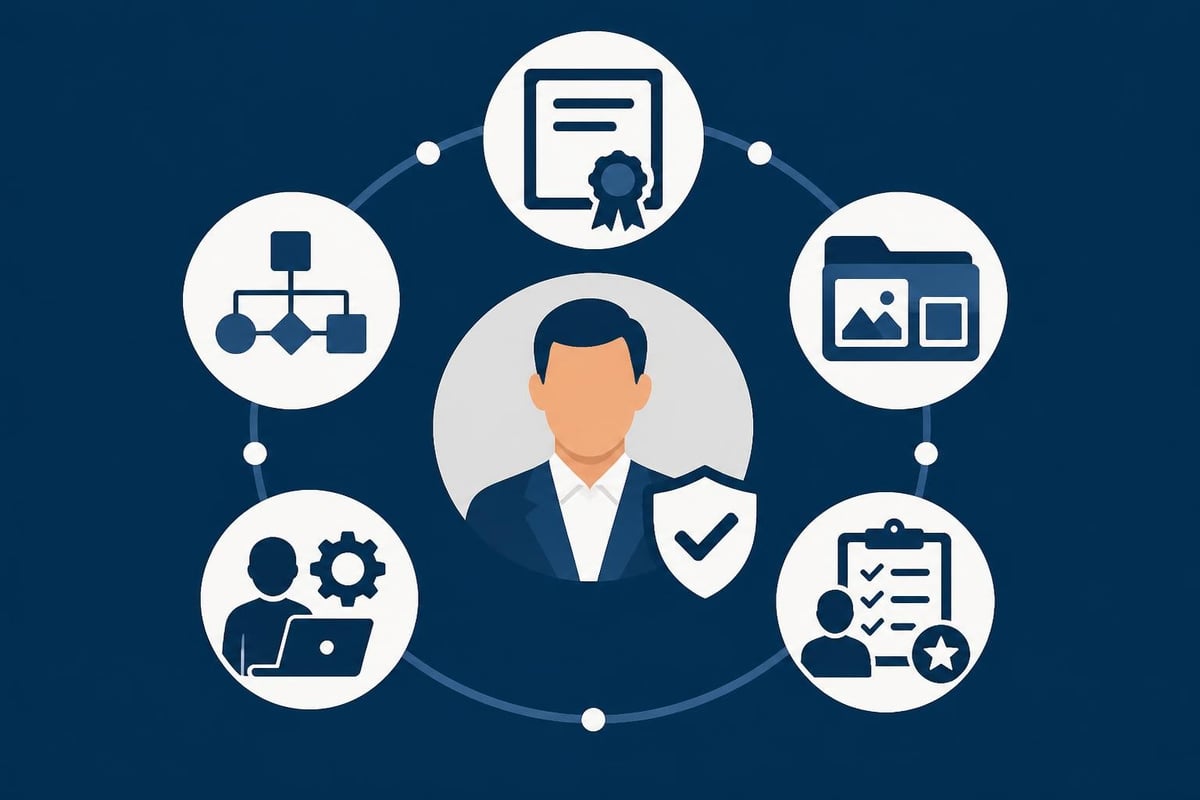
- Portfolio of Implementations: Detailed case studies showing measurable outcomes across different industries
- Certification Credentials: Microsoft certifications specific to M365, security, and modern work solutions
- Structured Methodologies: Clear frameworks for assessment, implementation, and optimization phases
- Technical Depth: Ability to discuss architecture decisions, integration patterns, and troubleshooting approaches
- Continuous Learning: Awareness of recent updates, new features, and emerging best practices
Strong candidates also ask probing questions about your organization's current state, goals, and constraints. This consultative approach indicates their focus on tailored solutions rather than one-size-fits-all implementations.
Structuring Effective Engagement Models
How you structure the consulting relationship significantly impacts outcomes. Different engagement models suit different organizational needs and implementation stages.
Project-Based Engagements
This model works well for organizations with clear objectives and defined timelines. Consultants deliver specific outcomes such as:
- Initial readiness assessment and roadmap development (4-6 weeks)
- Pilot program implementation for selected departments (8-12 weeks)
- Organization-wide rollout and training (12-16 weeks)
- Custom agent development for specialized use cases (6-10 weeks)
Project-based work provides budget certainty and clear deliverables. However, it may not address ongoing optimization needs that emerge post-implementation.
Retainer Arrangements
Monthly retainer agreements suit organizations requiring continuous support during and after deployment. Benefits include:
- Regular office hours for end-user questions and troubleshooting
- Monthly optimization reviews based on usage analytics
- Ongoing training for new hires and expanded use cases
- Rapid response to Microsoft platform updates and new features
- Strategic advisory for expanding Copilot adoption
This model ensures sustained expertise availability as your organization's Copilot maturity evolves. The practical implementation guidance from Microsoft emphasizes that successful Copilot adoption is a journey requiring continuous refinement.
Hybrid Approaches
Many organizations benefit from combining engagement models. Initial project-based work establishes foundations, followed by reduced retainer support for optimization and expansion. This approach balances intensive implementation support with long-term sustainability.
Implementation Best Practices from Top Consultants
The most successful Microsoft Copilot implementations share common characteristics regardless of industry or organization size. When you hire Microsoft Copilot consultants, prioritize those who incorporate these proven practices.
Phased Rollout Strategy
Rather than organization-wide launches, effective consultants advocate for strategic phases:
- Executive Pilot: Leadership team tests Copilot and champions adoption
- Department-Specific Pilots: High-impact departments with measurable workflows
- Cross-Functional Expansion: Teams with collaborative processes spanning departments
- General Availability: Remaining users with established support infrastructure
This approach allows for learning and refinement at each stage. Early successes build momentum while minimizing risk from unforeseen challenges.
Data Governance Foundation
Copilot's effectiveness depends heavily on data quality and accessibility. Top consultants prioritize:
- Information Architecture Review: Ensuring logical organization of SharePoint sites and Teams channels
- Permission Auditing: Verifying appropriate access controls before Copilot surfaces content
- Content Quality Assessment: Identifying outdated or duplicate information requiring cleanup
- Metadata Strategy: Implementing consistent tagging for improved content discovery
Organizations that skip data governance work often experience disappointing results despite technical implementation success. The AI can only be as effective as the information ecosystem it accesses.
User-Centric Training Programs
Generic training rarely drives adoption. Effective consultants design role-specific programs that address actual daily workflows:
| Role Category | Training Focus | Duration |
|---|---|---|
| Executives | Strategic communications, meeting summaries, decision support | 2 hours |
| Knowledge Workers | Document creation, research assistance, data analysis | 4 hours |
| Sales Teams | Proposal development, customer insights, email efficiency | 3 hours |
| Project Managers | Status reporting, task coordination, stakeholder updates | 3 hours |
| IT Administrators | Security management, user support, troubleshooting | 6 hours |
These targeted programs demonstrate immediate value for each role, accelerating proficiency and adoption rates. Studies examining Copilot adoption in research organizations highlight that perceived usefulness and ease of use directly correlate with training quality.
Measuring Consultant Performance and ROI
Accountability separates exceptional consultants from mediocre ones. Establish clear success metrics before engagement begins.
Quantitative Performance Indicators
Track these measurable outcomes throughout the engagement:
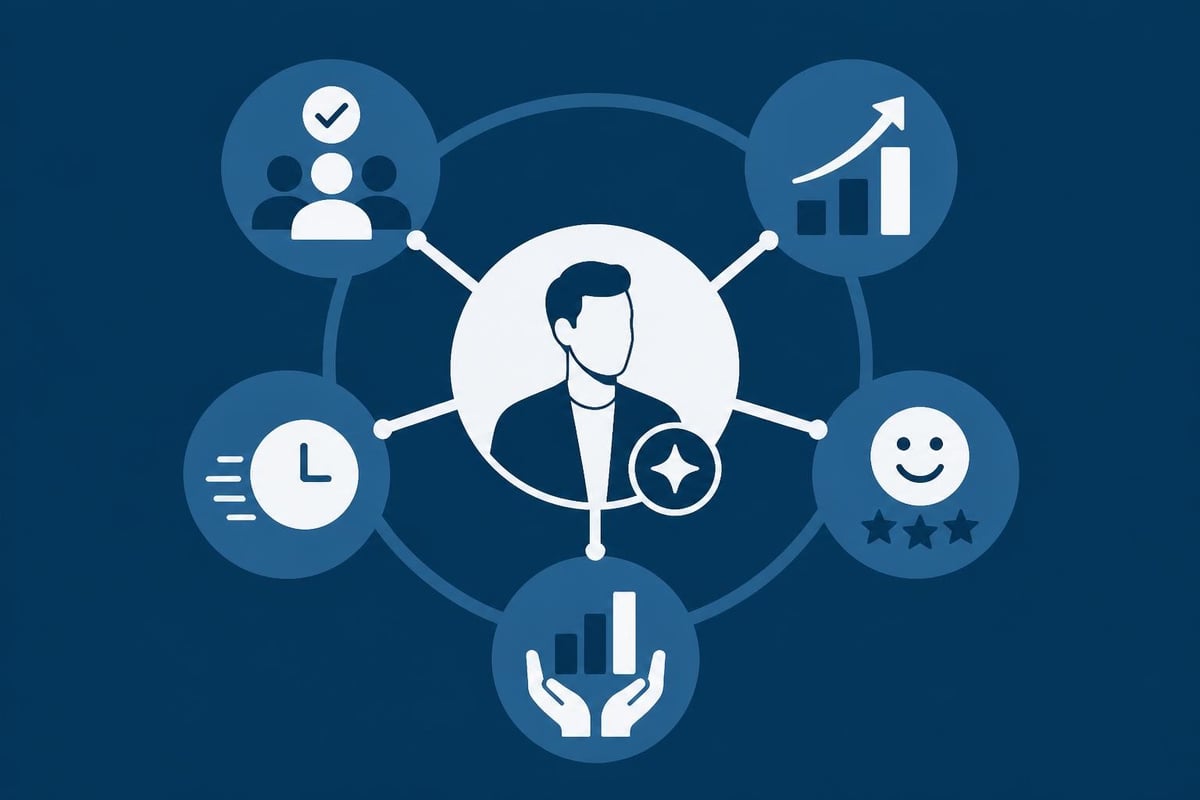
- Adoption Rate: Percentage of licensed users actively engaging with Copilot weekly
- Feature Utilization: Breadth of Copilot capabilities being used across the organization
- Time Savings: Hours reclaimed from previously manual tasks (measured through surveys and time studies)
- Support Ticket Volume: Reduction in help desk requests for common tasks
- Satisfaction Scores: User feedback ratings from regular pulse surveys
Effective consultants establish baseline measurements before implementation and track improvements consistently.
Qualitative Success Factors
Numbers tell part of the story, but qualitative indicators matter equally:
- Cultural shift toward AI-assisted work becoming normalized
- Employee testimonials about productivity improvements
- Reduction in meeting time due to better preparation and summarization
- Improved quality of deliverables (documents, presentations, analyses)
- Innovation in applying Copilot to unique organizational challenges
The most valuable consultants help organizations develop internal capabilities for measuring these softer benefits alongside hard metrics.
Navigating Emerging Copilot Capabilities
The Microsoft Copilot ecosystem evolves rapidly with new features and capabilities launching regularly. When you hire Microsoft Copilot consultants in 2026, ensure they stay current with recent developments like Copilot Cowork and advanced agent capabilities.
Copilot Cowork and Advanced Features
Recent additions to the Copilot portfolio expand what's possible. Copilot Cowork represents Microsoft's latest approach to AI-assisted task management and delegation, allowing users to plan and coordinate complex workflows with AI assistance. Understanding pricing, usage limits, and integration capabilities helps consultants guide strategic adoption decisions.
Consultants should also understand declarative agents and custom Copilot development. The best practices for building declarative agents emphasize crafting effective instructions and selecting appropriate knowledge sources. Organizations with specialized needs benefit from consultants who can design and implement custom agents tailored to unique workflows.
Security and Compliance Considerations
As Copilot capabilities expand, so do security implications. Expert consultants address:
- Data Residency: Understanding where Copilot processes and stores information
- Compliance Requirements: Ensuring configurations meet industry-specific regulations
- Prompt Injection Risks: Educating users about responsible AI interaction
- Access Controls: Implementing least-privilege principles for sensitive information
- Audit Logging: Establishing monitoring for compliance and security purposes
Organizations in regulated industries particularly need consultants who prioritize security architecture alongside productivity benefits. Security-focused implementations demonstrate that AI tools can be deployed safely with proper architectural considerations.
Building Long-Term Copilot Competency
The goal of hiring external consultants should include developing internal expertise. The best consulting engagements leave organizations capable of self-sufficiency.
Knowledge Transfer Strategies
Effective consultants implement structured knowledge transfer:
- Documentation: Comprehensive guides covering configurations, decisions, and troubleshooting
- Train-the-Trainer Programs: Developing internal champions who can support peers
- Administrator Enablement: Ensuring IT teams can manage and optimize the platform
- Governance Playbooks: Establishing processes for ongoing management and decision-making
This approach transforms consulting investments from temporary assistance to lasting organizational capability.
Identifying Internal Champions
Every successful Copilot deployment includes enthusiastic users who become informal advocates. Consultants should help identify and empower these individuals through:
- Recognition programs highlighting innovative use cases
- Advanced training opportunities for power users
- Platforms for sharing tips and best practices across the organization
- Involvement in pilot programs for new features and capabilities
These champions reduce dependence on external consultants while sustaining adoption momentum after the formal engagement concludes. Research on AI tool adoption emphasizes that peer influence significantly impacts acceptance and proficiency development.
Finding and Engaging the Right Talent
With the strategic importance of Copilot consultants established, the practical question becomes where to find qualified professionals. Several channels offer access to specialized talent.
Traditional Consulting Firms
Established consulting practices offer structured methodologies and extensive experience. Benefits include:
- Proven implementation frameworks refined across multiple clients
- Teams with diverse expertise covering technical and organizational dimensions
- Formal project management and quality assurance processes
- Established relationships with Microsoft for complex scenarios
However, large firm engagements often come with premium pricing and less flexibility for mid-sized organizations.
Independent Specialists
Individual consultants or small practices provide alternatives with distinct advantages:
- More personalized attention and direct access to senior expertise
- Flexible engagement models and potentially lower costs
- Specialized depth in specific industries or use cases
- Agility to adapt approaches based on emerging needs
The challenge lies in thoroughly vetting independent consultants to ensure they possess legitimate expertise rather than superficial knowledge.
Specialized AI Talent Marketplaces
Modern hiring platforms that focus on AI expertise offer streamlined access to verified professionals. These marketplaces combine the flexibility of independent consultants with built-in quality assurance. Organizations benefit from pre-vetted talent pools where credentials and experience have been validated systematically.
Hiring managers increasingly turn to specialized platforms that reduce time-to-hire while improving candidate quality through comprehensive verification processes. This approach mitigates the risks of resume fraud and credential misrepresentation that have become prevalent in the rapidly growing AI consulting market.
Maximizing Your Consulting Investment
Getting optimal value from Copilot consulting engagements requires active participation and clear expectations.
Organizational Preparation
Before consultants arrive, prepare your organization:
- Executive Alignment: Ensure leadership understands and supports the initiative
- Clear Objectives: Define specific outcomes beyond general "productivity improvement"
- Resource Commitment: Allocate internal staff time for collaboration and knowledge transfer
- Data Access: Provide necessary access to systems, documentation, and stakeholders
- Decision Authority: Establish who can approve recommendations and make strategic choices
Consultants deliver better results when organizations actively engage rather than delegating everything externally.
Ongoing Communication Cadence
Establish regular touchpoints throughout the engagement:
| Frequency | Participants | Purpose |
|---|---|---|
| Weekly | Project team | Progress updates, issue resolution, tactical decisions |
| Bi-weekly | Department leaders | Use case refinement, training coordination, change management |
| Monthly | Executive sponsors | Strategic direction, budget review, success metrics |
| Quarterly | Extended stakeholders | Broader organizational updates, expansion planning |
This communication structure keeps implementations on track while building internal understanding of progress and decisions.
Successfully implementing Microsoft Copilot requires specialized expertise that most organizations don't possess internally, making the decision to hire Microsoft Copilot consultants a strategic imperative. The right consultant brings technical depth, implementation experience, and change management capabilities that accelerate adoption and maximize ROI. When you're ready to find verified AI professionals who can guide your Copilot journey, Augmnt connects you with thoroughly vetted consultants whose credentials and experience have been validated through comprehensive skill verification and fraud detection processes, ensuring you engage qualified experts who deliver genuine value.