
How to Hire Machine Learning Engineers in 2026
The demand for machine learning expertise has reached unprecedented levels as organizations across industries race to implement AI-driven solutions. Finding and securing top machine learning talent, however, remains one of the most challenging aspects of building competitive technical teams. The process requires a strategic approach that balances technical requirements with cultural fit, while navigating a talent market where qualified candidates often field multiple offers simultaneously.
Understanding the Machine Learning Engineer Role
Machine learning engineers occupy a unique position that bridges data science and software engineering. These professionals design, build, and deploy ML models that solve real business problems at scale.
Core Responsibilities and Skills
When you hire machine learning engineers, you're seeking individuals who can transform theoretical algorithms into production-ready systems. Their responsibilities typically include:
- Developing and optimizing machine learning models
- Building data pipelines and feature engineering workflows
- Deploying models to production environments
- Monitoring model performance and implementing improvements
- Collaborating with data scientists and software engineers
The technical foundation requires proficiency in programming languages like Python and R, deep understanding of ML frameworks such as TensorFlow and PyTorch, and strong mathematical knowledge covering linear algebra, calculus, and statistics. Beyond technical capabilities, successful machine learning engineers demonstrate problem-solving abilities and effective communication skills to translate complex concepts for non-technical stakeholders.

Differentiating ML Roles
Organizations often confuse machine learning engineers with related positions, leading to misaligned hiring processes. Data scientists focus primarily on analysis and model experimentation, while avoiding common hiring mistakes requires understanding that ML engineers emphasize production implementation and system scalability.
AI engineers typically work on broader artificial intelligence applications, including natural language processing and computer vision, whereas deep learning engineers specialize in neural network architectures. Research scientists concentrate on advancing ML theory rather than practical applications.
| Role | Primary Focus | Key Deliverable |
|---|---|---|
| ML Engineer | Production systems | Deployed models |
| Data Scientist | Analysis & experimentation | Insights & prototypes |
| AI Engineer | Broad AI applications | Integrated solutions |
| Deep Learning Engineer | Neural networks | Advanced architectures |
Defining Your Hiring Requirements
Success begins long before posting job descriptions. Clear requirements prevent costly mismatches and streamline candidate evaluation.
Assessing Project Needs
Start by identifying specific business problems that machine learning will address. Are you building recommendation systems, implementing fraud detection, optimizing supply chains, or developing computer vision applications? Each use case demands different specializations.
Consider project scale and complexity. A startup MVP requires different expertise than enterprise-level systems handling millions of transactions. Timeline expectations also influence whether you need senior engineers who can architect solutions independently or junior talent requiring mentorship.
Technical stack decisions matter significantly. If your infrastructure runs on AWS, candidates with cloud deployment experience become more valuable. Organizations using specific frameworks like PyTorch or JAX should prioritize relevant experience.
Budget and Compensation Considerations
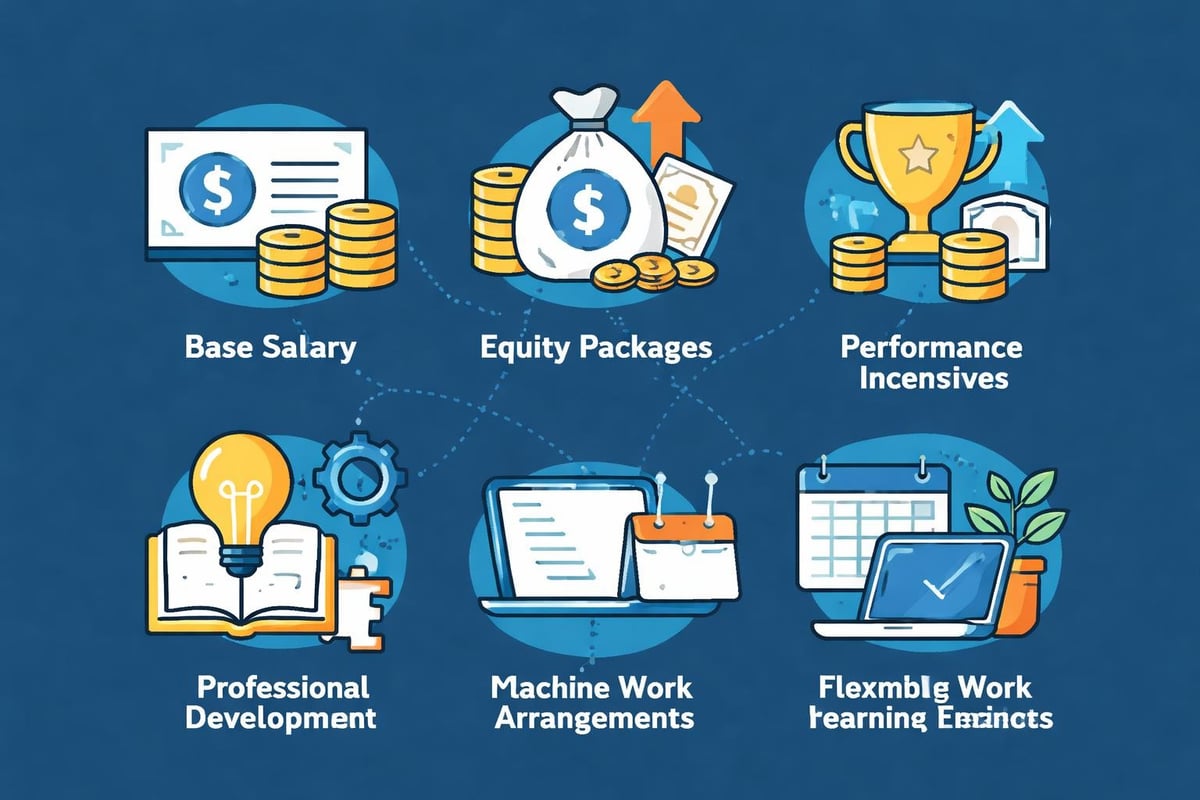
Machine learning engineers command premium compensation reflecting their specialized skills. In 2026, salaries for mid-level ML engineers typically range from $130,000 to $180,000 annually, with senior positions exceeding $200,000 in major tech hubs.
Beyond base salary, consider:
- Equity or stock options for startups and growth-stage companies
- Signing bonuses to compete for top candidates
- Performance bonuses tied to model deployment success
- Professional development budgets for conferences and courses
- Remote work flexibility as a compensation component
Budget constraints might influence whether to hire machine learning engineers full-time or engage contractors for specific projects. Contract rates typically range from $100 to $250 per hour depending on expertise level.
Sourcing Top Machine Learning Talent
Finding qualified candidates requires strategic sourcing across multiple channels. Relying on traditional job boards alone limits your reach to passive candidates actively job hunting.
Specialized Platforms and Communities
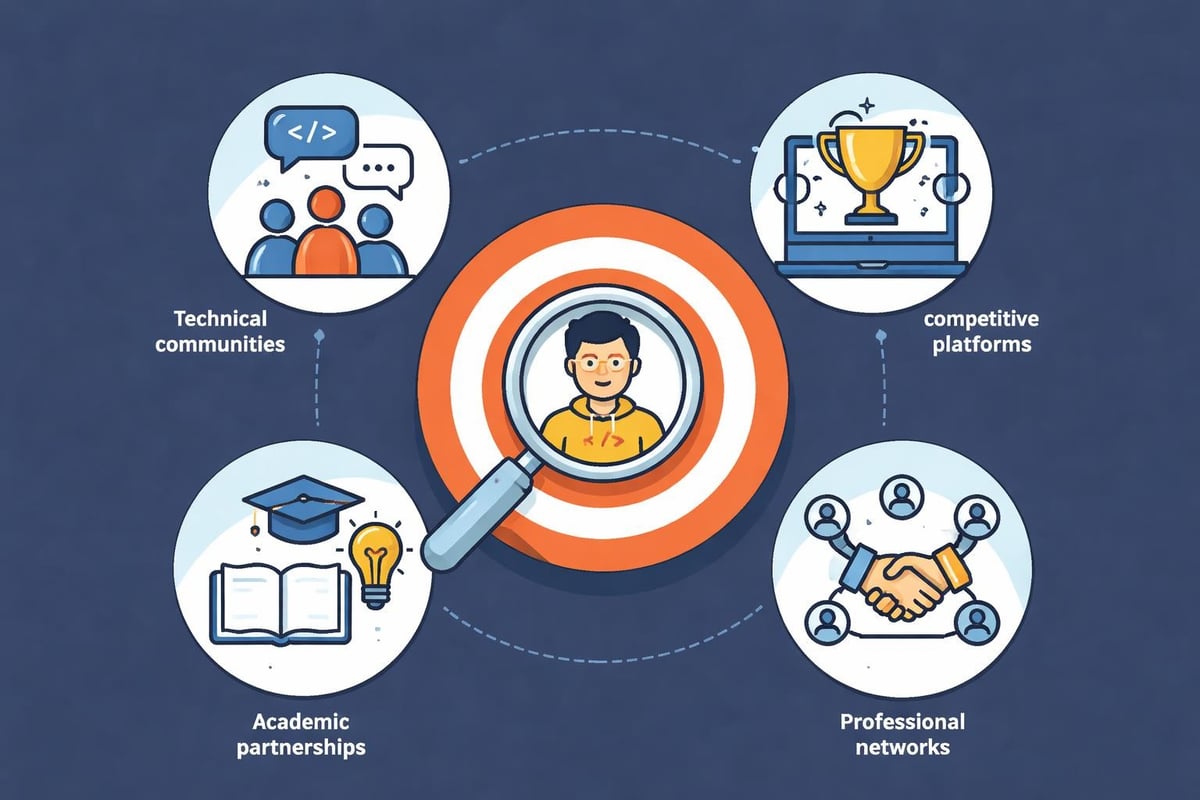
Recruiting machine learning engineers effectively means meeting talent where they already engage. GitHub hosts millions of repositories where engineers showcase real work, providing insight into code quality and project interests. Search for contributors to popular ML libraries or projects aligned with your technology stack.
Kaggle competitions attract data scientists and machine learning engineers solving complex problems. Top performers demonstrate both technical capability and competitive drive. Stack Overflow profiles reveal how engineers approach problem-solving and share knowledge with the community.
LinkedIn remains valuable for professional networking, though competition for visible ML talent runs high. Focus on engineers who publish articles, share insights, or contribute to discussions rather than simply broadcasting job posts.
University Partnerships and Conferences
Leading computer science programs produce graduates with strong ML foundations. Establishing relationships with universities through:
- Campus recruiting events and career fairs
- Sponsoring research projects or capstone programs
- Offering internships that serve as extended interviews
- Guest lectures and workshops showcasing your work
Industry conferences like NeurIPS, ICML, and CVPR gather researchers and practitioners. Attending these events provides networking opportunities and insights into emerging talent, though many attendees pursue academic rather than industry roles.
Evaluating Technical Competence
Distinguishing truly qualified candidates from those with impressive resumes but limited practical skills represents a critical challenge when you hire machine learning engineers.
Effective Interview Processes
Structure your technical evaluation across multiple dimensions. Initial screenings should cover fundamental concepts like supervised versus unsupervised learning, overfitting prevention, and common algorithms. Phone screens efficiently filter candidates before investing in extensive interviews.
Technical assessments should mirror real work rather than abstract puzzles. Provide datasets and ask candidates to:
- Perform exploratory data analysis
- Engineer relevant features
- Build and evaluate baseline models
- Explain their approach and tradeoffs
Time-boxed take-home projects (4-6 hours maximum) respect candidate time while demonstrating practical skills. Live coding sessions reveal problem-solving processes and communication abilities under pressure.
System design interviews for senior roles should explore architecture decisions. Ask candidates to design ML systems handling specific scale and latency requirements, discussing data pipelines, model serving infrastructure, and monitoring strategies.
Red Flags and Warning Signs
Resume fraud and inflated credentials plague technical hiring. Watch for inconsistencies between claimed experience and demonstrated knowledge. Candidates who cannot explain projects they list or provide vague descriptions of their contributions likely played minimal roles.
Overemphasis on theoretical knowledge without practical application suggests academic background without industry experience. While research expertise has value, production ML engineering requires different skills. Following a structured 10-week hiring timeline helps ensure thorough evaluation across all competency areas.
Platforms like Augmnt ATS address these challenges through comprehensive candidate validation, including resume fraud detection and skill verification, ensuring only qualified professionals advance through your hiring process.
Building an Attractive Employer Brand
Top machine learning engineers have options. Competing for their attention requires more than competitive compensation.
Showcasing Technical Challenges
Engineers want meaningful problems to solve. Highlight the complexity and impact of your ML initiatives through:
- Blog posts detailing technical approaches and learnings
- Open-source contributions demonstrating engineering quality
- Conference talks and research publications
- Case studies showing real-world applications
Technical culture matters enormously. Emphasize your commitment to best practices, code review processes, testing infrastructure, and continuous learning. Engineers gravitate toward environments where they can grow and work alongside talented peers.
Career Development Opportunities
Machine learning evolves rapidly, making ongoing education essential. Successful employers invest in:
- Conference attendance budgets and speaking opportunities
- Online course subscriptions and certification programs
- Internal tech talks and knowledge-sharing sessions
- Mentorship programs pairing junior and senior engineers
- Clear advancement paths from individual contributor to technical leadership
| Development Investment | Impact on Retention | Typical Annual Cost |
|---|---|---|
| Conference attendance | High | $3,000-$8,000 |
| Online learning platforms | Medium | $500-$1,500 |
| Research time allocation | High | Opportunity cost varies |
| Mentorship programs | Very high | Staff time investment |
Remote work flexibility has transitioned from perk to expectation. Supporting distributed teams expands your talent pool beyond geographical constraints while accommodating work-life preferences.
Managing the Offer and Negotiation Process
Securing your chosen candidate requires speed and professionalism. Delays cost opportunities as competing offers materialize.
Competitive Offer Structures
Present comprehensive packages that extend beyond salary. Equity participation aligns long-term interests, particularly for growth-stage companies where machine learning drives competitive advantage. Explain vesting schedules and potential value clearly.
Performance bonuses tied to specific milestones create shared success metrics. For ML roles, consider bonuses linked to model deployment, performance improvements, or business impact metrics.
Benefits packages should address health insurance, retirement contributions, and flexible spending accounts. Less tangible benefits like generous PTO policies, sabbatical opportunities, and professional development budgets differentiate your offer.
Addressing Counteroffers
Top candidates frequently receive multiple offers. Anticipate this reality by understanding their priorities beyond compensation. Some value technical challenges, others prioritize work-life balance, team composition, or mission alignment.
When candidates disclose competing offers, avoid immediate matching without context. Instead, discuss:
- Long-term career trajectory at your organization
- Specific projects they would own
- Team composition and collaboration opportunities
- Company growth potential and their role in that growth
Speed matters, but authenticity matters more. Rushed decisions lead to regret on both sides. Provide time for thoughtful consideration while maintaining engagement through the decision process.
Onboarding and Retention Strategies
Hiring success extends beyond signed offer letters. Effective onboarding and retention determine whether investments in hiring yield long-term returns.
Structured Onboarding Programs
First impressions during onboarding significantly impact engagement and productivity. Develop 90-day plans covering:
Week 1-2: Foundation
- Environment setup and access provisioning
- Codebase orientation and architecture overview
- Team introductions and collaboration norms
- Initial small tasks building familiarity
Week 3-6: Contribution
- Ownership of specific model improvements
- Participation in code reviews
- Attendance at planning and retrospective meetings
- Deeper dives into system components
Week 7-12: Impact
- Leading feature development or model deployment
- Presenting work to broader teams
- Contributing to technical documentation
- Feedback sessions on onboarding experience
Assign experienced engineers as onboarding mentors rather than expecting new hires to navigate organizational complexity independently. Regular check-ins during the first quarter prevent small frustrations from becoming resignation drivers.
Creating Growth Pathways
Engineers stay when they see clear advancement opportunities. Technical career ladders should outline expectations at each level, from junior engineer through principal or staff positions. Make promotion criteria transparent and achievable through consistent performance rather than political maneuvering.
Not all engineers aspire to management. Establish parallel tracks allowing technical specialists to advance without managing people. Principal engineers and distinguished engineers focus on architecture, mentorship, and technical leadership while remaining individual contributors.
Learning and development initiatives demonstrate organizational commitment to growth:
- Quarterly goal-setting aligned with career aspirations
- Skill development plans addressing identified gaps
- Rotation opportunities across different ML projects
- Innovation time for exploring new techniques or tools
When you hire machine learning engineers, you're investing in critical capabilities that drive competitive advantage. Understanding the complete hiring process from requirement definition through retention helps organizations build sustainable AI capabilities rather than experiencing constant turnover.
Measuring Hiring Success
Effective hiring processes improve through measurement and iteration. Track metrics that reveal both efficiency and quality outcomes.
Key Performance Indicators
Time-to-hire measures how quickly you move candidates from application to offer acceptance. Industry benchmarks for specialized roles like machine learning typically range from 6-10 weeks, though streamlined processes can compress timelines significantly.
Quality-of-hire proves harder to quantify but matters more. Consider:
- Performance ratings after 6 and 12 months
- Successful project completions and model deployments
- Retention rates beyond the first year
- Cultural fit assessments from team feedback
- Time-to-productivity measurements
Offer acceptance rates indicate competitiveness. Rates below 70% suggest compensation misalignment or poor candidate experience. Declining trends warrant investigation into employer brand or competing opportunities.
Source effectiveness analysis reveals which channels produce the best candidates. Track applications, interviews, offers, and acceptances by source. Reallocate recruiting budgets toward high-performing channels while reducing investment in low-yield sources.
Continuous Improvement
Gather feedback from successful hires and those who declined offers. Exit interviews with departing ML engineers provide insights into retention challenges. Common themes across feedback indicate systemic issues requiring attention.
Review and update job descriptions quarterly. Defining clear project scope and core skills ensures descriptions reflect actual role requirements rather than outdated specifications.
Interview processes benefit from regular calibration. Conduct interviewer training emphasizing consistent evaluation criteria and bias reduction. Record interview questions and candidate responses to identify patterns in assessment quality.
Scaling Your ML Team Strategically
As machine learning initiatives expand, hiring strategies must evolve from individual placements to team building.
Building Balanced Teams
Effective ML teams combine complementary skills rather than recruiting identical profiles. A well-structured team includes:
- Senior architects who design system infrastructure
- Research-focused engineers exploring novel approaches
- Production specialists ensuring reliable deployment
- Data engineers building robust pipelines
- Junior engineers executing defined projects while developing expertise
Diversity in educational backgrounds and industry experience strengthens problem-solving capabilities. Engineers from different domains approach challenges with varied perspectives, reducing groupthink and blind spots.
Coordinating Hiring Across Projects
Multiple simultaneous ML projects create competing hiring demands. Prioritize roles based on business impact and timeline constraints. Critical path positions blocking major initiatives deserve immediate focus, while nice-to-have additions can wait.
Consider whether existing team members can transition into new roles with appropriate training. Internal mobility builds loyalty while filling positions faster than external hiring. Create learning paths supporting these transitions.
Evaluating whether you actually need AI engineers versus augmenting existing teams with contractors or consultants prevents premature scaling. Fixed-term projects may not justify permanent headcount, while foundational capabilities warrant full-time investment.
Navigating Remote and Distributed Hiring
Geographic boundaries no longer constrain talent access. Remote hiring unlocks global talent pools while introducing new considerations.
Remote Assessment Challenges
Evaluating technical skills remotely requires adapting traditional interview formats. Video interviews lack the spontaneous whiteboard collaboration of in-person sessions. Digital whiteboarding tools like Miro or Excalidraw partially bridge this gap, though they require candidate familiarity.
Time zones complicate scheduling when candidates span multiple continents. Show flexibility in interview timing, perhaps conducting some sessions outside standard business hours to accommodate candidate convenience.
Take-home assessments gain importance in remote contexts, providing asynchronous evaluation opportunities. Ensure projects remain reasonable in scope and provide clear success criteria.
Building Remote Team Culture
Distributed machine learning teams require intentional culture building. Regular video meetings maintain personal connections that spontaneous office interactions provide naturally. Daily standups, weekly team syncs, and monthly all-hands meetings create rhythm and alignment.
Asynchronous communication becomes essential. Comprehensive documentation, detailed pull request descriptions, and thoughtful Slack messages ensure knowledge sharing across time zones. Over-communicate rather than assuming shared context.
Virtual social activities, from coffee chats to online game sessions, help team members connect beyond work discussions. Budget for annual or semi-annual in-person gatherings when feasible, as face-to-face time accelerates trust building.
Legal and Compliance Considerations
Hiring carries legal obligations that vary by jurisdiction and employment type.
Employment Classification
Properly classifying workers as employees versus contractors affects tax obligations, benefits requirements, and liability exposure. Machine learning engineers engaged for ongoing work typically qualify as employees under most jurisdictions' tests considering control, financial arrangement, and relationship permanency.
Misclassification risks significant penalties. Consult employment attorneys when structuring arrangements, particularly for remote workers across state or national boundaries.
Immigration and Work Authorization
International hiring requires navigating work authorization processes. H-1B visas in the United States face annual caps and lottery systems creating uncertainty. Consider alternative visa categories like O-1 for individuals with extraordinary ability or TN visas for Canadian and Mexican citizens.
Sponsor costs including legal fees and government filing charges typically range from $5,000 to $15,000 per visa. Factor these expenses into hiring budgets when targeting international talent.
Remote hiring from abroad sidesteps some visa complications by employing workers in their home countries. Establish proper legal entities or use employer-of-record services to manage compliance with local employment laws.
Non-Compete and IP Agreements
Protect intellectual property through well-drafted employment agreements. Ensure ML engineers understand that work product, including models and algorithms developed during employment, belongs to the organization.
Non-compete agreements face increasing legal scrutiny in many jurisdictions. Focus instead on non-solicitation clauses preventing departing engineers from recruiting teammates or clients. Confidentiality agreements protect proprietary data and trade secrets without restricting future employment opportunities.
Building exceptional machine learning teams requires strategic planning, rigorous evaluation, and ongoing investment in talent development. Organizations that approach hiring as a systematic process rather than reactive scramble position themselves to attract and retain the specialized expertise driving AI innovation. Augmnt streamlines this complex process by intelligently connecting businesses with verified AI professionals, ensuring only qualified and fraud-free candidates advance through your hiring pipeline, so you can focus on building transformative machine learning solutions rather than navigating recruitment challenges.