How to Hire AI Engineers: 2026 Recruitment Guide
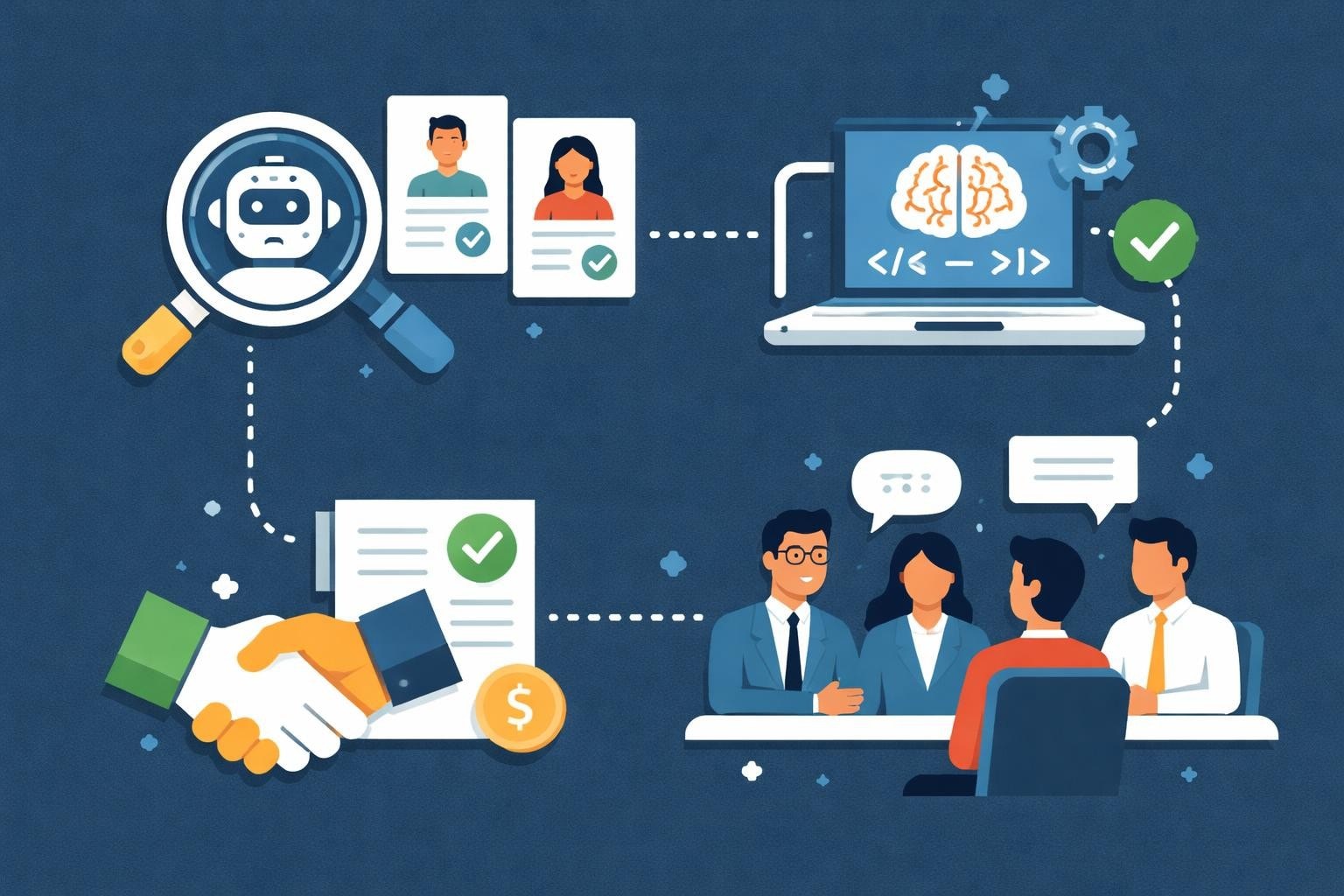
The competition to hire AI engineers has intensified dramatically as organizations across industries accelerate their artificial intelligence initiatives. With demand far outpacing supply, companies face unprecedented challenges in attracting, evaluating, and securing top-tier AI talent. The traditional recruitment playbook no longer suffices when dealing with candidates who possess specialized skills in machine learning, neural networks, natural language processing, and computer vision. Understanding the unique dynamics of this talent market and implementing strategic hiring practices has become essential for building competitive AI capabilities in 2026.
Understanding the AI Engineering Talent Landscape
The AI engineering market has evolved into one of the most competitive sectors in technology recruitment. Demand for qualified AI professionals continues to surge while the pool of experienced candidates remains relatively constrained. This imbalance has created a candidate-driven market where skilled engineers receive multiple offers and command premium compensation packages.
According to recent industry analysis, companies are increasingly adopting proactive recruitment strategies to identify and engage AI talent before immediate needs arise. Organizations that wait until positions are vacant often find themselves at a significant disadvantage.
Defining AI Engineering Roles
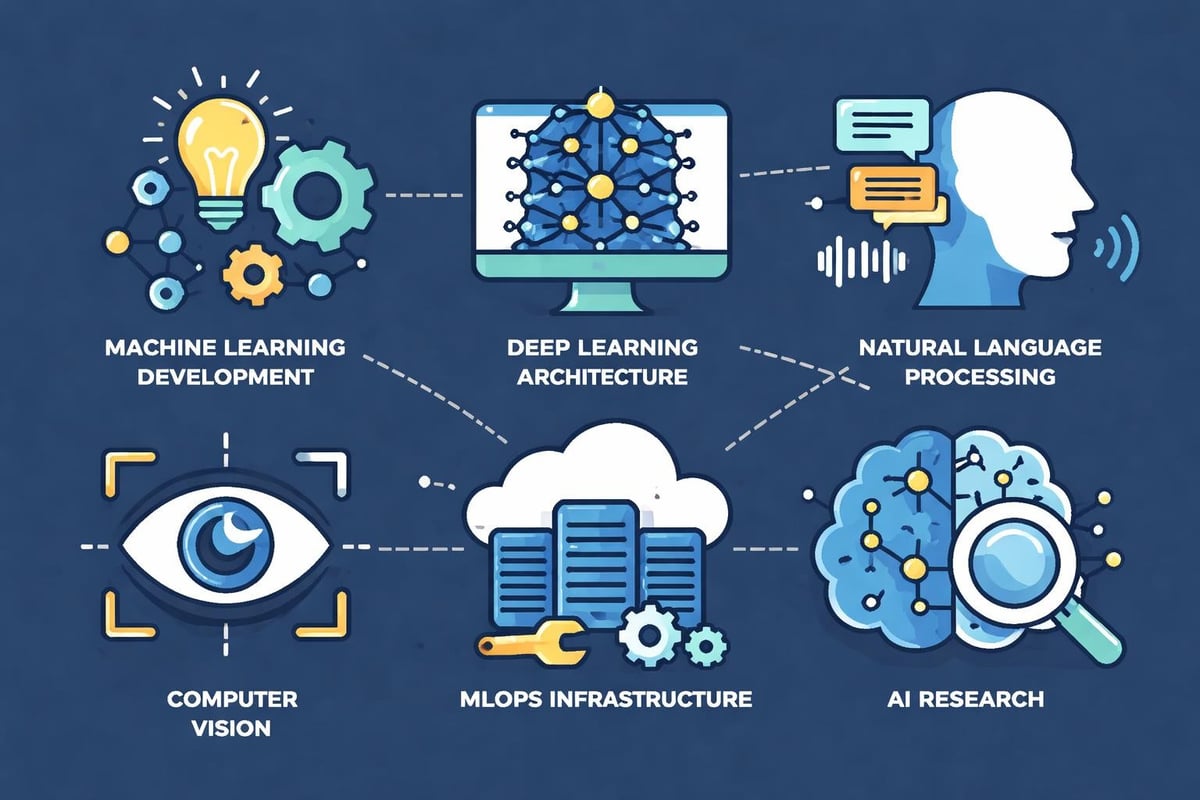
When you hire AI engineers, clarity around role expectations proves critical. AI engineering encompasses several distinct specializations:
- Machine Learning Engineers who design and implement ML models and algorithms
- Deep Learning Specialists focused on neural network architectures
- NLP Engineers working on language understanding and generation
- Computer Vision Engineers developing image and video analysis systems
- MLOps Engineers managing model deployment and infrastructure
- AI Research Scientists advancing theoretical foundations
Each specialization requires different technical foundations and evaluation approaches. Companies must precisely define which capabilities align with their business objectives before initiating recruitment efforts.
Sourcing Strategies for AI Engineering Talent
Identifying qualified candidates represents the first major hurdle when attempting to hire AI engineers. Traditional job boards rarely yield the caliber of talent needed for advanced AI initiatives. Effective sourcing requires a multi-channel approach targeting where AI professionals actually spend their time.
Specialized Sourcing Channels
Technical communities and platforms offer direct access to active AI practitioners:
- GitHub repositories where engineers showcase ML projects and contributions
- Kaggle competitions identifying data scientists with proven problem-solving skills
- Academic conferences like NeurIPS, ICML, and CVPR for research-oriented talent
- AI-focused meetups and local machine learning communities
- Specialized platforms connecting verified AI professionals with employers
Startups particularly benefit from leveraging niche communities where AI engineers congregate, including LinkedIn groups focused on specific ML frameworks or industry applications.
Internal Talent Development
Looking within your existing organization can uncover hidden potential. Software engineers with strong mathematical foundations, data scientists seeking to expand into engineering, and analytically-minded professionals may transition successfully into AI roles with appropriate training and mentorship.
| Sourcing Channel | Time to Engage | Quality Level | Cost Efficiency |
|---|---|---|---|
| GitHub Outreach | 2-3 weeks | High | Medium |
| Academic Recruiting | 3-6 months | Very High | Low |
| Specialized Platforms | 1-2 weeks | High | High |
| Employee Referrals | 1-4 weeks | High | High |
| Traditional Job Boards | 1-2 weeks | Medium | Medium |
Evaluating Technical Competencies
Once candidates enter your pipeline, rigorous technical assessment becomes paramount. The ability to hire AI engineers who can deliver production-ready solutions requires evaluation frameworks that go beyond theoretical knowledge.
Multi-Stage Assessment Framework
Implementing a structured evaluation process ensures comprehensive candidate vetting. A 10-week hiring timeline provides adequate depth while maintaining reasonable momentum.
Initial screening should validate fundamental ML concepts, programming proficiency, and mathematical foundations. Phone screens or automated assessments can efficiently filter candidates based on core competencies.
Technical deep dives examine practical problem-solving abilities. Rather than whiteboard algorithms, present real-world scenarios requiring model selection, data preprocessing decisions, and performance optimization. Candidates should demonstrate:
- Understanding of when to apply different ML approaches
- Ability to debug model performance issues
- Knowledge of production deployment considerations
- Familiarity with relevant frameworks and tools
Practical Assessments Over Theoretical Quizzes
Product-oriented assessments reveal how candidates approach ambiguous problems. Consider take-home projects that mirror actual business challenges, allowing engineers to showcase their workflow, code quality, and documentation practices.
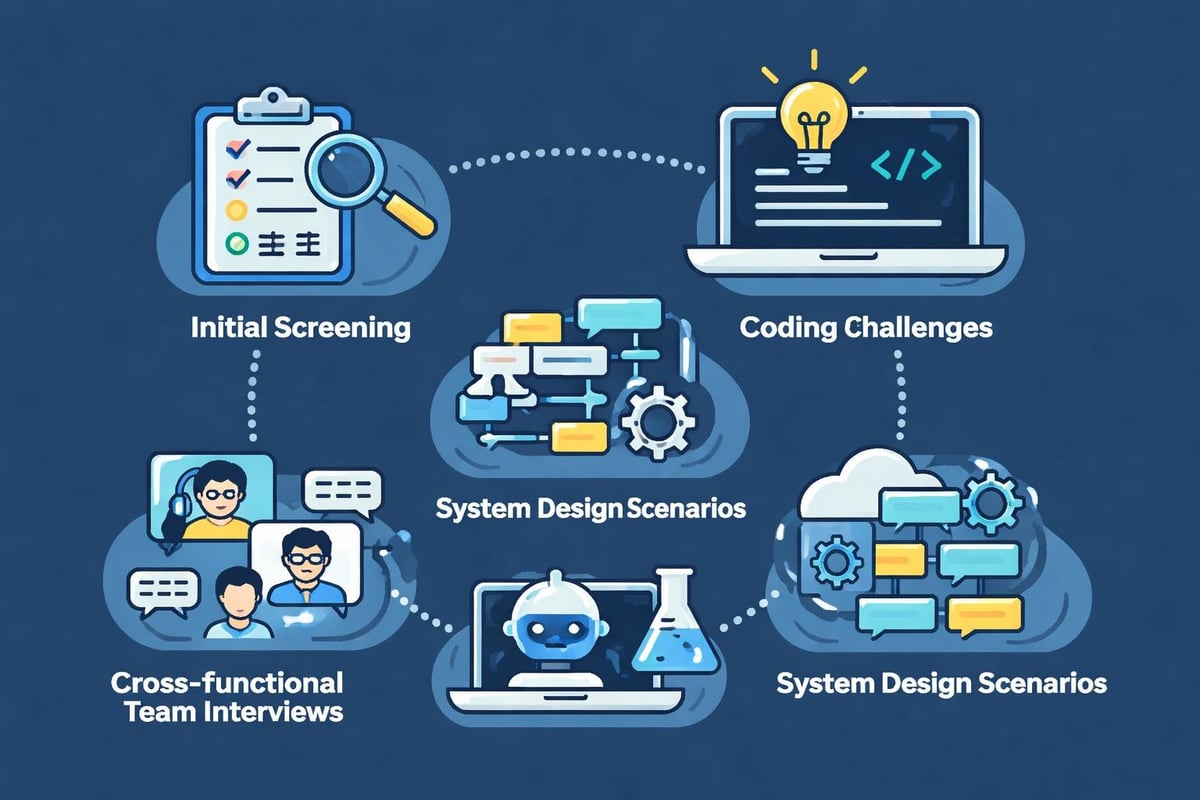
Pair programming sessions during interviews provide insight into collaboration style and real-time problem-solving. Observe how candidates communicate technical decisions, incorporate feedback, and think through trade-offs.
Addressing Resume Fraud and Credential Verification
The high demand to hire AI engineers has unfortunately led to increased instances of credential misrepresentation and resume fraud. Verifying candidate qualifications protects organizations from costly hiring mistakes and ensures teams comprise genuinely skilled professionals.
Common Red Flags
Watch for inconsistencies that suggest exaggerated or fabricated experience:
- Project descriptions lacking technical specifics
- Claimed expertise across too many ML domains
- Employment gaps or timeline inconsistencies
- Academic credentials from unverified institutions
- GitHub profiles with minimal contribution history
Verification Mechanisms
Platforms offering comprehensive candidate validation, including resume fraud detection and skill verification, streamline the authentication process. Augmnt ATS combines AI-powered analysis with human oversight to identify discrepancies and validate claimed expertise, ensuring only qualified candidates progress through your recruitment pipeline.
Beyond automated tools, conduct thorough reference checks specifically probing technical contributions. Ask former managers about actual projects completed, technologies mastered, and problem-solving approaches. Request permission to review code samples or published research when applicable.
Cultural Fit and Soft Skills Assessment
Technical excellence alone doesn't guarantee successful AI engineering hires. The ability to communicate complex concepts, collaborate across functions, and adapt to evolving requirements significantly impacts long-term value creation.
Cross-Functional Collaboration
AI engineers rarely work in isolation. They must translate business requirements into technical solutions, explain model behavior to non-technical stakeholders, and integrate with product, data, and infrastructure teams.
During interviews, assess communication clarity when explaining technical concepts. Can candidates adjust their language for different audiences? Do they ask clarifying questions about business context? Modern engineering teams require both deep technical skills and collaborative capabilities.
Alignment with Company Values
Consider how candidates approach ethical AI considerations, data privacy, and responsible deployment. Engineers who demonstrate thoughtfulness around bias mitigation, fairness metrics, and transparency align better with organizations prioritizing ethical AI development.
Compensation and Offer Strategy
When you hire AI engineers in today's market, competitive compensation proves non-negotiable. Understanding market rates and structuring compelling offers directly impacts acceptance rates.
Compensation Components
| Component | Typical Range | Importance Level |
|---|---|---|
| Base Salary | $150K-$300K+ | Critical |
| Equity/Stock | 0.1%-2.0% | High |
| Signing Bonus | $20K-$100K | Medium |
| Annual Bonus | 10%-30% | Medium |
| Learning Budget | $5K-$15K | Medium-High |
Top-tier candidates in major tech hubs command salaries at the upper end or beyond these ranges. Remote opportunities have somewhat equalized compensation across geographies, though location-based adjustments remain common.
Beyond Monetary Compensation
AI engineers value career growth, interesting problems, and technical resources. Emphasize:
- Access to cutting-edge tools and computational resources
- Challenging problems with real-world impact
- Continuous learning through conferences, courses, and research time
- Publication opportunities for research-oriented candidates
- Collaborative environment with other top-tier engineers
Strategies for retaining AI engineers emphasize creating conditions where they can perform their best work and continuously develop their capabilities.
Building Your Employer Brand for AI Talent
The best AI engineers have numerous options. Attracting them requires demonstrating why your organization offers superior opportunities compared to alternatives.
Showcasing Technical Culture
Thought leadership establishes credibility within the AI community. Publishing technical blog posts, open-sourcing internal tools, and speaking at conferences signals serious technical investment.
Highlighting your technology stack, data infrastructure, and computational resources shows candidates they'll have appropriate tools. Many AI engineers decline opportunities where infrastructure limitations would constrain their effectiveness.
Transparent Career Pathways
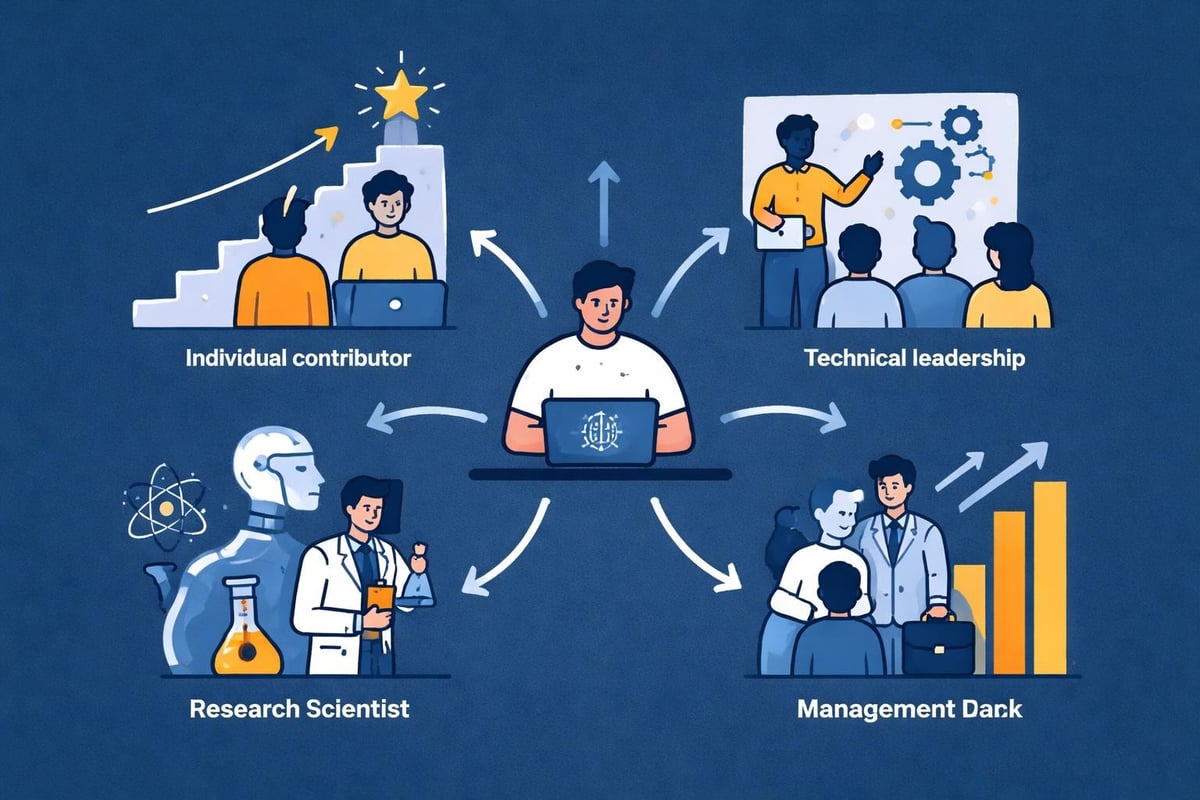
Articulate clear growth trajectories for AI engineering roles. Will engineers have opportunities to lead teams, transition into research, or specialize deeper in particular domains? Building a strong employer brand includes demonstrating investment in professional development.
Streamlining the Recruitment Process
Lengthy, inefficient hiring processes cost organizations top candidates. When attempting to hire AI engineers, speed and clarity differentiate successful recruiters from those who lose talent to competitors.
Optimizing Time-to-Hire
The average time-to-fill for AI engineering positions ranges from 45-60 days, but top candidates receive offers within 2-3 weeks of initial contact. Reducing unnecessary steps while maintaining assessment rigor requires deliberate process design.
Coordinate interview scheduling aggressively. Making candidates wait weeks between stages signals disorganization and low prioritization. Ideally, complete all interview rounds within 7-10 days of initial technical screen.
Empower hiring managers with decision-making authority. Requiring excessive approval layers slows momentum and risks losing candidates to faster-moving competitors. Establish clear decision criteria upfront and trust designated evaluators.
Clear Communication Throughout
Candidates appreciate transparency about process timelines, evaluation criteria, and decision factors. Even when delivering rejections, specific feedback helps maintain positive relationships for potential future opportunities.
Regular status updates prevent candidates from feeling forgotten. A simple message confirming continued interest and expected next steps maintains engagement during inevitable delays.
Retention Considerations During Hiring
The decision to hire AI engineers should incorporate long-term retention from the outset. Turnover in specialized roles proves particularly costly given ramp-up time and knowledge transfer requirements.
Onboarding for Success
Structured onboarding significantly impacts early tenure satisfaction. New AI engineers need:
- Clear project assignments with defined scope
- Access to relevant datasets and computational resources
- Introduction to key stakeholders across functions
- Technical documentation for existing systems
- Mentorship from senior team members
Early wins build confidence and engagement. Rather than overwhelming new hires with the most complex challenges, provide opportunities to deliver value while learning organizational context.
Ongoing Development and Growth
AI technology evolves rapidly. Engineers who cannot stay current become less effective and more likely to seek opportunities elsewhere. Support continuous learning through conference attendance, online courses, research paper study groups, and experimentation time.
Fostering a meaningful work environment where engineers solve important problems with capable colleagues creates intrinsic motivation beyond compensation.
Leveraging AI in the Hiring Process
Organizations can apply AI capabilities to improve their own recruitment operations. Integrating AI tools into hiring enhances efficiency while maintaining human judgment for critical decisions.
Automation with Oversight
AI-powered resume screening identifies candidates meeting baseline qualifications, but human review remains essential for nuanced evaluation. Automated scheduling tools eliminate coordination overhead. Natural language processing analyzes interview responses for consistency with written materials.
The balance between automation and human insight proves crucial. Over-reliance on algorithmic filtering risks excluding unconventional candidates who might excel in your specific context. Technology should augment rather than replace recruiter judgment.
Measuring Recruitment Effectiveness
Track metrics that indicate process health and outcomes:
- Time-to-fill for AI engineering positions
- Offer acceptance rate showing competitiveness
- Source effectiveness revealing which channels yield best candidates
- Interview-to-offer ratio indicating assessment calibration
- First-year retention rate validating selection quality
Data-driven optimization identifies bottlenecks and improvement opportunities. Talent acquisition best practices emphasize continuous refinement based on measurable results.
Remote vs. On-Site Considerations
The shift toward remote work has expanded the geographic talent pool for organizations willing to hire AI engineers regardless of location. This flexibility provides access to candidates previously constrained by relocation requirements.
Managing Distributed AI Teams
Remote AI engineering teams require deliberate collaboration infrastructure. Asynchronous communication patterns, comprehensive documentation, and regular synchronization meetings maintain alignment despite physical distance.
Time zone considerations affect meeting scheduling and real-time collaboration opportunities. Teams spanning more than 4-5 time zones face coordination challenges requiring thoughtful processes.
Some organizations adopt hybrid models, requiring periodic in-person gatherings for relationship building and strategic planning while maintaining flexibility for day-to-day work.
Geographic Compensation Strategies
Decisions around location-based pay adjustments carry trade-offs. Uniform compensation regardless of geography simplifies administration and signals equitable treatment but may overpay for lower cost-of-living areas or underpay in expensive markets. Location-adjusted compensation aligns with local market rates but creates internal equity questions when equally productive engineers receive different compensation.
Successfully recruiting AI engineering talent requires comprehensive strategies addressing sourcing, evaluation, compensation, and retention. Organizations must move beyond traditional hiring approaches to compete effectively in this specialized market. By implementing structured assessment frameworks, verifying credentials thoroughly, and creating environments where AI engineers can thrive, companies position themselves to attract the talent driving innovation forward. Augmnt streamlines this complex process by connecting businesses with verified AI professionals through intelligent matching and comprehensive validation, eliminating fraud risk while accelerating your path to building exceptional AI teams.