Fake Resumes Guide: Identifying and Preventing Deception in 2026
Did you know up to 70% of candidates admit to lying on their resumes? In 2026, fake resumes have reached new levels of sophistication, putting companies at risk for costly hiring mistakes.
AI tools and cybercriminal tactics have made resume fraud harder to detect. This guide equips HR professionals, recruiters, and business leaders with actionable steps to spot and prevent fake resumes in today’s complex hiring landscape.
Explore the latest trends in resume deception, discover advanced detection strategies, and learn how to protect your organization. Follow this comprehensive guide to ensure you hire only genuine talent.
The Evolution of Fake Resumes: Trends and Tactics in 2026
In 2026, organizations are facing an increasingly complex landscape when it comes to fake resumes. As fraudsters become more sophisticated, HR professionals must stay ahead of evolving tactics. Understanding the trends and types of deception is crucial for protecting the hiring process and maintaining trust.
The Growing Prevalence of Resume Fraud
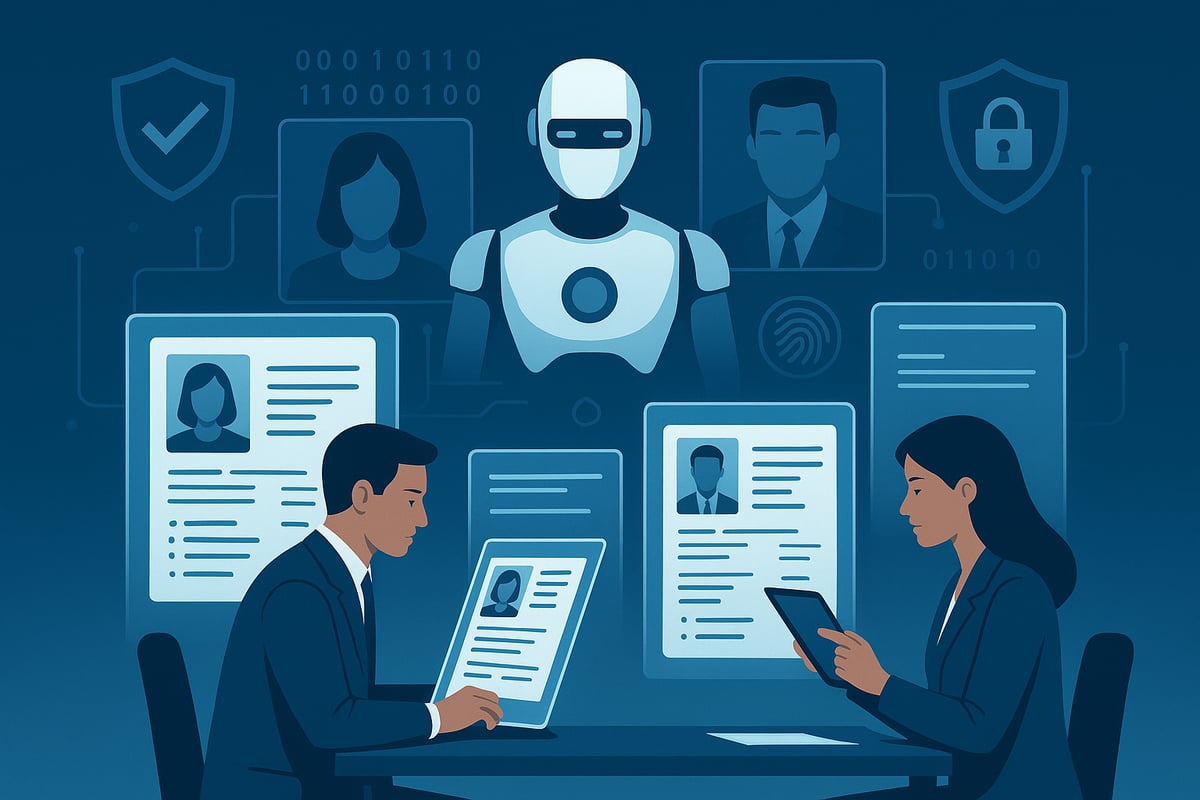
Resume fraud has become a mainstream risk. Recent surveys indicate that over 70% of HR professionals have encountered candidates presenting fake resumes. According to industry research, 60 to 70% of job seekers now admit to including false or misleading information on their applications. This widespread trend is fueled by growing competition for roles and the rise of remote work, which makes verification more challenging.
Organizations are experiencing a direct impact on trust and hiring efficiency. As more candidates resort to fake resumes, the burden on recruiters increases, leading to longer hiring cycles and more frequent mis-hires. For further data on the prevalence and methods of deception, see the StandOut CV study on resume lies.
New Technologies Fueling Deception
Technology has radically changed the landscape of fake resumes. AI-powered resume generators can now produce documents that closely mimic authentic profiles, making them difficult to spot at first glance. Bots automate the submission of these documents across job boards, often tweaking credentials to match each posting.
Deepfake technology is also on the rise. Some candidates use AI to create fake video interviews or references, further complicating verification. In addition, social engineering tactics are being deployed to fabricate employment history, while some malware-laced resumes threaten cybersecurity, targeting recruiters and HR systems.
Types of Resume Fraud in 2026
Fake resumes in 2026 come in many forms. Common tactics include fabricating work experience, inflating job titles, or inventing degrees from non-existent institutions. Identity swapping and “bait-and-switch” candidates are also increasing, where one person applies and another shows up for interviews or work.
Other schemes involve juggling multiple jobs simultaneously without disclosure or presenting forged certifications and technical skills. The variety and sophistication of these ploys make detecting fake resumes a significant challenge for hiring teams.
Real-World Examples and Case Studies
Several high-profile incidents in recent years reveal the risks posed by fake resumes. Some companies have suffered financial losses and reputational damage after hiring individuals with fabricated backgrounds. In regulated industries, fraudulent hires have resulted in regulatory fines and compliance violations.
There have also been cases where malware embedded in fake resumes led to data breaches. Notably, AI-generated resumes have successfully bypassed initial screening, highlighting the limitations of traditional detection methods and the need for enhanced verification.
Why Resume Fraud Is a Growing Threat
The threat from fake resumes continues to escalate. The shift to remote hiring and digital onboarding has created new vulnerabilities, as face-to-face verification is less common. The absence of standardized, global credential verification systems leaves gaps that fraudsters exploit.
Organizations feel pressure to fill roles quickly in a competitive labor market, sometimes at the expense of thorough vetting. This erosion of trust in traditional recruitment channels, combined with security and compliance risks, makes combating fake resumes a top priority for HR and business leaders.
Identifying Fake Resumes: Red Flags and Advanced Detection Strategies
Hiring in 2026 requires vigilance due to the rise of fake resumes. Deception is becoming more sophisticated, making it essential for organizations to spot fraudulent credentials before they become costly mistakes. By breaking down the most common red flags and leveraging both human judgment and technology, you can fortify your recruitment process against manipulation.
Common Red Flags in Candidate Applications
Spotting fake resumes starts with a careful review of the documents submitted. Watch for inconsistencies in employment dates, job titles, and company names, as these are classic warning signs. Vague or overly generic job descriptions often indicate a lack of real experience.
Be wary of credentials that seem too perfect or out of sync with the candidate’s career trajectory. Missing contact information for references or previous employers should raise concern. Unusual document formatting or suspicious metadata can also signal manipulation.
According to the Resume.org survey on resume fraud, 6 in 10 candidates who used fake resumes still managed to secure a job, highlighting the importance of thorough screening.
Leveraging Technology for Resume Verification
Modern tools can help recruiters identify fake resumes with greater accuracy. AI-driven resume parsers analyze patterns and flag discrepancies quickly. Automated systems cross-reference candidate details with LinkedIn profiles, company records, and public databases to validate claims.
Blockchain technology is emerging as a powerful ally, offering tamper-proof verification of education and employment histories. Digital identity verification platforms ensure the person applying matches the credentials submitted. Integrating these solutions with your Applicant Tracking System (ATS) provides an additional layer of scrutiny, making it harder for fake resumes to slip through.
Human Insight: The Role of Recruiters and Hiring Managers
Technology is invaluable, but human intuition remains crucial in detecting fake resumes. Recruiters should always conduct manual reviews alongside automated checks. Structured interviews allow for in-depth questioning, helping to uncover inconsistencies or gaps in a candidate’s story.
Directly contacting references, rather than relying solely on listed phone numbers or emails, can expose fraudulent backgrounds. Behavioral interviews are particularly effective for assessing whether a candidate’s experience aligns with their claims. Training HR staff to recognize subtle deception tactics ensures your team stays ahead of evolving fake resumes.
Advanced Tactics Used by Fraudsters in 2026
As technology evolves, so do the methods used to create fake resumes. AI-generated profiles are now tailored to specific job descriptions, making them increasingly convincing. Fraudsters may use deepfake video interviews to impersonate real candidates or employ resume "laundering" services to clean up their digital footprint.
Some even hack into legitimate company systems to fabricate employment records. Organized fraud rings collaborate to provide fake references that check out under basic scrutiny. These advanced tactics make the fight against fake resumes more complex, requiring ongoing adaptation from hiring teams.
The Cybersecurity Angle: Malware and Social Engineering
Fake resumes can introduce cybersecurity threats into your organization. Malware-laced attachments sent as part of job applications are a growing risk, often targeting recruiters directly. Phishing attempts disguised as legitimate candidate emails seek to gain sensitive company information.
Social engineering tactics manipulate staff into revealing confidential details or bypassing standard verification procedures. To combat these threats, implement strict protocols for handling digital resumes. Train your team to recognize suspicious attachments and always use secure environments when opening documents linked to fake resumes.
Data-Driven Detection: Using Analytics to Uncover Fraud
Analytics and machine learning models are transforming how organizations detect fake resumes. Pattern analysis across large pools of applicants can reveal statistical anomalies in education, work experience, or skills that deviate from industry norms.
By benchmarking candidate data and continuously refining detection algorithms, companies can identify outliers more efficiently. Feedback loops between recruiters and technology providers help improve accuracy over time. This proactive approach is essential for staying ahead of the ever-changing tactics used in fake resumes.
How Verified Talent Marketplaces Enhance Resume Integrity
Verified talent marketplaces play a pivotal role in combating fake resumes. Platforms like Augmnt combine AI with human verification to rigorously validate every candidate’s credentials, from education to work history.
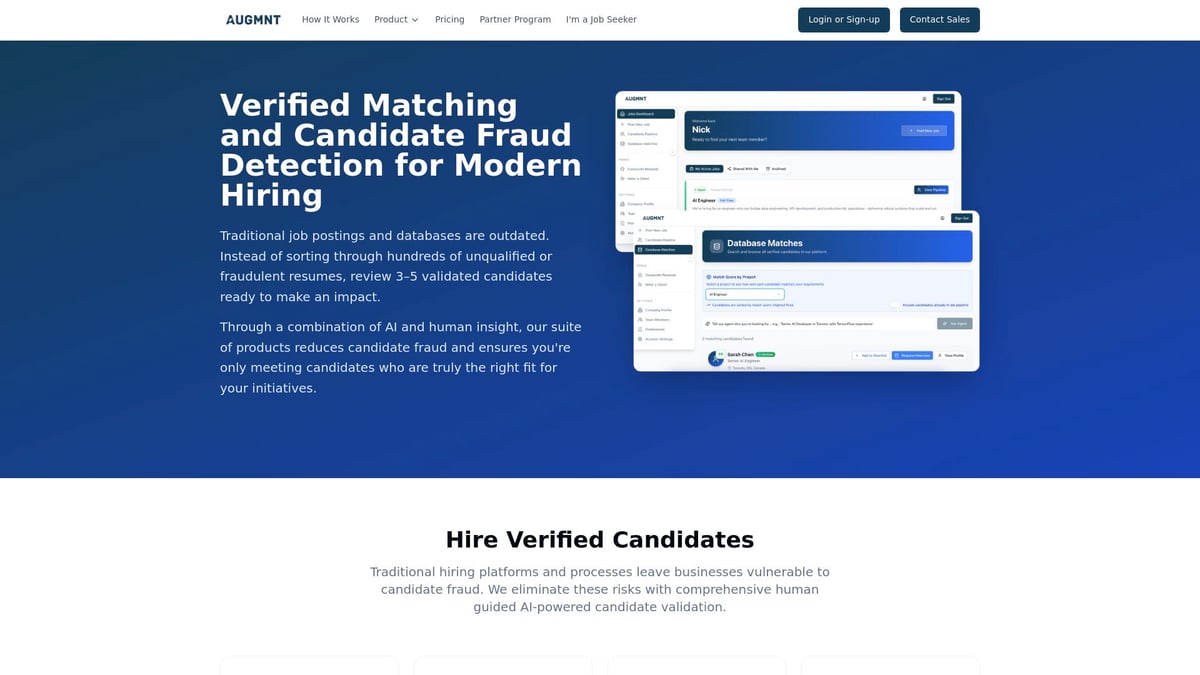
These marketplaces integrate with ATS platforms and employ AI-powered browser extensions to flag suspicious profiles. By focusing on candidates eligible to work in the U.S. and Canada, they minimize jurisdictional risks. Companies using verified marketplaces report fewer incidents of fake resumes and improved recruitment efficiency, making these platforms a critical component of modern hiring strategies.
Step-by-Step Guide: Preventing Resume Fraud in Your Hiring Process
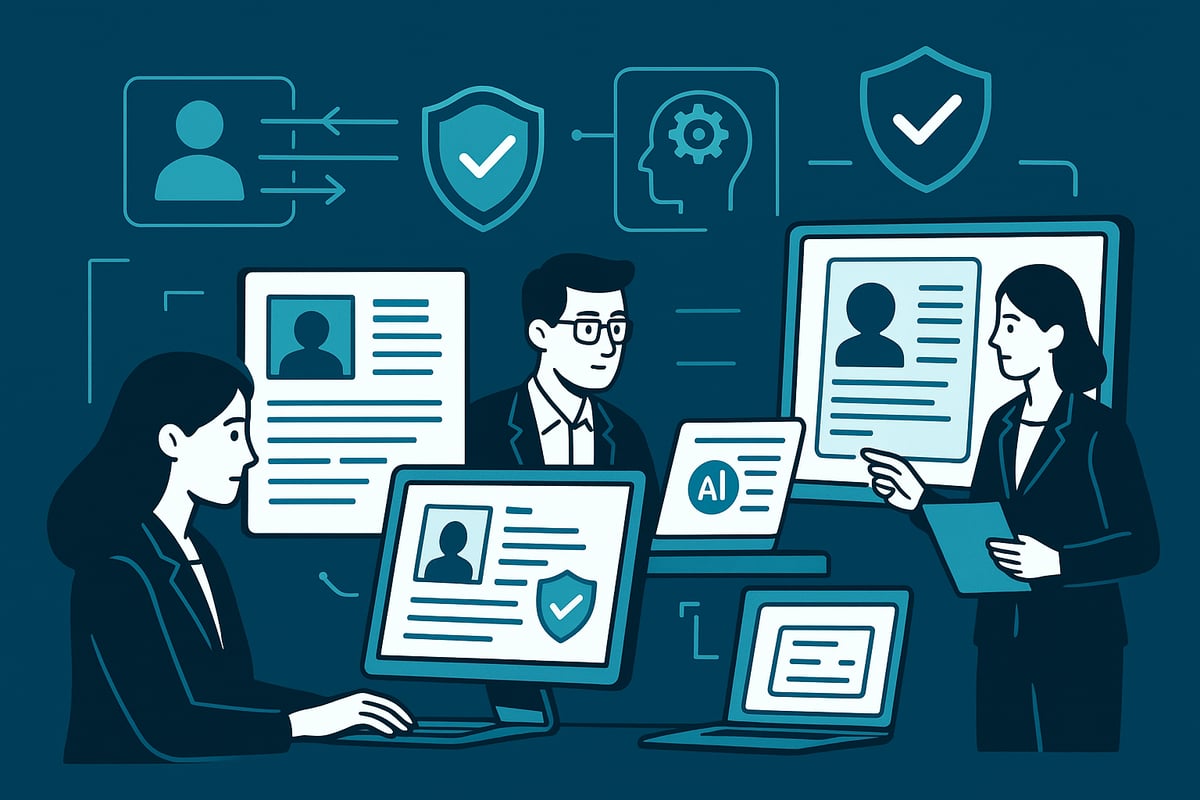
Hiring genuine talent is crucial for business success, yet fake resumes continue to challenge even the most diligent organizations. To safeguard your hiring process, implement a structured approach that blends technology, human insight, and ongoing education.
Step 1: Implement Robust Resume Screening Protocols
Begin with a standardized process to spot fake resumes before they reach the interview stage. Consistency is the key to minimizing risk.
- Create a detailed resume review checklist for every recruiter.
- Utilize AI-powered screening tools to flag suspicious entries.
- Require candidates to provide quantifiable achievements and comprehensive job descriptions.
- Cross-reference submitted information with public databases.
- Escalate any inconsistencies or signs of fake resumes for further review.
By embedding these protocols, your team can catch fake resumes early and streamline candidate evaluation.
Step 2: Enhance Verification of Credentials and References
A strong verification process is vital to exposing fake resumes and confirming candidate legitimacy.
- Partner with trusted background check providers for employment and education verification.
- Contact certification bodies directly to confirm claimed credentials.
- Reach out to references using official company contact details.
- Implement digital credentialing platforms for secure validation.
- Keep a transparent record of all verification steps for compliance.
According to the Checkr report on hiring fraud, organizations that invest in thorough verification processes are better equipped to detect identity fraud and minimize financial losses from fake resumes.
Step 3: Incorporate Skill Assessments and Practical Tests
Skill tests are one of the most effective defenses against fake resumes, as they reveal actual capabilities versus claimed experience.
- Develop role-specific technical or situational assessments.
- Use live or proctored tests to reduce the risk of outside help.
- Compare assessment results directly with resume claims.
- Utilize unbiased third-party platforms for objective evaluations.
- Filter candidates by assessment performance before proceeding to interviews.
This approach ensures only those with proven skills, not just impressive fake resumes, progress in your hiring funnel.
Step 4: Strengthen Interview and Onboarding Processes
Comprehensive interviews and onboarding steps are essential for exposing fake resumes and confirming candidate authenticity.
- Conduct multiple interviews with varied stakeholders for broad perspective.
- Use behavioral and situational questions to probe real-life experience.
- Implement video interviews with built-in identity verification.
- Request work samples or portfolios for creative or technical roles.
- Check for discrepancies between interview answers and resume content.
These steps help prevent fake resumes from slipping through during later hiring stages.
Step 5: Train Your Hiring Team and Update Policies
Your hiring team must stay informed and vigilant to address the evolving tactics behind fake resumes.
- Offer regular training on the latest forms of resume fraud.
- Define clear policies for reporting and investigating suspicious applications.
- Foster a culture that values diligence and healthy skepticism.
- Update hiring protocols to embed digital security best practices.
- Encourage open dialogue about unusual candidate behavior.
Well-trained teams are your best defense against fake resumes and related risks.
Step 6: Protect Against Cybersecurity Threats in Recruitment
Cybercriminals increasingly use fake resumes as a vector for security breaches. Protect your organization with robust digital safeguards.
- Handle all resume files with secure protocols and malware detection software.
- Use sandbox environments to open attachments from unknown sources.
- Educate staff about phishing attempts disguised as candidate emails.
- Require multi-factor authentication for access to recruitment systems.
- Maintain a tested incident response plan in case of data breaches caused by fake resumes.
Combining cybersecurity measures with vigilant hiring practices reduces the threat of attacks tied to fake resumes.
Step 7: Monitor and Continuously Improve Your Process
Ongoing monitoring and process improvement are essential to stay ahead of new fake resumes tactics.
- Track metrics on detection rates and prevention outcomes.
- Gather feedback from recruiters and hiring managers after each hire.
- Update screening tools and workflows as fraud tactics evolve.
- Benchmark your process against industry standards for best results.
- Share findings and lessons learned throughout your organization.
By embracing a culture of continuous improvement, you build resilience against fake resumes and future-proof your hiring strategy.
The Cost of Fake Resumes: Risks and Real-World Consequences
Fake resumes pose significant financial and operational risks for organizations of all sizes. The process of vetting, interviewing, and onboarding fraudulent candidates consumes valuable resources and time. When these individuals are later exposed, companies must restart the entire hiring process.
Financial and Operational Risks to Organizations
The impact of fake resumes on business operations is substantial. Not only do companies waste time interviewing and training unqualified candidates, but they also face higher turnover rates when these hires fail to perform. This leads to increased costs for recruitment and onboarding, as well as lost productivity.
- Wasted recruiter hours investigating false claims
- Increased expenses for background checks and re-hiring
- Missed opportunities to hire genuine talent
Additionally, organizations risk legal liability and regulatory fines if fraudulent employees slip through, especially in regulated industries.
Security and Compliance Threats
Fake resumes are increasingly linked with cybersecurity risks. Some fraudulent candidates use malware-laced attachments to target HR systems. When a malicious document is opened, sensitive company data can be compromised. Compliance becomes a concern, particularly for sectors like healthcare, finance, and technology.
- Data breaches from malicious resume files
- Loss of confidential business or client information
- Failure to meet industry-specific compliance standards
These incidents highlight the need for strict digital resume handling protocols and ongoing security training for hiring teams.
Reputational Damage and Employee Morale
The discovery of fake resumes within an organization can quickly erode trust. Negative news coverage following a high-profile incident can damage a company's brand and deter top talent from applying. Employees may feel demoralized if they discover that a colleague was hired based on false credentials.
- Loss of trust among clients and stakeholders
- Drop in employee morale and engagement
- Long-term damage to employer reputation
Recovering from such events demands transparent communication and robust corrective actions to restore confidence.
Industry-Specific Impacts and Trends
Some sectors, such as technology and finance, are more vulnerable to fake resumes due to remote hiring and talent shortages. Regulated industries face stricter penalties for compliance failures. The rise of gig work and contract roles creates unique verification challenges.
A recent Gartner survey on AI in hiring highlights that only 26 percent of job applicants trust AI to evaluate them fairly, reflecting increased scrutiny of hiring practices and the need for robust fraud prevention. As 71 percent of HR professionals express low confidence in detecting fake resumes, the risk remains significant across industries.
The Future of Resume Verification: Innovations and Best Practices for 2026
The landscape of resume verification is evolving rapidly. As fake resumes become more sophisticated, organizations must stay ahead by embracing the latest innovations and best practices. Let’s explore the future of fraud detection and how you can protect your hiring process.
AI and Machine Learning in Fraud Detection
Artificial intelligence is transforming how organizations identify fake resumes. AI models, trained on vast datasets, can spot subtle inconsistencies in education, work history, and skills that manual reviews often miss.
A comparison of traditional and AI-powered detection:
| Method | Speed | Accuracy | Adaptability |
|---|---|---|---|
| Manual Review | Low | Medium | Low |
| AI/ML Detection | High | High | High |
AI-powered tools provide real-time alerts for suspicious applications. They continuously learn from new data, making it harder for fraudsters to exploit patterns. By integrating machine learning into your hiring process, you can detect fake resumes more effectively and reduce costly errors.
Blockchain and Digital Credentialing
Blockchain technology is emerging as a reliable solution for verifying candidate credentials. By recording education and employment history on a tamper-proof ledger, blockchain makes it extremely difficult for individuals to submit fake resumes.
Digital badges and verified credentials streamline verification. Instead of chasing paper documents, recruiters can instantly confirm a candidate’s qualifications through secure digital platforms. As more institutions join global verification networks, manual checks become less necessary. This shift helps organizations build trust and reduce fraud.
Biometric and Identity Verification Solutions
With the rise of remote hiring, biometric verification is becoming essential. Facial recognition and other biometric tools ensure that candidates are who they claim to be, providing a strong defense against fake resumes.
Video interview platforms now offer built-in identity validation, which helps prevent deepfake and impersonation attempts. Secure onboarding processes, such as biometric checks, protect distributed teams from fraud. While privacy concerns must be addressed, these solutions balance security with candidate experience.
Collaborative Industry Initiatives and Standards
Industry-wide collaboration is key in the fight against fake resumes. Consortia of employers, educational institutions, and technology providers are developing shared verification standards.
Centralized databases and partnerships make it easier to confirm credentials across borders. Government involvement is increasing, with regulatory bodies pushing for standardized processes. Successful initiatives demonstrate that when organizations work together, the overall risk of resume fraud decreases significantly.
Best Practices for Ongoing Resume Fraud Prevention
To stay ahead of evolving threats, organizations must adopt a proactive approach. Regularly updating verification technologies and protocols is essential for combating fake resumes.
Key best practices include:
- Fostering a culture of vigilance and accountability
- Encouraging anonymous reporting of suspicious activity
- Maintaining open channels with industry peers to share threat intelligence
- Investing in continuous training for HR teams
By following these practices, you can minimize risk and build a robust hiring process.
The Role of Verified Talent Marketplaces in the Future
Verified talent marketplaces are shaping the next era of hiring. These platforms pre-screen candidates and use advanced tools to weed out fake resumes before they reach employers.
Combining AI, human oversight, and credential verification, these marketplaces ensure that only genuine professionals are presented. Employers benefit from a shorter time-to-hire and increased confidence in their hiring decisions.
As the demand for authentic talent grows, verified marketplaces are becoming a core element of modern recruitment strategies. Partnering with these platforms can help your organization stay one step ahead of resume fraud.
Now that you understand how sophisticated fake resumes have become and why proactive verification is essential, it’s time to take the next step in protecting your organization. With platforms like Augmnt, you get the confidence of knowing every candidate has been thoroughly validated for both skills and authenticity—saving you from costly hiring mistakes and ensuring your team is built on genuine talent. If you’re ready to see how intelligent candidate verification can streamline your hiring and boost your peace of mind, I encourage you to Request a Demo and experience the power of trusted recruitment for yourself.