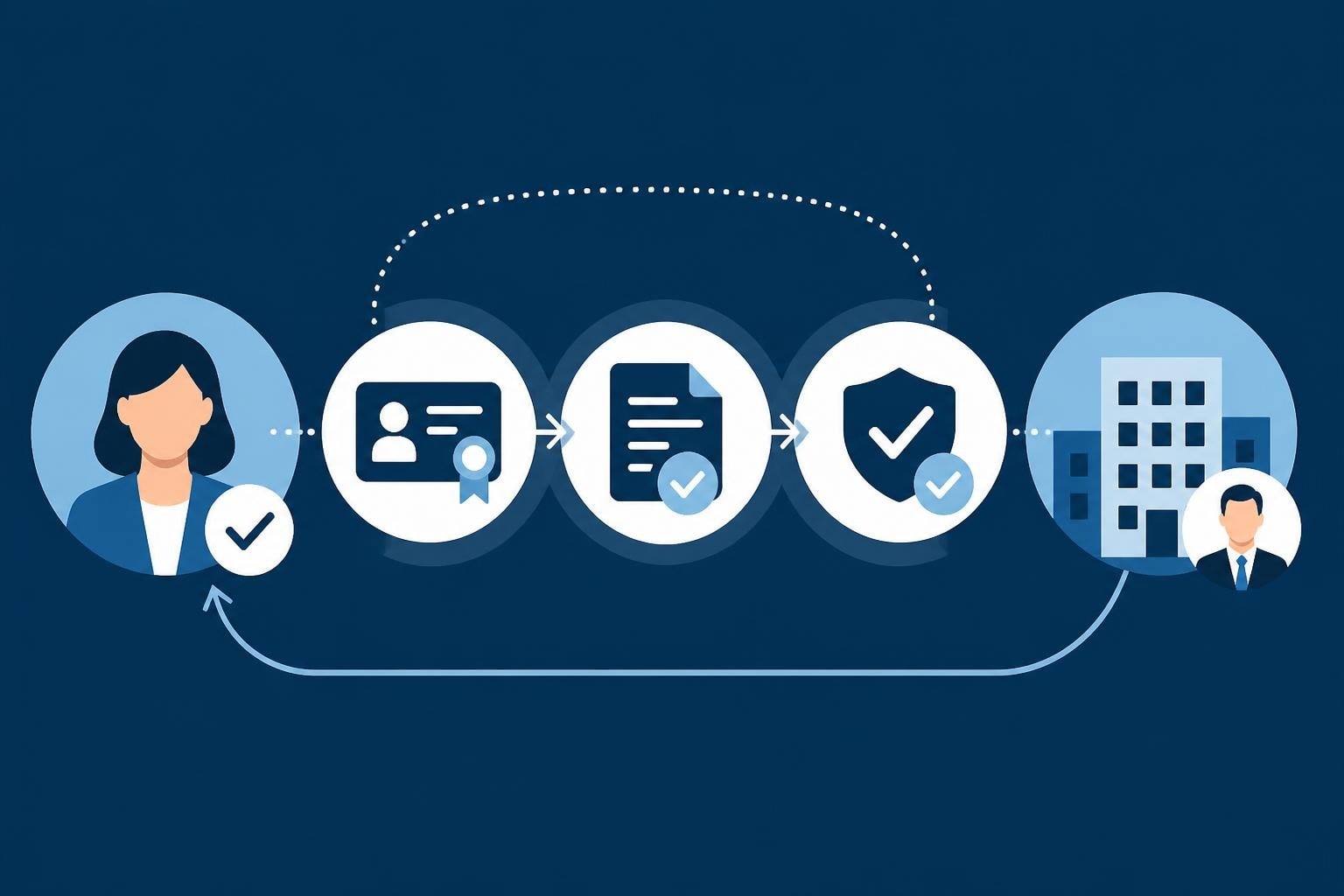
Employment Verification Software: A Complete Guide
Employment verification has become one of the most critical components of modern hiring processes. Organizations across all industries face mounting pressure to validate candidate credentials, prevent resume fraud, and maintain compliance with evolving employment regulations. As businesses compete for top talent in specialized fields like artificial intelligence and technology, the stakes for accurate verification have never been higher. Employment verification software has emerged as an essential solution, transforming how companies authenticate candidate information while streamlining their recruitment workflows.
The Rising Importance of Automated Verification Systems
The traditional approach to employment verification required hours of manual phone calls, email exchanges, and document reviews. HR teams spent valuable time contacting previous employers, verifying educational credentials, and cross-referencing employment dates. This process was not only time-consuming but also prone to human error and inconsistencies.
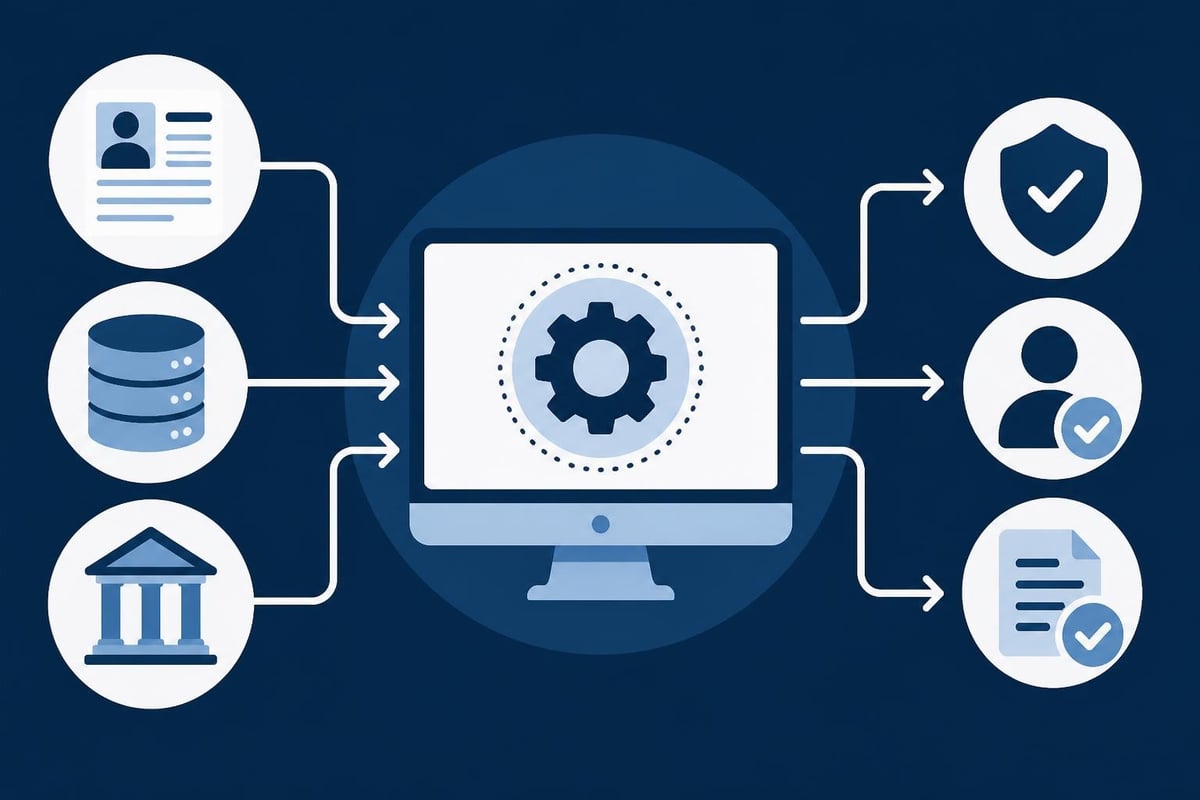
Modern employment verification software eliminates these bottlenecks by automating the validation process. These platforms integrate directly with databases, educational institutions, and professional registries to authenticate candidate claims in real-time. The shift from manual to automated verification has reduced verification timelines from weeks to mere hours, allowing companies to accelerate their hiring cycles significantly.
Key Drivers Behind Software Adoption
Several factors have accelerated the adoption of employment verification software in recent years:
- Increased resume fraud: Studies indicate that credential misrepresentation has risen substantially, with candidates inflating job titles, extending employment dates, and fabricating educational achievements
- Regulatory complexity: Compliance requirements continue to expand, making manual tracking increasingly difficult
- Remote work normalization: Distributed hiring requires robust verification systems that work across geographical boundaries
- Specialized talent scarcity: High-value positions, particularly in AI and emerging technologies, demand thorough validation to protect substantial hiring investments
- Legal liability concerns: Organizations face significant risks when hiring candidates with falsified credentials
The consequences of inadequate verification extend beyond wasted resources. Companies have faced lawsuits, regulatory penalties, and reputational damage when unverified hires proved fraudulent or unqualified.
Core Features That Define Modern Verification Platforms
Employment verification software has evolved to encompass a comprehensive suite of capabilities that address the full spectrum of candidate validation needs. Understanding these features helps organizations select solutions that align with their specific requirements.
Automated Reference Checking
Advanced platforms streamline reference verification by automatically contacting provided references through multiple channels. These systems send structured questionnaires, track response rates, and aggregate feedback into standardized reports. This automation ensures consistency across all candidates while removing the scheduling burden from HR teams.
Some solutions incorporate AI-powered analysis to identify patterns in reference responses, flagging unusually positive feedback that may indicate collusion or manufactured references.
Educational Credential Verification
Validating educational backgrounds represents a critical component of employment screening. Modern employment verification software connects directly with institutions through the National Student Clearinghouse and international equivalents. These integrations provide immediate confirmation of:
| Verification Type | Information Validated | Typical Turnaround |
|---|---|---|
| Degree Verification | Degree type, major, graduation date | 24-48 hours |
| Enrollment Verification | Current or historical enrollment status | 12-24 hours |
| Certification Validation | Professional certifications and licenses | 1-3 business days |
| Transcript Authentication | Course history and academic performance | 3-5 business days |
This direct access eliminates the need for manual transcript requests and reduces the risk of forged documents entering the verification process.
Employment History Authentication
Confirming previous employment remains one of the most challenging aspects of candidate screening. Employment verification software addresses this through multiple approaches. Platforms may integrate with payroll systems like ADP and Workday to automatically verify employment dates and titles. For employers without digital integrations, these systems manage outreach to HR departments, following up until verification is complete.
The best employment verification software platforms now incorporate machine learning algorithms that analyze employment patterns, identifying inconsistencies such as overlapping positions, improbable career progressions, or gaps that don't align with provided explanations.
Background Check Integration
Comprehensive verification extends beyond simple employment confirmation. Leading platforms integrate traditional background screening capabilities, including criminal record checks, credit reports (where legally permissible), and driving records for relevant positions.
These integrations create a unified verification hub, eliminating the need to manage multiple vendor relationships and consolidate reports from disparate sources. Background screening platforms like Veremark demonstrate how modern solutions are expanding their capabilities to provide comprehensive candidate assessments.
Navigating Compliance and Legal Considerations
Employment verification software must navigate a complex landscape of federal, state, and international regulations. Platforms that fail to maintain compliance expose their clients to significant legal and financial risks.
E-Verify and I-9 Management
Federal law requires employers to verify employment eligibility for all new hires through Form I-9 documentation. E-Verify, the government's electronic verification system, allows employers to confirm that employee information matches government records. Many common E-Verify mistakes stem from manual process management, making automated solutions particularly valuable.
Modern employment verification software incorporates E-Verify integration, automatically submitting required information and tracking case status. These systems maintain digital I-9 records with built-in retention schedules, ensuring compliance with the three-year storage requirement while prompting timely document disposal to avoid unnecessary liability.
Fair Credit Reporting Act (FCRA) Compliance
When employment verification involves consumer reports, FCRA requirements come into play. Platforms must ensure proper disclosure to candidates, obtain written authorization before conducting checks, and provide adverse action notices when verification results influence hiring decisions.
Automated compliance features track these requirements, generating properly formatted disclosure documents, managing candidate consent workflows, and triggering adverse action notices with appropriate waiting periods. This systematic approach reduces the risk of FCRA violations, which can result in class-action lawsuits and substantial penalties.
Data Privacy and Security
Employment verification involves processing sensitive personal information, requiring robust security measures. Platforms should maintain SOC 2 Type II certification, demonstrating comprehensive security controls. Encryption of data in transit and at rest, role-based access controls, and detailed audit logging represent baseline security requirements.
For organizations operating internationally, GDPR compliance becomes essential. Employment verification software must support data subject rights, including access requests and deletion requirements, while maintaining proper data processing agreements with verification sources.
Implementation Strategies for Maximum ROI
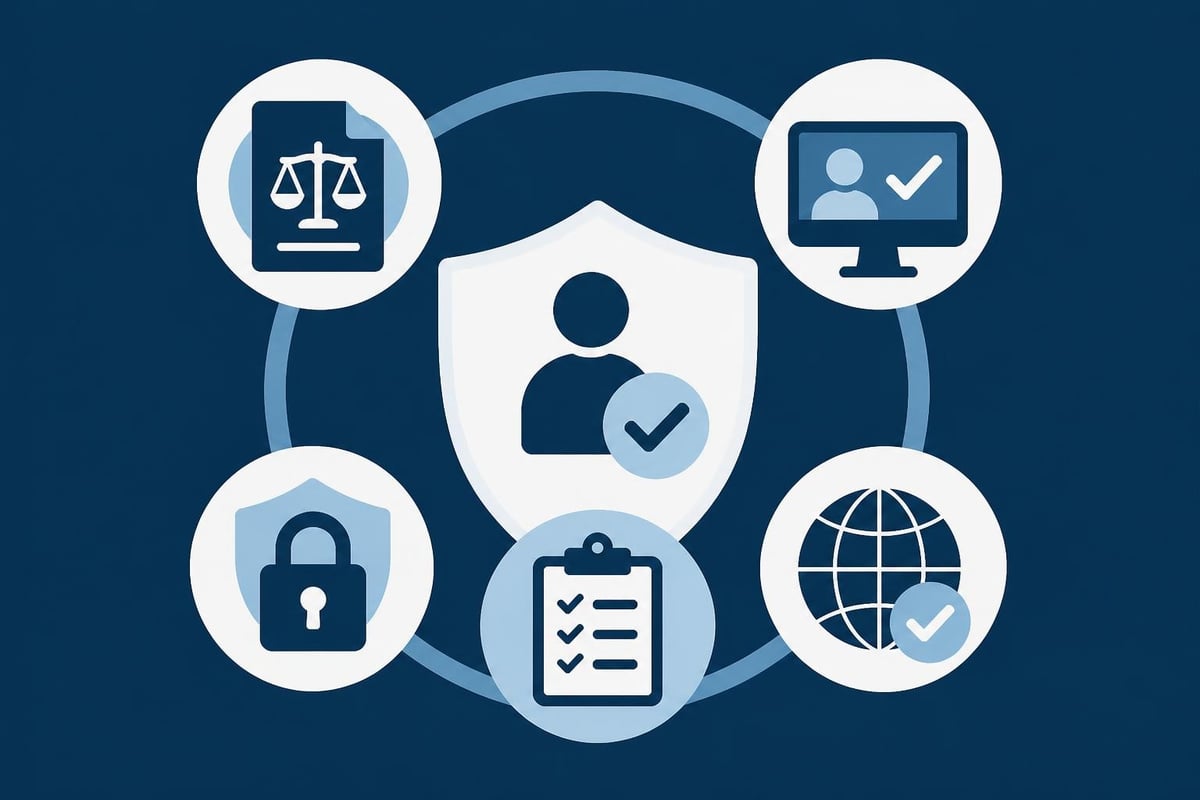
Successfully deploying employment verification software requires more than selecting the right platform. Organizations must approach implementation strategically to realize the full benefits of automation.
Integration with Existing Systems
The most effective employment verification software integrates seamlessly with applicant tracking systems, human resource information systems, and onboarding platforms. These integrations eliminate manual data entry, reducing errors and accelerating workflows.
Before selecting a solution, organizations should inventory their existing technology stack and prioritize platforms offering pre-built integrations. For companies using specialized ATS platforms for recruiters, integration capabilities become even more critical to maintain workflow continuity.
Customizing Verification Packages
Different positions require different verification depths. Executive roles may warrant comprehensive checks including credit reports and extensive employment history, while entry-level positions might need only basic credential validation.
Leading platforms allow organizations to create tiered verification packages:
- Basic Package: Employment history verification (most recent position), degree confirmation, criminal record check
- Standard Package: Full employment history, degree and certification verification, criminal and motor vehicle records
- Executive Package: Comprehensive background check, reference interviews, credit report, social media screening, global watchlist screening
This customization ensures appropriate verification depth while controlling costs for high-volume hiring.
Training and Change Management
Technology alone doesn't guarantee success. HR teams need training on platform functionality, compliance requirements, and best practices. Effective implementation includes:
- Hands-on training sessions covering common workflows
- Documentation of standard operating procedures
- Clear escalation paths for unusual verification scenarios
- Regular platform updates as features evolve
Organizations should designate verification specialists who develop deep platform expertise and serve as internal resources for questions and complex cases.
Measuring Verification Program Effectiveness
Employment verification software provides extensive analytics that help organizations optimize their screening processes and demonstrate program value to stakeholders.
Key Performance Indicators
Tracking specific metrics reveals program effectiveness and identifies improvement opportunities:
| Metric | Target Range | Significance |
|---|---|---|
| Average Time to Complete Verification | 3-5 business days | Measures process efficiency |
| Discrepancy Rate | 5-15% | Indicates verification thoroughness |
| Candidate Dropout Rate During Verification | <10% | Reflects process friction |
| Cost Per Verification | Varies by package | Tracks ROI and budget efficiency |
| Compliance Incident Rate | 0% | Measures regulatory adherence |
These metrics should be reviewed monthly, with trends analyzed quarterly to identify patterns and inform process adjustments.
Quality Assurance Protocols
Even automated systems require oversight. Organizations should implement quality assurance sampling, reviewing a percentage of completed verifications to ensure accuracy. This review should confirm that:
- All required verification components were completed
- Discrepancies were properly documented and resolved
- Adverse action procedures followed required timelines
- Candidate communications met professional standards
Quality issues identified through sampling should trigger immediate process corrections and additional training where appropriate.
Addressing Specialized Verification Challenges
Certain hiring scenarios present unique verification challenges that require specialized approaches. Understanding how employment verification software addresses these situations helps organizations prepare for complex cases.
International Candidate Verification
Global hiring introduces additional complexity. Employment verification software must navigate varying privacy laws, educational systems, and employment norms across countries. Employment verification compliance in 2026 has become increasingly challenging as organizations build distributed teams.
Platforms addressing international verification typically maintain partnerships with local verification providers in major markets. These partnerships enable credential validation while ensuring compliance with regional regulations like GDPR in Europe or PIPEDA in Canada.
Gig Economy and Non-Traditional Work History
The rise of freelance work, contract positions, and portfolio careers challenges traditional verification approaches. Candidates may have numerous short-term engagements rather than long-term employment relationships. Verification systems must adapt by:
- Validating client references rather than employer references
- Confirming project portfolios and work samples
- Verifying platform ratings for freelancers using sites like Upwork or Toptal
- Authenticating contract agreements for significant engagements
This flexibility ensures fair evaluation of candidates with non-traditional career paths while maintaining verification standards.
AI and Technical Talent Verification
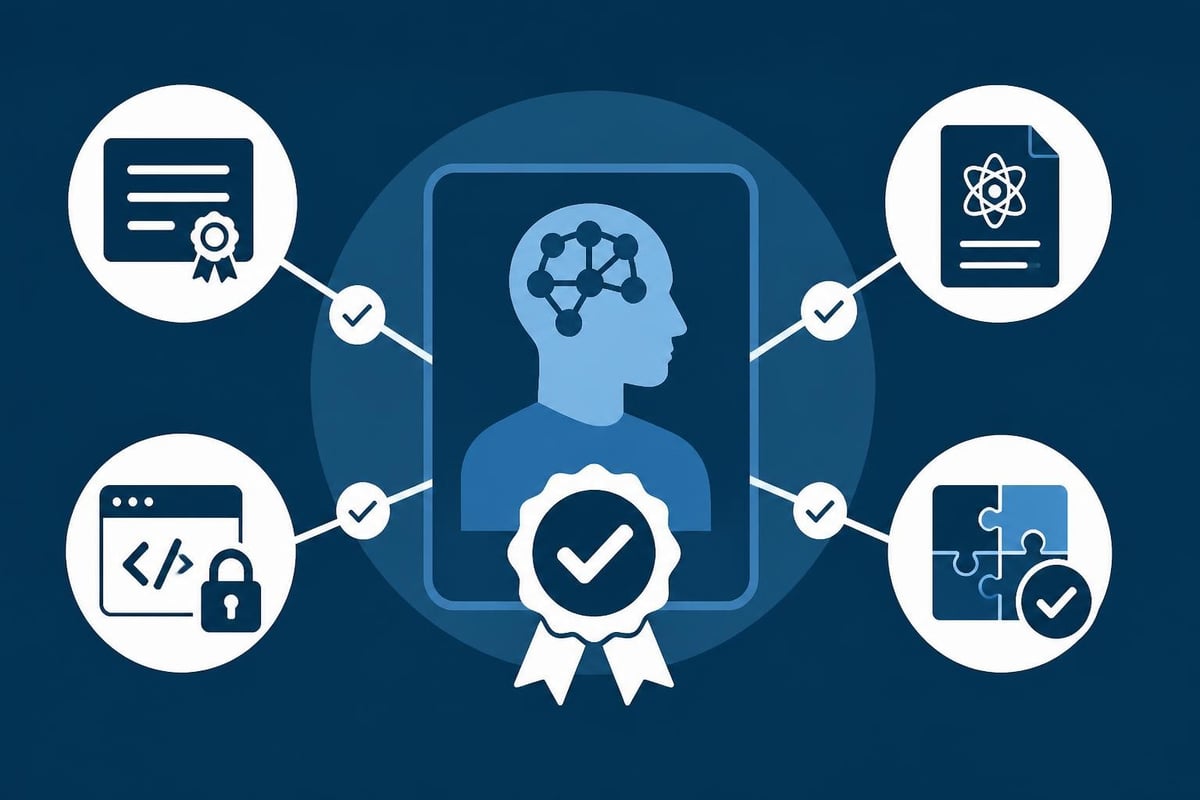
Specialized roles in artificial intelligence, machine learning, and advanced technology require verification approaches that extend beyond traditional employment confirmation. For these positions, verification should include:
- Technical certification validation: Confirming credentials from AWS, Google Cloud, Microsoft Azure, or specialized AI certifications
- Publication and patent verification: Authenticating research contributions and intellectual property
- GitHub and portfolio authentication: Validating code contributions and technical project work
- Academic collaboration confirmation: Verifying participation in research projects or academic publications
Augmnt ATS addresses these specialized verification needs by combining automated credential checking with expert human review, ensuring that AI professionals present authentic qualifications and genuine expertise. This dual approach prevents the resume fraud that has become increasingly sophisticated in technical hiring.
Vendor Selection Criteria and Evaluation Process
Choosing the right employment verification software requires systematic evaluation of available options. Organizations should develop structured selection criteria that align with their specific needs.
Essential Platform Capabilities
While features vary across platforms, certain capabilities represent non-negotiable requirements:
- Multi-source verification: Ability to verify through multiple channels when primary sources are unavailable
- Mobile optimization: Candidate-facing components must function seamlessly on mobile devices
- Scalability: Platform should accommodate hiring volume fluctuations without performance degradation
- API availability: Robust APIs enable custom integrations and workflow automation
- Audit trails: Comprehensive logging of all verification activities for compliance documentation
Comparing top employment verification software reveals significant variation in how platforms address these baseline requirements, making thorough evaluation essential.
Support and Service Level Agreements
Technical platforms require ongoing support. Organizations should evaluate vendor support offerings including:
- Response time commitments: Guaranteed response windows for critical issues
- Support channel availability: Email, phone, chat options with appropriate hours
- Implementation assistance: Onboarding support and integration help
- Training resources: Documentation, video tutorials, and live training sessions
- Account management: Dedicated contacts for strategic planning and optimization
Support quality often distinguishes premium solutions from budget alternatives, making this evaluation area particularly important.
Pricing Models and Total Cost of Ownership
Employment verification software employs various pricing structures. Understanding total cost of ownership requires looking beyond per-check fees to include:
Subscription-based pricing charges monthly or annual fees for platform access, with per-check fees varying by verification package depth. This model works well for organizations with predictable hiring volumes.
Usage-based pricing charges only for verifications conducted, making it suitable for companies with variable hiring patterns or seasonal needs.
Enterprise licensing provides unlimited verifications for a fixed annual fee, ideal for high-volume hiring organizations.
Hidden costs may include implementation fees, integration development, user licensing beyond base packages, and premium support tiers. Requesting detailed pricing breakdowns during evaluation prevents budget surprises post-implementation.
Future Trends Shaping Verification Technology
Employment verification software continues evolving as technology advances and hiring practices change. Understanding emerging trends helps organizations anticipate future capabilities and make forward-looking vendor selections.
Blockchain for Credential Verification
Distributed ledger technology promises to revolutionize credential verification by creating immutable records of educational achievements, certifications, and employment history. Several universities and professional organizations have begun issuing blockchain-based credentials that can be instantly verified without contacting issuing institutions.
This technology could eventually eliminate verification delays entirely, with candidates controlling their verified credential records and granting access to prospective employers. While widespread adoption remains years away, forward-thinking platforms are already building blockchain integration capabilities.
Artificial Intelligence and Pattern Recognition
Machine learning algorithms are becoming increasingly sophisticated at identifying credential fraud. These systems analyze thousands of data points across resumes, applications, and verification results to identify anomalies that suggest misrepresentation.
AI-powered platforms can flag inconsistencies such as employment gaps that don't align with stated reasons, job titles that seem inflated relative to responsibilities described, or progression patterns that deviate from industry norms. This technology augments human review rather than replacing it, helping verification specialists focus attention on high-risk cases.
Continuous Verification and Monitoring
Traditional verification occurs at hire, but some platforms now offer ongoing monitoring to alert employers if employee credentials change. This includes monitoring for:
- Professional license suspensions or revocations
- Criminal charges or convictions occurring post-hire
- Educational credential revocation (in cases of academic fraud discovered later)
- Watchlist additions for certain regulated positions
This continuous approach better protects organizations, particularly in industries with strict compliance requirements or positions involving vulnerable populations.
Building a Verification Program That Scales
As organizations grow, their verification needs evolve. Employment verification software must accommodate increasing complexity while maintaining efficiency and compliance.
Decentralized Hiring Challenges
Companies with multiple offices, departments conducting independent hiring, or franchise structures face unique verification challenges. Centralized platforms ensure consistent verification standards across all hiring entities while providing location-specific reporting and compliance tracking.
Role-based access controls allow headquarters to maintain oversight while empowering local hiring managers to initiate and track verifications for their candidates. This balance preserves autonomy while ensuring organizational standards.
Handling High-Volume Seasonal Hiring
Retail, hospitality, and other industries experience dramatic hiring volume fluctuations. Employment verification software must scale to accommodate peak periods without requiring proportional staff increases.
Automated workflows become particularly valuable during high-volume periods, managing candidate communications, following up on pending verifications, and escalating issues requiring human intervention. Pre-configured verification packages for common positions accelerate processing during time-sensitive hiring pushes.
Managing Verification Backlogs
Despite automation, verification backlogs occasionally occur when external sources experience delays. Effective platforms provide backlog visibility, showing pending verifications organized by age, position criticality, and blocking issues.
Escalation features automatically follow up with verification sources at defined intervals, ensuring cases don't stall indefinitely. For critical positions, manual intervention options allow staff to use alternative verification methods when standard channels prove unresponsive.
Employment verification software has transformed from a nice-to-have convenience into an essential component of modern hiring infrastructure. The combination of fraud prevention, compliance assurance, and efficiency gains makes these platforms indispensable for organizations competing for top talent while managing risk.
When hiring for specialized roles requiring verified expertise and authentic credentials, Augmnt provides an intelligent marketplace connecting businesses with qualified AI professionals. Through comprehensive candidate validation combining automated verification with human insight, Augmnt eliminates the fraud risk and credential uncertainty that plague traditional hiring approaches. Explore how verified matching can transform your technical recruitment process and ensure every hire brings genuine expertise to your team.