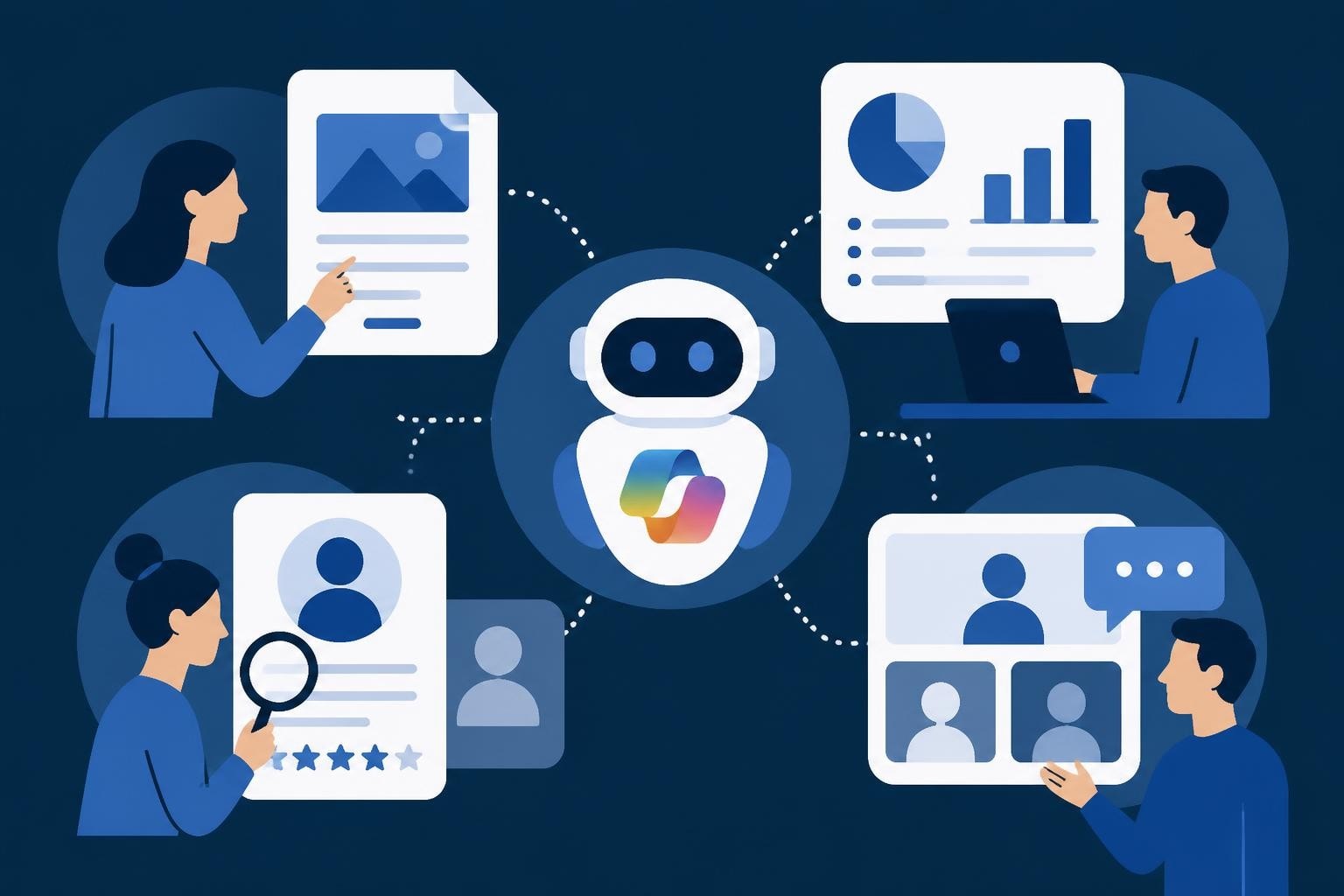
Copilot: How AI Assistants Transform Modern Work
The emergence of AI copilot technology represents a fundamental shift in how professionals approach their daily work. Rather than replacing human expertise, copilot systems function as intelligent assistants that enhance productivity, reduce cognitive load, and streamline complex processes. For businesses navigating the competitive landscape of 2026, understanding how to leverage copilot technology has become essential for maintaining operational efficiency and attracting top talent in an increasingly AI-driven marketplace.
Understanding Copilot Technology in Modern Business
Copilot technology encompasses a broad category of AI-powered assistants designed to work alongside human professionals, providing real-time suggestions, automating routine tasks, and offering intelligent recommendations based on context and user behavior. Microsoft's Copilot ecosystem has popularized this approach, but the concept extends far beyond a single vendor or platform.
The core capabilities of copilot systems include:
- Natural language processing for conversational interaction
- Contextual awareness of user tasks and workflows
- Predictive assistance based on behavioral patterns
- Integration with existing business tools and platforms
- Real-time data analysis and recommendation generation
These systems differ from traditional automation in their ability to understand nuance, adapt to individual user preferences, and provide guidance rather than simply executing predefined commands. The technology learns from interactions, becoming more effective over time as it understands specific business contexts and user needs.
How Copilot Systems Enhance Productivity
Organizations implementing copilot technology report significant improvements in operational efficiency. A copilot doesn't just speed up existing processes; it fundamentally changes how knowledge workers approach complex tasks by reducing friction at critical decision points.
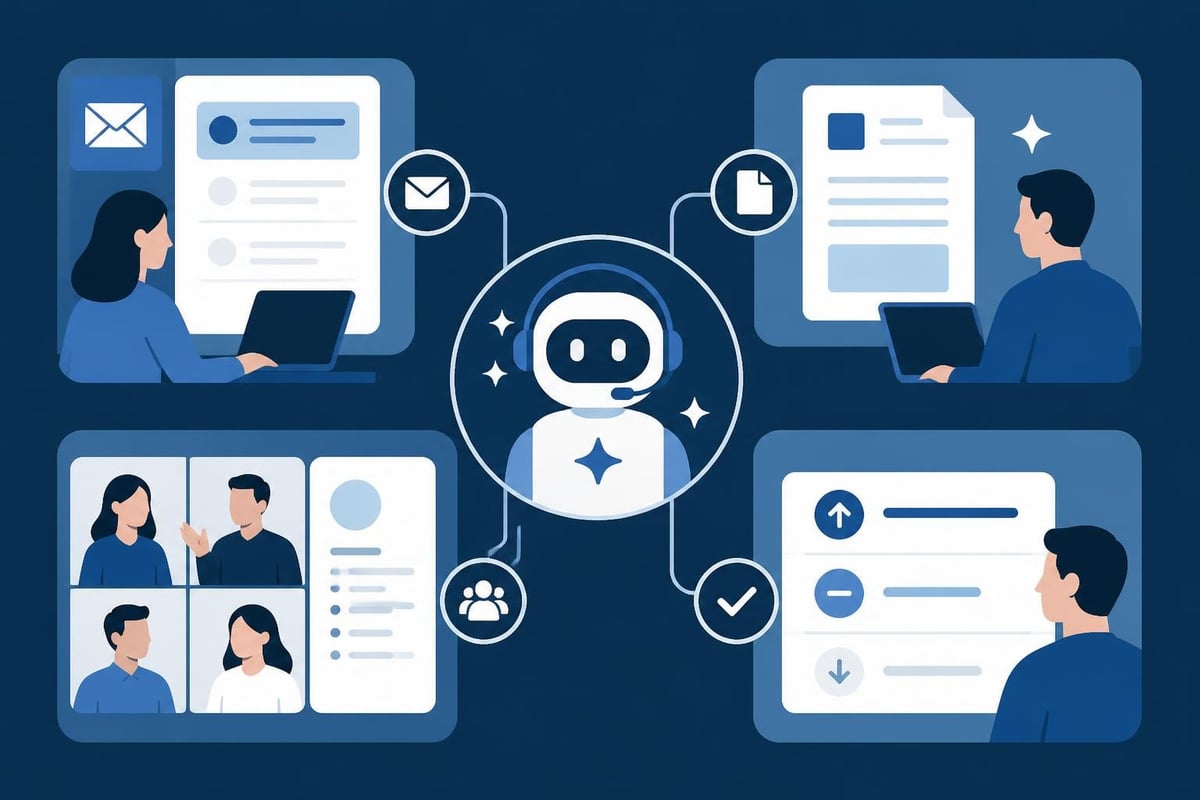
Consider document creation as an example. Rather than starting from a blank page, professionals can describe their objectives to a copilot, which then generates structured outlines, suggests relevant data points, and even drafts initial content based on organizational style guidelines. This collaborative approach preserves human creativity and strategic thinking while eliminating time-consuming preliminary work.
| Task Category | Time Savings | Quality Improvement | User Satisfaction |
|---|---|---|---|
| Document Creation | 35-45% | Moderate | High |
| Data Analysis | 50-60% | Significant | Very High |
| Email Management | 25-35% | Moderate | Moderate |
| Meeting Preparation | 40-50% | Significant | High |
The value proposition extends beyond individual productivity. When copilot technology operates at scale across an organization, it creates standardization in outputs, reduces knowledge silos, and ensures that best practices are consistently applied regardless of individual expertise levels.
Copilot Applications Across Industries
Different sectors have adopted copilot technology to address specific operational challenges. According to TechTarget's comprehensive guide, the versatility of copilot systems allows them to be customized for diverse use cases, from customer service to software development.
Customer Service and Support
Customer support teams leverage copilot technology to provide faster, more accurate responses to customer inquiries. Zendesk's Copilot demonstrates how AI assistants can guide support agents through complex resolution processes, suggest relevant knowledge base articles, and even draft personalized responses based on customer history and sentiment analysis.
Key benefits for support teams:
- Reduced average handling time by 30-40%
- Improved first-contact resolution rates
- Consistent service quality across agent skill levels
- Real-time coaching for new team members
- Automated ticket categorization and routing
The technology proves particularly valuable during high-volume periods when support queues expand rapidly. A copilot can prioritize urgent issues, suggest temporary workarounds, and ensure that no customer inquiry falls through the cracks.
Software Development and Technical Work
Development teams utilize copilot systems to accelerate coding, debug issues, and maintain documentation. These specialized copilots understand programming languages, frameworks, and development patterns, offering contextual suggestions that align with project requirements and coding standards.
The collaborative nature of development copilots transforms how junior and senior developers interact. Less experienced team members gain access to institutional knowledge embedded in the AI assistant, while senior developers offload routine coding tasks to focus on architectural decisions and complex problem-solving.
Implementing Copilot Technology in Recruitment
The recruitment industry has embraced copilot technology to address longstanding challenges in candidate sourcing, screening, and engagement. For AI-focused roles particularly, where technical expertise and practical experience must be carefully validated, copilot systems provide critical support throughout the hiring lifecycle.
Recruiting copilots analyze job descriptions, suggest optimal sourcing channels, and even predict candidate fit based on historical hiring data. They can draft personalized outreach messages, schedule interviews across multiple time zones, and maintain consistent communication with candidates throughout lengthy evaluation processes.
Enhancing Candidate Validation
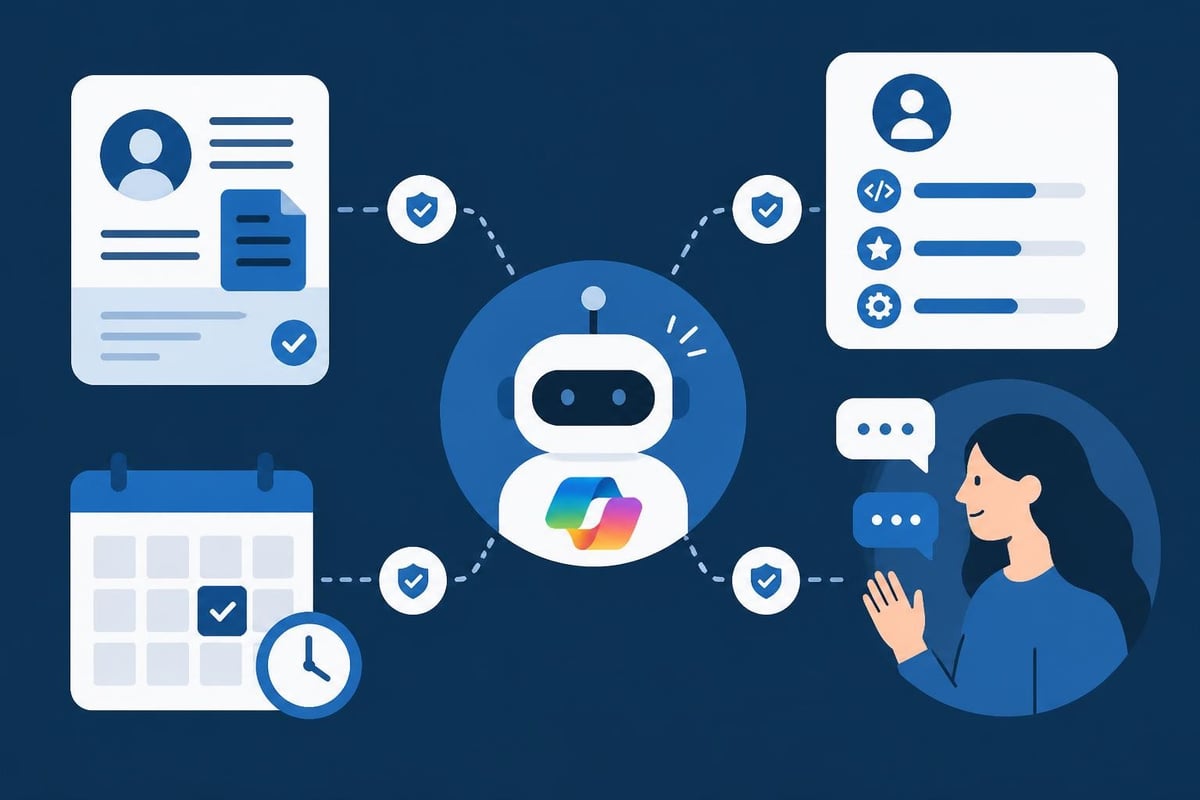
One of the most critical applications involves candidate verification and fraud detection. Modern recruiting copilots integrate with validation systems to flag inconsistencies in resumes, verify claimed credentials, and cross-reference professional histories across multiple data sources. Platforms like Augmnt ATS demonstrate how copilot-enhanced systems can combine AI-powered fraud detection with human expertise to ensure that only qualified, verified candidates advance through the recruitment pipeline.
Validation capabilities include:
- Resume consistency analysis across submitted documents
- Skill verification through standardized assessments
- Employment history cross-referencing
- Educational credential confirmation
- Professional certification validation
This multi-layered approach significantly reduces the risk of mis-hires, particularly in specialized fields like AI and machine learning where inflated credentials have become increasingly common. The copilot doesn't make final hiring decisions but provides recruiters with comprehensive intelligence to make informed choices.
Streamlining Interview Processes
Interview scheduling and preparation represent another area where copilot technology delivers substantial value. The system coordinates availability across multiple stakeholders, generates interview guides based on role requirements, and even provides interviewers with suggested questions tailored to candidate backgrounds.
Post-interview, copilots can summarize feedback, identify consensus points among interviewers, and highlight areas requiring additional evaluation. This structured approach ensures consistency in assessment criteria and reduces unconscious bias in hiring decisions.
Evaluating Copilot Platforms for Business Needs
Selecting the appropriate copilot technology requires careful consideration of organizational requirements, integration capabilities, and long-term scalability. Not all copilot systems offer equivalent functionality, and the various versions of Microsoft Copilot illustrate how different implementations serve distinct use cases.
| Evaluation Criteria | Enterprise Priority | SMB Priority | Startup Priority |
|---|---|---|---|
| Integration Depth | Critical | Important | Moderate |
| Customization Options | High | Moderate | Low |
| Cost Structure | Moderate | Critical | Critical |
| Security Features | Critical | High | Moderate |
| Training Requirements | Moderate | High | Low |
Essential questions for platform evaluation:
- Does the copilot integrate with existing business systems?
- What data privacy and security measures are implemented?
- Can the system be customized for industry-specific workflows?
- What training is required for user adoption?
- How does pricing scale with organizational growth?
Organizations should also consider the copilot's learning capabilities. Systems that improve through usage provide increasing value over time, while static implementations may become outdated as business needs evolve.
Data Privacy and Security Considerations
Copilot systems necessarily access sensitive business information to provide relevant assistance. This creates important security considerations that organizations must address during implementation. Data handling policies, encryption standards, and access controls should all be thoroughly evaluated before deployment.
The most sophisticated copilot platforms offer granular permission controls, allowing administrators to define precisely what information the AI assistant can access and how it utilizes that data for generating recommendations. Transparent data usage policies and compliance with industry regulations like GDPR and CCPA have become table stakes for enterprise-grade copilot solutions.
Training Teams to Work with Copilot Systems
Successful copilot implementation depends as much on change management as technical deployment. Teams must understand not just how to use the technology, but when to rely on AI assistance versus human judgment. This balance requires deliberate training and ongoing support.
Building Effective Prompting Skills
The quality of copilot outputs directly correlates with the quality of user inputs. Research on M365 Copilot Chat usage demonstrates that users who develop strong prompting skills extract significantly more value from AI assistants than those who rely on vague or poorly structured requests.
Effective prompting techniques include:
- Providing clear context and objectives
- Specifying desired output format and length
- Including relevant constraints or requirements
- Iterating based on initial results
- Combining copilot suggestions with domain expertise
Organizations should invest in prompt engineering training to help employees maximize copilot effectiveness. This investment pays dividends through improved output quality and reduced time spent refining AI-generated content.
Establishing Governance Frameworks
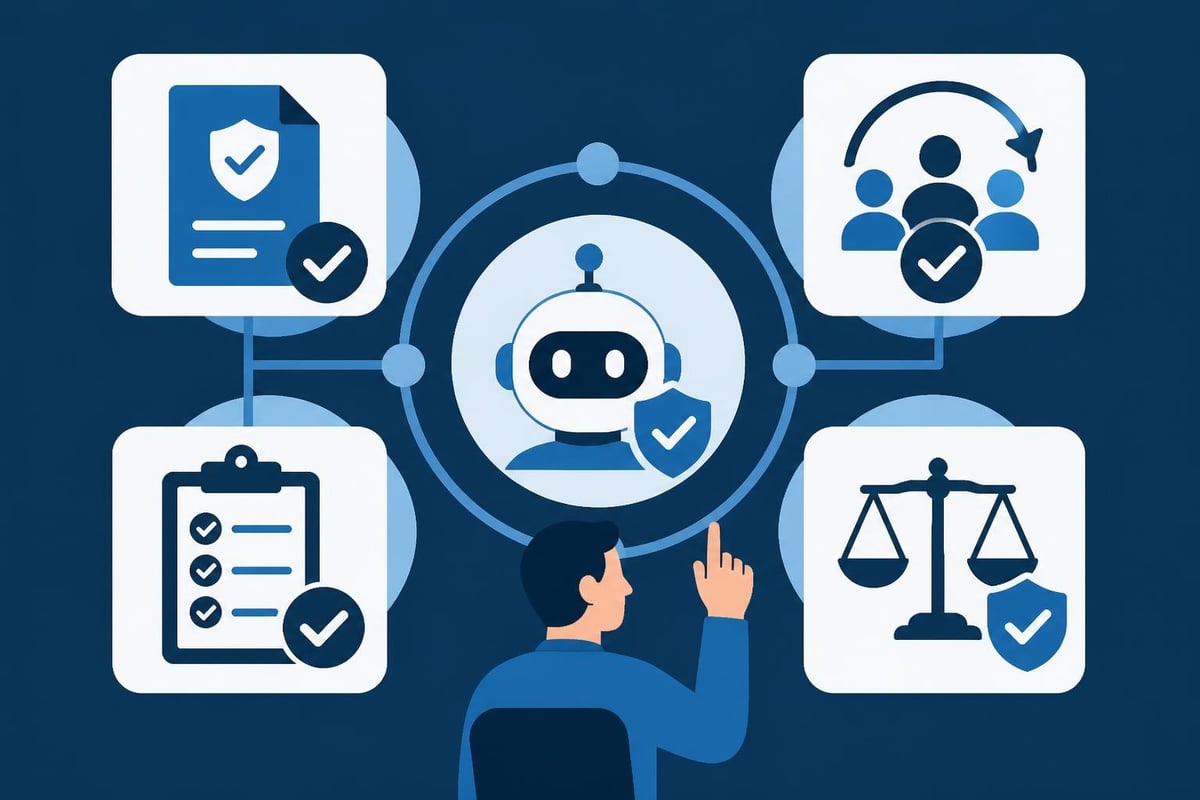
Clear governance frameworks ensure that copilot usage aligns with organizational values and regulatory requirements. These frameworks define acceptable use cases, establish review processes for AI-generated content, and create accountability mechanisms for decisions influenced by copilot recommendations.
Governance becomes particularly important in regulated industries where automated decision-making may have compliance implications. Healthcare, finance, and legal sectors require robust oversight to ensure that copilot-assisted work meets industry standards and professional requirements.
Future Developments in Copilot Technology
The copilot landscape continues to evolve rapidly as AI capabilities advance and organizations discover new applications. Experimental initiatives like Project Aion suggest that copilot functionality may eventually become deeply integrated into operating systems themselves, creating seamless AI assistance across all computing activities.
Emerging trends include multimodal copilots that process images, audio, and video alongside text, enabling richer interactions and broader application scope. Specialized copilots for scientific research, like those focused on hypothesis discovery through human-AI collaboration, demonstrate how domain-specific implementations can accelerate innovation in technical fields.
The integration of copilot technology with industry-specific platforms will continue expanding. Organizations seeking specialized talent through AI marketplaces can expect enhanced matching algorithms that leverage copilot intelligence to identify optimal candidate-role alignments based on nuanced criteria beyond keyword matching.
Personalization and Adaptive Learning
Future copilot systems will offer increasingly personalized experiences that adapt to individual working styles, preferences, and expertise levels. Rather than providing generic assistance, these next-generation copilots will understand user strengths and weaknesses, adjusting their recommendations accordingly.
This personalization extends to team dynamics as well. Copilots that understand organizational structures, communication patterns, and collaborative relationships can facilitate more effective teamwork by suggesting optimal task assignments, identifying potential conflicts, and recommending resource allocations.
Managing Copilot Costs and ROI
While copilot technology offers significant productivity benefits, organizations must carefully evaluate costs against measurable returns. Subscription models, usage-based pricing, and implementation expenses all factor into the total cost of ownership.
Cost components to consider:
- Platform licensing fees
- Integration development expenses
- Training and change management costs
- Ongoing maintenance and updates
- Infrastructure requirements for self-hosted solutions
ROI calculations should account for both direct time savings and indirect benefits like improved decision quality, reduced errors, and enhanced employee satisfaction. Organizations that track specific metrics before and after copilot implementation can demonstrate concrete value to stakeholders and justify continued investment.
Some businesses opt for phased rollouts, starting with departments or use cases that offer clear ROI potential before expanding to broader organizational deployment. This approach allows teams to develop expertise, refine processes, and build internal case studies that support wider adoption.
Addressing Common Copilot Challenges
Despite their benefits, copilot systems present implementation challenges that organizations must navigate. User adoption resistance, particularly among experienced professionals who question the need for AI assistance, can slow deployment and limit value realization.
Overcoming Adoption Barriers
Change management strategies that emphasize augmentation rather than replacement help address adoption concerns. Framing copilots as tools that enhance human capabilities rather than substitute for expertise reduces anxiety and encourages experimentation.
Identifying internal champions who demonstrate copilot value through their own work creates peer influence that drives broader adoption. When respected team members share concrete examples of how AI assistance improved their outcomes, skeptical colleagues become more willing to explore the technology themselves.
Common resistance points and responses:
- "I don't need help with my work" - Position copilot as time-saver for routine tasks, freeing capacity for strategic work
- "AI will make mistakes" - Emphasize human oversight and review processes
- "It's too complicated to learn" - Provide simple starting points and gradual skill development
- "My work is too specialized" - Demonstrate domain-specific capabilities and customization options
Technical challenges also arise during integration with legacy systems, data migration, and customization for unique workflows. Organizations should allocate adequate resources for implementation support and maintain realistic timelines that account for iterative refinement.
Quality Control and Output Validation
Copilot-generated content requires appropriate validation processes to ensure accuracy, relevance, and appropriateness. Establishing clear review protocols prevents over-reliance on AI outputs and maintains quality standards across all business communications and deliverables.
Different content types warrant different validation approaches. Customer-facing materials typically require more rigorous review than internal documentation, while regulatory submissions demand complete accuracy verification regardless of whether copilot assistance was utilized in their creation.
Copilot Ethics and Responsible AI Use
As copilot technology becomes more prevalent, ethical considerations around AI assistance gain importance. Organizations must address questions about transparency, accountability, and the appropriate boundaries of AI involvement in business decisions.
Disclosure policies that clarify when AI assistance contributed to work products help maintain trust with clients, customers, and stakeholders. Some industries have already established guidelines requiring identification of AI-generated content, and broader regulatory frameworks continue to develop.
Ethical guidelines for copilot use:
- Maintain human accountability for all decisions
- Disclose AI involvement where material or required
- Ensure copilot training data respects privacy and consent
- Monitor for and address algorithmic bias
- Preserve human judgment in sensitive decisions
These principles apply particularly to hiring and talent management, where AI-assisted decisions directly impact individuals' livelihoods and career opportunities. Organizations using copilot technology in recruitment must implement safeguards against discriminatory patterns and ensure that human recruiters maintain meaningful control over selection processes.
The balance between efficiency gains and ethical obligations will continue shaping copilot development and deployment. Companies that establish strong ethical frameworks early position themselves as responsible AI adopters and build stakeholder confidence in their technology choices.
Copilot technology has fundamentally transformed how businesses approach productivity, decision-making, and talent management in 2026, offering powerful augmentation of human capabilities across diverse workflows. For organizations seeking to build exceptional teams in AI and technical domains, combining copilot-enhanced recruitment processes with verified talent networks ensures both efficiency and quality. Augmnt connects businesses with validated AI professionals through an intelligent marketplace that combines cutting-edge technology with human expertise, delivering fraud-free candidates who meet your precise requirements.