Claude AI: Understanding Anthropic's Advanced Language Model
The artificial intelligence landscape has evolved rapidly over the past few years, with numerous language models competing for attention. Among these, Anthropic's Claude has emerged as a distinctive player, emphasizing safety, accuracy, and nuanced understanding. For businesses seeking to integrate AI into their operations, particularly in areas requiring careful analysis and verification, understanding what Claude offers becomes increasingly important. This exploration examines the capabilities, architecture, and practical applications of this advanced language model in professional contexts.
What Makes Claude Different From Other Language Models
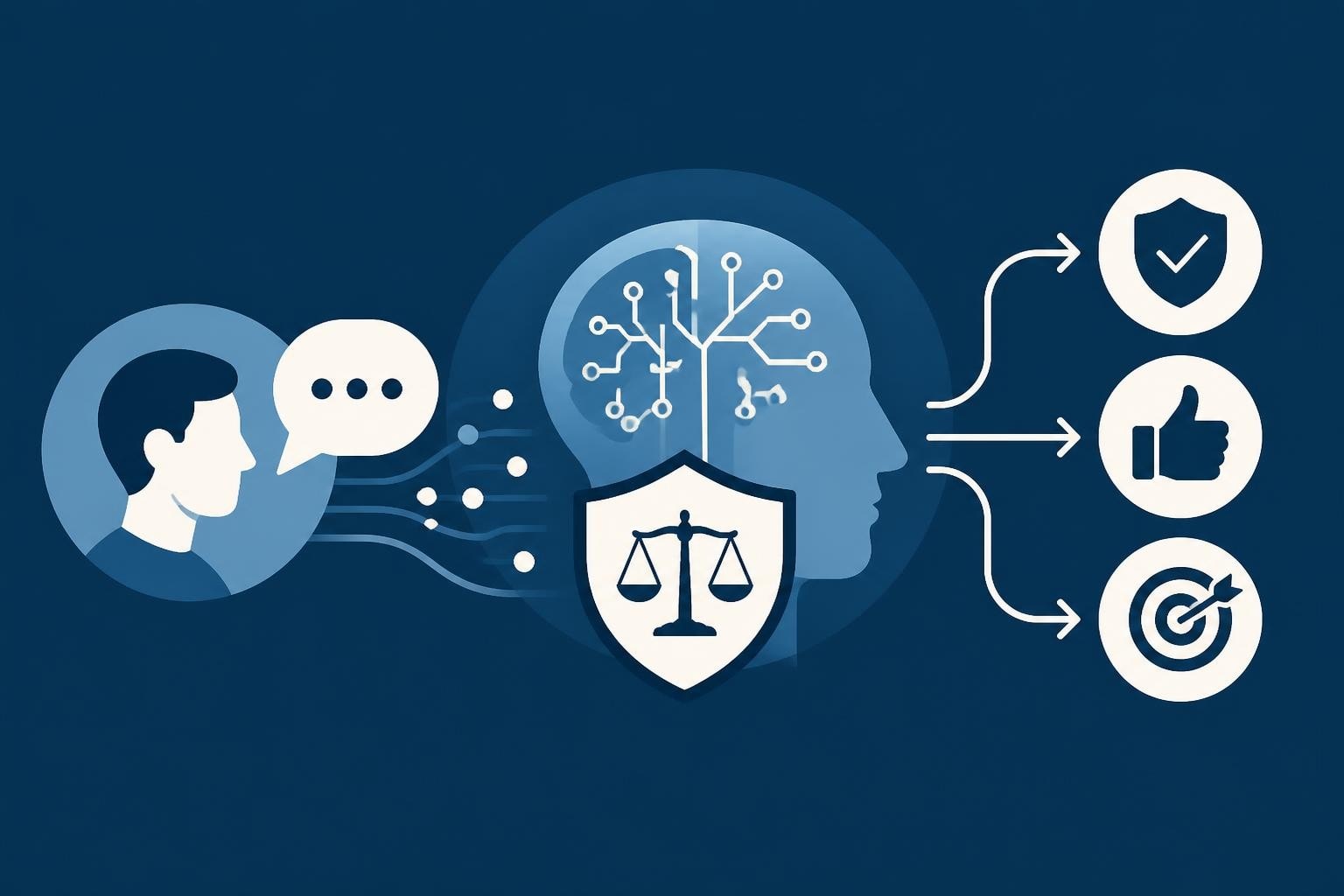
Claude stands apart through its foundational approach to AI safety and alignment. According to IBM's comprehensive analysis of Claude AI, the model incorporates Constitutional AI (CAI), a methodology designed to ensure responses align with predetermined principles and values. This framework establishes guardrails that guide the model's behavior without requiring constant human oversight.
The architecture prioritizes interpretability, making it easier for organizations to understand how the system reaches conclusions. This transparency proves particularly valuable in regulated industries where decision-making processes require documentation and justification.
Core Capabilities and Model Variants
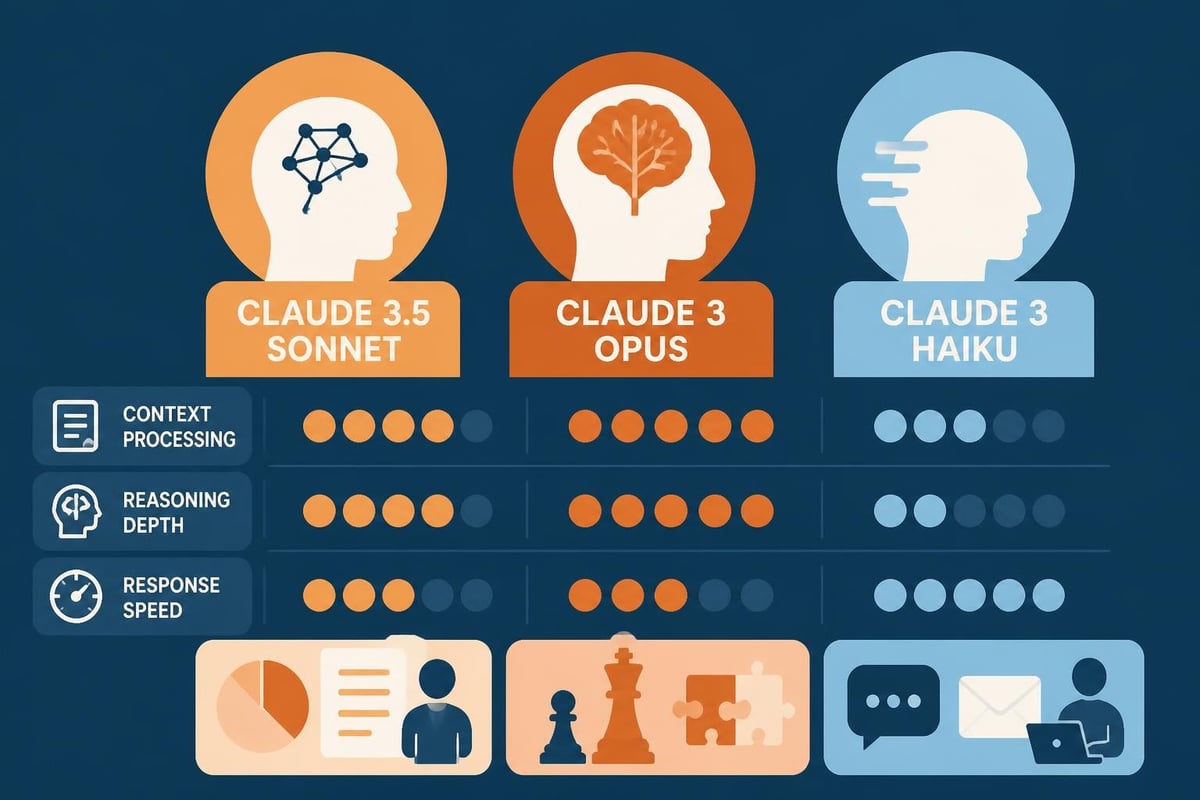
Anthropic offers several Claude variants, each optimized for different use cases. The platform documentation outlines specifications across the model family:
- Claude 3.5 Sonnet: Balances performance with cost-efficiency for general-purpose tasks
- Claude 3 Opus: Delivers maximum capability for complex reasoning and analysis
- Claude 3 Haiku: Provides rapid responses for high-volume, straightforward queries
| Model | Context Window | Best For | Response Speed |
|---|---|---|---|
| Claude 3.5 Sonnet | 200K tokens | Balanced workloads | Fast |
| Claude 3 Opus | 200K tokens | Complex analysis | Moderate |
| Claude 3 Haiku | 200K tokens | High-volume tasks | Very fast |
The extended context window allows Claude to process extensive documentation, making it suitable for tasks requiring comprehensive review of materials like contracts, research papers, or technical specifications.
Practical Applications in Business Operations
Organizations across sectors have discovered diverse applications for Claude's capabilities. The model excels in scenarios demanding careful reasoning, factual accuracy, and contextual understanding.
Content Analysis and Verification
One particularly relevant application involves document verification and analysis. Businesses processing candidate applications, contracts, or compliance documents benefit from Claude's ability to identify inconsistencies, extract key information, and flag potential issues. For example, platforms like Augmnt ATS leverage advanced AI to detect resume fraud and verify candidate qualifications, ensuring only legitimate professionals reach the interview stage.
The model's extensive context window enables simultaneous review of multiple documents, cross-referencing information to identify discrepancies that might indicate fraudulent claims or errors.
Research and Information Synthesis
Teams conducting market research, competitive analysis, or literature reviews find Claude valuable for synthesizing information from multiple sources. The model can process lengthy reports, extract relevant insights, and present findings in structured formats.
Key advantages for research tasks include:
- Processing academic papers, industry reports, and news articles simultaneously
- Identifying patterns and trends across diverse sources
- Generating summaries that preserve nuanced arguments
- Maintaining source attribution for verification purposes
Code Analysis and Technical Documentation
Development teams utilize Claude for code review, documentation generation, and technical problem-solving. Research on semantically reverse engineering legacy software demonstrates how Claude assists in understanding complex codebases, making it valuable for modernization projects and technical audits.
The model handles multiple programming languages and can explain code functionality in plain language, bridging communication gaps between technical and non-technical stakeholders.
Advanced Reasoning Capabilities
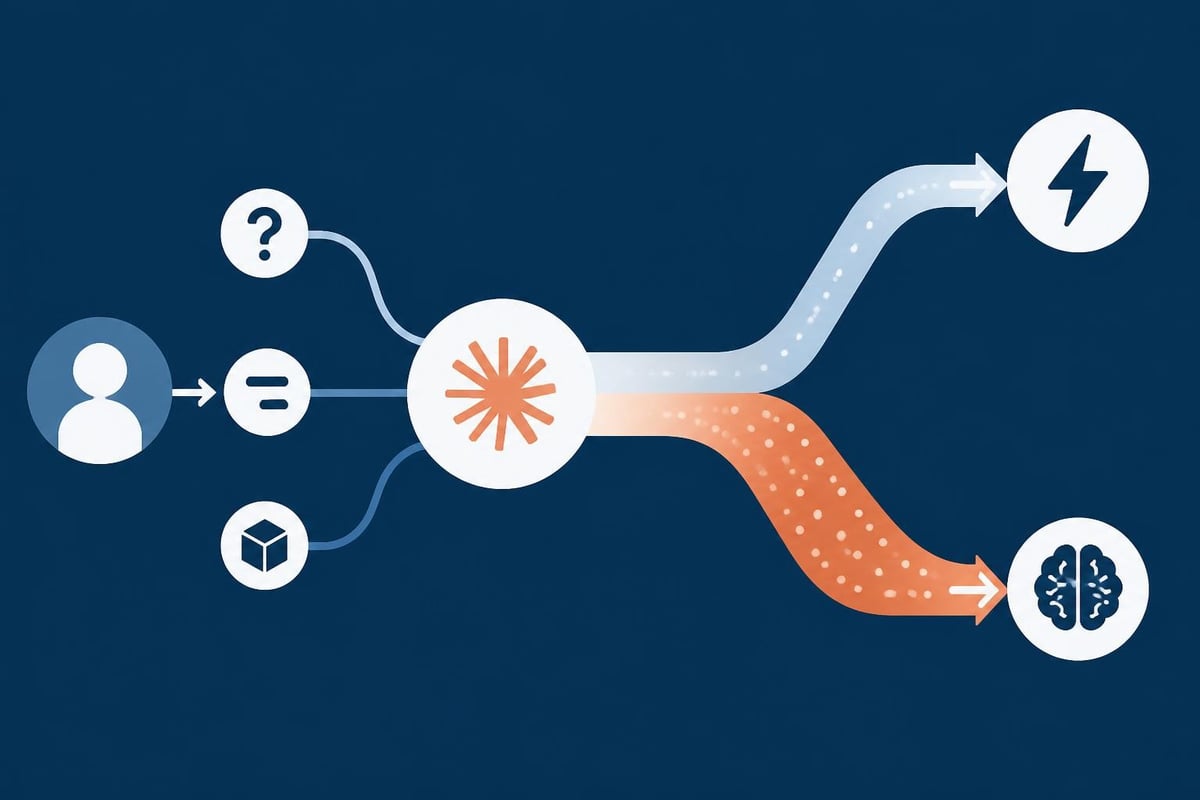
Recent developments have expanded Claude's reasoning abilities significantly. TechCrunch reported on Claude 3.7 Sonnet, which introduced hybrid reasoning capabilities allowing users to select response times based on complexity requirements.
Extended Thinking Modes
This flexibility proves valuable when tasks vary in complexity. Straightforward queries receive rapid responses, while intricate problems benefit from extended processing time. Users can allocate computational resources based on specific needs rather than accepting one-size-fits-all response times.
- Quick mode: Suitable for factual lookups and simple queries
- Balanced mode: Handles moderate complexity with reasonable speed
- Extended mode: Dedicates maximum processing to complex reasoning tasks
Agentic Capabilities and Autonomous Functions
The evolution toward agentic AI represents a significant shift in language model applications. TechRadar's coverage of Claude Sonnet 5 highlights capabilities that enable the model to function as an autonomous digital agent rather than merely a conversational interface.
These agentic features allow Claude to:
- Execute multi-step workflows with minimal supervision
- Make contextual decisions based on intermediate results
- Coordinate between different tools and systems
- Adapt approaches when encountering obstacles
For businesses managing complex processes, these capabilities translate to automated workflows that require less human intervention while maintaining quality standards.
Performance Across Languages and Specialized Domains
While primarily trained on English-language data, Claude demonstrates varying performance across different languages and specialized domains. Research evaluating Claude's translation capabilities across Mali's 13 national languages provides insights into its handling of low-resource languages, revealing both strengths and limitations.
Domain-Specific Applications
Professional fields have discovered Claude's utility in specialized contexts:
| Domain | Application | Key Benefit |
|---|---|---|
| Legal | Contract review and analysis | Identifies clause inconsistencies |
| Healthcare | Medical literature synthesis | Processes research updates |
| Finance | Financial document analysis | Extracts key metrics and trends |
| HR | Candidate screening | Detects qualification mismatches |
Organizations seeking to implement AI in their hiring processes find that Claude's ability to understand context and nuance helps evaluate candidates more comprehensively than keyword-matching systems.
Enterprise Adoption Patterns and Use Cases
Understanding how organizations actually deploy Claude provides valuable insights for businesses considering implementation. Analysis of Claude usage patterns across countries and enterprises reveals common adoption trajectories and successful deployment strategies.
Common Implementation Approaches
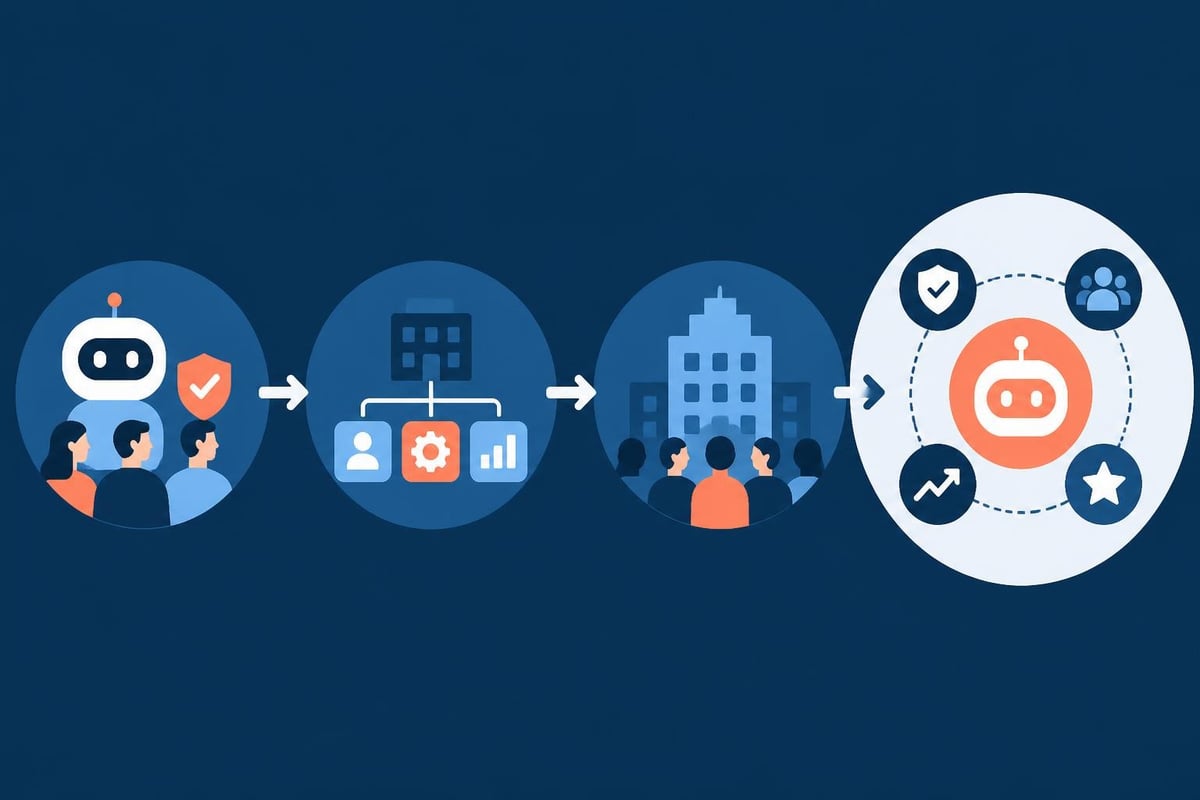
Businesses typically begin with pilot projects in specific departments before scaling organization-wide. This phased approach allows teams to:
- Identify optimal use cases within their unique context
- Develop internal expertise and best practices
- Measure ROI before significant investment
- Address integration challenges incrementally
Economic Impact and Productivity Gains
Research examining economic tasks performed using AI based on millions of Claude conversations demonstrates tangible productivity improvements across knowledge work. Tasks showing the greatest benefit include information synthesis, document drafting, and analytical reasoning.
The study identified several factors correlating with successful implementation:
Critical success factors:
- Clear definition of tasks suitable for AI assistance
- Investment in user training and change management
- Integration with existing workflows and tools
- Continuous evaluation and refinement of prompts
Getting Started With Claude in Your Organization
For teams ready to explore Claude's capabilities, the official getting started guide provides comprehensive instructions on access methods and initial setup. The platform offers multiple access points including web interface, API integration, and partner applications.
Platform Access Options
Organizations can choose deployment methods aligned with their technical capabilities and security requirements:
- Web-based interface: Immediate access without technical setup, suitable for individual users and small teams
- API integration: Direct incorporation into existing applications and workflows, requiring development resources
- Partner platforms: Pre-built integrations through third-party tools and services
Best Practices for Effective Prompting
Achieving optimal results requires understanding how to communicate effectively with Claude. Clear, specific prompts generate better outputs than vague requests.
Effective prompting strategies include:
- Providing relevant context and background information
- Specifying desired output format and structure
- Including examples of expected results when possible
- Breaking complex tasks into sequential steps
- Requesting explanations of reasoning processes
Teams often develop prompt libraries for common tasks, refining language based on results and sharing successful approaches across the organization.
Security and Privacy Considerations
Enterprise adoption of any AI system requires careful evaluation of security and privacy implications. Claude's architecture includes several features addressing common concerns, though organizations must still implement appropriate safeguards.
Data Handling and Confidentiality
Anthropic implements measures to protect user data, but businesses processing sensitive information should review data handling policies thoroughly. Key considerations include:
- Understanding data retention policies and deletion procedures
- Implementing access controls for team usage
- Avoiding submission of confidential information without proper agreements
- Reviewing compliance with industry-specific regulations
Organizations in regulated industries often deploy Claude through private instances or on-premises solutions offering greater control over data handling.
Accuracy and Verification Requirements
While Claude demonstrates strong performance across many tasks, it remains susceptible to occasional errors or hallucinations. Critical applications require verification processes ensuring outputs meet accuracy standards.
| Risk Level | Verification Approach | Example Use Cases |
|---|---|---|
| Low | Spot-checking samples | Content drafts, brainstorming |
| Medium | Systematic review | Research summaries, documentation |
| High | Multi-step validation | Legal analysis, medical information |
Businesses integrating Claude into workflows should establish verification protocols proportionate to potential risks.
Integration With Existing Systems and Workflows
Successful Claude implementation often depends on seamless integration with tools teams already use. The API enables connections with project management platforms, customer relationship management systems, and specialized business applications.
Common Integration Patterns
Development teams typically focus on integrations that eliminate manual data transfer and create continuous workflows:
- Document processing pipelines: Automated analysis of uploaded files with results feeding into databases or notification systems
- Customer support augmentation: Real-time assistance for support teams handling complex inquiries
- Research automation: Scheduled analysis of new publications or market updates with summarized findings delivered to stakeholders
Many organizations find that connecting AI capabilities with their recruitment technology streamlines processes significantly, reducing time-to-hire while improving candidate quality.
Monitoring and Optimization
Ongoing monitoring ensures Claude continues delivering value as usage scales. Key metrics include:
- Response quality ratings from users
- Task completion rates and error frequencies
- Processing time and cost per transaction
- User adoption and engagement patterns
Regular analysis of these metrics identifies opportunities for prompt refinement, workflow optimization, and expanded use cases.
Future Developments and Roadmap
Recent announcements from Anthropic and industry coverage suggest continued evolution in model capabilities, particularly around multimodal processing, extended reasoning, and specialized domain expertise. Organizations building long-term AI strategies should consider how these developments might impact their implementation plans.
The trajectory points toward increasingly autonomous systems capable of handling complex, multi-step processes with minimal supervision. This evolution will likely enable new applications while requiring businesses to develop governance frameworks ensuring appropriate oversight and control.
Claude represents a sophisticated approach to large language models, emphasizing safety, accuracy, and practical utility for business applications. Its capabilities in reasoning, analysis, and content generation make it valuable across diverse organizational functions, from research and development to customer service and human resources. As companies increasingly integrate AI into their operations, Augmnt helps businesses connect with verified AI professionals who can implement these technologies effectively, ensuring your team has the expertise needed to leverage advanced tools like Claude while maintaining the highest standards of quality and security.