
Best IT Staffing Firms: 2026 Guide for Hiring Leaders
Finding the right technical talent has become one of the most critical challenges facing businesses in 2026. As companies accelerate digital transformation initiatives and expand their technology capabilities, the demand for skilled IT professionals continues to outpace supply. The best IT staffing firms serve as strategic partners, connecting organizations with the specialized talent they need to execute on their technology roadmaps. Understanding what separates exceptional staffing agencies from average ones can mean the difference between project success and costly hiring mistakes.
What Defines the Best IT Staffing Firms in 2026
The landscape of IT recruitment has evolved dramatically over the past few years. Today's leading staffing firms go far beyond simple resume matching to offer comprehensive talent solutions that address the full hiring lifecycle.
Specialization and Technical Depth
The best IT staffing firms demonstrate deep expertise in specific technology domains. Rather than attempting to cover every possible role, top agencies typically focus on particular niches where they can build genuine expertise. This specialization allows them to:
- Understand nuanced technical requirements that generalist recruiters might miss
- Maintain relationships with passive candidates who possess rare skill sets
- Provide market intelligence about compensation trends and talent availability
- Assess technical competency accurately through specialized screening processes
Organizations seeking AI and machine learning specialists, for instance, benefit from working with firms that understand the distinction between data scientists, machine learning engineers, and AI researchers. According to industry analysis of IT staffing trends, specialization has emerged as a key differentiator as technology roles become increasingly sophisticated.
Rigorous Verification and Quality Control
Resume fraud and credential misrepresentation have become significant challenges in technical hiring. The most reputable IT staffing firms implement multi-layered verification processes to ensure candidate authenticity. These verification systems typically include background checks, employment history validation, and technical skill assessments.

Modern verification extends beyond basic credential checking. Leading firms now employ technology to detect resume fraud patterns and validate claimed experience through technical interviews and hands-on assessments. For companies looking to enhance their candidate validation processes, solutions like Augmnt ATS provide verified matching and fraud detection capabilities that streamline the recruitment lifecycle.
| Verification Component | Traditional Approach | Advanced Approach |
|---|---|---|
| Resume Review | Manual screening | AI-powered fraud detection |
| Skills Assessment | Phone interviews | Technical challenges + live coding |
| Background Checks | Basic employment verification | Comprehensive credential validation |
| Reference Checks | Optional phone calls | Structured reference assessments |
Key Evaluation Criteria for IT Staffing Partners
Selecting among the best IT staffing firms requires a systematic evaluation framework. Organizations should assess potential partners across multiple dimensions to ensure alignment with their hiring needs and company culture.
Response Time and Fill Rates
Speed matters in competitive talent markets. Top-performing staffing firms maintain extensive talent networks that enable them to present qualified candidates quickly. Typical metrics to evaluate include:
- Time to first submission: How quickly does the firm present initial candidates after receiving a job order?
- Time to fill: What is the average duration from job posting to accepted offer?
- Submission-to-interview ratio: What percentage of submitted candidates advance to interviews?
- Offer acceptance rate: How many extended offers result in successful placements?
The state of IT and engineering staffing reveals that firms with established talent communities can reduce time-to-fill by 40% or more compared to those relying solely on active job board sourcing.
Candidate Quality and Retention Rates
Placement success extends beyond simply filling positions. The best IT staffing firms track long-term candidate performance and retention as key quality indicators.
Quality metrics should include 90-day retention rates, client satisfaction scores, and candidate performance evaluations. Firms that stand behind their placements often offer guarantee periods, during which they will replace candidates at no additional cost if the placement doesn't work out.
Industry Expertise and Market Intelligence
Exceptional staffing partners function as strategic advisors, providing insights that help organizations make better hiring decisions. This includes guidance on competitive compensation packages, emerging skill requirements, and talent market dynamics.
Leading firms regularly publish research and market reports that demonstrate their industry knowledge. They should be able to advise on questions such as whether to hire permanent employees versus contractors for specific roles, how to structure compensation packages to attract top talent, and which markets offer the best access to specialized skills.
Top Categories of IT Staffing Specialization
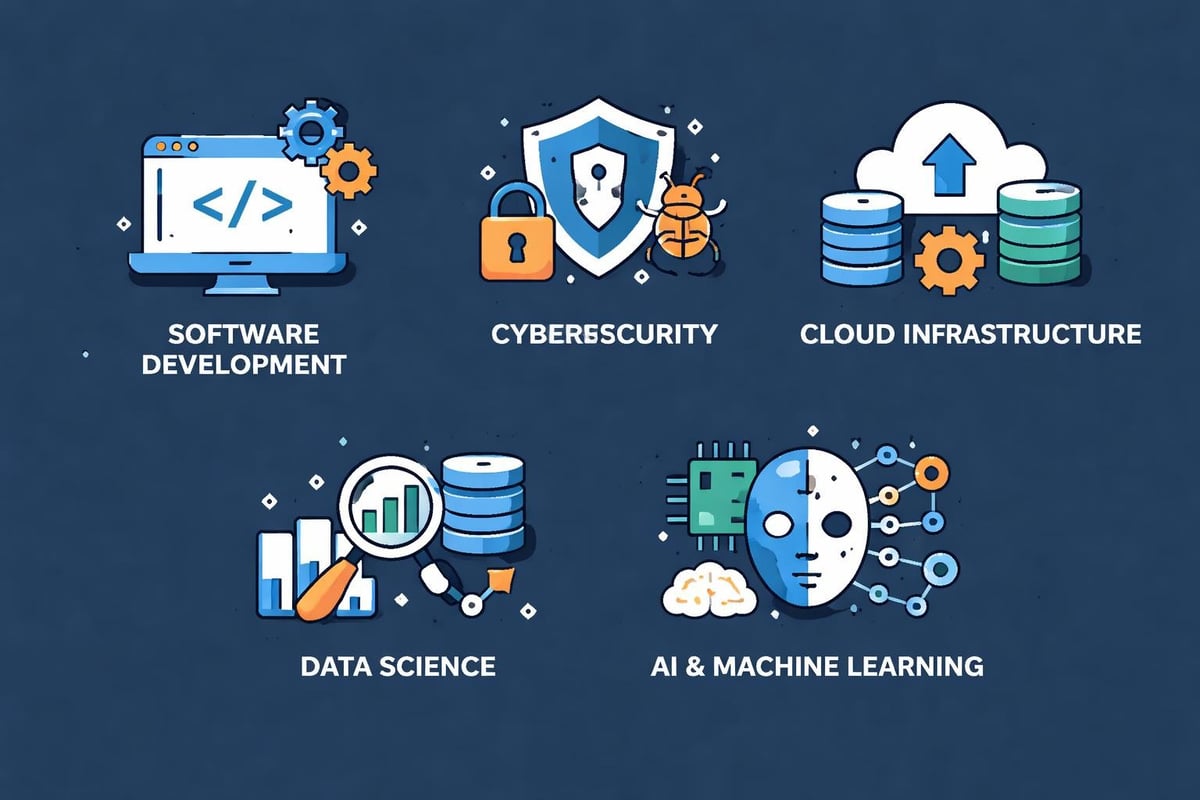
The best IT staffing firms typically excel in specific technology domains rather than attempting to cover the entire IT landscape equally well. Understanding these specialization categories helps organizations identify the right partner for their needs.
Software Development and Engineering
Firms specializing in software development focus on roles such as full-stack developers, front-end engineers, back-end developers, and mobile application developers. These agencies maintain networks of professionals skilled in various programming languages, frameworks, and development methodologies.
Key considerations when evaluating software development staffing partners:
- Language and framework expertise: Does the firm have access to talent in your specific tech stack?
- Development methodology alignment: Can they source candidates experienced in Agile, DevOps, or other relevant approaches?
- Level diversity: Does their talent pool include junior, mid-level, and senior engineers?
Cybersecurity and Infrastructure
As cyber threats continue to escalate, demand for security professionals has reached unprecedented levels. Specialized cybersecurity staffing firms understand the unique requirements for roles like security analysts, penetration testers, security architects, and compliance specialists.
The rising adoption of AI in IT staffing has coincided with increased focus on cybersecurity expertise, reflecting the critical importance of these roles across industries.
Artificial Intelligence and Data Science
AI and machine learning represent one of the fastest-growing staffing categories. The best IT staffing firms in this domain understand the distinctions between various data roles and can source talent across the AI spectrum, from data engineers to machine learning researchers.
This specialization requires particularly sophisticated technical assessment capabilities, as AI roles demand both theoretical knowledge and practical implementation skills. Firms serving this market typically employ technical experts who can evaluate candidates on algorithm understanding, model development capabilities, and experience with specific AI frameworks and tools.
Emerging Trends Reshaping IT Staffing
The IT staffing industry continues to evolve in response to technological advancement and changing workforce preferences. Understanding these trends helps organizations select partners positioned for long-term success.
Flexible Talent Models and Hybrid Arrangements
Traditional binary distinctions between permanent employees and contractors are giving way to more nuanced engagement models. The best IT staffing firms now offer multiple engagement options including project-based contracts, contract-to-hire arrangements, and statement-of-work (SOW) engagements.
This flexibility allows organizations to:
- Scale technical teams rapidly in response to project demands
- Evaluate candidates in real work situations before extending permanent offers
- Access specialized expertise for discrete initiatives without long-term commitments
- Manage budget fluctuations by adjusting workforce composition
Skills-Based Assessment and Matching
Moving beyond credential-focused hiring, leading staffing firms now emphasize demonstrated skills and competencies. This shift recognizes that traditional markers like degrees and years of experience don't always predict job performance accurately.
Skills-based approaches typically involve:
- Technical assessments that evaluate practical abilities
- Portfolio reviews demonstrating previous work
- Work sample tests that simulate actual job responsibilities
- Competency-based interviews focusing on problem-solving approaches
For organizations seeking to implement skills-based hiring, exploring ATS integrations can help streamline the assessment and matching process.
Technology-Enhanced Recruitment Processes
Artificial intelligence and automation have transformed how the best IT staffing firms operate. Technology applications include candidate sourcing through predictive algorithms, resume screening using natural language processing, and interview scheduling through automated systems.
| Technology Application | Business Impact | Implementation Complexity |
|---|---|---|
| AI-powered candidate matching | 60% faster sourcing | Medium |
| Automated screening | 70% reduction in manual review time | Low |
| Video interview platforms | 50% more candidates assessed | Low |
| Skills assessment automation | 80% more objective evaluations | Medium |
| Predictive analytics | 35% improvement in placement success | High |
Evaluating Staffing Firm Partnerships
Once you've identified potential IT staffing partners, a structured evaluation process ensures you select the firm best aligned with your organization's needs and values.
Questions to Ask Potential Partners
During initial consultations with staffing firms, probe beyond surface-level capabilities to understand their operational approach. Essential questions include:
- How do you source passive candidates who aren't actively job searching?
- What is your process for validating technical skills and experience claims?
- Can you provide references from clients in our industry with similar hiring needs?
- What guarantees do you offer if a placement doesn't work out?
- How do you stay current with emerging technologies and evolving skill requirements?
- What percentage of your placements remain with clients after 12 months?
Trial Engagements and Performance Monitoring
Rather than committing to exclusive partnerships immediately, consider starting with trial engagements for one or two positions. This approach allows you to evaluate the firm's performance on metrics that matter to your organization before expanding the relationship.
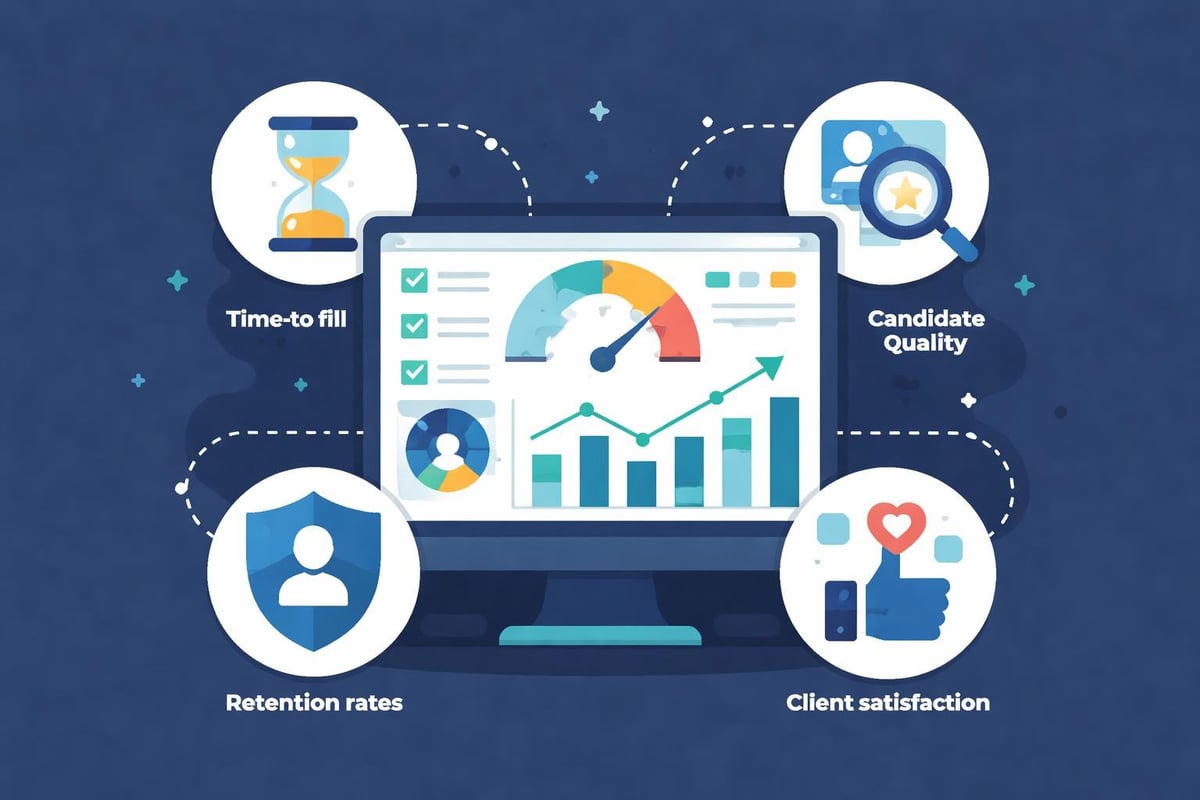
Monitor key performance indicators throughout the partnership including time-to-fill, candidate quality ratings, hiring manager satisfaction, and retention rates. Regular business reviews with your staffing partner should address performance against agreed-upon metrics and identify opportunities for process improvement.
Cost Structure and Value Assessment
While cost shouldn't be the sole decision factor, understanding pricing models helps ensure you're receiving fair value. The best IT staffing firms typically use one of several pricing approaches:
Percentage of salary: Fees calculated as a percentage of the candidate's first-year compensation, typically ranging from 15% to 25% for permanent placements.
Markup on hourly rate: For contract positions, firms charge the client an hourly rate that includes a markup over what they pay the contractor, usually 30% to 50%.
Flat fee arrangements: Some firms offer fixed fees per placement, providing cost predictability regardless of salary levels.
Compare pricing structures across multiple firms, but remember that the lowest cost rarely delivers the best overall value. Factor in the total cost of hiring, including time spent reviewing unqualified candidates, the expense of bad hires, and the opportunity cost of unfilled positions.
Building Successful Staffing Relationships
The most productive partnerships between organizations and the best IT staffing firms are built on clear communication, aligned expectations, and mutual respect.
Providing Detailed Job Requirements
Staffing firms can only deliver exceptional results when they thoroughly understand your needs. Invest time upfront to provide comprehensive job descriptions that go beyond basic requirements to include information about team dynamics, company culture, growth opportunities, and specific technical challenges the role will address.
The more context you provide about why the position exists and what success looks like, the better equipped your staffing partner will be to identify truly suitable candidates. Share information about previous successful hires in similar roles and what made them particularly effective.
Timely Feedback and Communication
Candidate markets move quickly, and top technical professionals often field multiple offers simultaneously. Establish clear communication protocols with your staffing partner regarding:
- How quickly you'll review submitted candidates
- Your typical interview-to-decision timeline
- The feedback you'll provide on candidates who don't advance
- Who should be contacted for urgent questions or updates
Providing detailed feedback on why candidates don't advance helps your staffing partner refine their understanding of your requirements and improve future submissions. Even simple explanations like "strong technical skills but insufficient experience with our specific tech stack" prove more valuable than generic rejections.
Collaborative Problem-Solving
The best client-staffing firm relationships function as true partnerships rather than transactional vendor arrangements. When challenges arise, such as difficulty finding candidates with a rare skill combination or competing against companies with larger compensation budgets, engage your staffing partner in collaborative problem-solving.
They may suggest alternative approaches such as adjusting requirements to focus on core competencies while providing training for secondary skills, restructuring compensation packages to emphasize total rewards beyond base salary, or exploring talent in geographic markets you hadn't previously considered.
Market Leaders and Industry Recognition
While specific firm recommendations depend on your unique requirements, several organizations have established reputations for excellence in IT staffing. Research on top IT staffing firms identifies companies that consistently deliver results across multiple technology domains and client types.
Market analysis from GlobeNewswire's IT staffing industry outlook highlights the major players dominating this $58.3 billion industry and their respective market positions.
Industry awards and recognition provide additional signals of staffing firm quality. Look for firms that have received accolades from industry associations, maintained high ratings on review platforms, and earned certifications demonstrating commitment to ethical recruiting practices.
For hiring managers exploring IT staffing options, resources like Augmnt's hiring manager solutions offer additional perspectives on building effective technical teams through verified talent connections.
Regional Considerations and Geographic Reach
Location factors significantly into IT staffing success, particularly as remote work has expanded the geographic boundaries of talent pools.
National Firms Versus Regional Specialists
National staffing organizations offer broad geographic reach and extensive candidate databases, making them well-suited for companies with hiring needs across multiple locations. However, regional specialists often provide deeper knowledge of local markets, established relationships with talent in specific geographic areas, and more personalized service.
Consider your specific needs when choosing between national and regional firms. Companies hiring for a single location might benefit from a regional firm's concentrated market expertise, while organizations with distributed teams may prefer national firms that can support hiring across multiple markets.
Remote and Distributed Talent
The normalization of remote work has fundamentally changed IT staffing dynamics. The best IT staffing firms now maintain networks of remote-ready candidates and understand how to assess whether candidates will thrive in distributed work environments.
When evaluating staffing partners for remote positions, ask about their experience placing distributed team members, how they assess remote work capabilities, and whether they can source talent in specific regions if timezone alignment matters for your team structure.
Selecting the right IT staffing partner significantly impacts your ability to build high-performing technical teams and execute on strategic initiatives. The best IT staffing firms combine deep technical expertise, rigorous verification processes, and commitment to long-term partnership success. As you evaluate potential partners, prioritize specialization alignment, quality metrics, and cultural fit alongside traditional factors like cost and speed. Augmnt offers an innovative alternative to traditional staffing models by connecting businesses with verified AI professionals through an intelligent marketplace that combines AI-powered matching with comprehensive fraud detection and skill verification, ensuring you access qualified, authenticated talent efficiently.