BambooHR Applicant Tracking Candidate Verification Guide
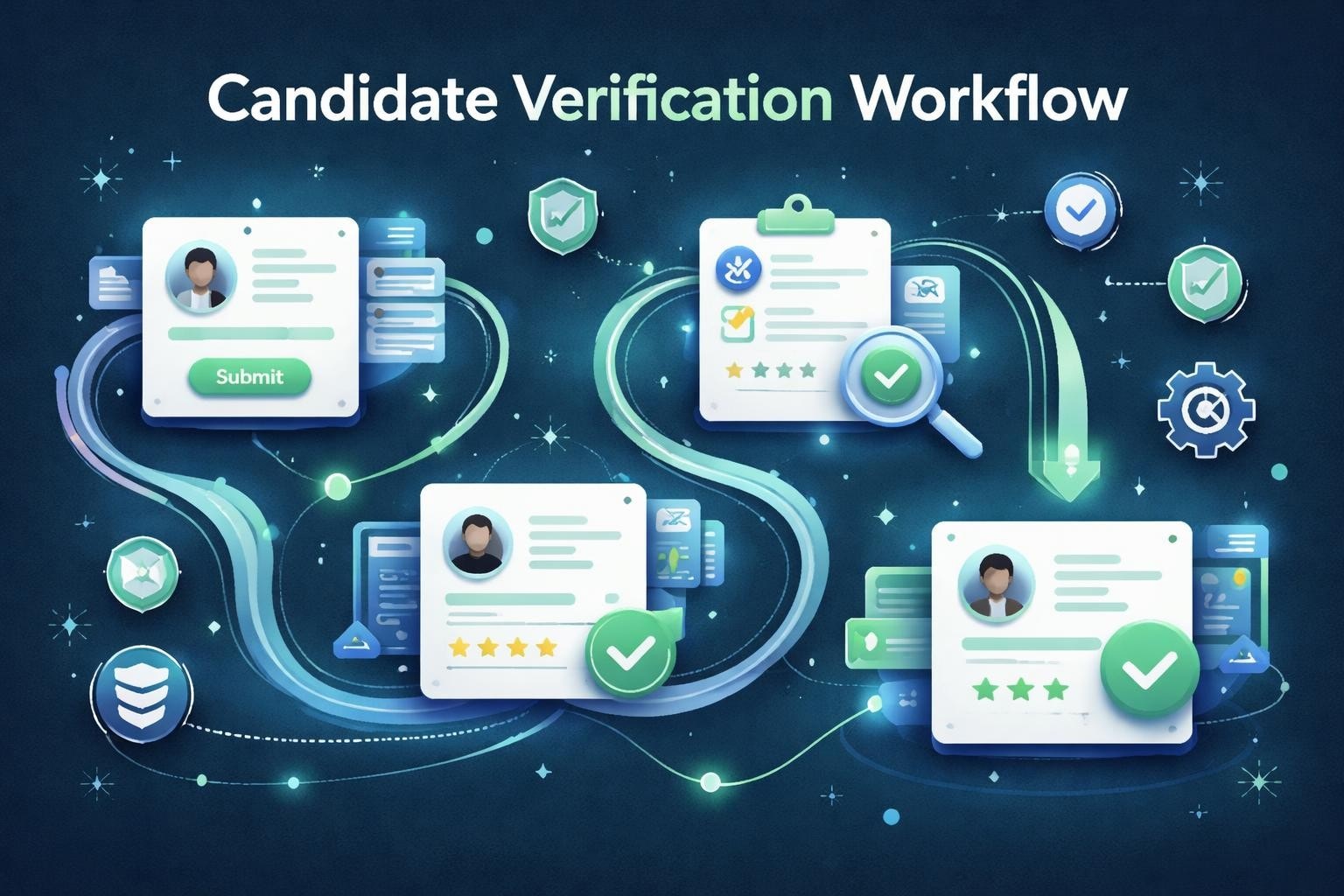
Modern recruitment demands more than simply collecting resumes and scheduling interviews. As businesses scale their hiring efforts, particularly in specialized fields like artificial intelligence and technology, the need for robust candidate verification becomes paramount. Organizations implementing bamboohr applicant tracking candidate verification systems discover that thorough validation processes protect against costly hiring mistakes, ensure regulatory compliance, and build teams with genuinely qualified professionals who can deliver measurable results.
Understanding BambooHR's Verification Ecosystem
BambooHR has evolved beyond basic applicant tracking to offer comprehensive verification capabilities that address multiple dimensions of candidate validation. The platform integrates seamlessly with specialized verification partners, creating an ecosystem where recruiters can manage background checks, skill assessments, and credential verification without leaving their primary workflow.
Native Integration Advantages
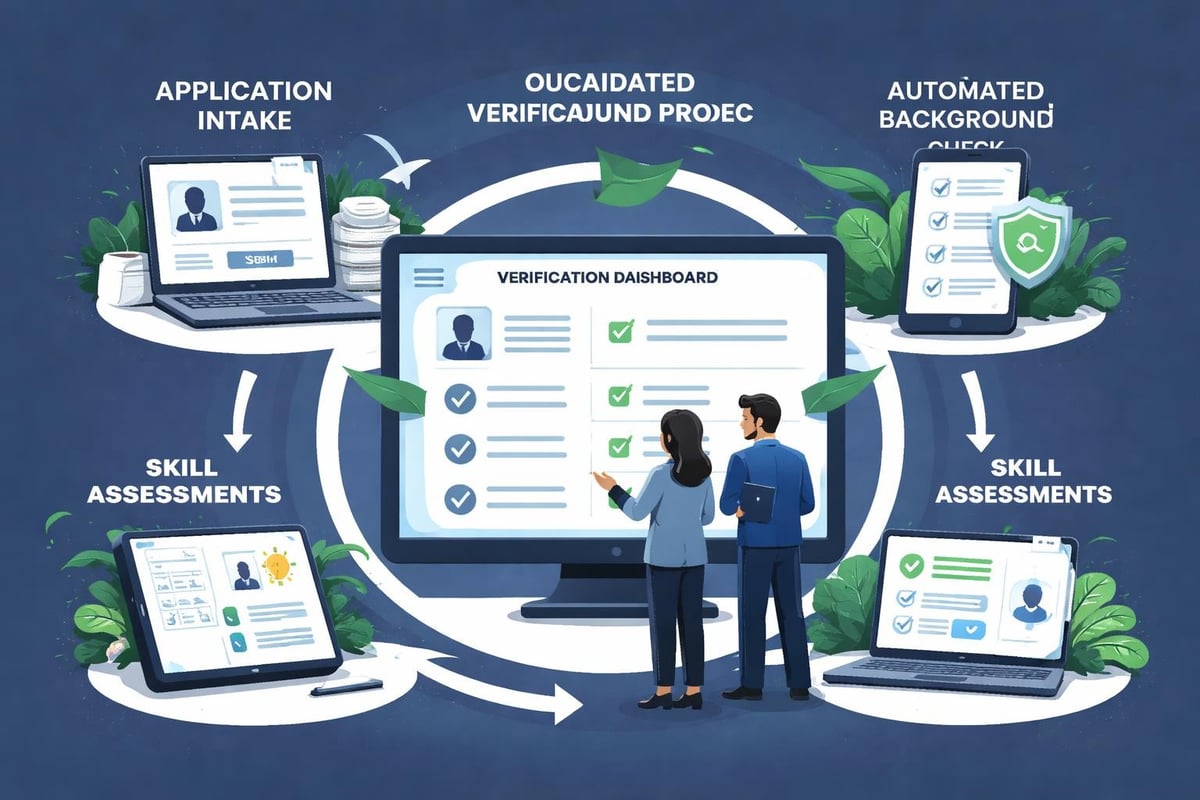
The power of bamboohr applicant tracking candidate verification lies in its integration architecture. Rather than forcing recruiters to juggle multiple platforms, BambooHR centralizes verification activities within a single dashboard. When BambooHR deepened its integration with Checkr, it eliminated the friction of managing background checks through separate systems, allowing hiring teams to request, track, and review verification results directly within the ATS interface.
This architectural approach delivers several concrete benefits:
- Reduced context switching between different platforms and tools
- Consolidated audit trails showing all verification activities in one location
- Automated status updates that keep hiring managers informed without manual follow-up
- Streamlined candidate experience with fewer redundant information requests
Multi-Layered Verification Approach
Effective bamboohr applicant tracking candidate verification requires multiple validation layers working in concert. Background checks verify criminal records and employment history, while skill assessments measure actual competencies rather than self-reported abilities. Reference checks add qualitative insights, and credential verification confirms educational achievements and professional certifications.
For AI talent marketplaces and technical hiring organizations, this multi-layered approach proves essential. A candidate might present impressive credentials on paper, but without proper verification, recruiters risk onboarding individuals who cannot perform at the required level or who have fabricated portions of their background.
Building Verification Workflows in BambooHR
Implementing bamboohr applicant tracking candidate verification workflows requires strategic planning around timing, scope, and stakeholder responsibilities. Organizations must determine which verification steps apply to which roles, when in the hiring process verification should occur, and who owns each verification activity.
Timing Verification Activities
Early-stage verification focuses on basic qualifications and red flags. Before investing significant time in interviews, recruiters can initiate preliminary checks that confirm candidates meet minimum requirements. This might include verifying that claimed degrees exist, checking for obvious resume inconsistencies, or confirming professional licenses are current and valid.
Mid-stage verification typically occurs after initial interviews but before final rounds. At this point, organizations have narrowed their candidate pool and can justify more intensive verification efforts. Background checks, detailed employment verification, and skill assessments commonly happen during this phase.
Final-stage verification completes the process before extending offers. This includes reference checks, final credential confirmations, and any role-specific verifications like security clearances or compliance certifications.
| Verification Stage | Typical Activities | Timeline | Cost Consideration |
|---|---|---|---|
| Early Stage | Resume screening, basic credential check | 1-2 days | Low |
| Mid Stage | Background check, skill assessment | 3-7 days | Moderate |
| Final Stage | Reference checks, deep credential verification | 5-10 days | Higher |
| Post-Offer | Security clearances, compliance certifications | 14-30 days | Highest |
Configuring Automated Triggers
BambooHR's workflow automation capabilities enable bamboohr applicant tracking candidate verification to proceed without constant manual intervention. Recruiters can configure triggers that automatically initiate verification steps when candidates reach specific pipeline stages.
For example, when a candidate moves to "Phone Screen Completed," the system might automatically send a background check request to Checkr. When they advance to "Technical Interview Scheduled," the partnership with Criteria Corp enables automated delivery of role-appropriate assessments that measure cognitive abilities, personality traits, and technical skills.
These automated workflows ensure consistency across all candidates while reducing administrative burden on recruiting teams.
Leveraging Third-Party Verification Partners
The bamboohr applicant tracking candidate verification ecosystem extends through strategic partnerships with specialized verification providers. Each partner brings domain expertise that enhances the overall validation process.
Background Check Integration
Background verification remains foundational to candidate validation. Through integrated partners, BambooHR users can request county criminal searches, federal criminal searches, employment verification, education verification, and motor vehicle record checks directly from the applicant tracking interface.
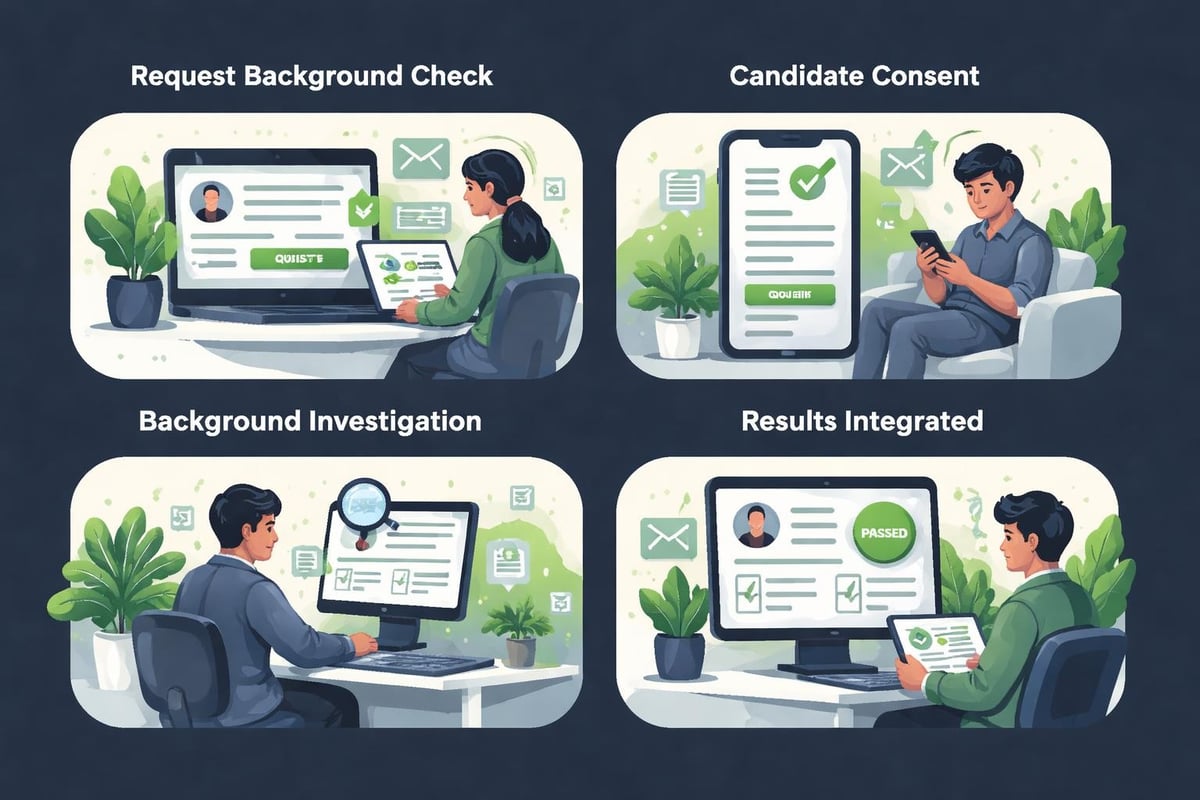
The verification request flows seamlessly from BambooHR to the background check provider, who conducts the investigation and returns results to the same platform where the candidate record resides. This integration eliminates the error-prone process of manually transferring candidate information between systems and ensures verification results attach to the correct candidate profile.
Skills Assessment Validation
Resume claims rarely tell the complete story of candidate capabilities. Skills assessments provide objective data about what candidates can actually do, complementing the subjective impressions formed during interviews. Modern bamboohr applicant tracking candidate verification incorporates these assessments as standard practice rather than optional extras.
Assessment providers offer libraries of validated tests covering cognitive abilities, personality dimensions, technical skills, and role-specific competencies. For organizations hiring AI professionals, specialized assessments might evaluate machine learning knowledge, programming proficiency in Python or R, statistical analysis capabilities, or data engineering skills.
Reference and Employment Verification
While candidates provide references, unverified references carry limited value. Professional reference checking services conduct structured interviews with provided references, asking consistent questions that generate comparable data across candidates. They also verify that references genuinely hold the positions claimed and have actual working relationships with candidates.
Employment verification confirms dates of employment, job titles, and sometimes salary information with previous employers. This process catches resume fraud where candidates inflate titles, extend employment dates to hide gaps, or claim positions they never held.
Best Practices for Verification Management
Implementing bamboohr applicant tracking candidate verification successfully requires more than enabling integrations. Organizations must establish clear policies, train hiring teams, and continuously optimize their verification processes based on outcomes and feedback. Following ATS best practices ensures verification activities enhance rather than hinder the candidate experience.
Establishing Clear Verification Standards
Different roles warrant different verification depths. Entry-level positions might require basic background checks and skill assessments, while senior technical roles demand comprehensive verification including detailed employment history, credential validation, and extensive skill testing.
Document these standards explicitly so hiring managers understand exactly which verification steps apply to their openings. This documentation should specify:
- Which verification types are required versus optional
- At what pipeline stage each verification occurs
- Who is responsible for reviewing verification results
- How verification findings impact hiring decisions
- What constitutes a disqualifying verification result
Maintaining Compliance and Transparency
Candidate verification intersects with numerous regulatory requirements, particularly around background checks and data privacy. The Fair Credit Reporting Act (FCRA) governs how organizations use background check information in hiring decisions, requiring specific disclosures, candidate consent, and adverse action procedures when verification results lead to non-selection.
Bamboohr applicant tracking candidate verification workflows should incorporate these compliance requirements systematically. Automated disclosure delivery, consent collection, and adverse action letter generation ensure consistent compliance while reducing legal risk.
Transparency with candidates about verification processes builds trust and improves completion rates. Clearly communicate what verifications will occur, why they matter, and approximately how long they take. Candidates who understand the purpose behind verification are more likely to provide necessary consents and respond promptly to verification requests.
Monitoring Verification Metrics
Effective reporting and analytics transform verification from a checkbox activity into a strategic hiring advantage. Organizations should track metrics that reveal verification process performance and identify improvement opportunities.
Key metrics include:
- Verification completion time from request to final results
- Candidate dropout rates at verification stages
- Verification failure rates by type and position
- Cost per verification by provider and verification type
- Time-to-hire impact from verification delays
Analyzing these metrics helps optimize verification timing, identify problematic providers, and balance thoroughness against speed-to-hire.
Addressing Common Verification Challenges
Even well-designed bamboohr applicant tracking candidate verification processes encounter obstacles that slow hiring or create candidate frustration. Anticipating these challenges and developing mitigation strategies keeps recruitment moving efficiently.
International Candidate Verification
Global talent acquisition introduces verification complexity. Educational credentials from foreign institutions require specialized validation services familiar with international degree systems. Employment verification across borders may involve language barriers, different business hour considerations, and varying record-keeping standards.
Background checks face significant international variation in what information is legally available and how long investigations take. Some countries restrict criminal record access, while others maintain limited centralized databases that complicate comprehensive searches.
Organizations hiring internationally should partner with verification providers offering global coverage and understand the limitations inherent in international verification. Setting appropriate expectations with hiring managers about extended timelines for international candidates prevents frustration and supports better planning.

Managing Verification Delays
Verification occasionally stalls due to unresponsive references, institutions that are slow to confirm degrees, or background check complexities. These delays create uncertainty in hiring timelines and may cause organizations to lose candidates to competing offers.
Proactive communication mitigates delay impacts. When verification extends beyond expected timeframes, inform candidates and hiring managers about the situation, provide updated completion estimates, and explain any actions candidates can take to accelerate the process. Maintaining comprehensive documentation throughout ensures everyone understands verification status.
Consider establishing verification service level agreements with providers that specify maximum completion timeframes and escalation procedures for delayed verifications. This gives recruiters leverage to push for faster resolution when timelines become problematic.
Balancing Thoroughness and Speed
Every additional verification step extends time-to-hire, potentially causing top candidates to accept competing offers before your process completes. Yet insufficient verification risks costly bad hires who underperform, damage team dynamics, or even engage in fraud.
The optimal balance depends on role criticality, market competition, and organizational risk tolerance. For highly specialized AI roles where qualified candidates are scarce and competition is intense, streamline verification to essential elements that can complete quickly. For positions with significant access to sensitive data, intellectual property, or financial systems, comprehensive verification justifies longer timelines despite the competitive risk.
Advanced Verification Techniques
Leading organizations push beyond basic bamboohr applicant tracking candidate verification to implement advanced techniques that catch sophisticated resume fraud and provide deeper candidate insights.
Resume Fraud Detection
AI-powered fraud detection analyzes resumes for patterns indicating fabrication or exaggeration. These systems flag inconsistencies in employment timelines, detect suspiciously perfect formatting that suggests template usage, identify credential claims from non-existent institutions, and spot language patterns common in fraudulent applications.
When integrated with BambooHR workflows, fraud detection can occur automatically upon application submission, flagging suspicious candidates before recruiters invest time in screening. This protects organizations while ensuring genuine candidates aren't delayed by verification processes.
Skill Verification Through Practical Assessment
Traditional credentials indicate that someone completed specific training but don't guarantee current competency. Practical skill assessments require candidates to demonstrate abilities through realistic work samples, coding challenges, case studies, or simulations that mirror actual job responsibilities.
For AI talent, this might involve data analysis exercises using real datasets, machine learning model development challenges, or algorithm optimization problems. These assessments generate objective performance data that predicts on-the-job success more accurately than credentials alone.
Continuous Verification Post-Hire
Bamboohr applicant tracking candidate verification shouldn't end when candidates become employees. Ongoing verification maintains workforce quality by monitoring for license expirations, certification lapses, or emerging background issues that affect continued employment eligibility.
BambooHR's HRIS capabilities support post-hire verification tracking by storing credential expiration dates, triggering renewal reminders, and maintaining comprehensive employee verification records throughout the employment lifecycle.
Optimizing BambooHR for Your Verification Needs
Different organizations require different bamboohr applicant tracking candidate verification configurations based on industry, role types, and regulatory environments. Choosing the right ATS features and integrations ensures verification capabilities align with specific hiring needs.
Customizing Verification Workflows by Department
Technical teams might require extensive skill assessments and portfolio reviews, while administrative roles focus more heavily on background checks and reference verification. Sales positions might emphasize personality assessments and achievement validation, whereas compliance-sensitive roles demand thorough credential verification and regulatory checks.
BambooHR allows workflow customization at the department and position level, ensuring each role receives appropriate verification without forcing every candidate through identical processes. This customization improves efficiency while maintaining verification thoroughness where it matters most.
Integration Selection Strategy
The bamboohr applicant tracking candidate verification ecosystem includes dozens of potential integration partners. Rather than enabling every available integration, strategic selection focuses on partners that address your specific verification priorities.
Evaluate integration partners based on:
- Coverage breadth for your geographic hiring regions
- Turnaround times that align with your hiring velocity expectations
- Pricing structure that fits your budget and hiring volume
- Compliance expertise in your industry's regulatory environment
- User experience that candidates find professional and straightforward
Training Teams on Verification Best Practices
Technology enables verification, but people execute it effectively. Regular training ensures recruiting teams understand verification requirements, know how to initiate and track verifications within BambooHR, and can interpret verification results appropriately when making hiring decisions.
Training should cover legal compliance aspects, particularly FCRA requirements and adverse action procedures. Recruiters must understand what constitutes legally permissible use of background check information and how to navigate situations where verification reveals concerning information that requires careful evaluation rather than automatic disqualification.
Measuring Verification ROI
Investing in comprehensive bamboohr applicant tracking candidate verification generates returns through reduced bad hires, improved quality of hire, and decreased turnover. Quantifying these returns demonstrates the business value of thorough verification and justifies continued investment in verification capabilities.
Calculating Bad Hire Costs Avoided
Bad hires carry substantial costs including wasted salary during underperformance, recruiting costs to replace the individual, training investment that generates no return, and productivity losses affecting team performance. Some estimates place bad hire costs at 30% of first-year salary or higher for senior positions.
Track how many candidates would have been hired without verification but were appropriately screened out due to verification findings. Multiply this number by estimated bad hire costs to calculate verification ROI. Even modest bad hire prevention generates returns that far exceed verification expenses.
Quality of Hire Improvements
Beyond preventing bad hires, effective verification improves the overall caliber of successful hires. When skill assessments form part of bamboohr applicant tracking candidate verification, organizations can track whether assessment scores correlate with subsequent job performance ratings.
Employees who scored higher on pre-hire assessments and passed comprehensive verification should demonstrate superior performance, faster ramp-up times, and longer tenure compared to those hired with minimal verification. Documenting these correlations proves verification value while identifying which specific verification types predict success most accurately.
Comprehensive candidate verification transforms hiring from a risk-laden guessing game into a data-driven process that consistently identifies qualified, trustworthy professionals. BambooHR's integrated verification ecosystem streamlines this critical function while maintaining thorough validation standards. For organizations seeking verified AI talent without the complexity of managing multiple verification tools, Augmnt offers an intelligent marketplace where comprehensive candidate validation-including resume fraud detection and skill verification-comes built into the platform, connecting businesses with pre-verified AI professionals ready to contribute from day one.