ATS with AI Matching: Transform Your Hiring Process
The recruitment landscape has undergone a dramatic transformation over the past decade, with technology fundamentally reshaping how organizations identify and hire talent. Among the most significant innovations is the integration of artificial intelligence into applicant tracking systems, creating powerful platforms that can analyze, screen, and match candidates with unprecedented accuracy. As businesses compete for top talent in increasingly specialized fields like AI and technology, understanding how ats with ai matching works has become essential for recruitment teams seeking efficiency and better hiring outcomes.
Understanding ATS with AI Matching Technology
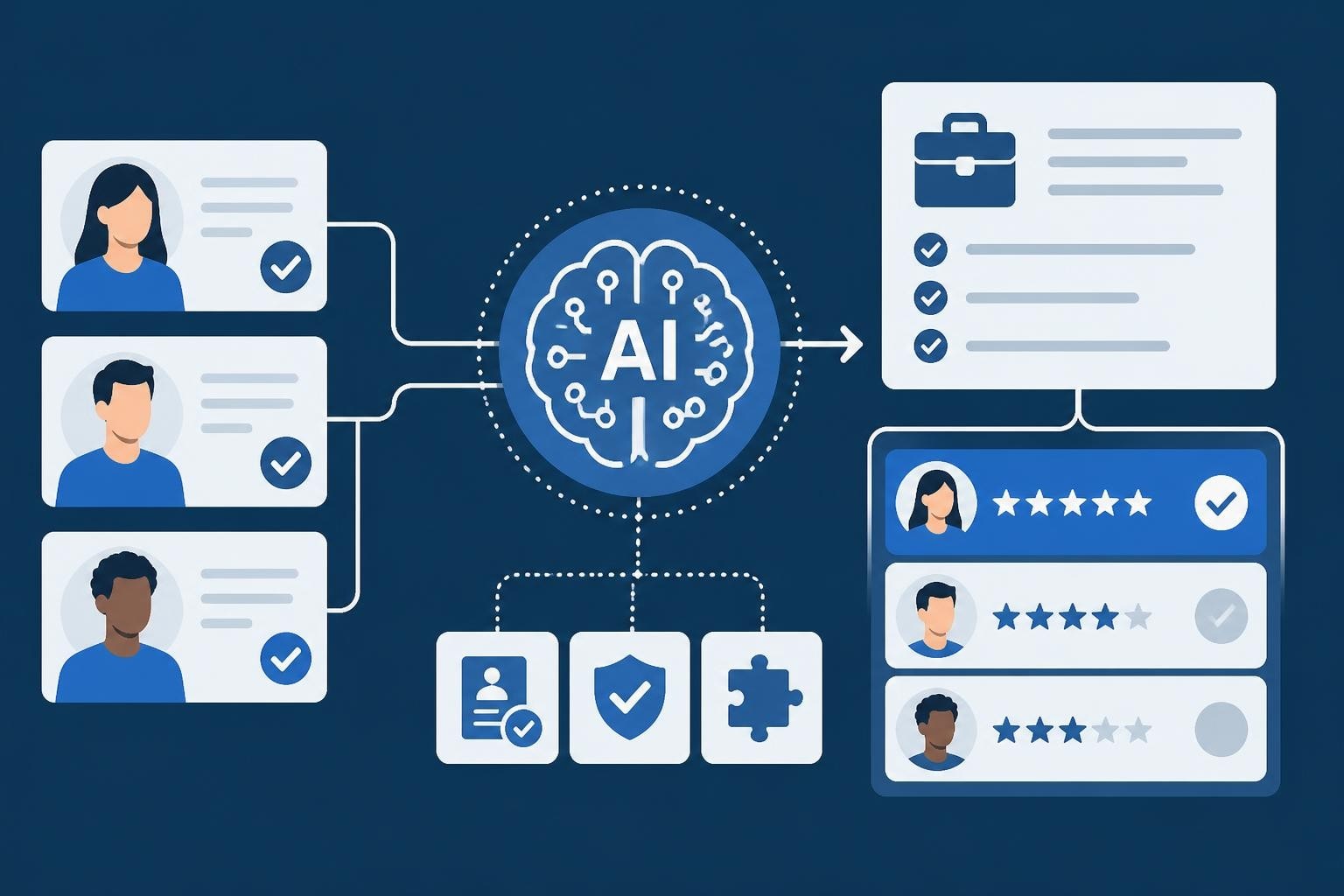
An AI Applicant Tracking System represents a significant leap forward from traditional recruitment software. While conventional ATS platforms primarily organize applications and track candidates through hiring pipelines, systems with AI matching capabilities actively analyze candidate qualifications and intelligently pair them with suitable positions.
The core functionality revolves around machine learning algorithms that process vast amounts of data points from resumes, applications, and job descriptions. These systems learn from historical hiring decisions, successful placements, and evolving job requirements to continuously refine their matching accuracy.
How AI Matching Algorithms Work
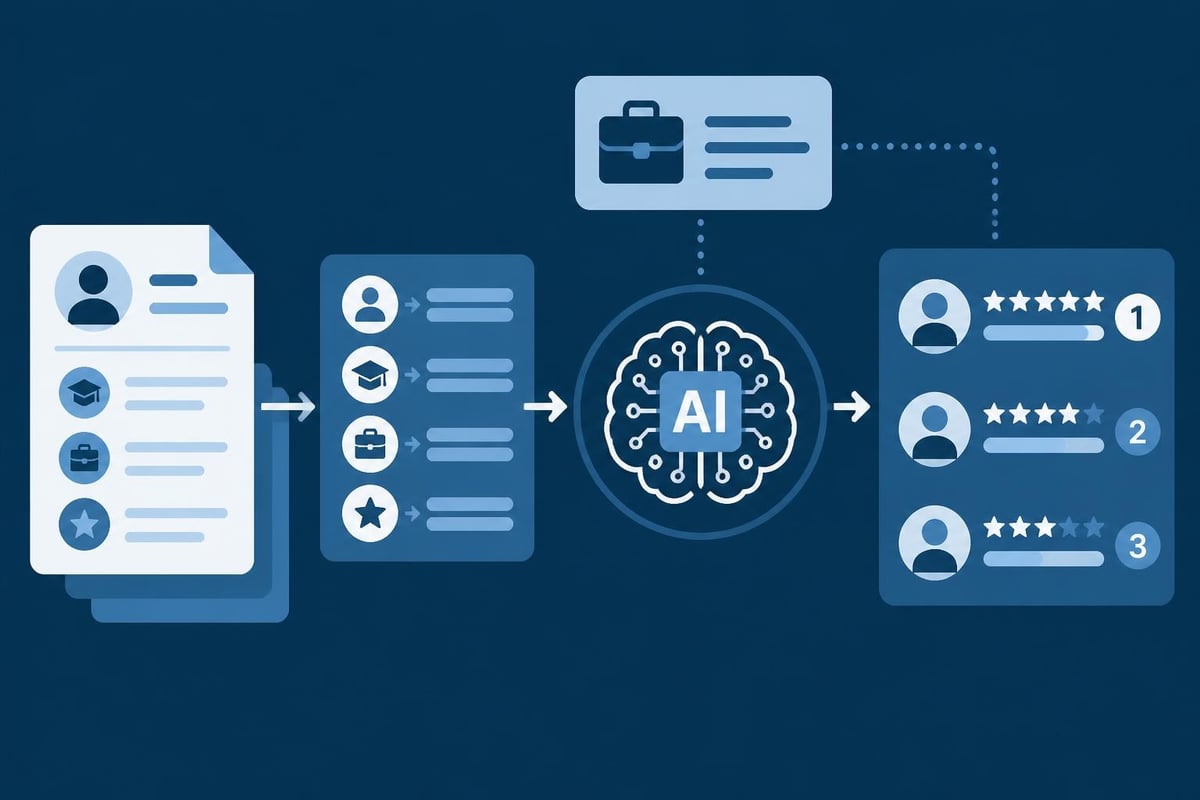
AI matching technology operates through several sophisticated mechanisms. Natural language processing (NLP) extracts meaningful information from unstructured resume data, identifying skills, experience levels, educational backgrounds, and career trajectories. Unlike basic keyword matching, modern ats with ai matching understands context and semantics.
Machine learning models evaluate candidates across multiple dimensions:
- Skills alignment: Matching technical and soft skills with job requirements
- Experience relevance: Assessing whether past roles translate to current opportunities
- Cultural fit indicators: Analyzing work patterns and preferences
- Career trajectory: Understanding growth patterns and future potential
- Location and availability: Matching logistical requirements
The system assigns scoring mechanisms to rank candidates, enabling recruiters to focus their attention on the most promising applicants. This automated resume analysis dramatically reduces the time spent on initial screening activities.
Benefits of Implementing ATS with AI Matching
Organizations adopting ats with ai matching experience transformative benefits across their recruitment operations. The advantages extend far beyond simple time savings, impacting quality of hire, candidate experience, and overall talent acquisition strategy.
Efficiency and Time Reduction
Traditional resume screening can consume 15-20 hours per week for active recruitment teams. AI matching reduces this burden by 70-80%, allowing recruiters to review pre-qualified candidates rather than sorting through hundreds of applications manually.
The acceleration applies throughout the hiring funnel. Faster initial screening means quicker outreach to top candidates, reducing the risk of losing them to competitors. Response times improve, and hiring cycles shorten from weeks to days in many cases.
Enhanced Candidate Quality
Quality improvements emerge from the system's ability to identify nuanced qualifications that human reviewers might overlook. AI algorithms detect transferable skills, recognize non-traditional career paths that indicate strong potential, and identify candidates whose experience perfectly aligns with specific role requirements.
| Traditional Screening | ATS with AI Matching |
|---|---|
| 50-100 resumes reviewed per day | 500-1000 resumes analyzed per hour |
| Subjective evaluation prone to bias | Objective scoring based on qualifications |
| Focus on keyword presence | Contextual understanding of experience |
| Miss qualified non-traditional candidates | Identify diverse talent pools |
Reduced Bias and Improved Diversity
When properly configured, ats with ai matching can minimize unconscious bias in initial screening stages. By focusing on qualifications rather than demographic factors, these systems create more equitable evaluation processes. However, it's crucial to note that AI systems must be carefully designed and monitored to avoid perpetuating historical biases present in training data.
Critical Features to Evaluate in ATS with AI Matching
Not all AI matching systems deliver equal value. Understanding which features truly enhance recruitment outcomes helps organizations select platforms that align with their hiring needs and organizational values.
Transparency and Explainability
The best ats with ai matching platforms provide clear explanations for their matching decisions. Research on AI transparency emphasizes the importance of understanding how algorithms reach conclusions. Recruiters should be able to see which qualifications triggered high scores and why certain candidates ranked above others.
Systems offering explainable AI create trust among recruitment teams and ensure compliance with emerging regulations around automated hiring decisions. They also enable continuous improvement, as teams can identify when the algorithm misinterprets requirements or overweights irrelevant factors.
Verification and Fraud Detection
As AI matching becomes more sophisticated, so do attempts to game the system. Resume fraud, skill misrepresentation, and credential fabrication pose significant risks. Advanced platforms incorporate verification mechanisms that validate candidate claims before presenting them to hiring managers.
The Augmnt ATS exemplifies this approach by combining AI matching with comprehensive candidate validation, including resume fraud detection and skill verification, ensuring that only qualified and fraud-free candidates reach decision-makers.
Integration Capabilities
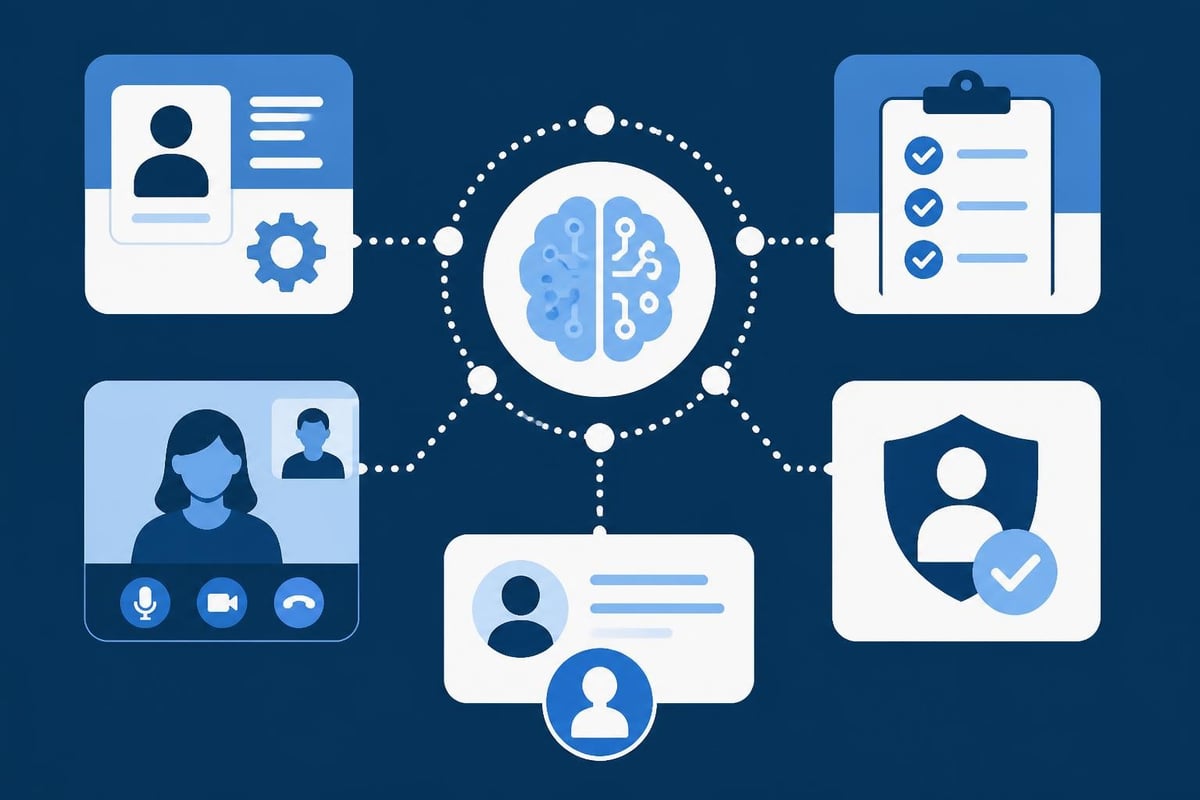
Effective ats with ai matching doesn't operate in isolation. It should integrate seamlessly with existing HR technology stacks, including HRIS systems, video interviewing platforms, assessment tools, and background check services. API connectivity and pre-built integrations reduce implementation complexity and ensure data flows smoothly across systems.
Organizations can explore various ATS integration options to connect their recruitment technology ecosystem effectively.
Common Challenges and Limitations
Despite their powerful capabilities, ats with ai matching systems face several challenges that organizations must understand and address proactively.
The Resume Filtering Problem
Research indicates that 75% of resumes never reach human reviewers when AI screening systems are employed. While this statistic demonstrates the efficiency of automated filtering, it also raises concerns about potentially qualified candidates being eliminated too early in the process.
Organizations must calibrate their matching algorithms carefully, setting appropriate thresholds that balance efficiency with inclusivity. Regular audits of rejected candidates help identify whether the system filters too aggressively or misses important qualifications.
Algorithm Bias and Fairness
AI systems learn from historical data, which may contain embedded biases from past hiring decisions. If a company historically hired from limited demographic groups or specific educational backgrounds, the algorithm might inadvertently perpetuate these patterns.
Mitigating bias requires:
- Diverse training data: Ensuring the algorithm learns from varied successful hires
- Regular bias audits: Testing outcomes across demographic groups
- Human oversight: Maintaining recruiter involvement in final decisions
- Continuous refinement: Updating algorithms as hiring priorities evolve
- Transparency mechanisms: Understanding how decisions are made
Over-Reliance on Keywords
Less sophisticated systems claiming AI capabilities may actually rely primarily on keyword matching with minimal genuine machine learning. Understanding the difference between true AI matching and enhanced keyword searching helps organizations evaluate vendor claims critically.
Genuine ats with ai matching understands synonyms, contextual relevance, and transferable skills rather than simply counting keyword occurrences. During vendor evaluation, requesting demonstrations with real resume samples reveals whether the system employs true semantic understanding or superficial matching.
Best Practices for Implementation
Successfully deploying ats with ai matching requires strategic planning, thoughtful configuration, and ongoing optimization. Organizations that approach implementation methodically achieve better outcomes and faster ROI realization.
Define Clear Success Metrics
Before implementation, establish measurable objectives that align with broader talent acquisition goals. These might include:
- Time-to-hire reduction targets
- Quality of hire improvements (measured through performance ratings or retention)
- Recruiter productivity gains
- Candidate experience scores
- Diversity hiring metrics
- Cost-per-hire reductions
Baseline measurements before deployment enable accurate assessment of the system's impact and help justify continued investment.
Configure Matching Parameters Thoughtfully
Generic out-of-the-box configurations rarely deliver optimal results. Invest time in customizing matching criteria for different role types, departments, and seniority levels. Technical positions might emphasize specific programming languages and certifications, while leadership roles prioritize management experience and strategic thinking indicators.
Collaborate with hiring managers to understand what truly predicts success in their teams. Translate these insights into weighted scoring factors within the AI matching algorithm.
Maintain Human Involvement
AI matching should enhance recruiter capabilities, not replace human judgment entirely. The most effective approaches position ats with ai matching as a filtering and prioritization tool that surfaces the best candidates for human evaluation.
Recruiters bring contextual understanding, intuition about cultural fit, and the ability to spot potential that algorithms might miss. They also provide crucial feedback loops that help the system learn and improve over time.
Future Trends in AI Matching Technology
The evolution of ats with ai matching continues rapidly, with several emerging trends poised to reshape recruitment further in the coming years.
Multi-Modal Assessment Integration
Next-generation systems will integrate analysis of video interviews, work samples, and assessment results alongside resume data. This multi-modal approach creates more comprehensive candidate profiles and improves matching accuracy by considering diverse data sources.
Predictive Performance Analytics
Advanced algorithms will move beyond matching current qualifications to predicting future performance and cultural fit. By analyzing patterns from successful long-term employees, these systems can identify candidates likely to thrive and remain with the organization.
Human-AI Collaboration Models
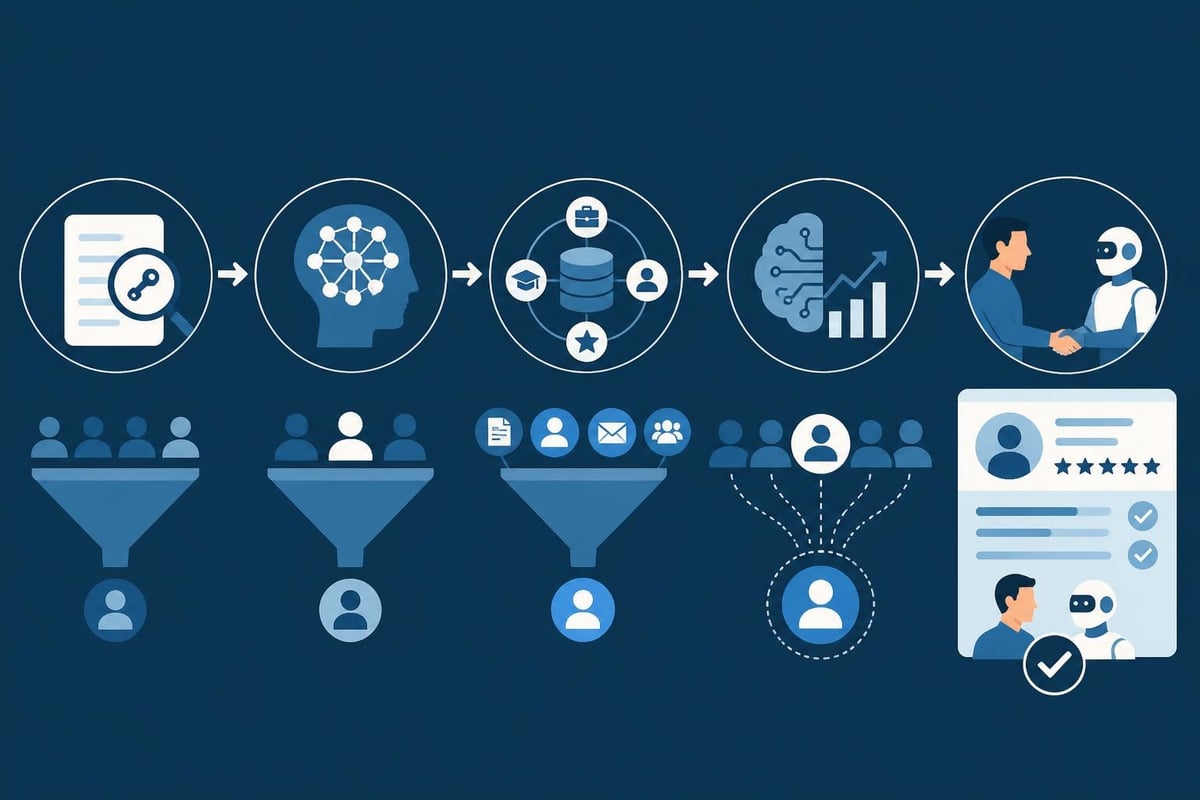
Research on human-AI complementarity in matching tasks suggests that collaborative approaches where AI handles initial screening while humans make nuanced judgments produce superior outcomes compared to either working alone. Future systems will be explicitly designed to optimize this partnership.
Enhanced Transparency and Explainability
Regulatory pressures and ethical considerations will drive increased transparency in AI hiring tools. Candidates may gain visibility into how they were evaluated, and organizations will need to demonstrate fairness and non-discrimination in their automated processes.
Selecting the Right ATS with AI Matching
Choosing an appropriate platform requires careful evaluation across multiple dimensions. Organizations should approach vendor selection systematically, considering both current needs and future scalability requirements.
Evaluation Framework
| Evaluation Criteria | Key Questions | Weight |
|---|---|---|
| Matching Accuracy | Does the system understand context and semantics? | High |
| Transparency | Can you explain matching decisions? | High |
| Integration Capabilities | Does it connect with existing tools? | Medium |
| Verification Features | How does it validate candidate claims? | High |
| User Experience | Is it intuitive for recruiters and candidates? | Medium |
| Scalability | Can it handle growth in hiring volume? | Medium |
| Support and Training | What implementation assistance is provided? | Low |
Trial and Testing Approaches
Request pilot programs or trials with actual job requisitions and candidate pools. Evaluate the system's performance against known outcomes-does it rank candidates who were ultimately hired highly? Does it surface strong applicants who might have been initially overlooked?
Involve recruiters and hiring managers in evaluation processes to ensure the platform meets practical workflow needs. Technical capabilities matter little if the interface frustrates daily users or complicates rather than streamlines processes.
Compliance and Ethical Considerations
As ats with ai matching becomes more prevalent, regulatory frameworks governing automated hiring decisions continue to evolve. Organizations must navigate these requirements carefully to avoid legal risks and maintain ethical hiring practices.
Current Regulatory Landscape
Several jurisdictions have enacted or proposed legislation addressing AI in hiring. These regulations typically require transparency about automated decision-making, mandate bias testing, and preserve candidates' rights to human review of AI-driven rejections.
Staying current with evolving compliance requirements protects organizations from legal challenges and reputational damage. Many modern hiring platforms build compliance features directly into their systems, automatically documenting decisions and maintaining audit trails.
Ethical Implementation Principles
Beyond legal compliance, organizations should establish ethical guidelines for AI matching usage:
- Informed consent: Notify candidates when AI will evaluate their applications
- Right to explanation: Provide rejected candidates with meaningful feedback
- Regular bias audits: Proactively test for disparate impact across protected groups
- Human oversight: Maintain recruiter involvement in final hiring decisions
- Continuous improvement: Update algorithms to address identified fairness issues
Measuring ROI and Impact
Demonstrating the value of ats with ai matching requires comprehensive measurement frameworks that capture both quantitative efficiency gains and qualitative improvements in hiring outcomes.
Quantitative Metrics
Financial returns manifest through several measurable improvements:
- Reduced time-to-hire: Calculate cost savings from faster placement
- Recruiter productivity: Measure increases in requisitions handled per recruiter
- Lower cost-per-hire: Track reductions in advertising, agency fees, and internal resources
- Improved retention: Assess whether better matching leads to longer tenure
- Higher offer acceptance rates: Better targeting may improve acceptance percentages
Qualitative Benefits
Numbers alone don't capture the full value proposition. Organizations report improvements in:
- Candidate experience scores and employer brand perception
- Hiring manager satisfaction with candidate quality
- Diversity and inclusion progress
- Recruiter job satisfaction and reduced burnout
- Strategic focus on relationship-building versus administrative screening
Regular stakeholder surveys and feedback sessions reveal these qualitative benefits and identify areas for ongoing optimization.
The integration of artificial intelligence into applicant tracking systems represents a fundamental shift in how organizations identify and engage talent, offering unprecedented efficiency while raising important questions about fairness, transparency, and the evolving role of human judgment in hiring. Successfully implementing ats with ai matching requires careful platform selection, thoughtful configuration, ongoing monitoring, and commitment to ethical practices that balance automation's power with human insight. Augmnt addresses these challenges by combining AI-driven matching with comprehensive candidate verification, ensuring businesses connect with qualified, fraud-free AI professionals through a platform that prioritizes both efficiency and integrity in the recruitment process.