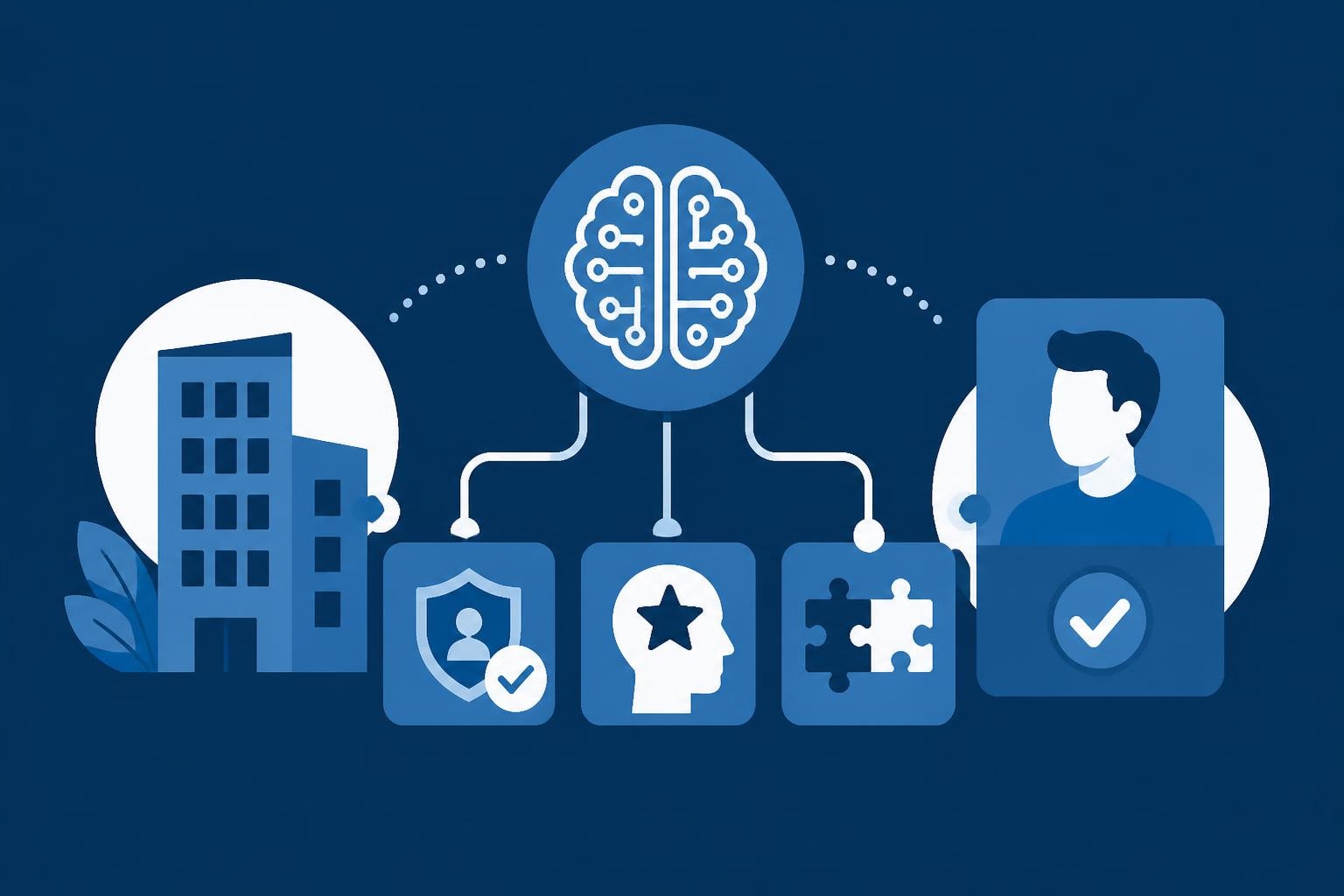
Artificial Intelligence Staffing: Modern Hiring Guide
The recruitment landscape has undergone a fundamental transformation as organizations increasingly rely on artificial intelligence staffing to meet their talent acquisition needs. This shift represents more than just adopting new technology-it signifies a complete reimagining of how companies identify, assess, and onboard skilled professionals. As businesses compete for top-tier AI talent in 2026, understanding the mechanics and benefits of AI-powered recruitment has become essential for staying competitive in a rapidly evolving marketplace.
The Evolution of Artificial Intelligence Staffing
Traditional staffing methods relied heavily on manual resume screening, phone interviews, and subjective assessments that consumed significant time and resources. The introduction of artificial intelligence in hiring has revolutionized these processes by automating repetitive tasks and providing data-driven insights that improve decision-making quality.
Modern artificial intelligence staffing platforms leverage machine learning algorithms to analyze thousands of candidate profiles simultaneously, identifying patterns and qualifications that might escape human reviewers. This technological advancement addresses a critical pain point in recruitment: the overwhelming volume of applications for specialized positions.
Key advantages of AI-driven recruitment include:
- Reduced time-to-hire by up to 70% compared to traditional methods
- Enhanced candidate quality through sophisticated matching algorithms
- Elimination of unconscious bias in initial screening stages
- Scalability to handle high-volume hiring needs
How AI Transforms Talent Acquisition
The mechanics of artificial intelligence staffing involve multiple sophisticated processes working in concert. Natural language processing analyzes resume content, extracting relevant skills, experience levels, and competencies. Predictive analytics assess candidate fit based on historical hiring data and performance metrics.
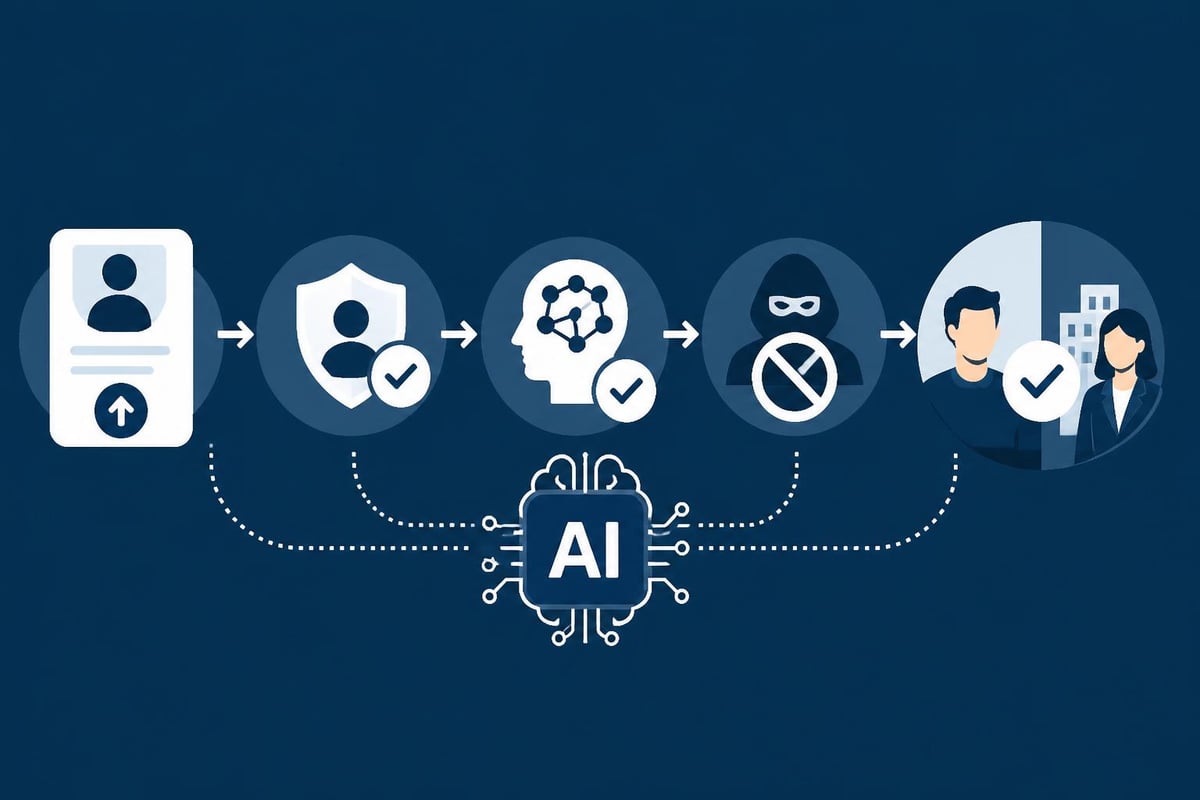
Machine learning models continuously improve their accuracy by learning from successful placements and hiring outcomes. This creates a virtuous cycle where each interaction enhances the system's ability to identify ideal candidates for specific roles.
Verification and Fraud Detection in AI Staffing
One of the most significant challenges in modern recruitment involves verifying candidate credentials and detecting resume fraud. Studies indicate that approximately 78% of resumes contain misleading information, ranging from embellished job titles to fabricated educational credentials.
Artificial intelligence staffing platforms address this challenge through multi-layered verification processes. Advanced algorithms cross-reference candidate information across multiple data sources, flagging inconsistencies and potential red flags for human review.
| Verification Method | Accuracy Rate | Processing Time |
|---|---|---|
| Manual Verification | 65-75% | 3-5 days |
| AI-Assisted Verification | 90-95% | 2-4 hours |
| Hybrid AI-Human Review | 97-99% | 1 day |
The Augmnt ATS exemplifies this approach by combining automated fraud detection with human expertise, ensuring that only qualified and authentic candidates reach employer consideration. This dual-layer validation significantly reduces hiring risks while accelerating the recruitment timeline.
Skills Assessment and Validation
Beyond credential verification, artificial intelligence staffing systems evaluate practical competencies through automated skills assessments. These evaluations range from coding challenges for technical positions to scenario-based exercises for strategic roles.
AI-powered assessment tools adapt to candidate responses in real-time, adjusting difficulty levels and question types based on performance. This dynamic approach provides more accurate skill evaluations than static tests while creating a better candidate experience.
Modern skills validation includes:
- Technical proficiency testing through live coding environments
- Problem-solving assessments using realistic business scenarios
- Communication skills evaluation via natural language analysis
- Cultural fit prediction based on behavioral assessments
The Role of Human Insight in AI Staffing
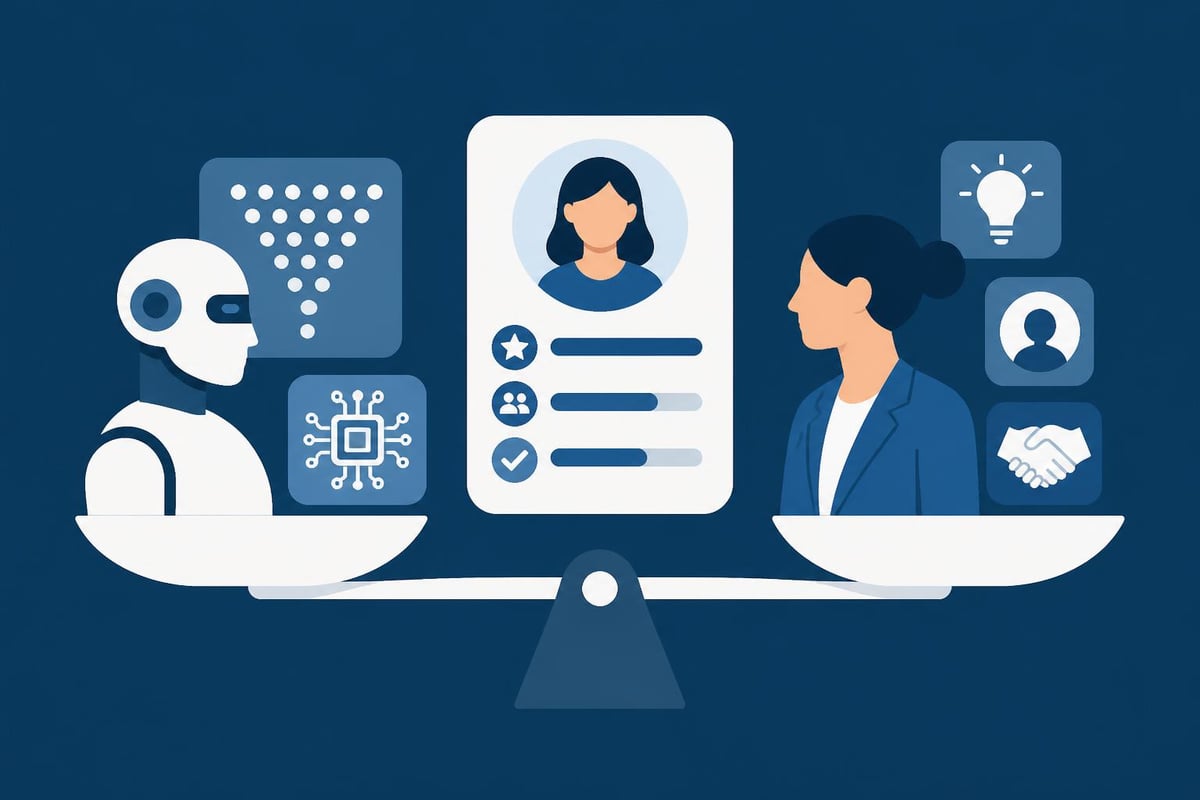
Despite technological advances, the most effective artificial intelligence staffing solutions incorporate human-centered AI design principles that recognize the irreplaceable value of human judgment. Successful platforms balance automation with expert oversight, creating hybrid systems that leverage the strengths of both approaches.
Human recruiters provide contextual understanding that algorithms cannot replicate. They interpret nuanced communication styles, assess soft skills through conversation, and evaluate cultural alignment with organizational values. When combined with AI's analytical power, this creates a comprehensive evaluation framework.
Research on explainable AI emphasizes the importance of transparency in automated decision-making. Candidates and employers both benefit from understanding how AI systems reach their conclusions, building trust in the recruitment process.
Building Effective AI Staffing Strategies
Organizations implementing artificial intelligence staffing must develop comprehensive strategies that align with their specific hiring needs and company culture. This involves more than simply adopting new software-it requires reimagining entire recruitment workflows.
Defining Requirements and Success Metrics
The foundation of successful AI staffing begins with clearly articulated position requirements and measurable success criteria. AI systems perform optimally when fed precise parameters about desired qualifications, experience levels, and competency requirements.
Essential elements for AI staffing success:
- Detailed job descriptions with specific skill requirements
- Clear definitions of must-have versus nice-to-have qualifications
- Established benchmarks for candidate quality and fit
- Defined timelines for hiring milestones
Organizations should establish baseline metrics before implementing artificial intelligence staffing solutions, enabling accurate measurement of improvement. Common metrics include time-to-hire, cost-per-hire, candidate quality scores, and new hire retention rates.
Integration with Existing Systems
Effective artificial intelligence staffing requires seamless integration with existing HR technology infrastructure. This includes applicant tracking systems, HRIS platforms, and communication tools that support the recruitment process.
Modern AI staffing platforms offer robust integration capabilities that connect with popular HR systems, ensuring data flows smoothly between applications. This connectivity eliminates manual data entry and reduces the risk of information silos that can derail recruitment efforts.
| Integration Type | Business Impact | Implementation Complexity |
|---|---|---|
| ATS Integration | High | Low-Medium |
| HRIS Connection | Medium-High | Medium |
| Communication Tools | Medium | Low |
| Analytics Platforms | High | Medium-High |
Specialized AI Talent Acquisition
The demand for AI professionals has created unique challenges in staffing specialized technical roles. Organizations need candidates with expertise in machine learning, natural language processing, computer vision, and other emerging AI disciplines-skills that remain in short supply relative to market demand.
Artificial intelligence staffing platforms designed specifically for AI talent acquisition understand these specialized requirements. They employ sophisticated matching algorithms that evaluate technical proficiencies at granular levels, distinguishing between candidates with surface-level knowledge and those with deep expertise.
Evaluating AI Professional Competencies
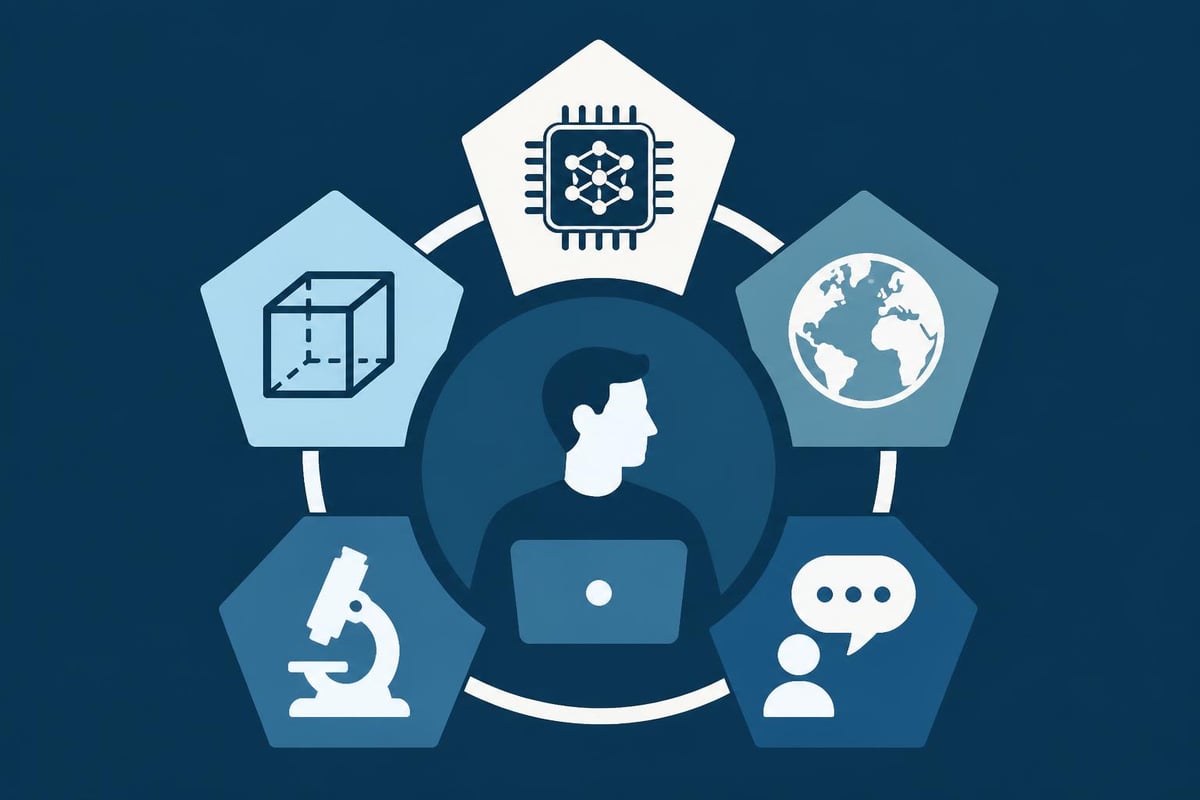
Assessing AI talent requires evaluation frameworks that test both theoretical knowledge and practical application abilities. Effective artificial intelligence staffing solutions incorporate multi-dimensional assessment approaches that examine candidates across various competency areas.
Critical competency categories for AI professionals:
- Technical Skills: Programming languages (Python, R, Julia), frameworks (TensorFlow, PyTorch), and cloud platforms
- Mathematical Foundation: Statistics, linear algebra, calculus, and probability theory
- Domain Knowledge: Understanding of specific AI applications relevant to the business need
- Research Capabilities: Ability to stay current with rapidly evolving AI developments
- Communication Skills: Translating complex technical concepts for non-technical stakeholders
Advanced platforms utilize innovative approaches like StaffPro that combine automated profiling with intelligent matching, creating comprehensive candidate profiles that go beyond traditional resume parsing.
Overcoming Common AI Staffing Challenges
While artificial intelligence staffing offers tremendous benefits, organizations must navigate several common challenges to maximize their investment in these technologies. Understanding these obstacles enables proactive problem-solving and smoother implementation.
Data Quality and Quantity
AI systems require substantial amounts of high-quality data to generate accurate predictions and recommendations. Organizations with limited hiring histories or those recruiting for newly created positions may find AI algorithms less effective initially.
Solutions include leveraging industry benchmarking data, starting with pilot programs in high-volume roles, and implementing feedback loops that continuously improve algorithm performance. Many AI talent marketplaces address this challenge by aggregating data across multiple organizations, creating robust datasets that benefit all platform users.
Candidate Experience Considerations
Automated recruitment processes risk creating impersonal candidate experiences that damage employer brands. Artificial intelligence staffing implementations must balance efficiency with human touchpoints that maintain engagement and build relationships.
Best practices include transparent communication about AI's role in the process, providing personalized feedback regardless of outcome, and ensuring timely human interaction at critical decision points. Organizations that excel at AI staffing view technology as an enabler of better human interactions, not a replacement for them.
Cost-Benefit Analysis of AI Staffing Solutions
Organizations evaluating artificial intelligence staffing investments must conduct thorough cost-benefit analyses that account for both direct and indirect impacts. While upfront costs may seem substantial, the long-term value often exceeds initial expectations.
Direct cost reductions:
- Decreased recruiter hours spent on manual resume screening
- Lower advertising costs through improved targeting
- Reduced reliance on external recruitment agencies
- Minimized costs associated with bad hires
Indirect value creation:
- Faster time-to-productivity for new hires
- Improved team performance through better candidate matching
- Enhanced employer brand through superior candidate experiences
- Competitive advantages in talent acquisition for critical roles
Many organizations find that artificial intelligence staffing solutions pay for themselves within the first year of implementation, with benefits compounding over time as algorithms improve and processes mature. Transparent pricing models help organizations accurately forecast ROI and plan budgets accordingly.
Future Trends in AI Staffing
The artificial intelligence staffing landscape continues evolving rapidly, with several emerging trends poised to reshape recruitment practices over the coming years. Organizations that stay ahead of these developments will maintain competitive advantages in talent acquisition.
Predictive Analytics and Workforce Planning
Next-generation AI staffing platforms will increasingly incorporate predictive analytics that forecast future talent needs based on business growth patterns, market trends, and organizational changes. This proactive approach enables organizations to build talent pipelines before urgent needs arise.
Advanced systems will analyze factors like employee turnover patterns, project pipeline data, and market expansion plans to recommend staffing strategies that align with long-term business objectives. This shift from reactive to proactive recruitment represents a fundamental change in how organizations approach workforce planning.
Enhanced Personalization
Future artificial intelligence staffing solutions will deliver highly personalized experiences for both candidates and employers. Machine learning algorithms will adapt communication styles, assessment formats, and matching criteria based on individual preferences and behaviors.
For candidates, this means receiving opportunities that align precisely with their career aspirations, skill development goals, and work preferences. For employers, enhanced personalization translates to candidate pools that match not just technical requirements but also team dynamics and organizational culture.
Ethical Considerations in AI Staffing
As artificial intelligence staffing becomes more prevalent, organizations must address ethical considerations around fairness, transparency, and accountability. Responsible AI implementation requires ongoing vigilance to ensure systems promote equitable hiring practices.
Bias Detection and Mitigation
AI algorithms can inadvertently perpetuate or amplify existing biases present in training data. Effective artificial intelligence staffing platforms incorporate bias detection mechanisms that identify potentially discriminatory patterns and adjust algorithms accordingly.
Organizations should regularly audit AI staffing outcomes, examining hiring patterns across demographic groups to ensure equitable treatment. Transparency about how algorithms make decisions, combined with human oversight, creates accountability that protects both candidates and employers.
Key ethical principles for AI staffing:
- Regular algorithmic audits to detect and eliminate bias
- Clear documentation of decision-making criteria
- Candidate rights to understand and contest automated decisions
- Human review of all final hiring decisions
- Continuous monitoring of outcome equity across protected groups
Data Privacy and Security
Artificial intelligence staffing involves processing sensitive personal information, creating significant data privacy and security responsibilities. Organizations must implement robust safeguards that protect candidate data while complying with evolving regulations.
Best practices include data minimization (collecting only necessary information), encryption of stored data, clear retention policies, and transparent communication about data usage. Building trust through responsible data handling becomes a competitive differentiator for organizations serious about AI staffing excellence.
The transformation brought by artificial intelligence staffing represents a fundamental shift in how organizations build their teams and compete for talent. By combining automated efficiency with human insight, modern AI recruitment platforms deliver superior hiring outcomes while creating better experiences for all stakeholders. Augmnt addresses these evolving needs by connecting businesses with verified AI professionals through a platform that prioritizes both technological sophistication and human expertise, ensuring your organization finds the right talent faster and more reliably than traditional approaches allow.