Artificial Intelligence in Recruitment: 2026 Guide
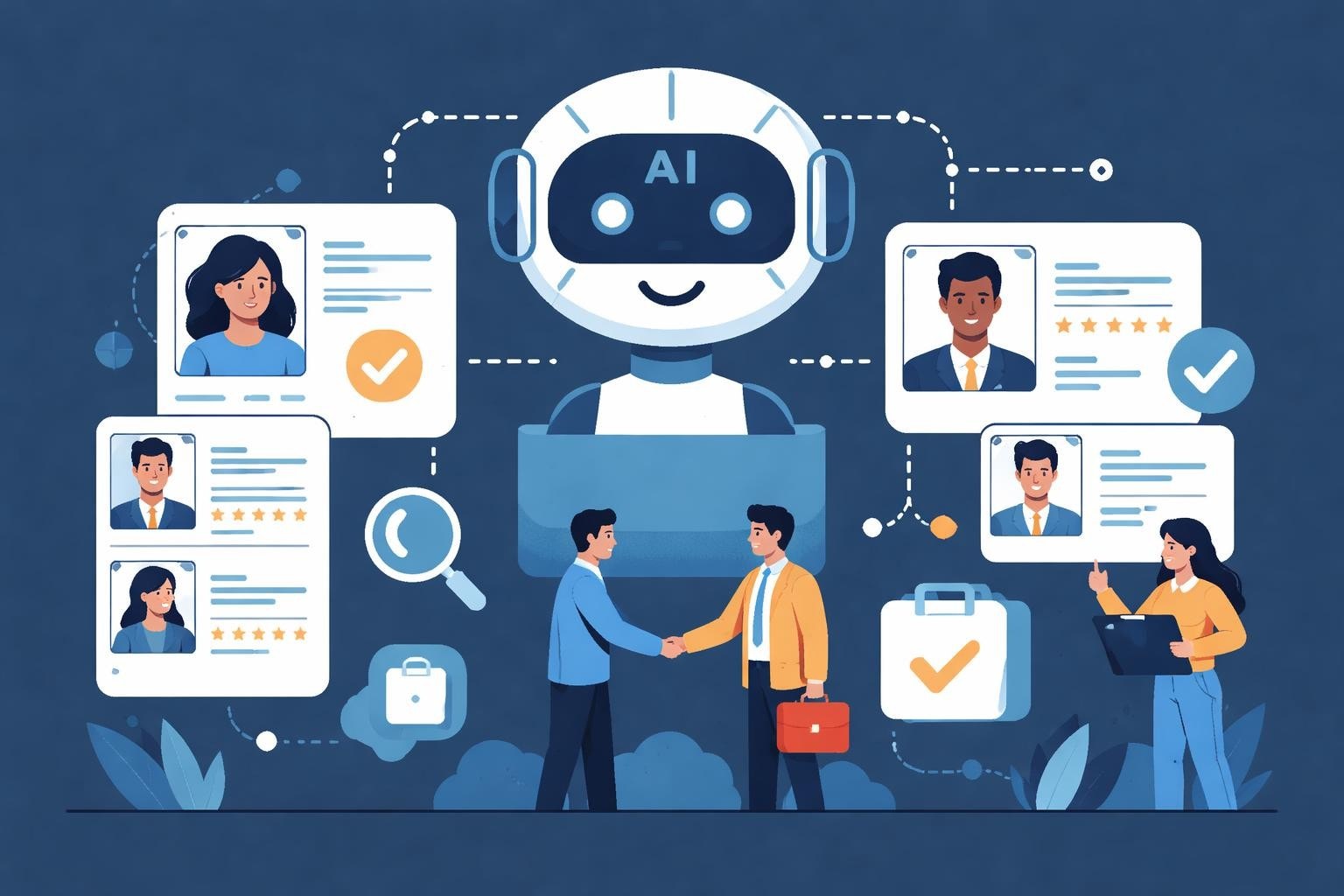
The recruitment landscape has transformed dramatically over the past few years, with artificial intelligence in recruitment emerging as a critical component of modern hiring strategies. Organizations across industries are adopting AI-powered tools to streamline workflows, reduce time-to-hire, and improve candidate quality. As we navigate through 2026, the integration of intelligent systems into talent acquisition has moved beyond experimental phases into essential infrastructure that defines competitive advantage in the war for talent.
The Evolution of AI-Powered Hiring Systems
Artificial intelligence in hiring has progressed from simple keyword matching to sophisticated systems that understand context, evaluate skills, and predict candidate success. Early applicant tracking systems relied on basic Boolean searches, but today's platforms leverage machine learning algorithms that continuously improve through each hiring cycle.
The transformation reflects broader technological advancement and changing workforce dynamics. Modern AI systems analyze thousands of data points across resumes, portfolios, assessments, and behavioral indicators to create comprehensive candidate profiles. This capability has become particularly valuable as remote work expands talent pools globally and increases the volume of applications organizations must process.
Key Technological Components
Several distinct technologies power artificial intelligence in recruitment systems:
- Natural Language Processing (NLP): Extracts meaning from resumes, cover letters, and job descriptions to match candidates with precision
- Machine Learning Models: Identifies patterns in successful hires to predict candidate performance and cultural fit
- Computer Vision: Analyzes video interviews for communication skills and professional presentation
- Predictive Analytics: Forecasts hiring needs, candidate success probability, and turnover risk
Each component serves specific functions within the hiring workflow, creating an integrated ecosystem that supports recruiters rather than replacing human judgment.
Automating Administrative Tasks and Improving Efficiency
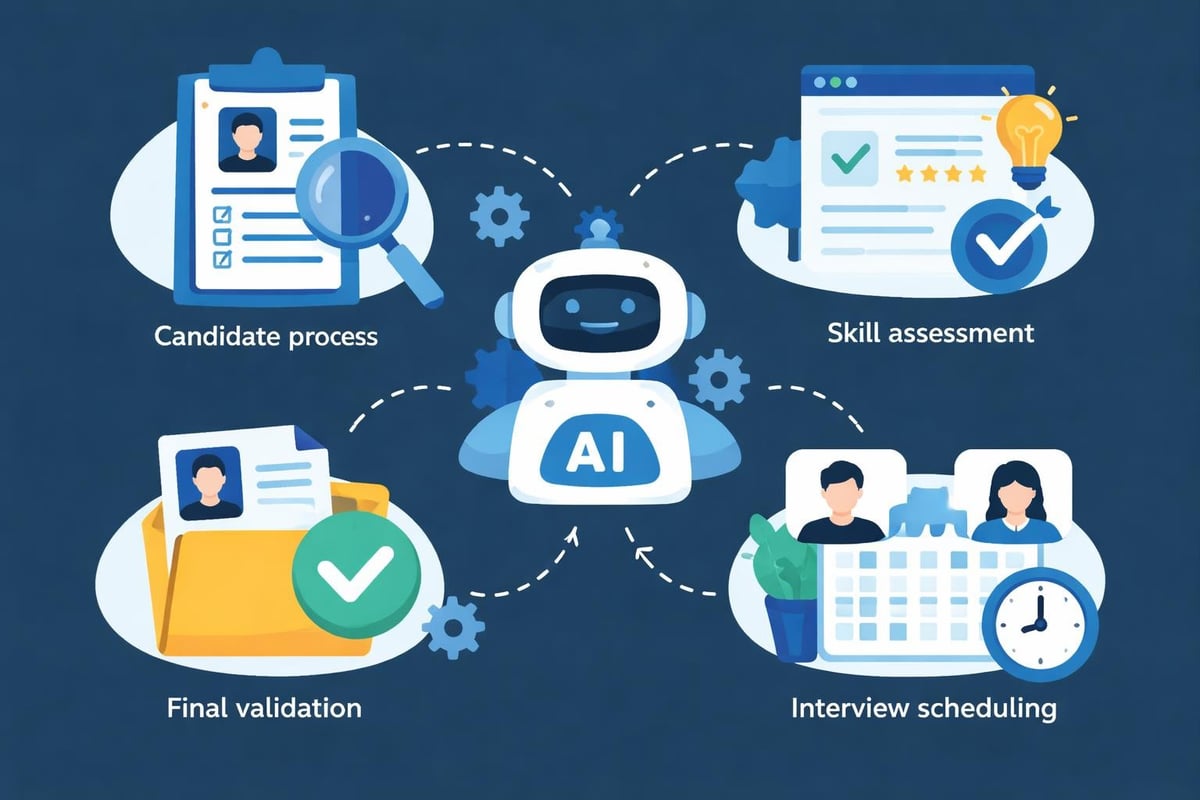
One of the most immediate benefits of artificial intelligence in recruitment involves eliminating time-consuming administrative work. Recruiters traditionally spend 60-70% of their time on tasks like resume screening, interview scheduling, and candidate communication. AI systems now handle these activities autonomously, allowing talent acquisition professionals to focus on relationship building and strategic decision-making.
Resume screening exemplifies this efficiency gain. AI-powered systems can evaluate hundreds of applications in minutes, identifying qualified candidates based on skills, experience, and other relevant criteria. Research on AI adoption's impact on skill requirements reveals how organizations are becoming more precise in defining needed competencies as AI tools enable better specification of both current and future skill needs.
Interview scheduling, another tedious process, benefits significantly from automation. AI assistants coordinate calendars across multiple stakeholders, send reminders, and even reschedule when conflicts arise. This seemingly simple automation saves recruiters an average of 10-15 hours weekly on coordination alone.
Communication Enhancement
| Function | Traditional Approach | AI-Enhanced Approach |
|---|---|---|
| Candidate Updates | Manual emails sent sporadically | Automated, personalized messages at each stage |
| FAQ Responses | Recruiter responds individually | Chatbot provides instant, consistent answers |
| Interview Prep | Generic instructions sent via email | Customized preparation materials based on role |
| Rejection Notices | Template emails or no response | Personalized feedback with development suggestions |
These improvements create better candidate experiences while reducing recruiter workload, addressing two critical pain points simultaneously.
Enhancing Candidate Quality Through Skill Verification
Beyond efficiency, artificial intelligence in recruitment fundamentally improves hiring outcomes by validating candidate capabilities more rigorously than traditional methods allow. Skills-based hiring has gained momentum as formal education requirements decline in AI and green jobs, making objective skill assessment increasingly critical.
Modern verification systems combine multiple assessment methods. Technical skills are evaluated through automated coding challenges, while soft skills are measured using behavioral analysis during video interviews. AI systems can detect inconsistencies between claimed experience and demonstrated knowledge, flagging potential credential fraud before it reaches human reviewers.
For specialized roles requiring AI expertise, research demonstrates that possessing AI skills significantly increases interview invitation rates across various occupations. This finding underscores the importance of accurate skill identification in matching candidates with opportunities.
Fraud Detection Capabilities
Resume fraud remains a persistent challenge in recruitment, with studies suggesting 30-40% of applications contain some form of exaggeration or fabrication. Artificial intelligence in recruitment addresses this through:
- Cross-referencing verification: Comparing claimed credentials against educational databases and professional registries
- Timeline analysis: Identifying impossible employment overlaps or suspicious gaps
- Writing pattern analysis: Detecting plagiarized content or professionally written resumes that don't match candidate communication samples
- Reference validation: Automating reference checks and flagging inconsistent responses
Platforms like Augmnt ATS incorporate comprehensive fraud detection and skill verification into their matching systems, ensuring that businesses connect only with authenticated, qualified professionals. This validation layer provides confidence that shortlisted candidates genuinely possess the capabilities they claim.
Reducing Bias While Maintaining Human Oversight
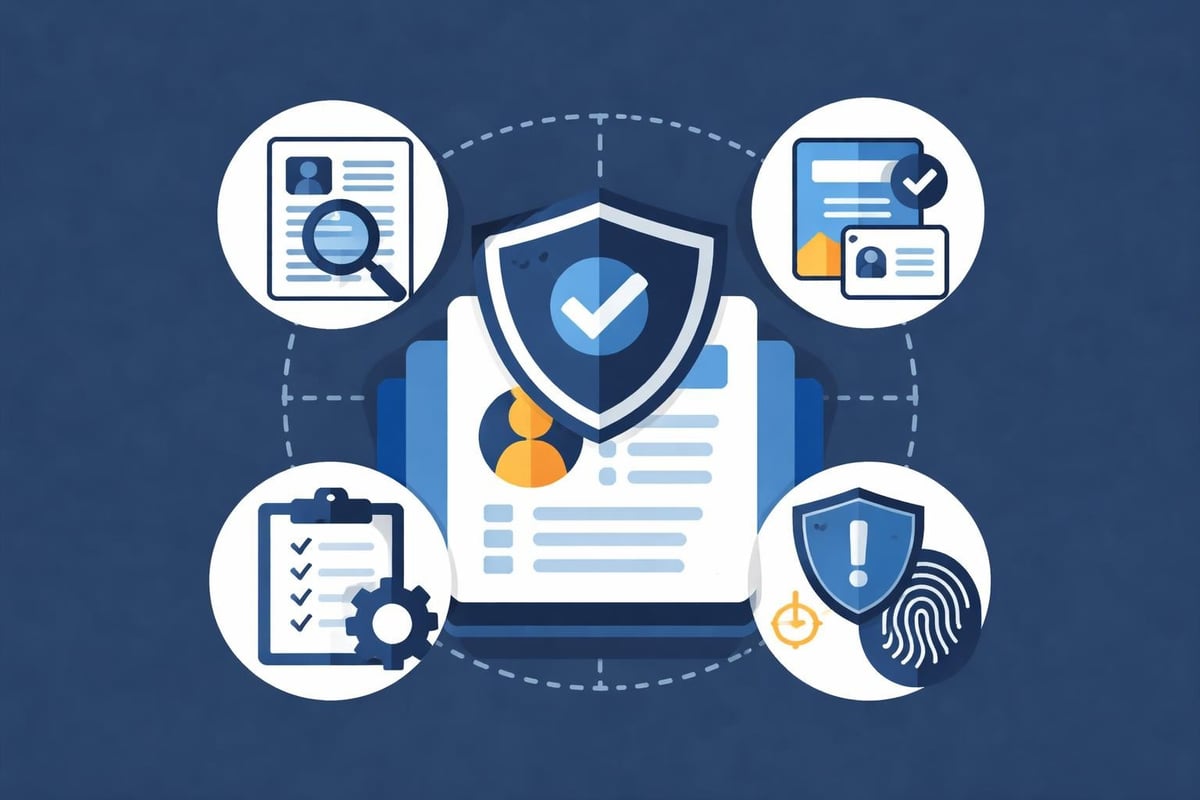
One frequently cited advantage of artificial intelligence in recruitment involves its potential to minimize unconscious bias in hiring decisions. Traditional screening processes are susceptible to bias based on names, educational institutions, employment gaps, or demographic indicators. Well-designed AI systems can be programmed to ignore these factors and focus exclusively on job-relevant qualifications.
However, integrating AI into hiring processes requires careful implementation to ensure the technology doesn't perpetuate existing biases present in training data. When AI models learn from historical hiring decisions that reflect human bias, they can amplify rather than reduce discrimination.
Best Practices for Bias Mitigation
Organizations implementing AI recruitment tools should follow established protocols:
- Regularly audit AI decisions for disparate impact across demographic groups
- Use diverse training datasets that represent the full candidate population
- Implement "explainable AI" that reveals decision-making factors for human review
- Maintain human involvement in final hiring decisions
- Continuously monitor outcomes and adjust algorithms based on performance data
The most effective approach combines AI efficiency with human judgment, creating a collaborative system where technology handles data processing while people make nuanced decisions about cultural fit and potential.
Transforming Sourcing and Candidate Matching
Artificial intelligence in recruitment has revolutionized how organizations identify and engage potential candidates. Rather than waiting for applications, AI-powered sourcing tools proactively search professional networks, portfolio sites, and other platforms to identify individuals whose skills match open positions, even when those people aren't actively job hunting.
LinkedIn's analysis of AI in recruitment highlights how these systems improve candidate matching by analyzing behavioral signals beyond static resume data. AI algorithms consider factors like content engagement, professional network composition, and skill endorsements to predict candidate interest and suitability.
Matching algorithms have become increasingly sophisticated in understanding role requirements. Rather than simple keyword matching, modern systems comprehend context and relationships between skills. For instance, they recognize that experience with specific programming languages indicates broader capabilities applicable to related technologies.
Passive Candidate Engagement
| Traditional Sourcing | AI-Enhanced Sourcing |
|---|---|
| Manual search through job boards | Automated scanning of multiple platforms simultaneously |
| Generic outreach messages | Personalized messages referencing specific skills and achievements |
| Limited candidate pool | Access to passive candidates not actively searching |
| Time-intensive research per candidate | Instant comprehensive profiles with validated information |
This capability expands talent pools dramatically, particularly valuable when hiring for specialized roles where qualified candidates are scarce.
Improving Healthcare and Critical Sector Recruitment
Certain industries face unique recruitment challenges where artificial intelligence in recruitment provides particularly significant value. Healthcare exemplifies this dynamic, with Cleveland Clinic's analysis demonstrating how AI addresses critical staffing shortages by automating administrative tasks and improving efficiency in identifying qualified medical professionals.
Healthcare recruitment demands rigorous credential verification, license validation, and specialized skill confirmation. AI systems streamline these requirements by automatically checking credentials against regulatory databases and identifying candidates with specific certifications or experience with particular equipment or procedures.
Similar benefits apply across other specialized sectors requiring verified expertise:
- Technology: Validating specific programming languages, frameworks, and technical certifications
- Finance: Confirming regulatory credentials, compliance training, and specialized financial knowledge
- Education: Verifying teaching credentials, subject matter expertise, and continuing education requirements
- Engineering: Confirming professional licenses, safety certifications, and project-specific experience
Each sector benefits from AI's ability to process complex qualification requirements quickly and accurately.
Measuring ROI and Implementation Success
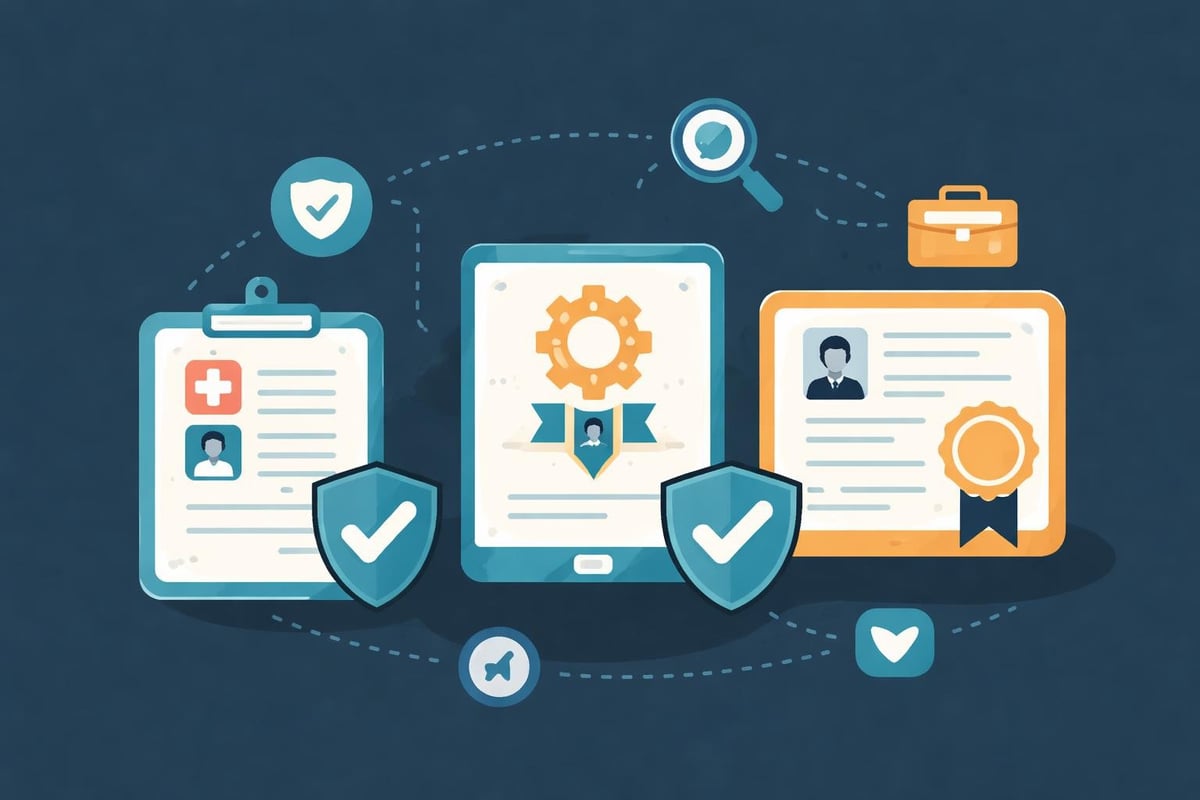
Organizations investing in artificial intelligence in recruitment need clear metrics to evaluate performance and justify continued investment. Reed Talent Solutions' research demonstrates that AI transforms talent acquisition by reducing costs and improving candidate experiences, but measuring these benefits requires structured approaches.
Key Performance Indicators
Successful implementations track multiple dimensions of recruitment performance:
- Time-to-hire reduction: Measuring days from requisition opening to offer acceptance
- Cost-per-hire decrease: Calculating total recruitment expenses divided by number of hires
- Quality-of-hire improvement: Assessing new employee performance, retention, and manager satisfaction
- Candidate experience scores: Tracking applicant satisfaction through surveys and feedback
- Diversity metrics: Monitoring demographic representation in applicant pools and hires
Organizations typically observe 30-50% reductions in time-to-hire within the first year of implementing comprehensive AI recruitment systems. Cost savings range from 20-40% depending on previous process efficiency and role types being filled.
Quality-of-hire improvements take longer to materialize but provide the most significant long-term value. Better candidate matching and skill verification lead to employees who perform better, stay longer, and require less onboarding time.
Integration Challenges and Strategic Considerations
Despite clear benefits, implementing artificial intelligence in recruitment presents challenges that organizations must address strategically. Technology integration with existing applicant tracking systems, data privacy compliance, and change management all require careful planning.
Data quality represents a foundational concern. AI systems perform only as well as the data they process, making clean, structured candidate information essential. Organizations with inconsistent data formats, incomplete records, or outdated information must invest in data hygiene before AI implementation can succeed.
Privacy and compliance considerations have intensified with regulations like GDPR and emerging AI-specific legislation. Recruitment AI must handle personal data responsibly, provide transparency about decision-making processes, and maintain compliance with employment law across jurisdictions.
Implementation Roadmap
Successful adoption typically follows a phased approach:
- Phase 1 (Months 1-3): Audit current processes, define objectives, select technology partners
- Phase 2 (Months 4-6): Pilot implementation on specific roles or departments, gather feedback
- Phase 3 (Months 7-9): Expand to additional functions, optimize based on pilot learnings
- Phase 4 (Months 10-12): Full deployment, establish ongoing monitoring and improvement processes
This gradual rollout allows organizations to learn, adjust, and build stakeholder confidence before committing to enterprise-wide implementation.
Future Developments and Emerging Trends
The trajectory of artificial intelligence in recruitment points toward increasingly sophisticated capabilities that further blur the line between human and machine intelligence. Natural language processing advances will enable AI to conduct preliminary screening interviews conversationally, assessing not just responses but communication style and cultural indicators.
Predictive analytics will move beyond candidate assessment to workforce planning, forecasting skills gaps months or years in advance and proactively building talent pipelines. Organizations will shift from reactive hiring to strategic talent acquisition driven by AI insights about market trends and internal needs.
Integration with other HR systems will deepen, creating unified platforms where recruitment AI shares insights with onboarding, performance management, and learning systems. This holistic approach will support employees throughout their entire lifecycle, beginning with intelligent matching during recruitment.
For candidates, AI will increasingly function as a career advisor, matching individuals not just with immediate opportunities but with roles aligned to long-term career trajectories. This candidate-centric approach benefits both job seekers and employers by improving long-term fit and satisfaction.
The marketplace model will continue expanding, with specialized platforms connecting verified professionals with organizations seeking specific expertise. These ecosystems combine AI matching with human curation, offering quality assurance that purely automated systems cannot provide. Professionals can apply as candidates on platforms that verify their credentials and connect them with opportunities matching their validated skills.
Artificial intelligence in recruitment has evolved from experimental technology to essential infrastructure that defines competitive advantage in talent acquisition. Organizations that strategically implement AI-powered systems gain significant benefits in efficiency, candidate quality, and hiring outcomes while those that delay adoption risk falling behind in accessing top talent. Augmnt addresses these challenges by combining AI intelligence with human insight to connect businesses with verified AI professionals, ensuring fraud-free candidates and streamlined hiring through comprehensive validation and skill verification.