AI Talent Sourcing for IT Services Firms in 2026
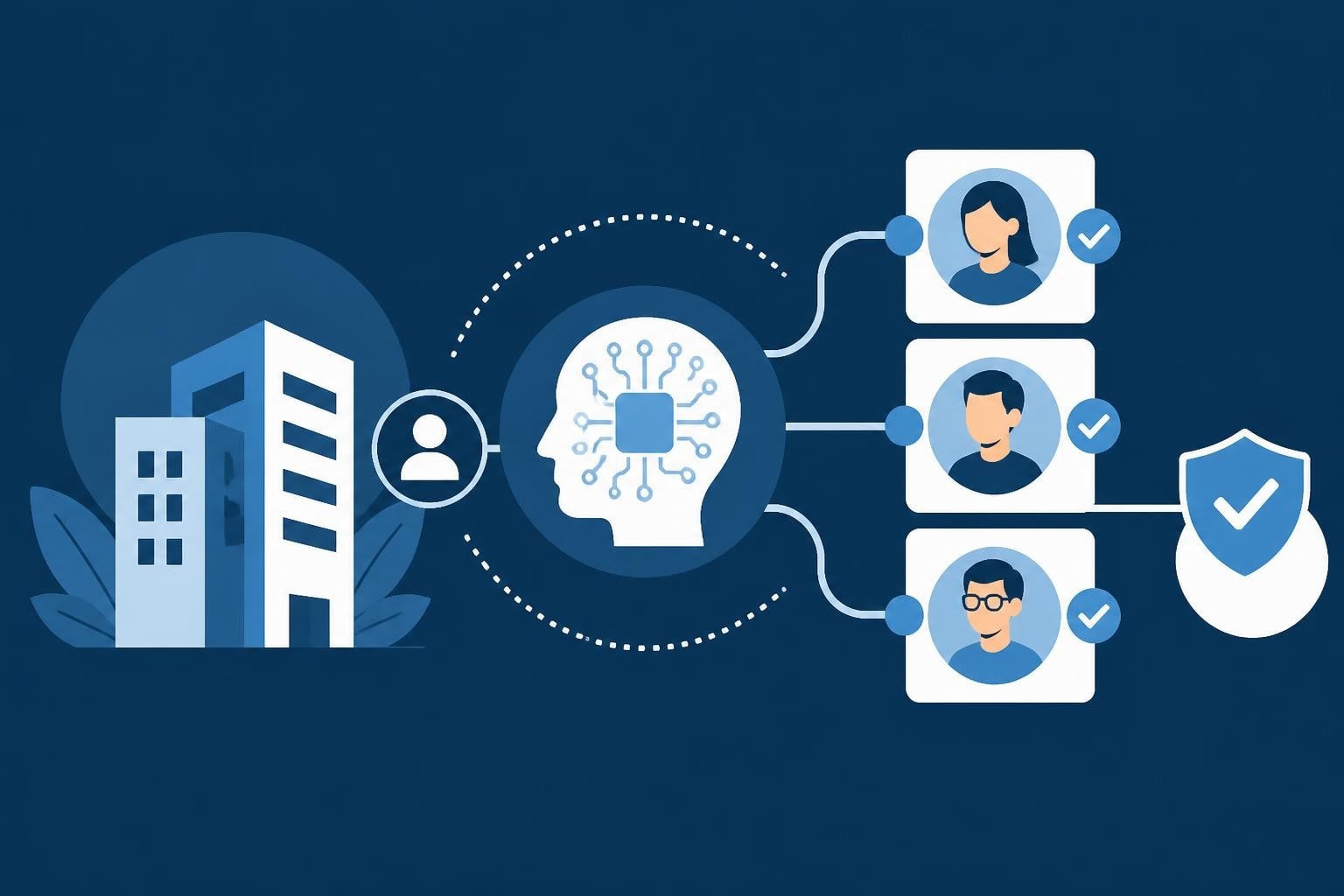
The IT services industry faces unprecedented challenges in talent acquisition as demand for specialized professionals continues to outpace supply. Traditional recruitment methods struggle to identify qualified candidates efficiently, leading to extended hiring cycles and increased costs. AI talent sourcing for IT services firms represents a fundamental shift in how organizations discover, evaluate, and engage with technical professionals. By combining machine learning algorithms with comprehensive candidate validation, modern sourcing platforms deliver verified talent pipelines that traditional methods cannot match.
The Evolution of Technical Recruitment
IT services firms have historically relied on manual sourcing techniques that consume substantial recruiter time while producing inconsistent results. Job boards, LinkedIn searches, and referral networks remain common approaches, yet these methods fail to scale effectively when firms need to fill multiple specialized roles simultaneously.
Why Traditional Sourcing Falls Short
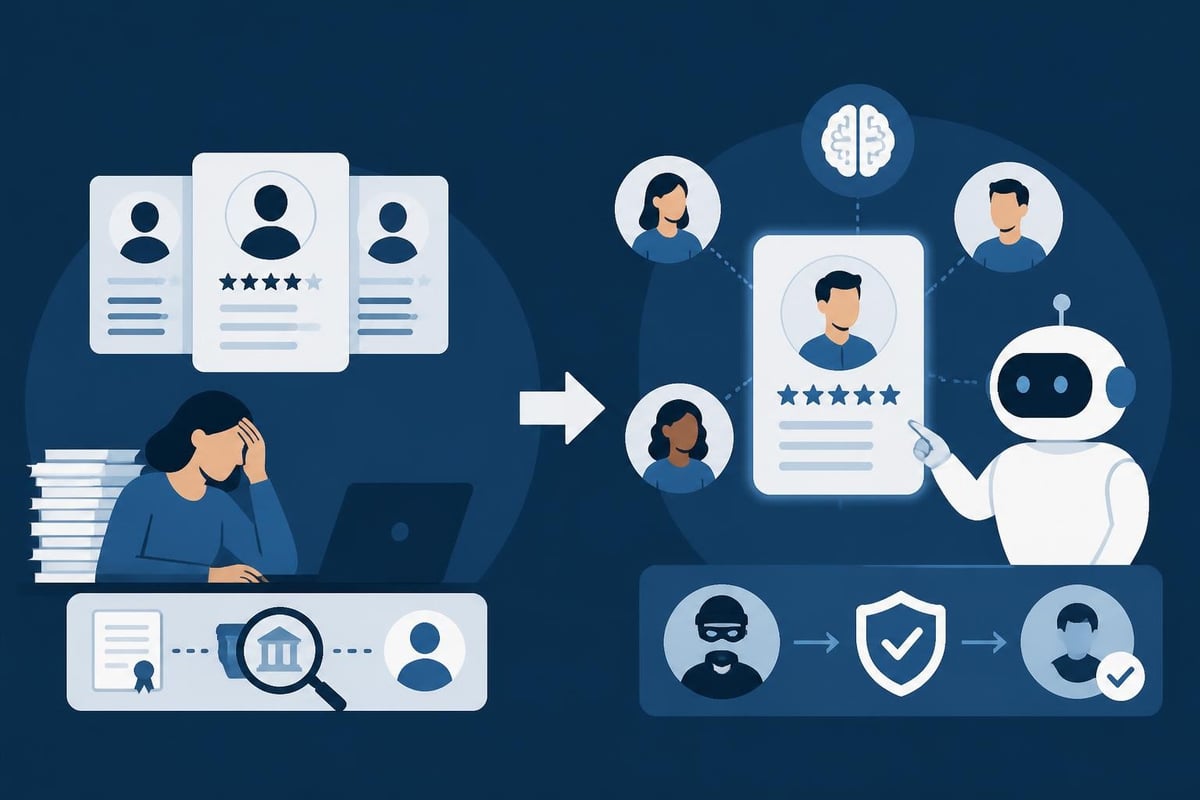
The limitations of conventional recruitment become apparent when examining key performance metrics. Average time-to-hire for technical roles frequently exceeds 45 days, with specialized positions taking even longer. Recruiter productivity suffers as professionals spend hours screening unqualified candidates and verifying credentials manually.
- High false positive rates in initial candidate screening
- Limited reach beyond immediate networks and job board applicants
- Inconsistent evaluation criteria across different recruiters
- Resume fraud that goes undetected until late hiring stages
- Skill mismatches discovered only after extensive interview processes
AI talent sourcing for IT services firms addresses these pain points through intelligent automation and data-driven matching. Rather than replacing human judgment, these systems augment recruiter capabilities by handling repetitive tasks and surfacing the most qualified candidates based on objective criteria.
Core Components of AI-Driven Sourcing Systems
Modern sourcing platforms leverage multiple AI technologies to create comprehensive candidate discovery and validation systems. Natural language processing analyzes resumes and job descriptions to identify skill alignments that keyword matching alone would miss. Machine learning models predict candidate success based on historical hiring data and performance outcomes.
Intelligent Candidate Matching
The matching process begins with semantic understanding of both job requirements and candidate qualifications. Unlike simple keyword searches, AI systems interpret technical skills contextually, recognizing that "React developer" and "front-end engineer with React experience" describe related but distinct capabilities.
| Traditional Matching | AI-Powered Matching |
|---|---|
| Keyword-based search | Semantic understanding |
| Boolean operators | Natural language queries |
| Manual skill verification | Automated credential validation |
| One-dimensional scoring | Multi-factor candidate ranking |
| Static job descriptions | Dynamic requirement interpretation |
Organizations implementing ai talent sourcing for it services firms report significant improvements in candidate quality metrics. Match rates between candidate skills and actual job requirements increase by 40-60% compared to manual screening processes, according to benchmarking research on AI recruitment tools.
Resume Fraud Detection and Verification
Credential fraud poses a substantial risk for IT services firms hiring technical professionals. Candidates may exaggerate experience, falsify certifications, or misrepresent project contributions. AI systems detect these inconsistencies through pattern recognition and cross-reference validation.
Fraud detection algorithms analyze multiple data points simultaneously:
- Temporal consistency in employment history and education timelines
- Skill progression patterns that align with typical career development
- Project descriptions that match claimed technical expertise
- Certification validation against issuing organization databases
- Reference verification through automated outreach and confirmation
These verification layers operate continuously throughout the sourcing process, flagging potential issues before firms invest time in interviewing questionable candidates. The Augmnt ATS platform incorporates comprehensive fraud detection alongside verified matching to ensure only qualified, authentic candidates reach hiring managers.
Implementation Strategies for IT Services Firms
Successful deployment of ai talent sourcing for it services firms requires strategic planning beyond simply adopting new technology. Organizations must align their existing recruitment workflows with AI capabilities while maintaining the human insight that evaluates cultural fit and soft skills.
Defining Success Metrics
Before implementation, firms should establish clear key performance indicators that measure sourcing effectiveness. These metrics provide baseline data for comparison and help teams optimize AI system performance over time.
Primary Metrics:
- Time-to-fill reduction percentage
- Cost-per-hire decrease
- Candidate quality scores from hiring managers
- Offer acceptance rates
- First-year retention for AI-sourced hires
Secondary Metrics:
- Recruiter productivity gains
- Candidate pipeline diversity improvements
- Interview-to-offer conversion rates
- Hiring manager satisfaction ratings
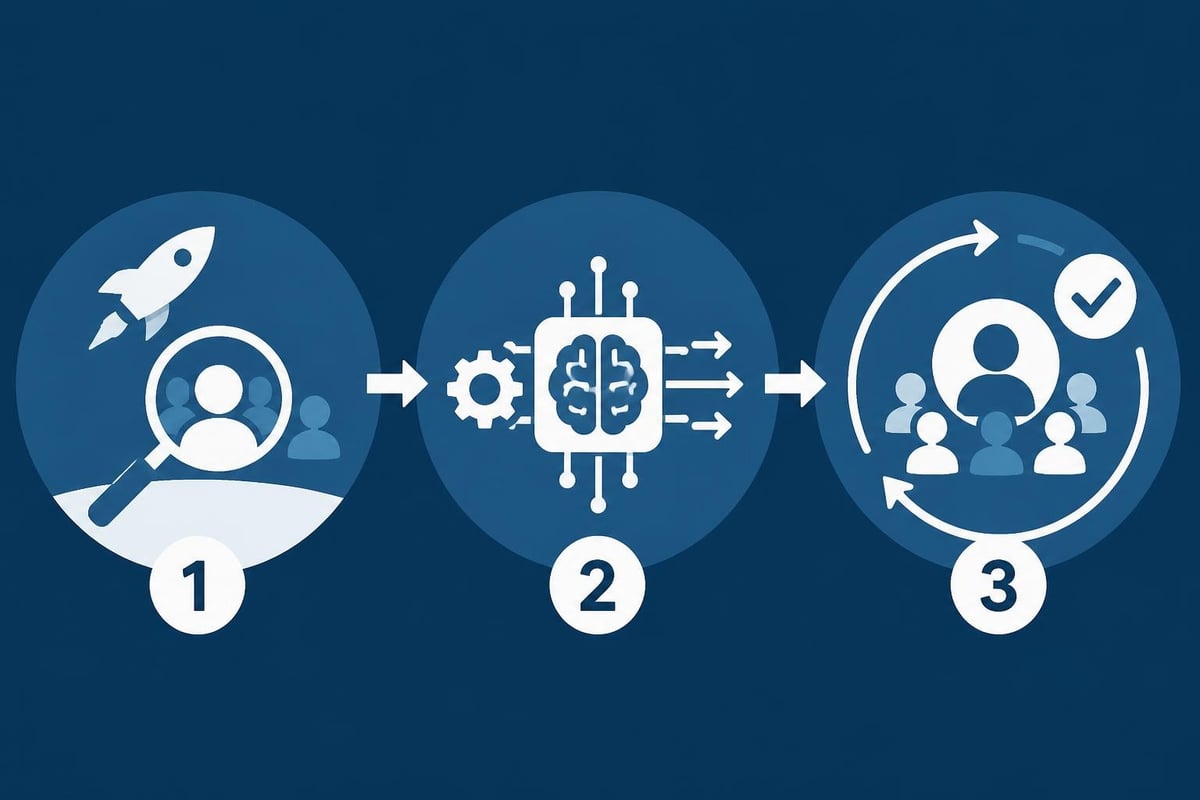
The integration process typically unfolds across three phases. Initial pilot programs focus on high-volume technical roles where AI can demonstrate immediate impact. Expansion phases gradually incorporate more specialized positions and refine matching algorithms based on hiring outcomes. Full deployment extends AI sourcing across all technical recruitment while maintaining human oversight for strategic decisions.
Overcoming Adoption Challenges
Despite clear benefits, many IT services firms hesitate to embrace AI-driven sourcing due to legitimate concerns about technology limitations and workforce impact. AI's disruption of IT hiring requires preparation and change management to succeed.
Addressing Recruiter Concerns
Recruitment professionals often worry that AI systems will replace their roles or undervalue their expertise. Effective change management emphasizes how ai talent sourcing for it services firms enhances rather than eliminates human capabilities.
Recruiters shift their focus from repetitive screening tasks to high-value activities:
- Building relationships with passive candidates
- Conducting in-depth technical assessments
- Evaluating cultural fit and team dynamics
- Negotiating offers and managing candidate experience
- Providing strategic workforce planning guidance
Training programs should familiarize recruitment teams with AI system capabilities and limitations. Understanding how algorithms generate candidate recommendations enables recruiters to interpret results effectively and override suggestions when context demands different approaches.
Ensuring Algorithmic Transparency
Organizations must address valid concerns about AI bias and decision-making opacity. Standardized documentation approaches increase transparency in AI-driven recruitment tools, helping stakeholders understand how systems reach specific conclusions.
Transparent AI sourcing platforms provide:
- Explanation of matching scores and ranking factors
- Visibility into data sources and verification methods
- Audit trails documenting candidate evaluation processes
- Bias testing results and mitigation strategies
- Human override capabilities for algorithmic decisions
Advanced Capabilities Transforming Talent Acquisition
Leading AI sourcing platforms extend beyond basic matching to offer capabilities that fundamentally reshape how IT services firms build talent pipelines. These advanced features leverage emerging technologies and comprehensive data integration.
Predictive Analytics for Workforce Planning
AI systems analyze historical hiring patterns, industry trends, and skill demand forecasts to predict future talent needs. This proactive approach enables firms to build candidate relationships months before urgent hiring requirements emerge.
| Capability | Traditional Approach | AI-Enhanced Approach |
|---|---|---|
| Demand forecasting | Annual planning cycles | Continuous predictive modeling |
| Pipeline development | Reactive sourcing | Proactive candidate engagement |
| Skill gap analysis | Manual assessment | Automated workforce analytics |
| Market intelligence | Periodic reports | Real-time trend monitoring |
Workforce planning tools help IT services firms anticipate demand for emerging technologies before competitors saturate candidate pools. Firms building AI and machine learning practices benefit particularly from predictive sourcing that identifies professionals with adjacent skills suitable for upskilling.
Passive Candidate Engagement
The most qualified technical professionals rarely search job boards actively. AI talent sourcing for IT services firms excels at identifying passive candidates through comprehensive data aggregation across professional networks, open-source contributions, technical publications, and industry forums.
Engagement algorithms determine optimal outreach timing and messaging based on candidate behavior patterns. Systems track professional milestone triggers like project completions, certification achievements, or company announcements that signal potential openness to new opportunities.
Personalization engines craft individualized outreach messages that reference specific candidate accomplishments and explain why particular opportunities align with their career trajectories. This targeted approach generates response rates 3-4 times higher than generic recruitment emails.

Integration with Existing Recruitment Technology
AI sourcing platforms deliver maximum value when integrated seamlessly with existing recruitment infrastructure. Most IT services firms operate applicant tracking systems, HRIS platforms, and various candidate assessment tools that must exchange data with AI sourcing solutions.
API Connectivity and Data Synchronization
Modern AI platforms provide robust APIs enabling bidirectional data flow with ATS integrations and other recruitment systems. Candidate profiles, interview notes, hiring outcomes, and feedback flow automatically between platforms without manual data entry.
Integration priorities include:
- Real-time candidate status updates across all systems
- Automated requisition creation from workforce planning forecasts
- Interview scheduling coordination between AI recommendations and calendar systems
- Offer management workflows triggered by candidate selection
- Onboarding data transfer for accepted candidates
Successful integrations eliminate duplicate data entry while maintaining single sources of truth for candidate information. Recruitment teams access comprehensive candidate views regardless of which platform they're using at any given moment.
Chrome Extension Tools for Recruiter Productivity
Browser-based tools extend AI sourcing capabilities directly into recruiters' daily workflows. Chrome extension solutions enable talent professionals to activate AI analysis while browsing LinkedIn profiles, GitHub repositories, or professional portfolios.
These lightweight tools provide instant candidate evaluation without requiring recruiters to switch between multiple applications. Skill verification, fraud detection alerts, and matching scores appear contextually as recruiters research candidates through their normal browsing activities.
Building Competitive Advantage Through AI Sourcing
IT services firms that master ai talent sourcing for it services firms gain sustainable competitive advantages in talent markets. Superior sourcing capabilities enable faster project staffing, higher-quality team composition, and improved client satisfaction through consistent delivery excellence.
Speed-to-Market Benefits
Accelerated hiring cycles translate directly to business impact for project-based IT services firms. Organizations winning contracts often must staff teams within weeks rather than months. AI sourcing platforms reduce time-to-hire by 40-50% compared to traditional methods, enabling firms to commit to aggressive project timelines confidently.
Quick candidate identification proves particularly valuable when pursuing opportunities requiring specialized expertise. Rather than spending weeks building candidate pipelines for niche skills, AI systems surface qualified professionals within days through comprehensive market scanning.
Quality and Retention Improvements
Better candidate matching produces measurable improvements in hire quality and retention rates. When AI systems properly align candidate skills, experience levels, and project requirements, new hires integrate smoothly and contribute productively from day one.
First-year retention rates for AI-sourced candidates typically exceed traditionally recruited hires by 15-20%. This improvement stems from more accurate skill matching and better alignment between candidate career goals and available opportunities. Reduced early turnover saves substantial replacement costs while maintaining project continuity for clients.
Regulatory Compliance and Ethical Considerations
As AI talent sourcing for IT services firms becomes widespread, organizations must navigate evolving regulatory frameworks and ethical guidelines governing algorithmic decision-making in employment contexts. Proactive compliance strategies protect firms from legal risks while ensuring fair, equitable candidate treatment.
EEOC Guidelines and Bias Mitigation
Equal Employment Opportunity Commission guidance on AI hiring tools requires organizations to monitor systems for adverse impact on protected groups. IT services firms must regularly audit sourcing algorithms to verify they don't systematically disadvantage candidates based on age, gender, ethnicity, or other protected characteristics.
Bias mitigation strategies include:
- Diverse training data sets representing varied candidate backgrounds
- Regular statistical analysis of candidate selection patterns
- Removal of potentially problematic data points from matching algorithms
- Human review of AI recommendations before final decisions
- Transparent documentation of selection criteria and processes
Research on AI talent strategies emphasizes the importance of ongoing monitoring and adjustment to maintain fair, unbiased sourcing practices.
Data Privacy and Candidate Rights
Sourcing platforms aggregate substantial personal information about candidates, creating data privacy obligations under regulations like GDPR, CCPA, and emerging state privacy laws. Firms must implement comprehensive data governance frameworks addressing candidate information collection, storage, and usage.
Candidates increasingly expect transparency about how AI systems evaluate their qualifications and what data informs these assessments. Leading platforms provide candidates access to their sourcing profiles, explanations of matching scores, and mechanisms for correcting inaccurate information.
Measuring ROI and Business Impact
Finance executives and business leaders require concrete evidence that AI sourcing investments deliver measurable returns. Comprehensive ROI analysis considers both direct cost savings and indirect business benefits flowing from improved talent acquisition capabilities.
Direct Cost Reduction Metrics
Quantifiable savings emerge from multiple sources when IT services firms implement AI talent sourcing:
| Cost Category | Traditional Process | AI-Enhanced Process | Savings Potential |
|---|---|---|---|
| Recruiter time per hire | 40-60 hours | 15-25 hours | 50-60% reduction |
| Job board spend | $15,000-25,000/year | $8,000-12,000/year | 40-50% reduction |
| Agency fees | 20-25% of salary | 5-10% of salary | 60-75% reduction |
| Background checks | $100-150/candidate | $30-50/candidate | 60-70% reduction |
These direct savings typically generate positive ROI within 6-12 months for firms hiring at least 20 technical professionals annually. Larger organizations with hundreds of technical hires achieve payback periods under six months.
Strategic Business Benefits
Beyond immediate cost savings, ai talent sourcing for it services firms enables strategic capabilities that drive competitive differentiation. Superior talent acquisition supports business development by enabling credible staffing commitments during proposal processes. Clients selecting IT services partners increasingly evaluate firms' demonstrated ability to assemble qualified teams rapidly.
Market expansion opportunities open when firms confidently pursue projects requiring specialized expertise previously considered too difficult to staff. AI sourcing platforms identify niche talent globally, enabling firms to compete for high-value engagements regardless of technical requirements.
Future Developments in AI Talent Sourcing
The trajectory of AI recruitment technology points toward increasingly sophisticated capabilities that further transform talent acquisition for IT services firms. Emerging developments will deepen automation while enhancing personalization and predictive accuracy.
Conversational AI and Candidate Interaction
Next-generation platforms incorporate AI chatbots powered by expert knowledge to handle initial candidate engagement and qualification. These conversational agents conduct preliminary screening interviews, answer candidate questions about roles and companies, and schedule follow-up interactions with human recruiters.
Natural language processing advances enable chatbots to assess technical knowledge through conversational exchanges rather than rigid questionnaires. Candidates experience more engaging interactions while firms gather deeper qualification insights earlier in sourcing processes.
Skill Inference and Capability Prediction
Advanced AI models will increasingly infer unstated capabilities based on candidates' demonstrated expertise and career patterns. Rather than relying solely on explicitly listed skills, systems will predict proficiency with related technologies and methodologies based on experience patterns.
This capability proves particularly valuable when sourcing for emerging technologies where few candidates possess formal credentials. AI systems identify professionals with foundational skills and learning patterns suggesting rapid capability development in new technical domains.
AI talent sourcing represents a fundamental transformation in how IT services firms build competitive advantage through superior talent acquisition. Organizations that embrace intelligent sourcing platforms while maintaining human insight in final hiring decisions will dominate talent markets in 2026 and beyond. Augmnt combines AI-powered matching with comprehensive fraud detection and skill verification to deliver verified talent pipelines that accelerate hiring while ensuring candidate authenticity. Discover how intelligent talent sourcing can transform your recruitment outcomes and support sustainable growth.