AI Recruiters: Transform Your Talent Acquisition in 2026
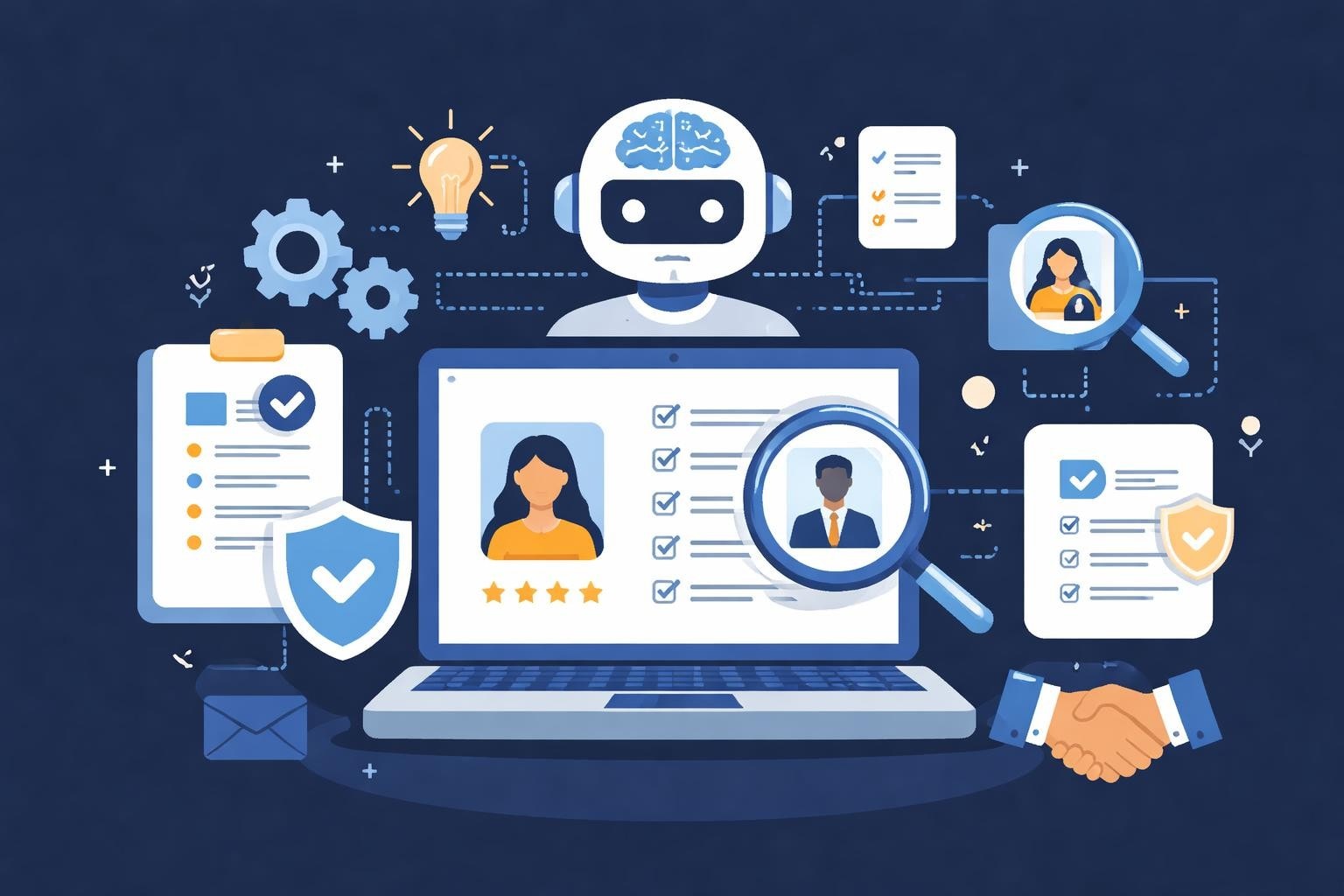
The recruitment landscape has undergone a remarkable transformation over the past few years, with artificial intelligence emerging as a critical tool for talent acquisition teams. AI recruiters-systems that leverage machine learning, natural language processing, and predictive analytics-are reshaping how organizations identify, evaluate, and hire candidates. These sophisticated platforms handle everything from resume screening to interview scheduling, freeing human recruiters to focus on strategic relationship-building and cultural assessment. As businesses face mounting pressure to fill positions quickly while maintaining quality standards, understanding how AI recruiters function and their impact on the hiring process has become essential for competitive organizations.
The Evolution of AI in Recruitment Technology
The journey of AI recruiters began with simple keyword matching systems that scanned resumes for specific terms. Today's platforms represent a quantum leap forward in sophistication and capability. Modern AI recruiters analyze patterns across thousands of successful hires, learning which candidate characteristics correlate with job performance and longevity.
Machine learning algorithms now evaluate factors far beyond what appears on a resume. They assess communication patterns, problem-solving approaches, and technical competencies through various assessment methods. This evolution reflects broader trends in AI recruiting strategies for 2025 and beyond, where technology augments rather than replaces human judgment.
Key technological advancements include:
- Natural language processing for understanding candidate communications
- Predictive analytics for forecasting candidate success
- Automated skill verification systems
- Bias detection and mitigation algorithms
- Real-time candidate engagement platforms
The shift from rules-based systems to learning algorithms marks a fundamental change in recruitment methodology. AI recruiters continuously improve their performance based on outcomes, creating increasingly accurate matching over time.
How AI Recruiters Screen and Evaluate Candidates
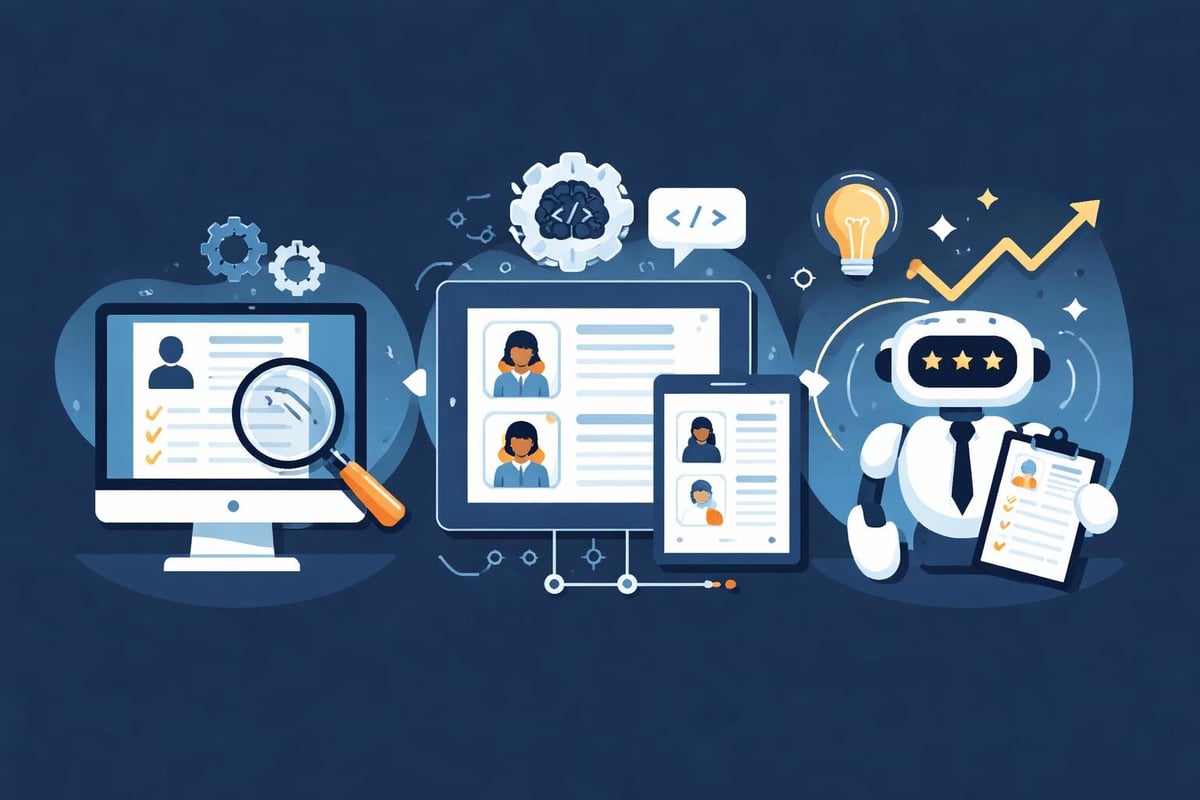
Candidate screening represents one of the most time-intensive aspects of recruitment, with human reviewers spending an average of six seconds per resume. AI recruiters transform this process by instantly analyzing hundreds or thousands of applications against job requirements.
Automated Resume Analysis
These systems parse resumes to extract relevant information including work history, education, skills, and certifications. Unlike simple keyword matching, advanced AI recruiters understand context and synonyms. They recognize that "Python programming" and "Python development" represent the same skill, and they can identify relevant experience even when candidates use different terminology.
The screening process evaluates multiple dimensions simultaneously:
- Technical qualifications matching against specific job requirements
- Career progression patterns indicating growth and stability
- Skills verification through cross-referenced data sources
- Experience relevance based on industry and role similarities
- Education credentials validated against institutional databases
Skill Assessment Integration
Modern AI recruiters go beyond resume review to incorporate active skill testing. They administer coding challenges, scenario-based assessments, and competency evaluations tailored to specific roles. The systems analyze not just final answers but problem-solving approaches and time management.
| Assessment Type | What It Measures | AI Advantage |
|---|---|---|
| Technical Tests | Hard skills proficiency | Instant scoring, pattern recognition |
| Behavioral Analysis | Soft skills, cultural fit | Consistency detection, bias reduction |
| Video Interviews | Communication, presentation | Sentiment analysis, engagement metrics |
| Portfolio Review | Practical experience | Quality evaluation, authenticity verification |
For organizations seeking verified candidates in specialized fields like artificial intelligence and machine learning, platforms like Augmnt ATS combine AI-driven screening with comprehensive fraud detection to ensure only qualified professionals advance through the hiring funnel.
Reducing Bias and Improving Diversity
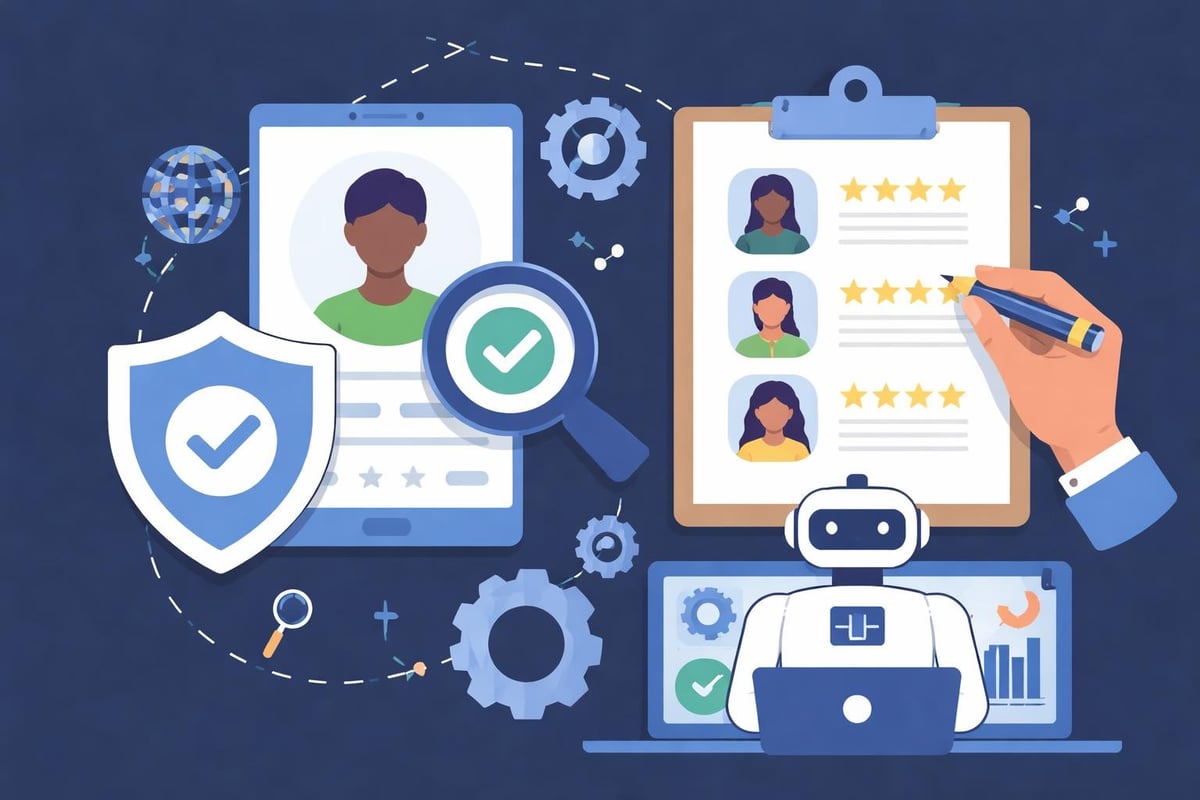
One of the most compelling advantages of AI recruiters lies in their potential to minimize unconscious bias in hiring decisions. Human recruiters, despite best intentions, carry inherent biases related to names, educational institutions, employment gaps, and demographic characteristics. AI systems, when properly designed and monitored, evaluate candidates based purely on relevant qualifications.
Structured Evaluation Frameworks
AI recruiters apply consistent criteria to every candidate, ensuring that the same standards govern all evaluations. This standardization eliminates the variability that occurs when different human reviewers assess candidates or when the same reviewer evaluates applications at different times of day.
Bias mitigation strategies include:
- Anonymizing candidate information during initial screening
- Removing demographic indicators from evaluation criteria
- Standardizing question sets and assessment methods
- Monitoring outcomes for disparate impact
- Regular algorithm auditing and adjustment
However, AI recruiters aren't automatically bias-free. They learn from historical data, which may contain embedded biases from past hiring decisions. Organizations must actively monitor their AI recruitment systems, testing them against diverse candidate pools and adjusting algorithms when patterns suggest discriminatory outcomes.
Expanding Talent Pool Access
Beyond reducing bias, AI recruiters actively expand access to opportunities. They can identify qualified candidates from non-traditional backgrounds who might be overlooked in conventional screening. By focusing on demonstrable skills rather than pedigree, these systems surface talent from diverse educational and professional pathways.
The technology also enables passive candidate engagement at scale. AI recruiters can maintain relationships with professionals who aren't actively job-seeking, nurturing these connections through personalized content and outreach until the timing aligns for both parties.
Efficiency Gains and Cost Reduction
The business case for AI recruiters centers significantly on operational efficiency and cost savings. Recruitment teams using AI-powered platforms report dramatic reductions in time-to-hire and cost-per-hire metrics while simultaneously improving candidate quality.
Time Savings Across the Hiring Funnel
Consider the mathematics: a human recruiter might review 100 resumes in a full workday. An AI recruiter processes that same volume in seconds. For organizations hiring at scale, this time compression translates to weeks or months saved in the recruitment cycle.
| Recruitment Stage | Traditional Time | With AI Recruiters | Time Saved |
|---|---|---|---|
| Resume Screening | 40 hours | 2 hours | 95% |
| Initial Outreach | 20 hours | 1 hour | 95% |
| Interview Scheduling | 15 hours | 3 hours | 80% |
| Candidate Assessment | 30 hours | 5 hours | 83% |
| Total | 105 hours | 11 hours | 89% |
These efficiency gains allow recruitment teams to redirect energy toward high-value activities that require human judgment and relationship skills. Recruiters spend more time on candidate conversations, hiring manager consultations, and employer branding initiatives rather than administrative tasks.
Cost Implications
The financial impact extends beyond labor savings. AI recruiters reduce costs associated with:
- Extended vacancy periods that impact productivity
- Bad hires resulting from inadequate screening
- Agency fees for external recruitment support
- Advertising spend through better targeting
- Onboarding investments wasted on poor fits
Organizations typically see return on investment within the first year of implementation, with benefits compounding as the systems learn and improve. Companies with verified AI professionals in their candidate pools benefit from pre-validated credentials that further accelerate the hiring process.
Integration with Existing HR Systems
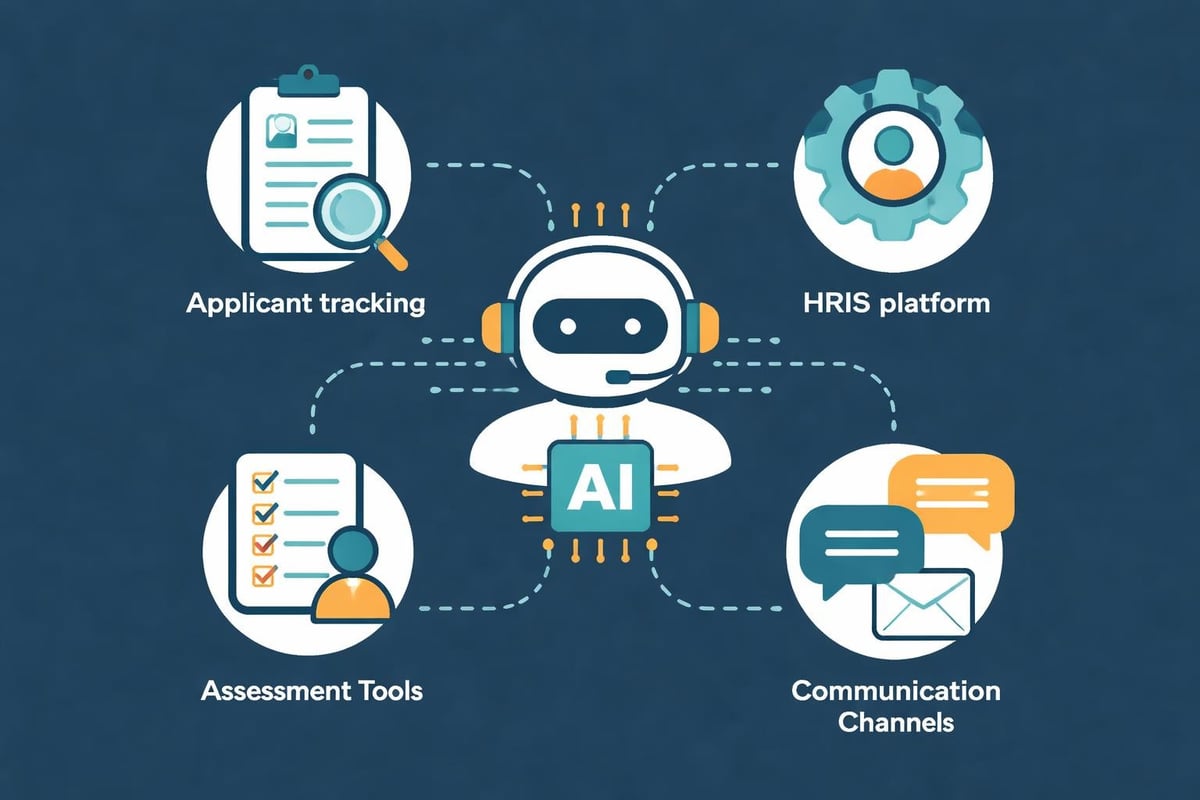
Successful AI recruiter implementation requires seamless integration with applicant tracking systems, human resource information systems, and other talent management platforms. Modern solutions offer API connections and pre-built integrations with major HR technology providers.
Data Flow and Synchronization
The value of AI recruiters multiplies when they access comprehensive candidate and organizational data. Integration enables these systems to:
- Pull job descriptions and requirements automatically
- Update candidate status across all platforms simultaneously
- Sync interview schedules with calendar systems
- Feed performance data back for algorithm improvement
- Maintain compliance with record-keeping requirements
Organizations must evaluate integration capabilities during vendor selection. The best AI recruiters function as components within a larger talent acquisition ecosystem rather than standalone tools requiring duplicate data entry.
Change Management Considerations
Technology adoption succeeds or fails based on user acceptance. Recruitment teams may feel threatened by AI systems, fearing displacement or loss of control. Effective implementation addresses these concerns through transparent communication about how AI recruiters augment rather than replace human recruiters.
Best practices for successful adoption:
- Involve recruiters in system selection and configuration
- Provide comprehensive training on capabilities and limitations
- Establish clear protocols for AI-human handoffs
- Create feedback mechanisms for continuous improvement
- Celebrate wins and share success stories
The transition period typically requires three to six months as teams adjust workflows and the AI system accumulates sufficient data to optimize performance. Organizations should plan for this learning curve rather than expecting immediate transformation.
Candidate Experience Enhancement
While efficiency and cost matter to organizations, candidate experience determines whether top talent accepts offers and recommends the company to peers. AI recruiters significantly improve the candidate journey when implemented thoughtfully.
Responsive Communication
Job seekers consistently cite poor communication as their primary frustration with recruitment processes. AI recruiters address this through instant acknowledgment of applications, regular status updates, and prompt responses to inquiries. Chatbots powered by natural language processing answer common questions 24/7, eliminating the delays that occur when candidates wait for human recruiter availability.
The technology personalizes communications based on candidate characteristics and preferences. Rather than generic email blasts, AI systems craft messages referencing specific qualifications and explaining why particular opportunities align with career goals.
Transparent Processes
Modern candidates expect visibility into where they stand in the hiring process. AI recruiters provide real-time dashboards showing application status, upcoming steps, and estimated timelines. This transparency reduces anxiety and demonstrates respect for candidate time.
Automated scheduling tools eliminate the frustrating back-and-forth of finding mutually available interview times. Candidates select from available slots that integrate with all participants' calendars, receiving automatic confirmations and reminders.
Accessibility and Accommodation
AI recruiters can accommodate diverse candidate needs more effectively than traditional processes. They offer application interfaces in multiple languages, provide text-to-speech and speech-to-text capabilities for candidates with disabilities, and allow asynchronous completion of assessments for those managing other responsibilities.
Ethical Considerations and Regulatory Compliance
As AI recruiters become more prevalent, organizations must navigate complex ethical and legal landscapes. Regulatory bodies worldwide are developing frameworks governing AI use in employment decisions, with particular focus on fairness, transparency, and accountability.
Transparency Requirements
Several jurisdictions now require employers to disclose AI use in hiring processes. Candidates have the right to know when automated systems influence decisions about their applications. Organizations must provide clear information about what data the AI recruiters collect, how they use it, and how long they retain it.
Compliance checklist:
- Document AI system decision-making processes
- Maintain human oversight of final hiring decisions
- Provide candidates with rejection explanations
- Offer human review options for contested decisions
- Conduct regular bias audits and impact assessments
- Ensure data privacy and security protections
Data Protection and Privacy
AI recruiters process vast amounts of personal information, creating significant privacy obligations under regulations like GDPR, CCPA, and similar frameworks. Organizations must implement appropriate security measures, limit data collection to legitimate purposes, and respect candidate rights to access, correct, or delete their information.
The global nature of talent markets complicates compliance, as different jurisdictions impose varying requirements. Multinational organizations need AI recruitment systems that adapt to local regulations while maintaining consistent core functionality.
Future Trajectories for AI Recruiters
The capabilities of AI recruiters will expand dramatically over the next several years as underlying technologies advance and organizations accumulate more training data. Several trends are already emerging that will shape the next generation of recruitment AI.
Predictive Success Modeling
Current AI recruiters focus primarily on matching candidate qualifications to job requirements. Future systems will predict not just capability but success likelihood based on nuanced factors including team dynamics, management styles, and organizational culture. These predictions will consider patterns invisible to human observers, identifying subtle indicators of long-term performance and retention.
Continuous Learning Systems
Rather than static algorithms requiring periodic updates, next-generation AI recruiters will continuously learn from every hiring outcome. They'll track which candidates succeed in roles, analyzing the characteristics that distinguished top performers from adequate ones. This feedback loop creates increasingly accurate matching over time, personalizing to each organization's unique context.
The evolution toward more sophisticated AI recruiting capabilities creates opportunities for specialized platforms focused on particular industries or role types. Organizations hiring in technical fields benefit from AI systems trained specifically on those talent markets, with platforms connecting businesses to verified AI professionals demonstrating the value of specialized matching.
Enhanced Soft Skills Assessment
Technical skills lend themselves to objective evaluation, but assessing communication ability, leadership potential, and cultural alignment remains challenging. Emerging AI recruiter capabilities include sentiment analysis of written communications, video interview analysis for engagement and authenticity, and gamified assessments revealing problem-solving approaches and collaboration styles.
| Capability | Current State | 2026-2028 Projection |
|---|---|---|
| Resume Parsing | Highly accurate | Near-perfect with context understanding |
| Technical Assessment | Automated testing | Adaptive difficulty, real-world scenarios |
| Culture Fit Analysis | Basic keyword matching | Behavioral prediction modeling |
| Communication Evaluation | Limited text analysis | Multi-modal sentiment and style assessment |
| Retention Prediction | Historical pattern matching | Individual success probability scoring |
Implementation Strategy for Organizations
Organizations considering AI recruiter adoption should approach implementation strategically rather than rushing to deploy technology without adequate planning. Success requires aligning technology capabilities with recruitment needs, preparing teams for new workflows, and establishing metrics to evaluate performance.
Needs Assessment and Vendor Selection
Begin by documenting current recruitment challenges and identifying which problems AI recruiters can meaningfully address. Not every organization needs the same capabilities. High-volume hiring operations prioritize screening efficiency, while specialized technical roles require sophisticated skills assessment.
Evaluate potential vendors against specific criteria:
- Integration capabilities with existing HR systems
- Customization options for your industry and roles
- Bias testing and fairness commitments
- Vendor stability and support quality
- Pricing models and total cost of ownership
- Data security and compliance frameworks
Request demonstrations with your actual job descriptions and candidate pools. Generic demos showcase capabilities but don't reveal how systems perform with your specific requirements.
Phased Rollout Approach
Rather than replacing entire recruitment processes overnight, implement AI recruiters in phases. Start with a single role type or department, learn from that experience, and expand gradually. This approach limits risk while providing concrete evidence of value to skeptical stakeholders.
Recommended implementation phases:
- Phase 1 (Months 1-2): Resume screening automation for high-volume roles
- Phase 2 (Months 3-4): Candidate communication and scheduling automation
- Phase 3 (Months 5-6): Skills assessment integration
- Phase 4 (Months 7-9): Predictive analytics and success modeling
- Phase 5 (Months 10-12): Full integration and optimization
Monitor key performance indicators throughout implementation, comparing results against pre-AI baselines. Track time-to-hire, cost-per-hire, candidate quality ratings, diversity metrics, and candidate satisfaction scores.
Ongoing Optimization
AI recruiter implementation isn't a one-time project but an ongoing process of refinement. Regularly review algorithm performance, testing for bias and accuracy. Solicit feedback from recruiters and hiring managers about system strengths and weaknesses. Most importantly, analyze hiring outcomes to determine whether the AI recruiter's selections correlate with actual job performance.
Schedule quarterly reviews with your vendor to discuss new features, best practices from other clients, and opportunities to enhance your configuration. The AI recruitment field evolves rapidly, and staying current with capabilities ensures you maximize your investment.
AI recruiters represent a fundamental shift in how organizations approach talent acquisition, offering unprecedented efficiency, consistency, and scale while freeing human recruiters to focus on relationship-building and strategic work. As these technologies mature, their ability to identify qualified candidates, reduce bias, and enhance the hiring experience will only strengthen. Whether you're building a specialized team or scaling rapidly, Augmnt delivers verified AI professionals through an intelligent marketplace that combines cutting-edge recruitment AI with human expertise to ensure every candidate meets your standards for quality and authenticity.