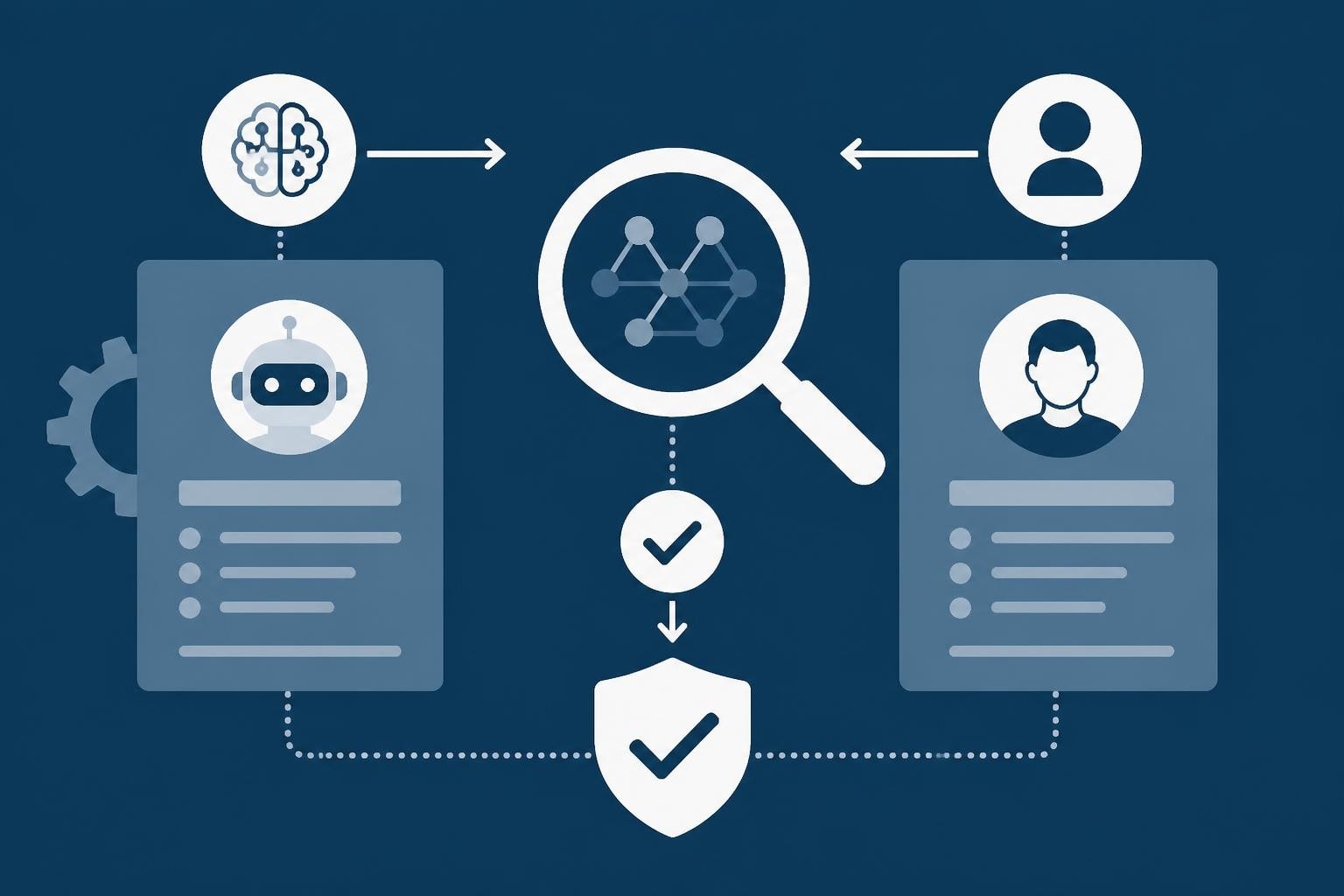
AI-Generated Resume Detection: A Guide for Recruiters
The recruitment landscape has transformed dramatically as artificial intelligence tools become increasingly accessible to job seekers. With platforms like ChatGPT and other generative AI systems, candidates can now produce polished resumes, cover letters, and application materials in minutes. This technological shift has created a new challenge for hiring teams: distinguishing between authentic candidate materials and AI-generated content. As organizations invest heavily in recruitment processes, understanding ai-generated resume detection has become essential for maintaining hiring integrity and identifying genuinely qualified professionals.
The Rise of AI-Generated Application Materials
The proliferation of AI writing assistants has fundamentally altered how candidates approach job applications. Recent surveys indicate that a significant percentage of job seekers now use AI tools to enhance or completely generate their application materials. This trend reflects both the competitive nature of modern job markets and the accessibility of sophisticated language models.
Key factors driving AI usage in applications include:
- Time efficiency in producing multiple tailored resumes
- Professional language refinement and formatting
- Optimization for applicant tracking systems
- Competitive advantage in crowded job markets
- Accessibility for non-native English speakers
The technology itself has become remarkably sophisticated. Modern language models can analyze job descriptions, extract key requirements, and craft compelling narratives that align candidate experience with employer needs. However, this capability raises critical questions about authenticity, skill verification, and the true qualifications of applicants.
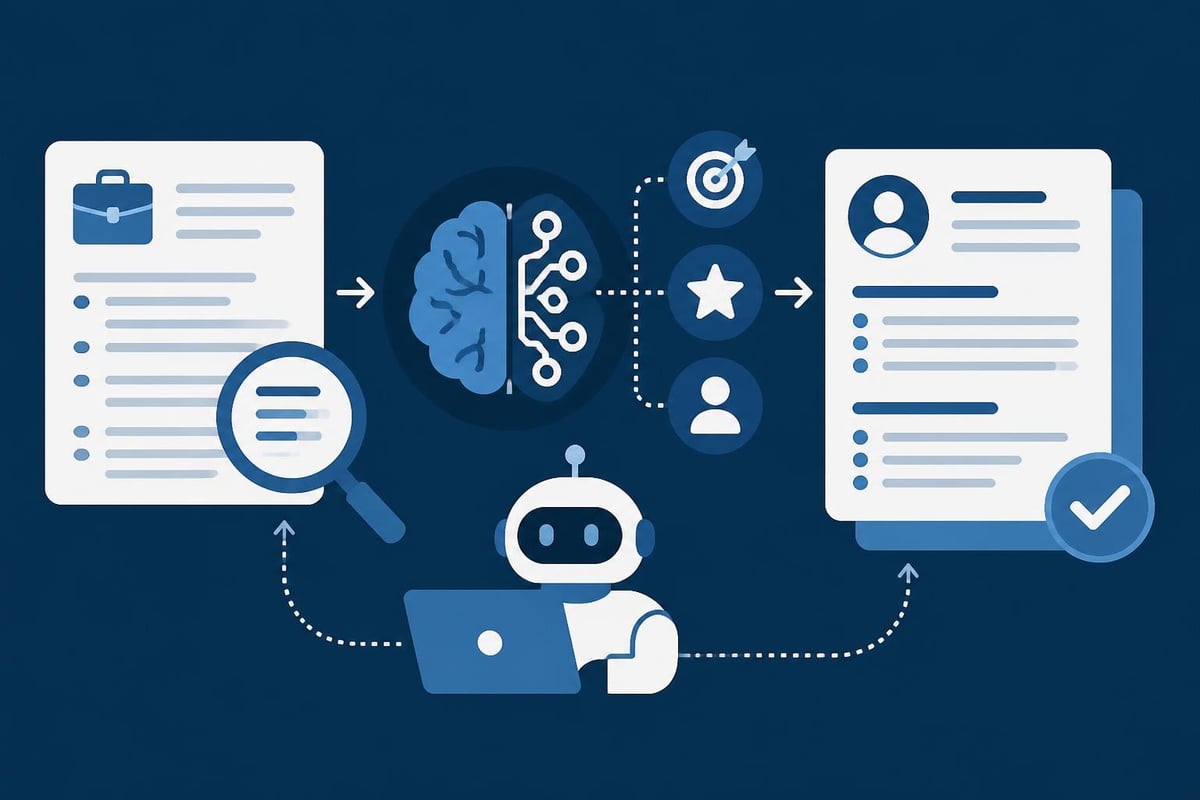
How AI-Generated Resume Detection Works
Organizations attempting to identify AI-generated content employ various technical approaches, though the effectiveness of these methods varies considerably. Detection systems typically analyze linguistic patterns, consistency markers, and structural elements that may indicate synthetic content.
Linguistic Pattern Analysis
Detection algorithms examine text for characteristics commonly associated with AI-generated writing. These systems look for unusually consistent sentence structures, repetitive phrasing patterns, and vocabulary choices that align with known language model outputs. However, as AI detection tools demonstrate varying effectiveness, this approach presents significant reliability challenges.
Modern ai-generated resume detection systems analyze multiple linguistic dimensions:
| Detection Method | What It Analyzes | Reliability Level |
|---|---|---|
| Perplexity scoring | Text predictability patterns | Moderate |
| Burstiness analysis | Sentence variation consistency | Low-Moderate |
| N-gram matching | Common phrase patterns | Low |
| Stylistic fingerprinting | Writing style consistency | Moderate |
Statistical Anomaly Identification
Advanced detection systems examine statistical properties of text that may indicate synthetic generation. These include analyzing word frequency distributions, semantic coherence across sections, and consistency in technical terminology usage. The challenge lies in distinguishing between AI assistance and completely fabricated credentials.
Limitations and Challenges in Detection Technology
The field of ai-generated resume detection faces substantial technical and ethical obstacles. Current detection methods struggle with accuracy, particularly as AI writing tools continue to evolve and produce increasingly human-like content. Research institutions including Indiana University have banned AI detectors due to concerns about unreliability and potential bias.
False Positive Risks
Detection systems frequently misidentify human-written content as AI-generated, particularly when candidates write in clear, professional styles or follow standard resume formats. This creates serious equity concerns, as non-native speakers or candidates who naturally write in straightforward styles may face unwarranted scrutiny.
Common false positive triggers include:
- Highly structured, formatted text
- Professional language without colloquialisms
- Consistent terminology usage
- Standard resume conventions
- Technical writing styles
Technological Arms Race
As detection methods improve, AI writing tools simultaneously advance to produce more nuanced, human-like content. This creates an ongoing technological competition where detection systems constantly chase increasingly sophisticated generation capabilities. The practical result is that ai-generated resume detection remains unreliable as a standalone hiring filter.
The Role of Applicant Tracking Systems
Most organizations rely on Applicant Tracking Systems (ATS) to manage recruitment workflows, but these systems were not originally designed to detect AI-generated content. Instead, ATS platforms focus on screening for candidate fit rather than authorship verification, creating a gap in fraud detection capabilities.
ATS Screening vs. Fraud Detection
Traditional ATS functionality centers on matching candidate qualifications against job requirements through keyword analysis and structured data extraction. These systems excel at filtering large applicant pools based on experience, education, and skills alignment. However, they lack the sophisticated natural language processing required for reliable authorship detection.
Modern recruitment teams face a critical distinction: optimizing for ATS compatibility differs fundamentally from detecting synthetic content. Candidates increasingly tailor resumes for ATS success, whether using AI assistance or manual optimization. A significant percentage of resumes never reach human reviewers, making the ATS filtering stage crucial but insufficient for comprehensive fraud detection.
Strategic Approaches Beyond Technology
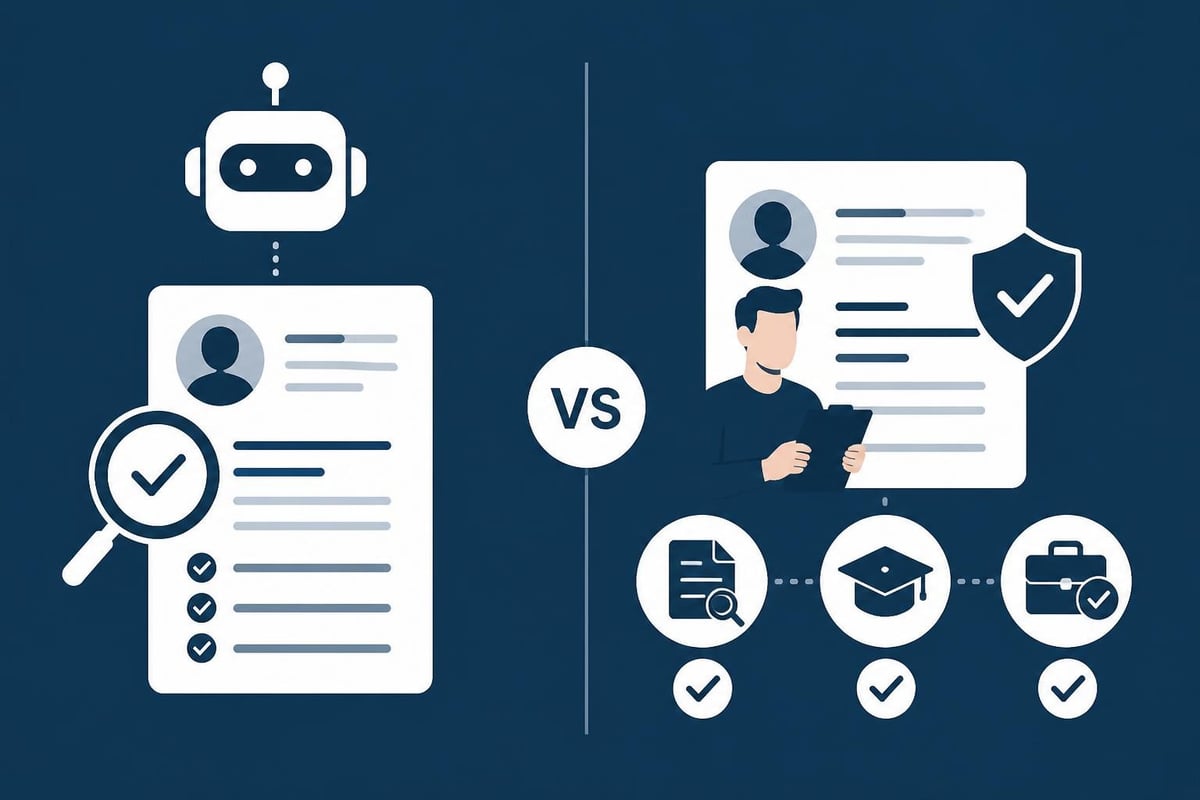
Given the limitations of automated ai-generated resume detection, forward-thinking organizations are implementing multi-layered verification strategies that combine technology with human insight. This holistic approach acknowledges that no single detection method provides sufficient reliability.
Comprehensive Candidate Validation
- Initial screening through advanced platforms that integrate fraud detection capabilities
- Skills-based assessments requiring demonstration of claimed competencies
- Structured interviews with behavioral and technical components
- Reference verification confirming actual work history and achievements
- Portfolio review for roles requiring tangible work samples
Organizations prioritizing genuine talent acquisition recognize that ai-generated resume detection represents just one component of a broader validation framework. The Augmnt ATS exemplifies this approach by combining verified matching with candidate fraud detection, ensuring that hiring teams work with authenticated professionals rather than relying solely on surface-level application materials.
Behavioral Indicators During Screening
Experienced recruiters develop instincts for identifying inconsistencies between application materials and candidate capabilities during interviews. These red flags often surface when candidates struggle to elaborate on resume claims or demonstrate knowledge gaps in areas where their applications suggested expertise.
Warning signs to monitor include:
- Inability to discuss specific project details
- Vague responses about technical methodologies
- Inconsistent terminology between resume and conversation
- Lack of problem-solving depth in claimed expertise areas
- Difficulty explaining career progression rationale
Ethical Considerations and Best Practices
The push for ai-generated resume detection raises important ethical questions about privacy, fairness, and the appropriate use of verification technology. Organizations must balance fraud prevention with candidate rights and equitable treatment across diverse applicant populations.
Bias and Discrimination Risks
Detection systems may inadvertently discriminate against certain candidate groups. Research on intersectional bias in AI hiring tools reveals that automated screening can perpetuate existing inequities, particularly affecting candidates from underrepresented backgrounds who may write differently or face language barriers.
| Ethical Concern | Impact | Mitigation Strategy |
|---|---|---|
| Cultural bias | Disadvantages non-native speakers | Human review of flagged applications |
| Accessibility | Penalizes assistive technology users | Disclosure-based policies |
| Privacy | Invasive content analysis | Transparent detection practices |
| False accusations | Damages qualified candidates | Multiple verification methods |
Transparency and Candidate Communication
Organizations implementing ai-generated resume detection should consider transparent policies about their verification processes. Clear communication helps candidates understand expectations while demonstrating organizational commitment to fair hiring practices. However, excessive disclosure may enable sophisticated fraud, requiring careful balance.
The Future of Candidate Authentication
The recruitment industry continues evolving toward more sophisticated verification methodologies that extend beyond simple ai-generated resume detection. Emerging approaches focus on continuous validation throughout the hiring lifecycle rather than single-point screening.
Skills-First Verification Models
Progressive organizations are shifting toward skills-based hiring that emphasizes demonstrated competencies over traditional credentials. This approach naturally reduces the impact of AI-generated application materials by requiring candidates to prove abilities through practical assessments, case studies, and work samples.
Advantages of skills-first approaches include:
- Direct competency validation independent of resume content
- Reduced reliance on potentially fraudulent credentials
- Better predictive validity for job performance
- Increased diversity by focusing on capabilities
- Natural resistance to AI-generated application fraud
Multi-Source Data Integration
Advanced hiring platforms are beginning to integrate multiple data sources for comprehensive candidate validation. This includes context-aware resume screening frameworks that leverage various information streams to build authenticated candidate profiles. By combining professional network verification, skills assessments, and reference checking with traditional application review, organizations create robust defense against fraud while improving hiring quality.

Building Resilient Hiring Processes
Rather than over-investing in ai-generated resume detection technology alone, organizations should develop comprehensive hiring processes that naturally resist fraud while identifying genuinely qualified candidates. This systems-thinking approach acknowledges that application materials represent just one data point in candidate evaluation.
Structured Interview Protocols
Well-designed interview processes provide natural fraud detection by requiring candidates to demonstrate knowledge and problem-solving abilities in real time. Behavioral interviewing techniques, technical assessments, and case study discussions reveal authentic capabilities that cannot be easily faked through AI-generated materials.
Organizations can implement tiered verification appropriate to role criticality and seniority. Entry-level positions might require basic skills validation, while senior technical roles demand extensive portfolio review, multiple interview rounds, and comprehensive reference checking. This proportional approach optimizes resource allocation while maintaining hiring integrity.
Continuous Learning and Adaptation
The landscape of AI writing tools and detection capabilities evolves rapidly. Successful organizations maintain awareness of emerging trends, regularly update their verification methodologies, and train hiring teams on new fraud patterns. This adaptive approach proves more sustainable than relying on any single detection technology.
Staying informed about developments in AI-assisted candidate evaluation helps organizations understand both the capabilities and limitations of automated systems. Balancing technological tools with human judgment remains essential for effective ai-generated resume detection and broader candidate authentication.
Practical Implementation Guidelines
Organizations ready to enhance their candidate verification processes should follow systematic implementation approaches that integrate ai-generated resume detection within broader quality assurance frameworks.
Assessment of Current Capabilities
Begin by evaluating existing screening processes to identify vulnerability points where AI-generated materials might bypass verification. Many organizations discover that their ATS integration focuses heavily on keyword matching without adequate fraud detection capabilities.
Key evaluation questions include:
- What percentage of candidates proceed without skills validation?
- How frequently do reference checks reveal resume discrepancies?
- What interview failure rates suggest poor initial screening?
- Which roles face highest fraud risk based on competition levels?
- How do current processes verify claimed technical competencies?
Phased Enhancement Strategy
Rather than implementing wholesale process changes, successful organizations adopt phased approaches that test new verification methods while maintaining hiring velocity. This might involve piloting enhanced screening for specific role categories before broader deployment.
| Implementation Phase | Focus Area | Success Metrics |
|---|---|---|
| Phase 1 | High-risk role categories | False positive rate below 5% |
| Phase 2 | Skills assessment integration | Time-to-hire impact assessment |
| Phase 3 | Interview protocol enhancement | Candidate experience scores |
| Phase 4 | Reference verification automation | Fraud detection improvement |
Organizations should monitor both effectiveness metrics and candidate experience throughout implementation. Overly aggressive ai-generated resume detection can damage employer brand and discourage qualified candidates, while insufficient verification allows fraud to persist.
As AI writing tools become ubiquitous in job applications, organizations must evolve beyond simple detection approaches toward comprehensive candidate validation frameworks. While ai-generated resume detection technology continues developing, its limitations require combining automated screening with human insight, skills verification, and multi-source authentication to ensure hiring integrity. Augmnt addresses these challenges by providing a verified marketplace where businesses connect with authenticated AI professionals through rigorous validation processes, eliminating fraud concerns while streamlining recruitment for organizations seeking genuinely qualified talent.