AI Consulting Services: Essential Guide for 2026
Organizations across industries are racing to adopt artificial intelligence, yet most struggle to translate AI potential into measurable business outcomes. This challenge has fueled explosive growth in specialized expertise designed to guide companies through complex AI transformations. As businesses navigate the intricate landscape of machine learning models, data infrastructure, and algorithmic decision-making, the demand for strategic guidance has never been higher. The tech consulting market is projected to surpass USD 400 billion in global revenue in 2026, with AI-specific services representing one of the fastest-growing segments.
Understanding the AI Consulting Landscape in 2026
The market for ai consulting services has evolved dramatically over the past several years. What began as experimental projects led by data science teams has matured into a comprehensive service ecosystem spanning strategy formulation, implementation, and ongoing optimization. According to recent market analysis, the AI consulting services market continues to experience substantial growth driven by increased enterprise adoption across manufacturing, healthcare, financial services, and retail sectors.
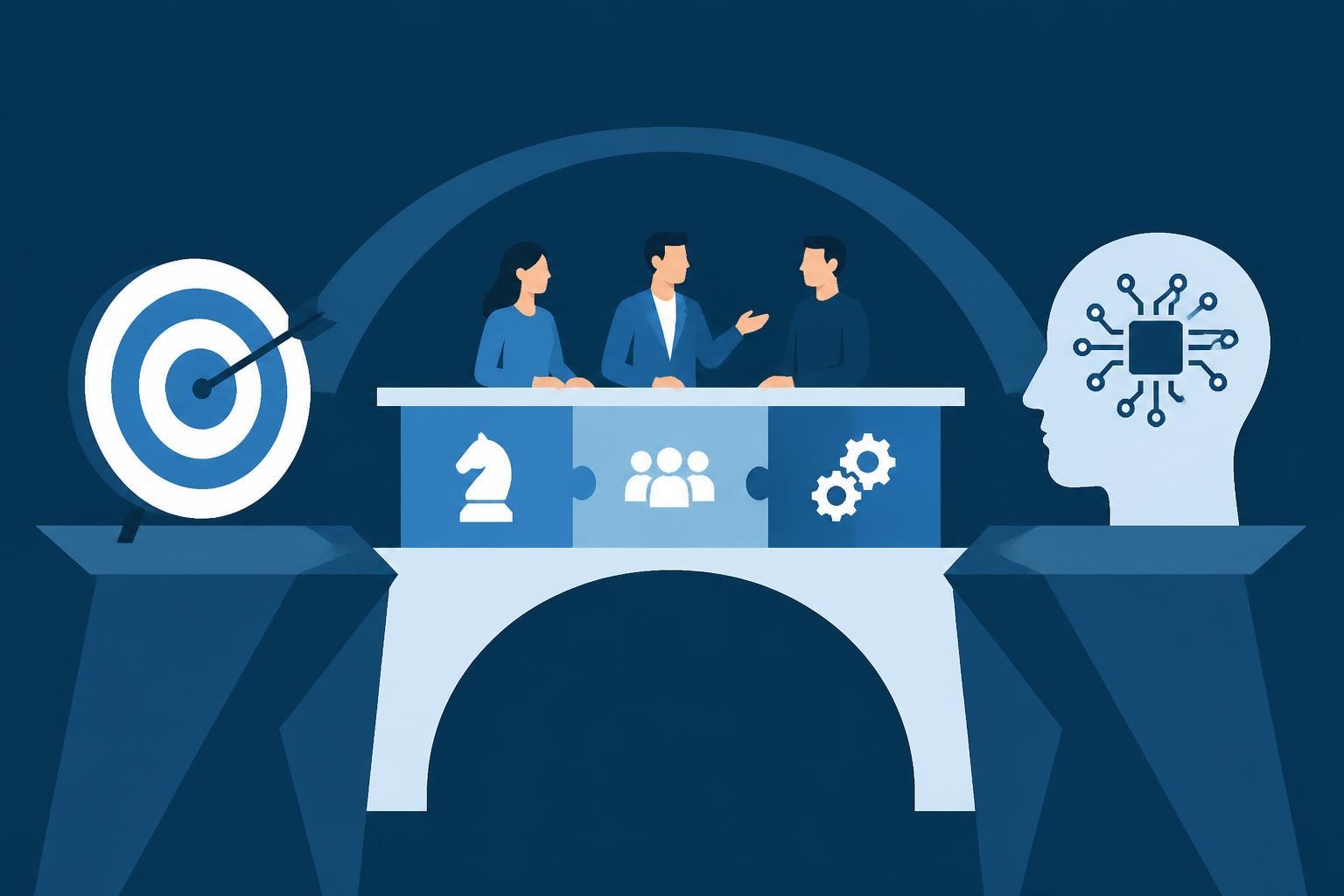
Modern ai consulting services encompass far more than technical implementation. They integrate business strategy, change management, talent development, and technology deployment into cohesive transformation programs. This holistic approach addresses the reality that successful AI adoption requires alignment across multiple organizational dimensions.
Service Categories Shaping the Industry
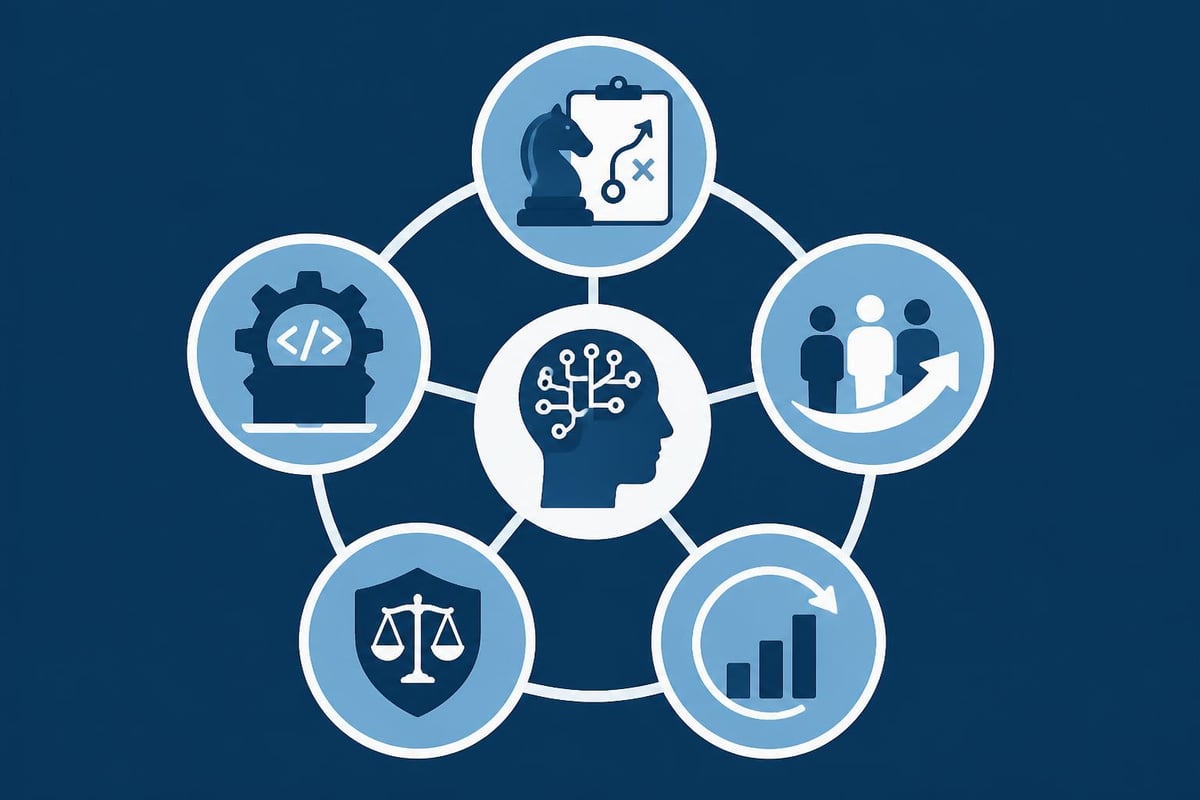
Today's consulting landscape divides into several distinct categories, each addressing specific organizational needs:
- Strategic advisory services that align AI investments with business objectives and competitive positioning
- Technical implementation services covering model development, data engineering, and infrastructure deployment
- Organizational transformation services focused on workforce development, process redesign, and cultural change
- Compliance and ethics advisory ensuring AI systems meet regulatory requirements and ethical standards
- Ongoing optimization services that monitor performance and refine AI systems post-deployment
The boundaries between these categories continue to blur as clients demand integrated solutions rather than point services. Organizations increasingly seek partners who can guide them from initial strategy through sustained value creation.
The Business Case for External AI Expertise
Many organizations question whether they should build internal AI capabilities or engage external ai consulting services. This decision hinges on several critical factors that vary based on organizational maturity, resource availability, and strategic priorities.
Speed to value represents perhaps the most compelling argument for external expertise. Consultants bring proven methodologies, established frameworks, and experience across multiple implementations. This accumulated knowledge compresses timelines significantly compared to learning through trial and error. Organizations can avoid common pitfalls and accelerate their path to measurable outcomes.
Access to specialized talent creates another powerful rationale. The global shortage of AI professionals means that building comprehensive internal teams requires significant time and investment. Hiring managers face intense competition for qualified candidates, making external partnerships an attractive alternative for accessing needed skills quickly.
| Internal Development | External Consulting | Hybrid Approach |
|---|---|---|
| Full control over IP and processes | Faster deployment timelines | Balanced capability building |
| Higher long-term costs for talent | Access to diverse expertise | Strategic guidance plus internal execution |
| Longer learning curves | Knowledge transfer challenges | Gradual capability development |
| Deep organizational integration | Fresh perspectives and methodologies | Flexibility in resource allocation |
The hybrid approach has gained significant traction in 2026. Organizations engage consultants for strategic guidance and initial implementation while simultaneously building internal capabilities. This model combines the speed and expertise of external partners with the sustained ownership advantages of internal teams.
Critical Components of Effective AI Consulting Engagements
Successful ai consulting services share common characteristics that separate transformative projects from disappointing investments. Understanding these components helps organizations evaluate potential partners and structure engagements for maximum impact.
Discovery and Assessment Phase
Every effective engagement begins with comprehensive organizational assessment. Consultants examine existing data infrastructure, technical capabilities, organizational readiness, and strategic objectives. This diagnostic work identifies both opportunities and constraints that shape subsequent recommendations.
Quality discovery processes involve stakeholders across business units, not just technology teams. AI initiatives succeed or fail based on adoption and integration into operational workflows. Early involvement of business leaders ensures that proposed solutions address real problems and align with organizational priorities.
Strategy Development and Roadmapping
Following assessment, consultants develop multi-phase roadmaps that sequence initiatives based on value potential, feasibility, and interdependencies. Effective roadmaps balance quick wins that build momentum with foundational investments that enable sustained progress.
The best strategic work connects AI initiatives directly to measurable business outcomes. Rather than pursuing AI for its own sake, consultants help organizations identify where machine learning, natural language processing, or computer vision can drive revenue growth, cost reduction, or customer experience improvements.
- Define specific business metrics AI initiatives will impact
- Identify data requirements and gaps for proposed solutions
- Assess organizational change requirements and potential resistance
- Establish governance frameworks for AI development and deployment
- Create detailed implementation plans with clear milestones
- Develop talent strategies for building necessary capabilities
This structured approach ensures that AI investments receive the same rigor as other major capital allocations. It also creates accountability mechanisms that enable ongoing performance evaluation.
Implementation: Where Strategy Meets Execution
The implementation phase represents where ai consulting services deliver tangible value. This work transforms strategic plans into functioning AI systems that generate business results. However, research shows that data scientists face significant challenges in transitioning AI/ML models to production-ready systems, making expert guidance particularly valuable during this critical phase.
Technical Architecture and Model Development
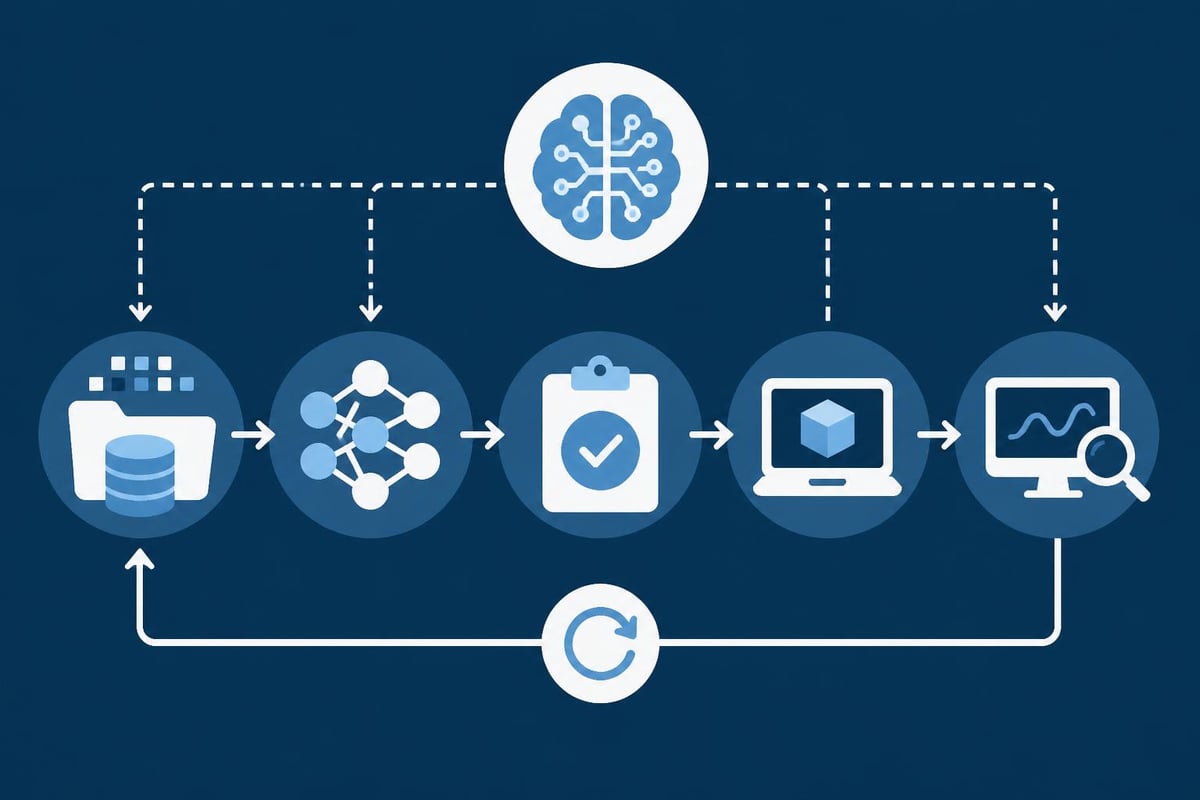
Consultants design technical architectures that support both immediate requirements and future scalability. This includes selecting appropriate cloud platforms, designing data pipelines, establishing MLOps practices, and implementing monitoring systems. Architecture decisions made during initial implementation have lasting implications for system performance, maintenance costs, and evolution capabilities.
Model development follows rigorous methodologies that balance accuracy with interpretability, performance with computational efficiency, and sophistication with maintainability. Experienced consultants understand that the most advanced models are not always the right choice. They select approaches appropriate to available data, business requirements, and organizational capabilities.
Data quality and preparation consume substantial portions of most AI projects. Consultants help organizations establish data governance practices, implement quality controls, and develop pipelines that automate data collection and preprocessing. These foundational capabilities determine the ultimate success of AI initiatives more than any other factor.
Talent and Team Dynamics in AI Projects
The human element of AI transformation frequently receives insufficient attention relative to its importance. Successful ai consulting services address talent needs comprehensively, recognizing that technology alone cannot drive outcomes.
Organizations require diverse skill sets spanning data engineering, machine learning, domain expertise, and change management. Building teams with appropriate capabilities poses significant challenges given talent scarcity and rapidly evolving technical requirements. Many companies struggle with resume fraud detection and skill verification, making it difficult to identify truly qualified AI professionals.
Building Sustainable Capabilities
Forward-thinking consultants structure engagements to develop client capabilities rather than creating dependency. This involves deliberate knowledge transfer, documentation of methodologies, and hands-on training for internal teams. The goal is leaving organizations equipped to maintain, optimize, and extend AI systems independently.
Effective capability building programs include:
- Structured training on AI fundamentals tailored to different organizational roles
- Hands-on workshops where internal teams work alongside consultants on real projects
- Documentation repositories capturing design decisions, methodologies, and best practices
- Mentoring relationships that extend beyond formal project timelines
- Communities of practice connecting AI practitioners across the organization
This investment in people ensures that AI initiatives continue generating value long after consultants depart. It also builds organizational confidence and enthusiasm for future AI projects.
Measuring ROI and Demonstrating Value
The evolving value proposition of professional services in the age of AI demands clear demonstration of measurable outcomes. Organizations investing in ai consulting services rightfully expect concrete returns, not just technical deliverables or strategic presentations.
Establishing appropriate metrics begins during the discovery phase and continues throughout engagement lifecycles. Different AI applications require different measurement frameworks, but all benefit from connecting technical performance to business impact.
| AI Application | Technical Metrics | Business Metrics |
|---|---|---|
| Predictive maintenance | Model accuracy, false positive rate | Equipment downtime reduction, maintenance cost savings |
| Customer churn prediction | Precision, recall, AUC | Customer retention rate, lifetime value improvement |
| Demand forecasting | Mean absolute error, forecast accuracy | Inventory optimization, revenue increase |
| Document processing | Processing speed, extraction accuracy | Labor cost reduction, processing time decrease |
Effective consultants establish baseline measurements before implementation, track progress throughout deployment, and conduct post-implementation reviews that quantify achieved benefits. This rigorous approach to measurement builds credibility and informs future investment decisions.
Addressing Implementation Challenges
Even well-planned AI initiatives encounter obstacles. Common challenges include data quality issues, stakeholder resistance, technical complexity, integration difficulties, and unrealistic expectations. Experienced consultants anticipate these challenges and develop mitigation strategies proactively.
Change management deserves particular attention. AI systems often alter workflows, decision-making processes, and job responsibilities. Without careful attention to human factors, technically sound solutions fail due to organizational rejection. Consultants facilitate stakeholder engagement, communicate transparently about impacts, and create support structures that ease transitions.
Selecting the Right AI Consulting Partner
The proliferation of firms offering ai consulting services creates both opportunity and confusion. Organizations must evaluate potential partners carefully, looking beyond marketing claims to assess actual capabilities and cultural fit.
Key evaluation criteria include:
- Relevant industry experience with similar challenges and use cases
- Technical depth across required AI technologies and platforms
- Implementation track record with verifiable client references
- Talent quality of individuals who will actually perform the work
- Methodological rigor in how they approach discovery, development, and deployment
- Knowledge transfer commitment to building internal capabilities
The quality of individual consultants matters enormously. Review team compositions carefully and insist on meeting key personnel before engagement. The most impressive firm credentials mean little if junior staff execute the actual work.
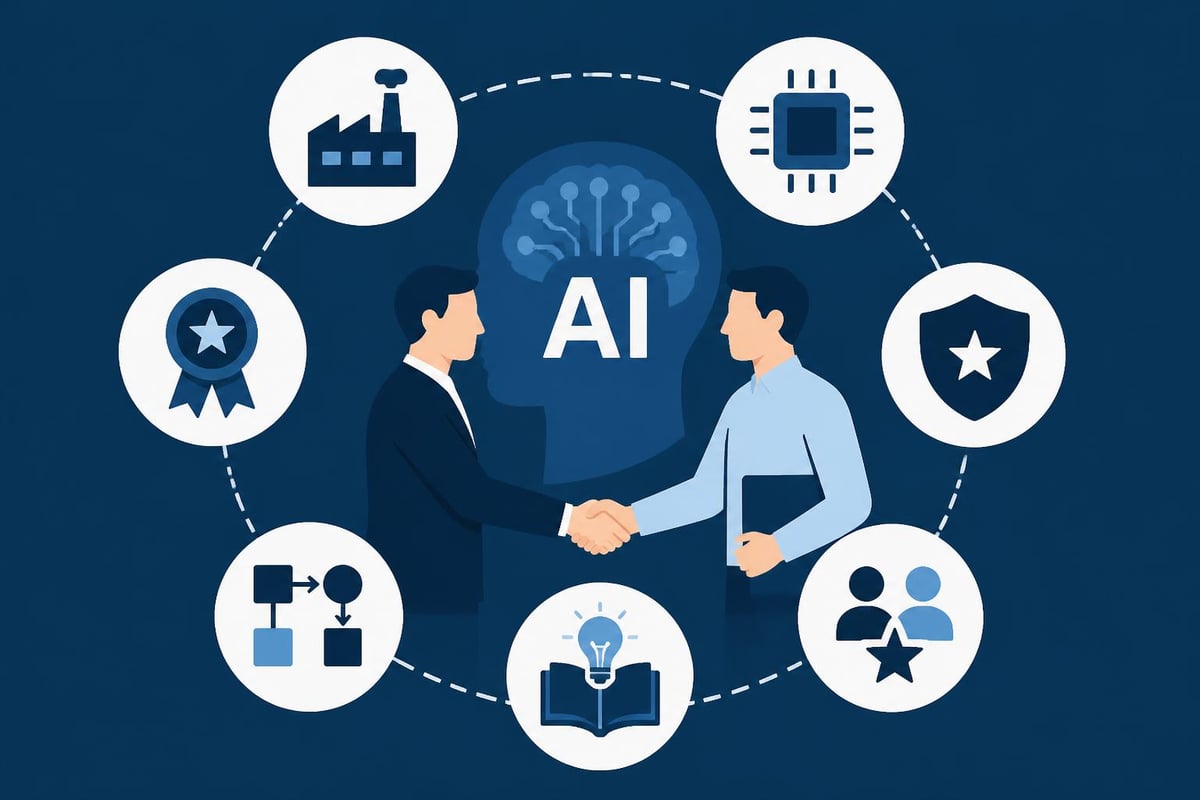
Cultural alignment between consultant and client organizations significantly impacts project success. AI transformations require close collaboration over extended periods. Personality conflicts, communication style mismatches, or divergent values create friction that undermines progress. Invest time in assessing cultural fit during selection processes.
Cost Structures and Engagement Models
Understanding how ai consulting services price their offerings helps organizations budget appropriately and structure engagements effectively. Pricing models vary widely based on service scope, consultant experience, and engagement duration.
Common Pricing Approaches
Time and materials arrangements charge hourly or daily rates for consultant time. This model provides flexibility for exploratory work where scope remains uncertain. However, it creates budget unpredictability and potential misalignment between consultant and client interests.
Fixed-price projects establish total costs upfront based on defined deliverables. This approach transfers risk to the consultant and provides budget certainty to clients. It works best when requirements are clearly understood and unlikely to change significantly.
Value-based pricing ties consultant compensation to measurable business outcomes. While theoretically attractive, this model requires sophisticated measurement frameworks and longer time horizons than many engagements support.
Retainer arrangements provide ongoing advisory services for monthly fees. Organizations pursuing sustained AI transformation often find retainers more efficient than project-by-project contracting.
According to comprehensive market analysis, consulting rates vary substantially based on consultant expertise, geographic location, and project complexity. Organizations should expect to invest significantly in quality expertise while maintaining realistic expectations about timelines and outcomes.
Industry-Specific Considerations
While core AI consulting capabilities remain consistent across sectors, different industries present unique challenges and opportunities that shape engagement approaches.
Healthcare organizations must navigate complex regulatory requirements, patient privacy obligations, and clinical validation standards. AI consultants serving this sector require deep understanding of HIPAA compliance, FDA approval processes, and clinical workflow integration.
Financial services firms face stringent risk management expectations, model interpretability requirements, and regulatory oversight. Consultants must demonstrate expertise in algorithmic fairness, bias detection, and explainable AI techniques.
Manufacturing companies prioritize operational efficiency, quality control, and supply chain optimization. Successful consultants understand industrial IoT integration, predictive maintenance applications, and production environment constraints.
Retail organizations focus on customer experience, personalization, and inventory optimization. Effective consulting requires expertise in recommendation systems, demand forecasting, and omnichannel integration.
Tailoring ai consulting services to industry-specific contexts accelerates implementation and improves outcomes. Generic approaches rarely address the nuanced requirements different sectors demand.
Future Directions in AI Consulting
The ai consulting services landscape continues evolving rapidly as both AI technology and organizational maturity advance. Several trends are reshaping how consultants deliver value and how organizations consume their services.
Productized solutions are replacing purely custom development for common use cases. Consultants increasingly offer pre-built frameworks, templates, and accelerators that reduce implementation timelines and costs. This shift makes AI more accessible to mid-market organizations that previously found consulting services prohibitively expensive.
Ethical AI and responsible innovation have moved from peripheral concerns to central engagement components. Organizations demand guidance on bias mitigation, fairness metrics, transparency requirements, and societal impact considerations. Consultants who integrate these concerns throughout project lifecycles deliver more sustainable value.
AI operations and maintenance represent growing service categories as organizations accumulate deployed systems requiring ongoing monitoring, optimization, and updating. The consulting model is expanding beyond initial implementation to encompass sustained partnership.
Platforms connecting businesses with verified AI professionals are democratizing access to specialized talent, enabling more flexible engagement models that blend consulting guidance with direct expert access.
Successfully navigating AI transformation requires strategic vision, technical expertise, and organizational change management capabilities that few companies possess entirely in-house. Quality ai consulting services accelerate implementation timelines, reduce risks, and improve outcomes by applying proven methodologies and specialized knowledge to unique business challenges. As organizations continue investing in AI capabilities, selecting the right partners and structuring engagements thoughtfully becomes increasingly critical. Augmnt connects businesses with verified AI professionals who combine technical excellence with practical implementation experience, ensuring you access the talent needed to transform AI strategy into measurable business results.