AI Consulting Companies: Strategic Partners for 2026
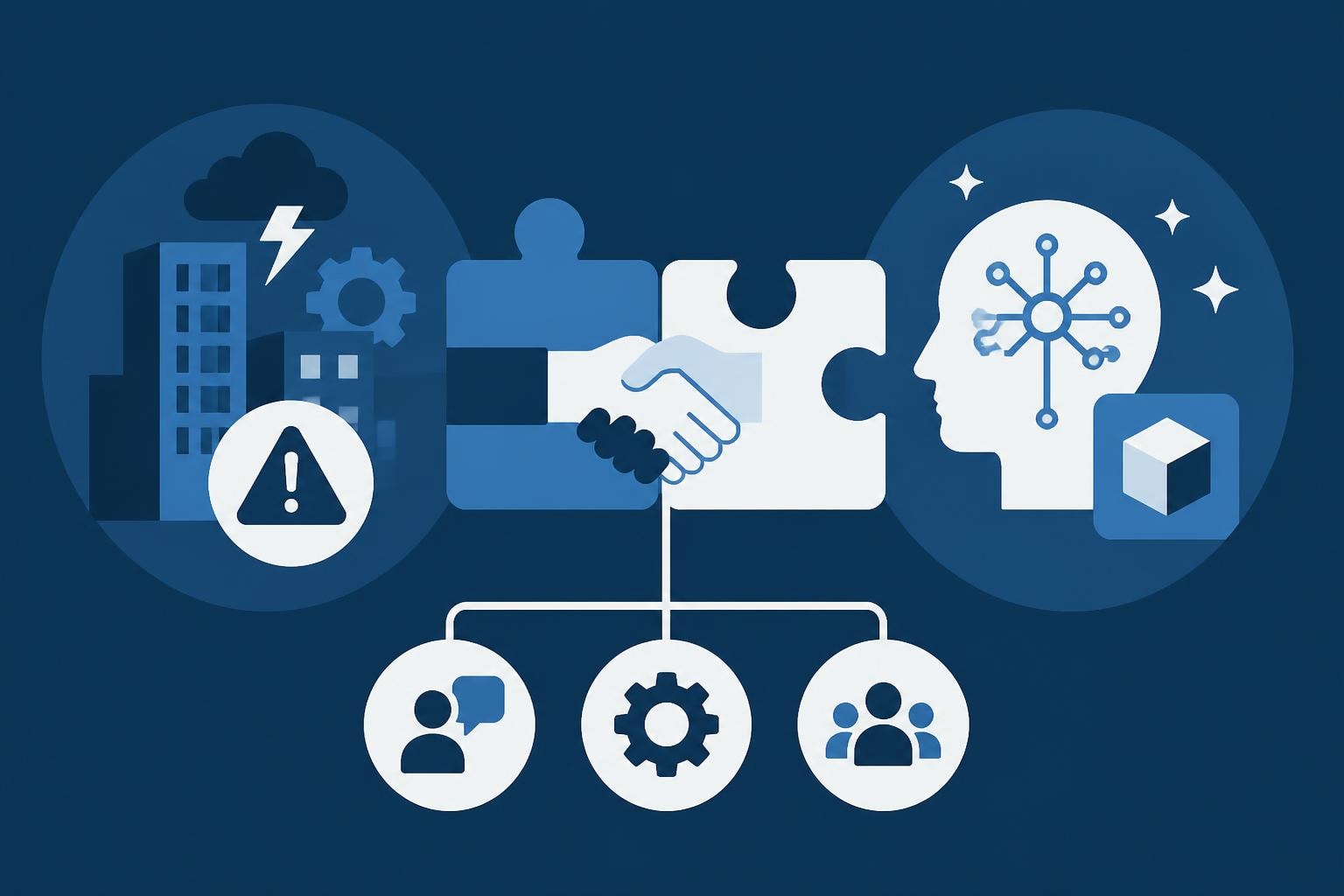
The artificial intelligence landscape has evolved from experimental technology to mission-critical infrastructure across industries. As organizations navigate this transformation, ai consulting companies have emerged as essential partners, bridging the gap between ambition and execution. These specialized firms bring technical expertise, strategic vision, and implementation capabilities that enable businesses to harness AI's potential while avoiding costly missteps. With enterprise AI adoption accelerating rapidly, the demand for consulting expertise has never been higher.
The Evolution of AI Consulting Services
AI consulting companies have matured alongside the technology they support. Early providers focused primarily on proof-of-concept projects and isolated machine learning applications. Today's firms deliver comprehensive transformation programs that touch every aspect of business operations.
The scope of services has expanded dramatically. Modern ai consulting companies address strategy development, technology selection, implementation, change management, and ongoing optimization. They help organizations understand where AI can create genuine value rather than chasing trends.
Core Service Offerings
Strategic consulting services form the foundation of most engagements. Consultants assess organizational readiness, identify high-impact use cases, and develop roadmaps aligned with business objectives. This strategic work prevents the common pitfall of implementing AI solutions in search of problems.
Implementation and integration services translate strategy into action. Ai consulting companies build custom solutions, integrate AI capabilities into existing systems, and ensure deployments meet performance requirements. They navigate the technical complexity that often derails internal teams.
| Service Category | Key Activities | Typical Duration |
|---|---|---|
| Strategy Development | Assessment, roadmap, use case identification | 2-4 months |
| Solution Design | Architecture, technology selection, prototyping | 3-6 months |
| Implementation | Development, integration, testing | 6-12 months |
| Optimization | Monitoring, tuning, scaling | Ongoing |
Change management and training represent critical but often overlooked components. The best consulting firms ensure organizations can sustain AI initiatives after engagement ends. They build internal capabilities through knowledge transfer and upskilling programs.
Industry-Specific Expertise and Specialization
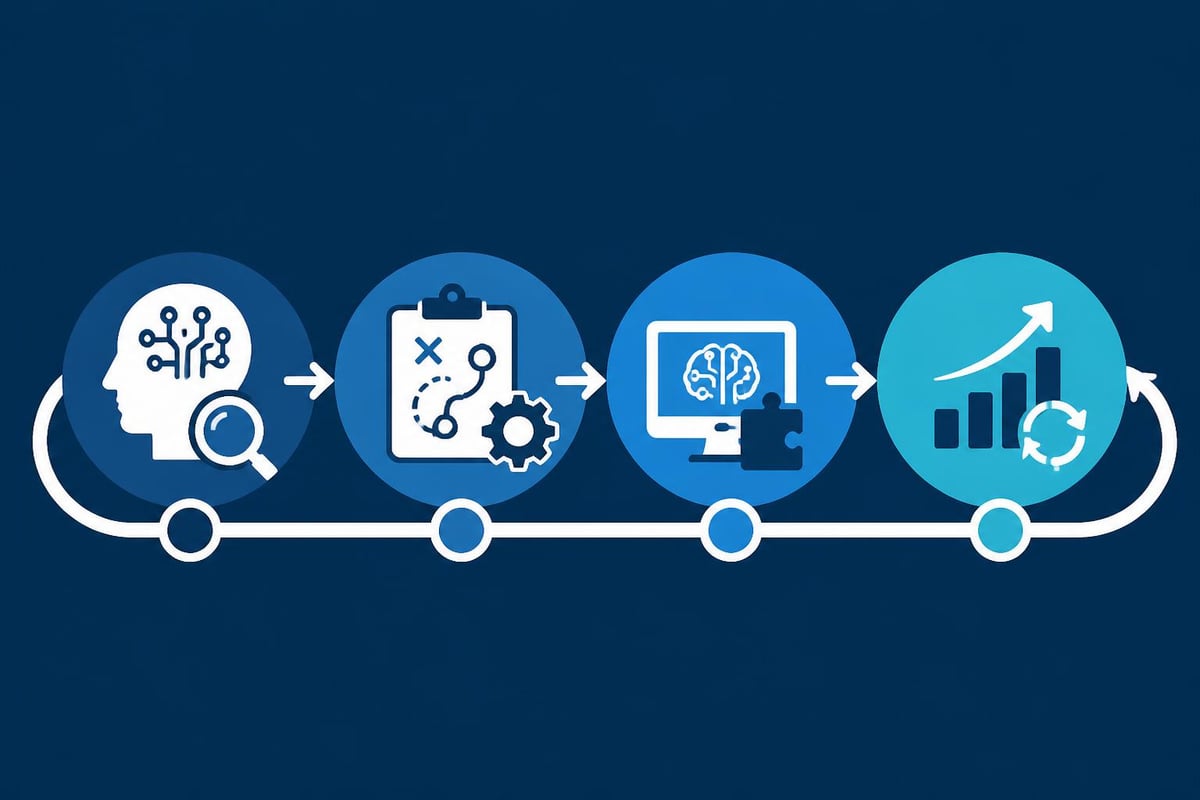
Generic AI knowledge rarely translates to business value. Ai consulting companies increasingly specialize by industry, developing deep domain expertise that informs solution design. Healthcare AI consultants understand regulatory requirements, clinical workflows, and patient safety considerations that generalists miss.
Financial services demand specialized knowledge of risk management, compliance frameworks, and security protocols. Manufacturing consultants bring expertise in supply chain optimization, predictive maintenance, and quality control applications. The AI industry's maturation has driven this specialization trend.
Vertical Market Focus Areas
- Healthcare and life sciences: Clinical decision support, drug discovery, patient engagement
- Financial services: Fraud detection, algorithmic trading, customer service automation
- Retail and e-commerce: Personalization engines, inventory optimization, demand forecasting
- Manufacturing: Predictive maintenance, quality assurance, supply chain intelligence
- Professional services: Document analysis, knowledge management, process automation
Niche consulting firms serving specific sectors often deliver superior outcomes compared to generalist providers. They understand industry challenges intimately and bring proven frameworks developed across multiple client engagements. This expertise accelerates project timelines and reduces implementation risk.
The most successful consulting relationships combine industry knowledge with technical depth. Firms that can translate business requirements into effective AI architectures create lasting competitive advantages for their clients.
Selecting the Right AI Consulting Partner
Choosing among ai consulting companies requires careful evaluation across multiple dimensions. Technical capabilities matter, but they're just one factor in successful partnerships. Organizations must assess cultural fit, industry experience, and delivery methodology.
Evaluation criteria should include proven expertise in relevant technologies, case studies from similar organizations, and transparent pricing models. Request detailed proposals that outline deliverables, timelines, and success metrics.
Key Selection Factors
- Technical credentials: Certifications, published research, contributions to open-source projects
- Industry experience: Relevant case studies, sector-specific solutions, regulatory knowledge
- Delivery approach: Agile methodology, stakeholder engagement, knowledge transfer practices
- Team composition: Senior-to-junior ratios, specialist availability, continuity guarantees
- Commercial terms: Pricing structure, intellectual property rights, ongoing support options
References from previous clients provide invaluable insights. Ask about communication quality, ability to meet deadlines, and how the firm handled unexpected challenges. Strong consultants adapt when circumstances change rather than rigidly following initial plans.
The size of the consulting firm presents trade-offs. Large global firms offer extensive resources and cross-industry insights but may assign junior staff to day-to-day work. Boutique specialists provide partner-level attention but have limited bench strength. Mid-sized firms often strike the best balance for many organizations.
The Talent Challenge in AI Consulting
Quality consulting depends entirely on the expertise of individual consultants. Ai consulting companies face intense competition for skilled professionals who understand both AI technology and business applications. This talent shortage affects service quality and project outcomes.

Many firms struggle with resume fraud and credential inflation as candidates misrepresent their qualifications. Research shows significant challenges in ensuring AI professionals can transition models from development to production environments. Verifying actual capabilities becomes critical.
Building Reliable Consulting Teams
Organizations hiring AI consultants benefit from rigorous validation processes. Platforms that combine AI-powered screening with human expertise help identify genuinely qualified professionals. For businesses building internal AI teams or supplementing consulting engagements, verified matching and candidate fraud detection ensures only qualified candidates advance.
Skill verification must go beyond resume review. Technical assessments, portfolio evaluation, and reference checks create a complete picture of consultant capabilities. The best ai consulting companies invest heavily in vetting their talent.
Consulting firms increasingly adopt hybrid models that blend full-time employees with specialized contractors. This approach provides flexibility while maintaining quality standards. However, it requires robust processes for evaluating and onboarding external talent.
Implementation Approaches and Methodologies
How ai consulting companies execute projects significantly impacts success rates. Traditional waterfall approaches rarely work for AI initiatives given the experimental nature of model development. Leading firms embrace agile methodologies adapted for machine learning projects.
Iterative development allows teams to test assumptions, refine models, and adjust direction based on results. Consultants should establish regular checkpoints where stakeholders review progress and provide feedback. This collaborative approach prevents expensive rework.
| Methodology | Best For | Key Characteristics |
|---|---|---|
| Agile AI | Exploratory projects, evolving requirements | Sprints, frequent releases, continuous feedback |
| Structured Implementation | Well-defined problems, regulated industries | Detailed planning, stage gates, documentation |
| Proof of Concept | New technology evaluation, risk assessment | Time-boxed, limited scope, rapid execution |
| Center of Excellence | Enterprise-wide programs, capability building | Governance, standards, knowledge sharing |
Risk management deserves explicit attention in consulting engagements. AI projects face unique challenges including data quality issues, model drift, and unexpected edge cases. Experienced consultants anticipate these problems and build mitigation strategies into project plans.
Measuring Success and ROI
Clear success metrics prevent misaligned expectations. Before engagements begin, define specific, measurable outcomes that matter to the business. Revenue impact, cost reduction, efficiency gains, and customer satisfaction improvements provide concrete evaluation criteria.
Analytical AI capabilities often deliver more measurable business value than generative applications. Consultants should help organizations balance innovation with practical outcomes that justify investment.
Ai consulting companies increasingly tie compensation to results rather than time and materials. Performance-based contracts align incentives and demonstrate consultant confidence in their approach. However, success metrics must account for factors outside consultant control.
Emerging Trends Reshaping AI Consulting
The consulting landscape continues evolving as AI technology advances. Several trends are reshaping how ai consulting companies operate and deliver value to clients.
Consolidation and acquisitions are accelerating as established consulting giants acquire specialized AI firms. Accenture's recent acquisition demonstrates how traditional consultancies are bolstering AI capabilities through strategic purchases. This trend brings AI expertise to broader client bases but may dilute specialized focus.
Generative AI has fundamentally changed consulting service portfolios. Firms that previously focused on predictive analytics and computer vision now help clients implement large language models, content generation systems, and conversational AI. Research indicates these tools significantly impact team productivity when properly implemented.
Specialization in AI Governance and Ethics
As AI regulation intensifies, demand grows for consulting expertise in governance, compliance, and ethical AI implementation. Forward-thinking ai consulting companies are building practices around responsible AI, helping organizations navigate regulatory requirements while maintaining innovation velocity.
- Regulatory compliance: GDPR, AI Act, industry-specific requirements
- Bias detection and mitigation: Fair lending, hiring, and decision-making systems
- Transparency and explainability: Model documentation, audit trails, stakeholder communication
- Data governance: Privacy protection, consent management, data lineage
The rise of AI-specific regulations across jurisdictions creates complex compliance challenges. Consulting firms that help organizations navigate this landscape while deploying effective AI systems provide immense value.
Building Long-Term Partnerships
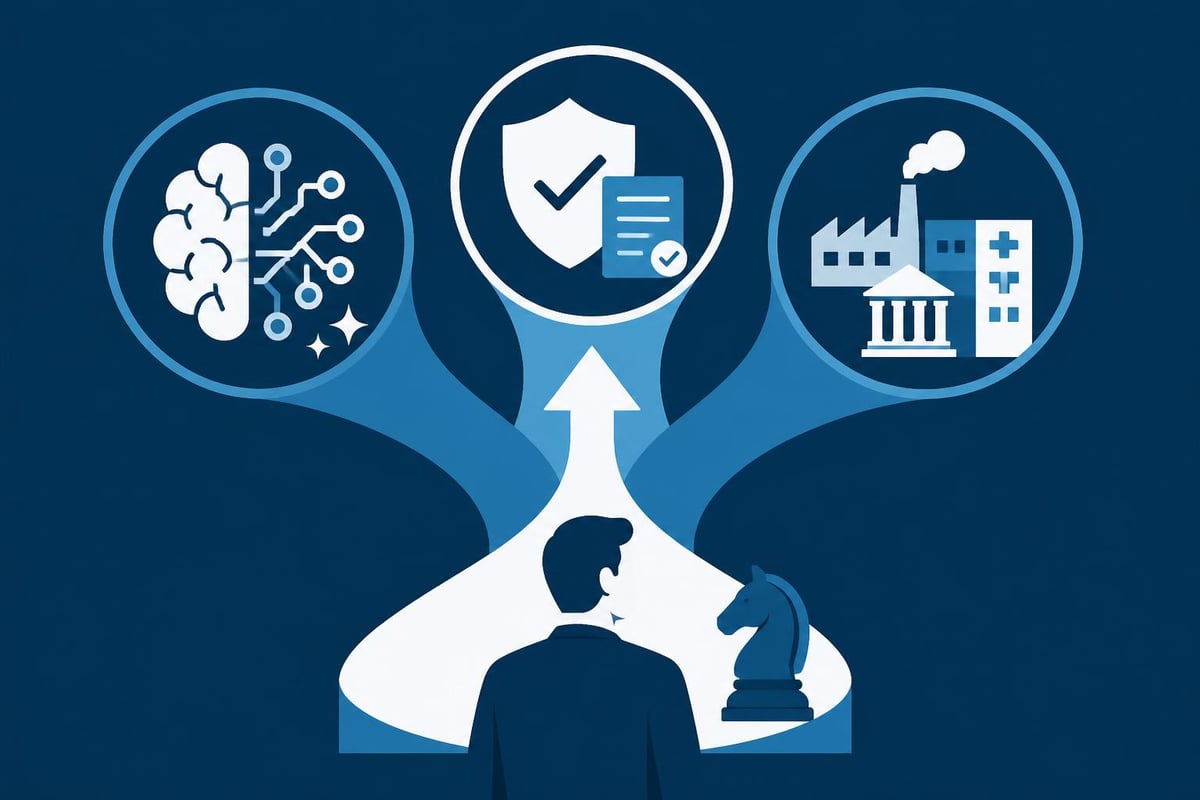
The most valuable consulting relationships extend beyond individual projects. Organizations that treat ai consulting companies as strategic partners rather than temporary vendors achieve better outcomes. Long-term relationships enable consultants to develop deeper organizational understanding and provide more tailored advice.
Retained advisory services provide ongoing access to expertise without the overhead of full project engagements. Monthly retainers give organizations expert guidance for technology decisions, vendor evaluations, and strategic planning. This approach works especially well for companies maintaining multiple AI initiatives.
Knowledge transfer should be explicit in every engagement. Consultants who prioritize building client capabilities create sustainable value. Training programs, documentation, and hands-on mentoring ensure organizations can maintain and enhance solutions independently.
Creating Internal AI Capabilities
Progressive ai consulting companies view their role as enablers rather than permanent dependencies. They help clients build internal teams, establish centers of excellence, and develop AI literacy across the organization. For companies looking to expand their AI talent pool, connecting with verified professionals through specialized marketplaces complements consulting relationships.
The transition from consultant-led to internally-managed AI programs requires planning. Consultants should gradually shift responsibility while providing safety net support. This approach ensures continuity and prevents knowledge loss when engagements conclude.
Cost Structures and Investment Considerations
Understanding how ai consulting companies price services helps organizations budget effectively and evaluate proposals. Pricing models vary widely based on firm size, engagement type, and project complexity.
Hourly or daily rates remain common for smaller projects and specialized expertise. Senior consultants command premium rates reflecting their experience and capability. Organizations should expect significant rate variations based on consultant seniority and specialization.
| Pricing Model | Typical Use Cases | Advantages | Considerations |
|---|---|---|---|
| Time and Materials | Exploratory work, ongoing support | Flexibility, adaptable scope | Budget uncertainty, potential overruns |
| Fixed Price | Well-defined projects, clear deliverables | Cost certainty, risk transfer | Less flexibility, change order costs |
| Retainer | Advisory services, ongoing guidance | Predictable costs, consistent access | Underutilization risk |
| Performance-Based | High-value outcomes, proven solutions | Aligned incentives, risk sharing | Metric definition complexity |
Project-based pricing provides cost certainty but requires detailed scoping. Ambiguous requirements lead to change orders and budget overruns. Invest time upfront defining scope, deliverables, and acceptance criteria to avoid disputes.
The total cost of AI consulting extends beyond professional fees. Organizations must budget for technology infrastructure, data preparation, change management, and ongoing maintenance. Consultants should provide comprehensive cost estimates that capture the full investment required.
Integration with Existing Technology Ecosystems
Ai consulting companies must navigate complex technology landscapes where AI solutions integrate with legacy systems, cloud platforms, and business applications. Integration challenges often exceed the difficulty of building AI models themselves.
API design and data pipelines require careful architecture to ensure AI systems access required information while maintaining security and performance. Consultants with enterprise integration experience prevent technical debt that constrains future capabilities.
Modern organizations operate across multiple cloud providers, on-premises data centers, and SaaS applications. AI solutions must work seamlessly across this hybrid environment. Consultants who understand multi-cloud architectures and API-first design principles deliver more robust implementations.
Data Strategy and Preparation
No AI initiative succeeds without quality data. Ai consulting companies increasingly spend significant time on data strategy, governance, and preparation before model development begins. This foundational work determines project success more than algorithm selection.
Data quality assessment identifies gaps, inconsistencies, and biases that could undermine AI performance. Consultants help organizations establish data pipelines, implement quality controls, and create governance frameworks that support ongoing AI initiatives.
The most sophisticated consulting firms bring structured approaches for measuring AI transformation opportunities that account for data readiness alongside other organizational factors. This comprehensive assessment prevents investing in AI solutions the organization cannot realistically support.
The Future Landscape of AI Consulting
As AI technology matures, consulting services will continue evolving. Several developments will reshape how ai consulting companies operate and deliver value.
Democratization of AI tools reduces barriers to implementation but increases demand for strategic guidance. As platforms simplify technical implementation, consultants focus more on business strategy, change management, and organizational transformation.
The emergence of specialized consulting agencies in niche markets demonstrates the continued fragmentation and specialization trend. Industry-specific firms that deeply understand sector challenges will capture premium market positions.
Consulting firms themselves are leveraging AI to enhance their services. Internal tools accelerate research, automate routine tasks, and improve project delivery. Analysis of industry contributions to AI research shows how leading consulting companies invest in advancing the technology they implement for clients.
Preparing for the Next Wave
Organizations should select ai consulting companies with forward-looking perspectives rather than backward-looking expertise. The consultants who helped implement yesterday's technologies may not be best positioned for tomorrow's challenges.
Evaluating consultant commitment to continuous learning, research contributions, and thought leadership provides insight into their future readiness. Firms that publish insights, contribute to open-source projects, and participate in academic partnerships demonstrate genuine expertise beyond marketing claims.
The relationship between businesses and ai consulting companies will remain critical as AI becomes increasingly central to competitive strategy. Organizations that build strong consulting partnerships while developing internal capabilities position themselves for sustained success in the AI-driven economy.
Navigating AI transformation requires both strategic vision and implementation expertise that most organizations cannot develop internally. The right consulting partnership accelerates your journey while avoiding costly missteps. Augmnt complements consulting engagements by connecting you with verified AI professionals who bring proven capabilities to your team, ensuring your AI initiatives have the talent foundation they need to succeed.