AI Candidate Matching Software: 2026 Complete Guide
The recruitment landscape has fundamentally shifted as organizations recognize that traditional hiring methods cannot keep pace with modern talent acquisition demands. AI candidate matching software has emerged as a critical solution for companies seeking to streamline their hiring processes while improving match quality between candidates and job openings. This technology leverages machine learning algorithms, natural language processing, and predictive analytics to transform how businesses identify, evaluate, and engage with potential hires, creating efficiencies that were impossible just a few years ago.
Understanding AI Candidate Matching Technology
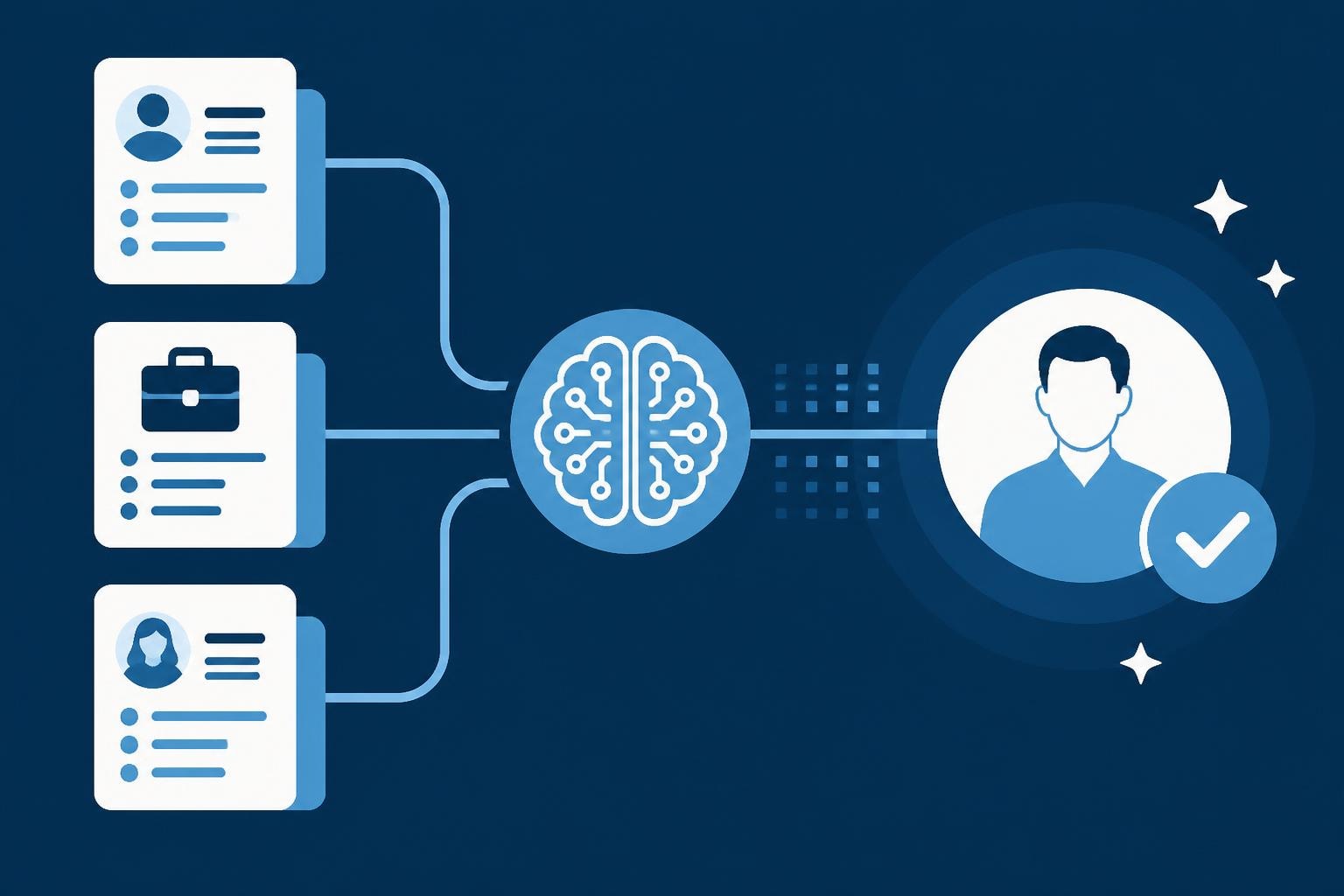
Modern ai candidate matching software operates on sophisticated algorithms that analyze multiple data points simultaneously. These systems process candidate resumes, cover letters, work histories, and skill assessments while comparing them against job descriptions, company culture indicators, and performance benchmarks. The technology moves beyond simple keyword matching to understand context, relationships between skills, and the nuanced requirements of specific roles.
The foundation of effective matching lies in natural language processing capabilities. These systems can interpret the meaning behind job requirements rather than just scanning for specific terms. For instance, when a job posting requires "leadership experience," the software recognizes that titles like "team lead," "project manager," or "department supervisor" indicate relevant experience, even if the exact phrase "leadership experience" doesn't appear in a resume.
Core Components of Matching Systems
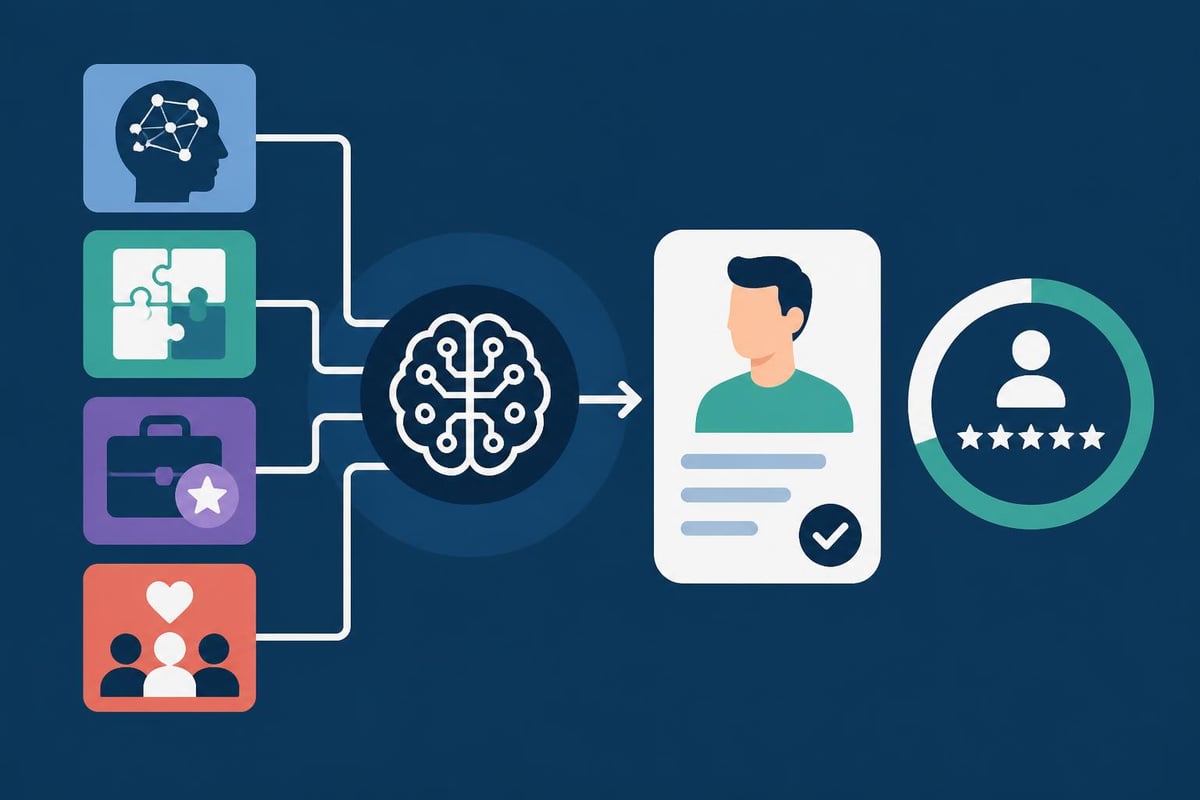
Semantic Understanding
These platforms parse unstructured data from resumes and job descriptions to identify meaningful patterns. The technology recognizes synonyms, related competencies, and transferable skills that humans might overlook during manual screening.
Predictive Scoring
Algorithms assign compatibility scores based on historical hiring data, success metrics, and multidimensional analysis. This scoring helps recruiters prioritize candidates most likely to succeed in specific roles.
Continuous Learning
Machine learning models improve over time by analyzing hiring outcomes, feedback from recruiters, and performance data of placed candidates. Systems become more accurate as they process additional information.
Key Features Transforming Recruitment Workflows
Organizations implementing ai candidate matching software gain access to capabilities that fundamentally reshape their recruitment operations. These features address common pain points while creating new opportunities for strategic talent acquisition.
Automated Resume Screening
The first touchpoint for most candidates involves resume submission, and modern systems excel at processing these documents at scale. Software can review hundreds of applications in minutes, extracting relevant information and ranking candidates based on job-specific criteria. This automation reduces time-to-hire significantly while ensuring that qualified candidates don't slip through the cracks due to resume formatting issues or unconventional career paths.
According to research on AI-assisted candidate evaluations, the importance of assessing both factual validity and linguistic authenticity has become critical for maintaining trust in automated systems. Organizations must balance efficiency gains with quality assurance measures.
Skill Gap Analysis
| Feature | Traditional Methods | AI-Powered Approach |
|---|---|---|
| Skill Identification | Manual review of resumes | Automated extraction and categorization |
| Gap Assessment | Subjective recruiter judgment | Data-driven comparison against requirements |
| Training Recommendations | Generic suggestions | Personalized development pathways |
| Update Frequency | Annual or project-based | Real-time, continuous monitoring |
Advanced platforms identify not just what skills candidates possess, but which critical competencies they're missing for specific roles. This insight helps organizations make informed decisions about hiring candidates with growth potential versus those who meet all current requirements. Talent Atrium's matching system evaluates applicants across multiple dimensions, providing detailed match scores and explanations.
Bias Reduction Mechanisms
- Blind screening options that remove identifying information during initial evaluations
- Standardized assessment criteria applied consistently across all candidates
- Diversity analytics tracking representation throughout the hiring funnel
- Audit trails documenting decision factors for compliance and improvement
These features help organizations build more equitable hiring processes while meeting regulatory requirements. However, success requires thoughtful implementation and ongoing monitoring to ensure algorithms don't perpetuate historical biases present in training data.
Implementation Strategies for Maximum Impact
Deploying ai candidate matching software requires more than purchasing a platform and importing existing data. Organizations that achieve the best results approach implementation strategically, considering their unique needs and existing workflows.
Data Quality Foundation
The accuracy of matching algorithms depends entirely on input data quality. Before implementation, companies should audit their job descriptions for clarity, specificity, and consistency. Vague requirements like "strong communication skills" need translation into measurable criteria. Similarly, standardizing how candidate information is collected ensures the system has reliable data to analyze.
Creating detailed candidate profiles goes beyond basic resume information. Successful implementations incorporate:
- Skills assessments that verify claimed competencies
- Cultural fit indicators based on values and work style preferences
- Career aspiration data to gauge long-term retention potential
- Performance benchmarks from similar roles within the organization
- Reference feedback structured for algorithmic analysis
Integration with Existing Systems
Modern recruitment ecosystems involve multiple platforms, from applicant tracking systems to HRIS software and communication tools. Effective ai candidate matching software must integrate seamlessly with these existing tools. For organizations seeking streamlined solutions, ATS integration capabilities have become essential for maintaining workflow continuity.
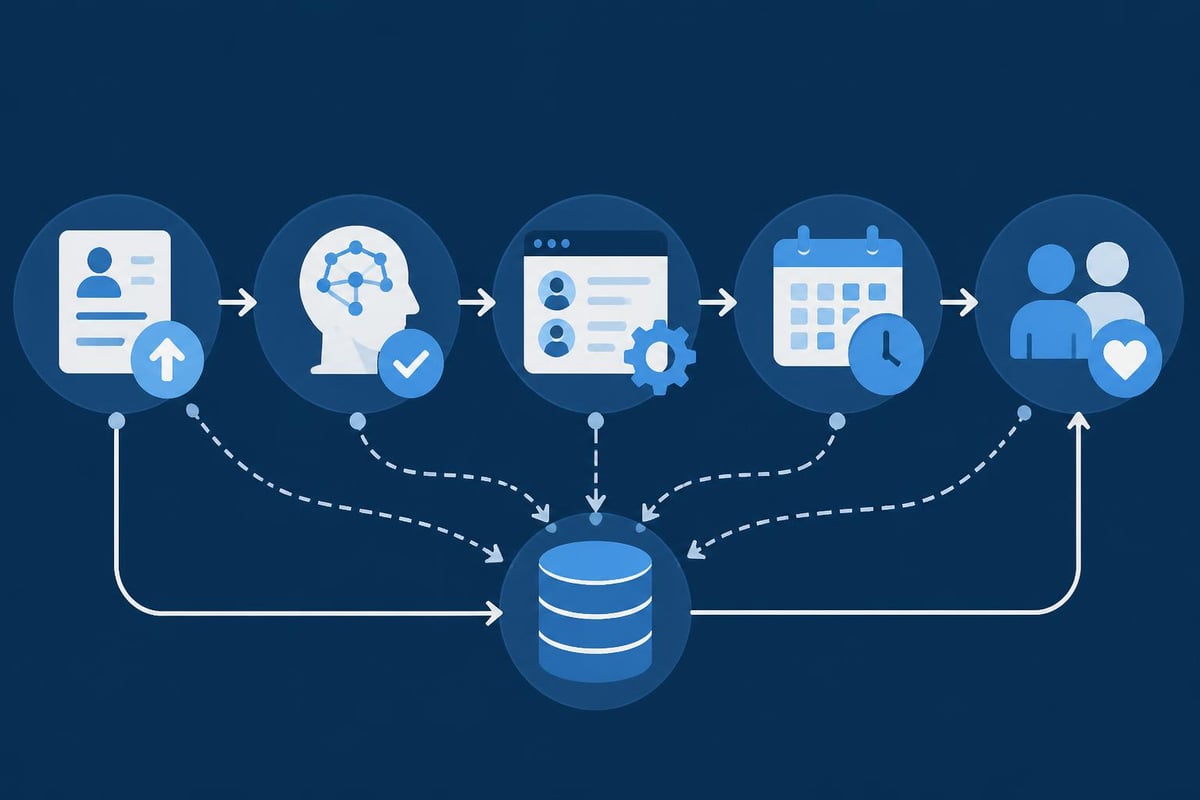
Consider how Workday's acquisition of Paradox demonstrates the industry trend toward comprehensive platforms that handle multiple recruitment functions through unified interfaces.
Training and Change Management
Even the most sophisticated software fails without proper user adoption. Recruitment teams need training not just on technical operations, but on interpreting AI-generated insights and maintaining human judgment in final decisions. Change management should address:
- Workflow modifications required by new technology
- Responsibility shifts as automation handles routine tasks
- Quality assurance processes for validating system recommendations
- Escalation procedures when automated matching produces questionable results
Advanced Capabilities Shaping Future Hiring
The evolution of ai candidate matching software continues accelerating as new technologies emerge and existing capabilities mature. Forward-thinking organizations are already leveraging cutting-edge features that will become standard in the coming years.
Transformer-Based Matching
Recent developments in transformer embeddings and skill knowledge graphs have significantly enhanced matching accuracy beyond traditional keyword-based systems. These architectures understand complex relationships between skills, industries, and roles, enabling more nuanced candidate-job pairing.
This technology excels at identifying transferable skills from adjacent industries. For example, a data analyst from the finance sector might possess highly relevant skills for a healthcare analytics role, even though they lack direct healthcare experience. Advanced systems recognize these connections that human reviewers might miss.
Conversational AI Interfaces
Candidate engagement has transformed through conversational AI that handles initial screening questions, schedules interviews, and provides status updates. This creates better candidate experiences while freeing recruiters to focus on relationship-building and strategic decision-making.
HireGen's AI recruitment features showcase how intelligent automation can manage routine interactions while escalating complex inquiries to human team members. The technology operates 24/7, ensuring candidates receive timely responses regardless of time zones or business hours.
Predictive Analytics and Success Modeling
| Predictive Metric | Application | Business Impact |
|---|---|---|
| Time-to-Productivity | Estimates onboarding duration for candidates | Resource planning and realistic timelines |
| Retention Likelihood | Predicts long-term tenure based on fit factors | Reduced turnover costs |
| Performance Potential | Forecasts on-job success using historical data | Higher quality hires |
| Culture Alignment | Assesses compatibility with team dynamics | Improved collaboration and satisfaction |
These analytics transform hiring from a reactive process into strategic workforce planning. Organizations can model different hiring scenarios, understand trade-offs between various candidate attributes, and make data-informed decisions about team composition.
Measuring ROI and Performance Outcomes
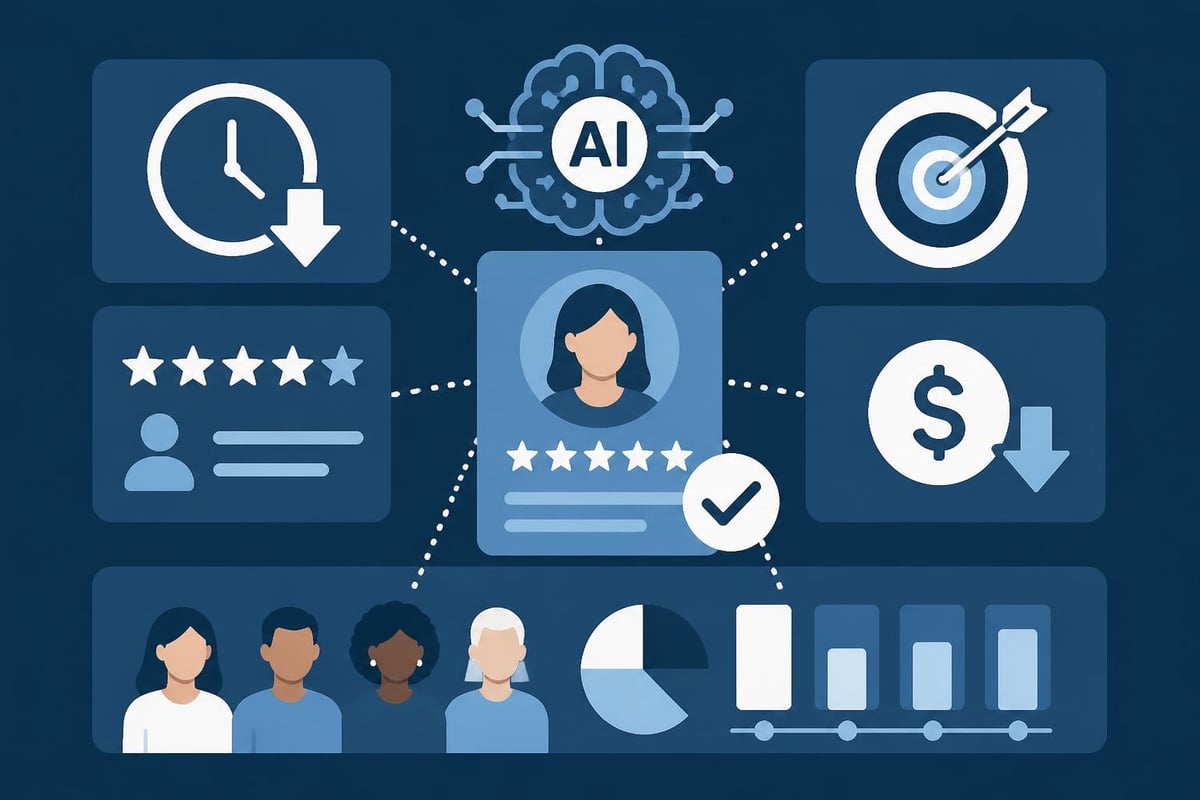
Implementing ai candidate matching software represents a significant investment, and stakeholders rightfully expect measurable returns. Organizations should track specific metrics that demonstrate value across multiple dimensions.
Efficiency Metrics
- Time-to-fill reductions measuring how quickly positions are staffed
- Cost-per-hire decreases accounting for recruiter time savings and advertising efficiency
- Application review capacity showing volume increases without additional headcount
- Interview-to-offer ratios indicating improved candidate quality
Quality Indicators
Beyond speed and cost, the quality of hires ultimately determines success. Track new hire performance ratings, retention rates at 90-day and one-year milestones, and manager satisfaction scores. Compare these metrics for AI-matched candidates versus traditionally sourced hires to quantify improvement.
Research on LLM-generated candidate assessments demonstrates how automated evaluation reports can mirror expert judgment while providing greater transparency and consistency. These structured assessments enable better quality tracking over time.
Candidate Experience Measures
The hiring process significantly impacts employer branding and candidate perception. Monitor:
- Application completion rates
- Candidate satisfaction survey scores
- Time-to-feedback metrics
- Offer acceptance rates
- Referral generation from applicants
Positive candidate experiences, even for those not hired, contribute to long-term talent pool development and brand reputation.
Addressing Common Implementation Challenges
Despite significant benefits, organizations encounter predictable challenges when deploying ai candidate matching software. Understanding these obstacles enables proactive mitigation strategies.
Data Privacy and Compliance
Recruitment data involves sensitive personal information subject to regulations like GDPR, CCPA, and industry-specific requirements. Ensure your chosen platform provides:
- Data encryption for information at rest and in transit
- Access controls limiting who can view candidate details
- Retention policies automatically purging data according to legal requirements
- Audit capabilities documenting data access and usage
Algorithm Transparency and Explainability
When software recommends or rejects candidates, recruiters and candidates alike need to understand the reasoning. Black-box algorithms that provide scores without explanation create legal risks and erode trust. Modern platforms should offer detailed breakdowns of matching factors, weighted appropriately, allowing human reviewers to validate or override automated decisions.
Platforms like Augmnt ATS address these concerns through verified matching and comprehensive candidate validation, including fraud detection mechanisms that enhance transparency while protecting against resume misrepresentation.
System Bias and Fairness
AI systems learn from historical data, which may contain embedded biases from past hiring decisions. Regular audits should examine:
- Demographic patterns in candidate advancement rates
- Score distributions across protected categories
- Language analysis in job descriptions that might discourage certain groups
- Feedback loops that could amplify initial biases
Balancing Automation with Human Judgment
The most effective implementations treat AI as augmentation rather than replacement. Critical decisions benefit from human insight, especially regarding cultural fit, communication style, and intangible qualities that algorithms struggle to assess. Define clear guidelines for when human review is mandatory versus when automated recommendations suffice.
Specialized Applications Across Industries
Different sectors face unique hiring challenges that ai candidate matching software addresses through customized approaches. Understanding industry-specific applications helps organizations maximize value from their investments.
Technology and Engineering Roles
Technical hiring demands precise skill matching and the ability to assess rapidly evolving competencies. AI systems excel at evaluating programming languages, framework experience, and technical certifications while identifying candidates with learning agility for emerging technologies. Platforms can administer and score technical assessments automatically, integrating results into overall match scores.
Healthcare and Clinical Positions
Medical hiring requires verification of credentials, licenses, and specialized training. Advanced matching systems validate certifications against regulatory databases and track continuing education requirements. For hiring managers in healthcare, these automated checks reduce compliance risks while accelerating credentialing processes.
High-Volume Hourly Recruitment
Organizations hiring for retail, hospitality, or customer service positions process thousands of applications for relatively similar roles. AI matching shines in these scenarios by quickly identifying qualified candidates, scheduling interviews automatically, and maintaining engagement through the hiring process. The technology handles scale that would overwhelm manual processes.
Executive and Specialized Search
While high-volume scenarios demonstrate efficiency gains, ai candidate matching software also enhances executive recruitment through sophisticated assessment of leadership competencies, industry networks, and strategic thinking capabilities. Systems analyze career trajectories, board experience, and achievement patterns to identify candidates capable of executive-level impact.
Future Trends Reshaping Candidate Matching
The trajectory of ai candidate matching software points toward increasingly sophisticated capabilities that will further transform recruitment practices. Organizations planning long-term talent strategies should monitor these emerging trends.
Multimodal Assessment Integration
Future systems will incorporate video interviews, voice analysis, and behavioral assessments into matching algorithms. Natural language processing will evaluate communication skills from recorded interviews, while sentiment analysis gauges candidate enthusiasm and cultural alignment. These additional data streams create more comprehensive candidate profiles than resume and application data alone.
Real-Time Labor Market Intelligence
Advanced platforms are beginning to incorporate external labor market data, tracking skill demand trends, compensation benchmarks, and talent availability by geography. This intelligence helps organizations set competitive requirements and identify when specifications are unrealistic given market conditions. Platforms like Workable showcase how AI-powered sourcing combined with market data creates strategic advantages.
Blockchain-Based Credential Verification
Emerging verification systems use blockchain technology to create tamper-proof records of education, certifications, and work history. When integrated with ai candidate matching software, these verified credentials eliminate fraud concerns while accelerating background check processes. The combination of automated background checks with AI matching creates seamless, trustworthy hiring workflows.
Personalized Candidate Development Pathways
Rather than simply matching current capabilities to requirements, next-generation systems will map development pathways showing how candidates could bridge skill gaps. This enables organizations to hire based on potential rather than just present qualifications, accessing broader talent pools while providing clear growth opportunities to candidates.
Vendor Selection Criteria for Strategic Success
Choosing the right ai candidate matching software provider requires evaluation beyond feature checklists. Organizations should assess vendors against strategic criteria that ensure long-term value and partnership quality.
Evaluation Framework
When comparing platforms, consider these critical factors:
- Matching algorithm sophistication and underlying technology approach
- Integration capabilities with existing recruitment technology stack
- Customization options for industry-specific or company-unique requirements
- Vendor roadmap alignment with your strategic hiring priorities
- Support and training resources for smooth implementation and ongoing optimization
- Security and compliance certifications relevant to your industry
- Pricing transparency and total cost of ownership clarity
Proof of Concept Recommendations
Before full implementation, conduct structured pilots that test the system against real hiring needs. Select representative job openings across difficulty levels and candidate volumes. Measure pilot results against baseline metrics from current processes, and gather feedback from recruiters and hiring managers about usability and value.
Vendor Partnership Approach
The best vendor relationships extend beyond software licensing to genuine partnership. Evaluate whether providers offer:
- Regular business reviews analyzing performance and optimization opportunities
- Access to product roadmaps and input on feature development
- Community forums connecting users across organizations
- Research sharing on recruitment best practices and industry trends
- Flexible contracting that accommodates business changes
Organizations exploring comprehensive solutions can request demonstrations to evaluate how different platforms address their specific challenges and objectives.
AI candidate matching software has evolved from experimental technology to essential infrastructure for modern recruitment operations. Organizations that strategically implement these systems gain measurable advantages in hiring speed, candidate quality, and cost efficiency while building more equitable and effective talent acquisition processes. As you evaluate how to enhance your recruitment capabilities, Augmnt offers a verified marketplace approach that combines intelligent matching with comprehensive fraud detection and skill verification, ensuring you connect with qualified AI professionals who meet your exact requirements.