AI ATS Software: Modern Recruiting Technology Guide
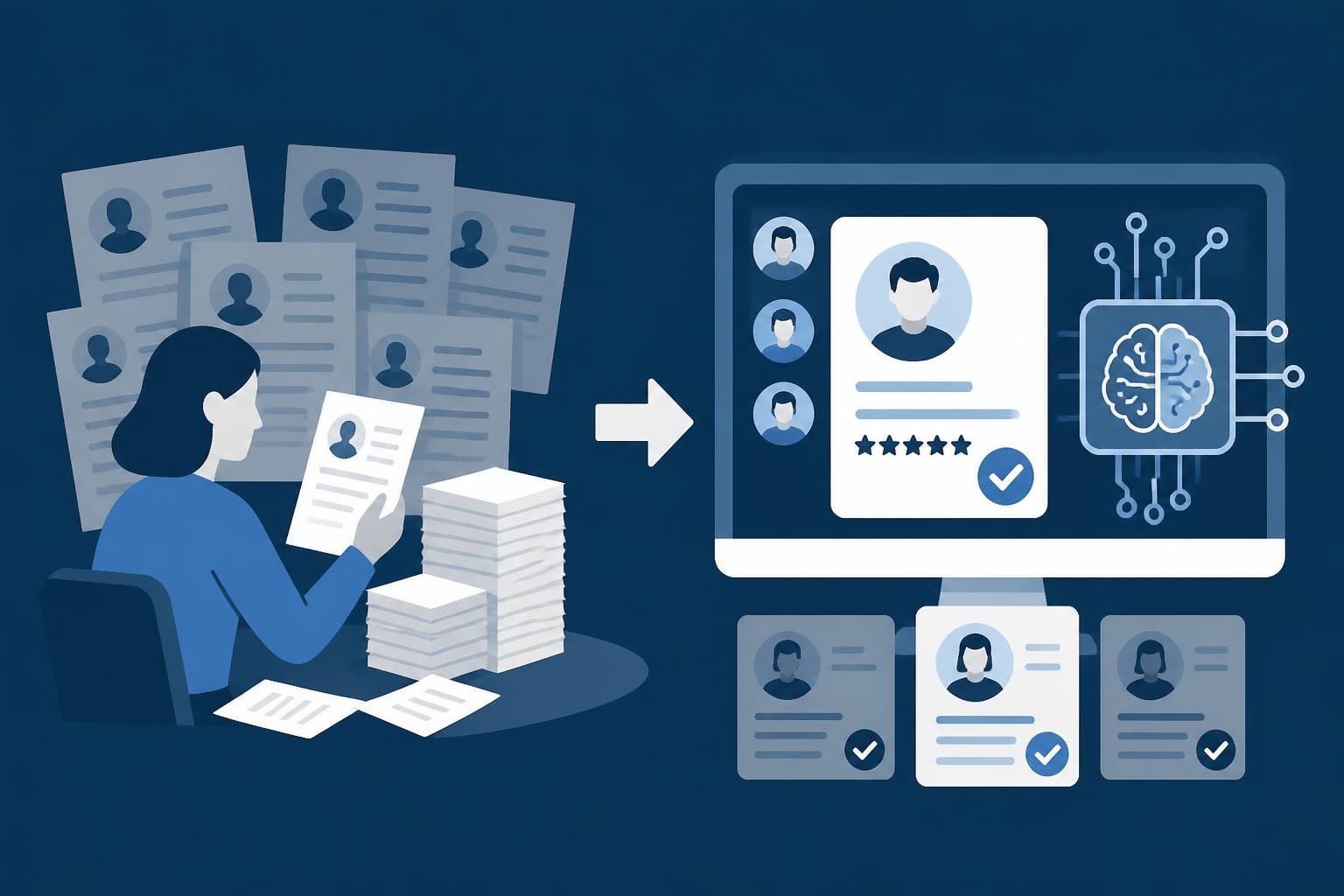
The recruitment landscape has undergone a dramatic transformation as artificial intelligence reshapes how organizations identify, evaluate, and hire talent. Modern ai ats software represents a fundamental shift from traditional applicant tracking systems, introducing capabilities that extend far beyond simple database management. These intelligent platforms now actively participate in candidate evaluation, utilizing machine learning algorithms to parse resumes, match qualifications, and predict candidate success with unprecedented accuracy. For businesses navigating competitive talent markets, particularly in specialized fields like AI and technology, understanding the full potential of ai ats software has become essential for building high-performing teams while maintaining efficiency and compliance throughout the hiring process.
Understanding AI-Powered Applicant Tracking Systems
AI ats software operates on fundamentally different principles than legacy recruitment tools. Traditional systems functioned primarily as resume repositories with basic keyword matching capabilities. Today's AI-enhanced platforms employ sophisticated natural language processing and machine learning models to understand context, evaluate qualifications, and make intelligent recommendations.
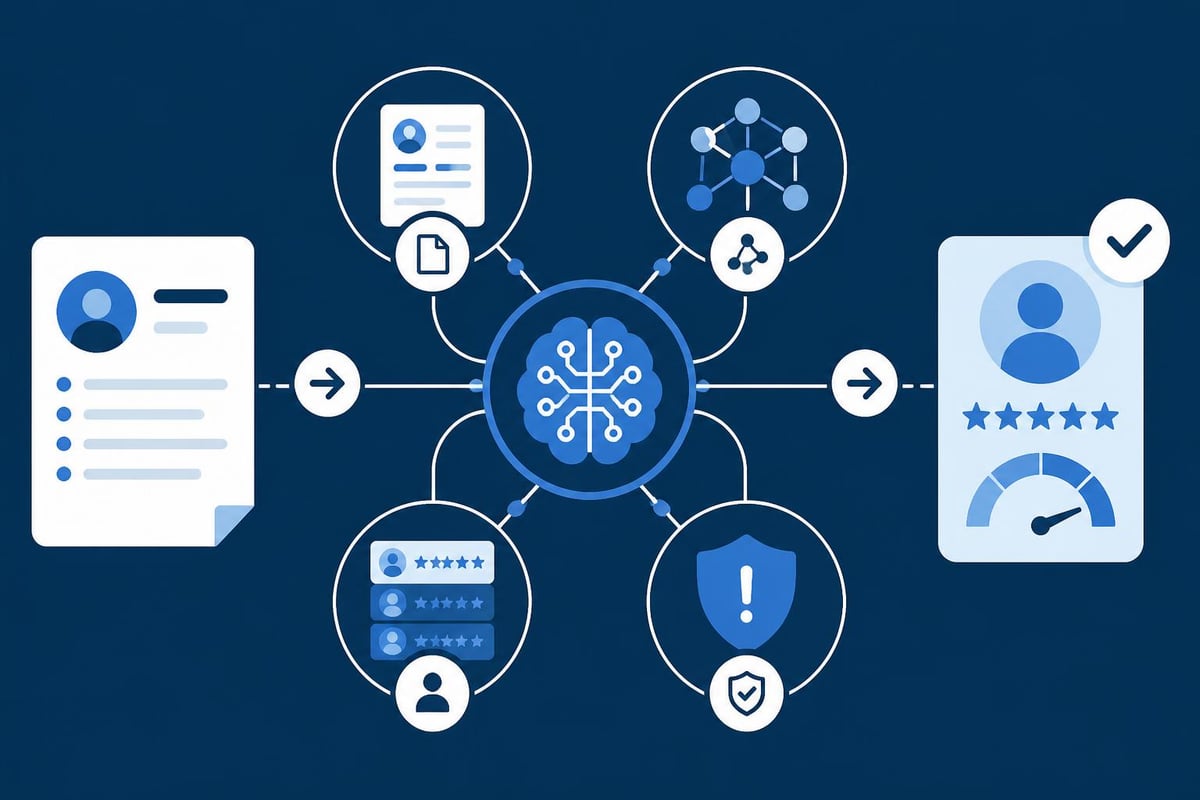
The core architecture of modern ai ats software typically includes several integrated components. Resume parsing engines extract structured data from unstructured documents, identifying skills, experience, education, and other relevant qualifications. Semantic matching algorithms go beyond simple keyword searches to understand the relationships between job requirements and candidate capabilities. Predictive analytics models assess candidate fit based on historical hiring data and performance outcomes.
Machine Learning in Candidate Evaluation
Machine learning models form the foundation of intelligent candidate assessment. These algorithms analyze thousands of data points across successful hires to identify patterns that correlate with performance. Unlike static rule-based systems, machine learning improves continuously as it processes more candidates and outcomes.
Key machine learning capabilities include:
- Pattern recognition across resume formats and writing styles
- Skill inference that identifies transferable competencies
- Experience weighting based on relevance to specific roles
- Cultural fit prediction using behavioral indicators
- Performance forecasting tied to historical hiring outcomes
According to research on AI-powered applicant tracking systems, natural language processing enables these platforms to extract nuanced information that traditional parsing methods miss entirely. This includes understanding context around achievements, recognizing industry-specific terminology, and evaluating the quality of past experience rather than just its duration.
Critical Features of Modern AI ATS Software
The feature set of contemporary ai ats software extends well beyond basic application management. Organizations selecting these platforms should evaluate capabilities across multiple dimensions to ensure comprehensive coverage of recruitment needs.
Automated Resume Screening and Ranking
Automated screening represents the most visible application of AI in recruitment technology. These systems process incoming applications at scale, evaluating each candidate against job requirements and organizational criteria. The sophistication of screening algorithms varies significantly across platforms.
Advanced ai ats software employs multi-factor ranking that considers:
- Technical skill alignment with required and preferred qualifications
- Experience relevance including industry, company size, and role complexity
- Career trajectory patterns indicating growth and advancement
- Education credentials with appropriate weighting by field
- Geographic compatibility for location-specific requirements
| Feature Category | Traditional ATS | AI ATS Software | Business Impact |
|---|---|---|---|
| Resume Parsing | Keyword matching | Semantic understanding | 40% more accurate matches |
| Candidate Ranking | Manual or basic scoring | ML-powered prediction | 3x faster shortlisting |
| Bias Reduction | Limited controls | Active bias detection | Improved diversity outcomes |
| Fraud Detection | Manual verification | Automated validation | 60% reduction in bad hires |
Intelligent Candidate Matching
Beyond screening applicants who apply directly, sophisticated ai ats software actively identifies potential candidates from talent pools. This proactive sourcing capability transforms recruitment from a reactive process into a strategic talent pipeline activity. The integration of AI into applicant tracking systems enables recruiters to discover candidates who might not have applied but possess ideal qualifications.
Matching algorithms analyze candidate profiles against open positions, considering both explicit requirements and implicit success factors. This includes evaluating past project experience, technical certifications, collaboration patterns, and career progression indicators that correlate with high performance.
Resume Fraud Detection and Candidate Verification
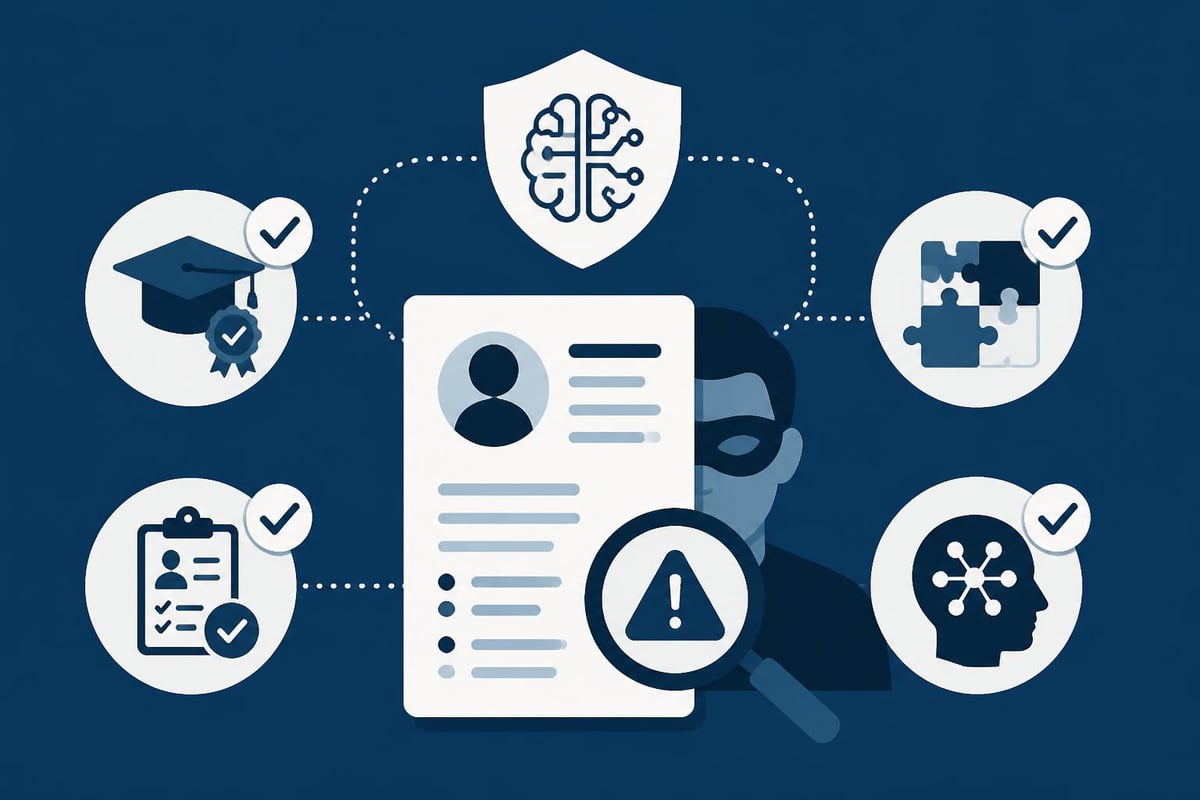
One of the most critical yet underappreciated capabilities of advanced ai ats software involves detecting fraudulent credentials and inflated qualifications. As competition for top positions intensifies, resume embellishment has become increasingly common, creating significant risks for hiring organizations.
AI-powered verification systems analyze multiple signals to identify potential fraud:
- Inconsistency detection across dates, titles, and responsibilities
- Credential validation against known educational institutions and certification bodies
- Experience verification through cross-referencing with employment databases
- Skill assessment correlation comparing claimed abilities with demonstrated competencies
- Writing pattern analysis identifying professionally written resumes versus candidate-generated content
For organizations hiring specialized AI talent, this verification becomes particularly crucial. Augmnt ATS specifically addresses this challenge through comprehensive candidate validation that includes resume fraud detection and skill verification, ensuring that businesses connect with genuinely qualified AI professionals rather than inflated profiles.
The Cost of Mis-Hires
The financial impact of hiring candidates with fraudulent credentials extends far beyond wasted recruitment costs. Organizations face productivity losses, team disruption, potential project failures, and reputational damage when unqualified individuals occupy critical roles.
Research indicates that a single bad hire at the professional level costs organizations between 1.5 and 3 times the annual salary when accounting for all direct and indirect expenses. For technical roles requiring specialized AI expertise, these costs escalate further due to the critical nature of the work and extended time required to identify performance gaps.
Optimization Strategies for ATS Success
Understanding how ai ats software evaluates candidates empowers both recruiters and job seekers to optimize their approaches. Comprehensive ATS research synthesizing findings from multiple studies reveals specific strategies that improve candidate visibility and matching accuracy.
For Recruiters and Hiring Managers
Organizations implementing ai ats software should focus on several key areas to maximize return on investment:
Job Description Optimization
- Use clear, specific language describing required skills and qualifications
- Include both technical terms and plain language equivalents
- Structure requirements as discrete, parseable elements
- Differentiate between required and preferred qualifications
- Update descriptions based on successful hire profiles
System Training and Calibration
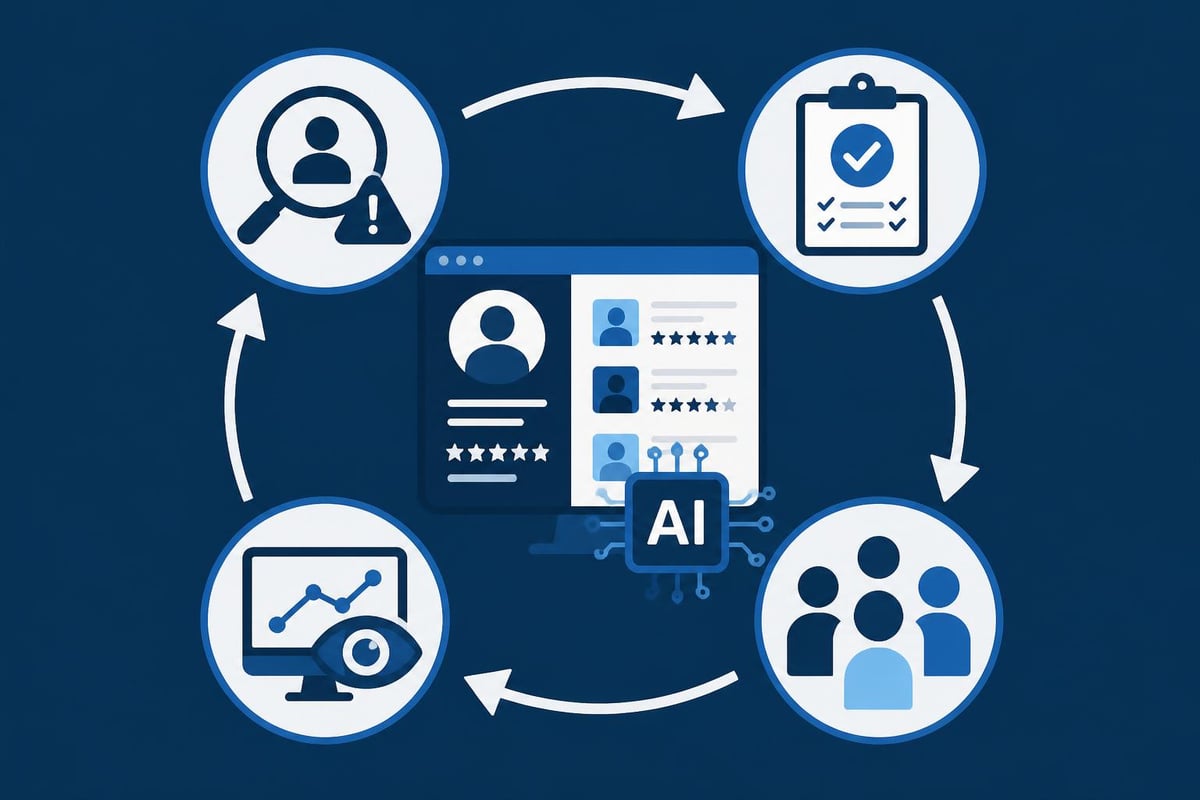
Effective ai ats software requires ongoing training to align with organizational priorities. This includes providing feedback on candidate rankings, adjusting weighting factors for different criteria, and refining the algorithms based on hiring outcomes. Modern AI applicant tracking systems learn from these inputs to improve accuracy over time.
For Job Seekers and Candidates
Candidates benefit from understanding how ai ats software processes applications. Key optimization strategies include:
- Format compatibility using standard resume structures with clear section headers
- Keyword integration naturally incorporating relevant terms from job descriptions
- Quantified achievements providing specific metrics and outcomes
- Skills sections explicitly listing technical competencies and tools
- Clean formatting avoiding complex tables, graphics, or unusual fonts
Addressing Bias and Ensuring Fair Evaluation
One of the most significant concerns surrounding ai ats software involves potential algorithmic bias. When trained on historical hiring data that reflects human biases, AI systems can perpetuate or even amplify discriminatory patterns. Understanding how these biases emerge and implementing strategies to mitigate them represents a critical responsibility for organizations deploying recruitment AI.
Sources of Algorithmic Bias
Bias in ai ats software typically originates from several sources:
Training Data Bias
Machine learning models learn from historical patterns. If past hiring decisions favored particular demographics or backgrounds, the AI will identify those patterns as success indicators. This creates a self-reinforcing cycle where existing organizational homogeneity becomes encoded into the selection algorithm.
Proxy Variables
Seemingly neutral criteria can function as proxies for protected characteristics. For example, specific educational institutions, neighborhood addresses, or extracurricular activities may correlate with demographic factors, allowing bias to enter through indirect channels.
Interaction Effects
Multiple legitimate criteria can combine in ways that produce discriminatory outcomes. The intersection of education requirements, years of experience, and specific technical skills might inadvertently screen out qualified candidates from underrepresented groups.
| Bias Type | Manifestation | Mitigation Strategy |
|---|---|---|
| Historical | Perpetuating past hiring patterns | Regular model retraining with diverse outcomes |
| Proxy | Indirect demographic screening | Careful feature selection and testing |
| Confirmation | Reinforcing recruiter assumptions | Blind screening phases |
| Sampling | Unrepresentative training data | Diverse candidate pools for model development |
Implementing Fairness Controls
Advanced ai ats software includes built-in fairness controls and transparency features. These mechanisms allow organizations to audit algorithmic decisions, identify potential bias sources, and adjust parameters to ensure equitable evaluation.
Essential fairness features include:
- Demographic impact analysis showing outcome distributions
- Explanation interfaces revealing which factors influenced rankings
- Bias testing protocols using synthetic candidate profiles
- Override capabilities allowing human judgment when appropriate
- Regular algorithmic audits by independent evaluators
The evolution of applicant tracking systems demonstrates increasing attention to fairness and transparency as these platforms mature and their influence on hiring outcomes becomes more significant.
Integration with Broader HR Technology Ecosystems
Modern ai ats software functions as a central hub within comprehensive HR technology stacks. The value of these systems multiplies when they connect seamlessly with complementary tools for onboarding, performance management, learning development, and workforce analytics.
Critical Integration Points
HRIS and Core HR Systems
Candidate data flows directly into human resources information systems once hiring decisions finalize. This integration eliminates duplicate data entry and ensures consistency across employee records from the recruitment stage through the entire employment lifecycle. ATS integrations enable this seamless data transfer while maintaining security and compliance.
Assessment and Testing Platforms
Many organizations supplement resume screening with skills assessments, personality tests, or technical evaluations. Sophisticated ai ats software integrates these assessment results directly into candidate profiles, incorporating test scores into overall ranking algorithms and providing recruiters with comprehensive views of candidate capabilities.
Communication and Scheduling Tools
Automated communication represents another valuable integration point. AI ats software can trigger personalized email sequences, schedule interviews based on availability, send reminders, and update candidates on application status without manual recruiter intervention.
Data Analytics and Reporting
The analytical capabilities of ai ats software provide insights that extend far beyond individual hiring decisions. Organizations gain visibility into recruitment funnel metrics, source effectiveness, time-to-hire patterns, and candidate quality indicators.
Key analytics capabilities:
- Source attribution showing which channels produce the best candidates
- Conversion analysis identifying bottlenecks in the hiring process
- Quality metrics comparing new hire performance against predictions
- Diversity reporting tracking representation across candidate pools
- Cost-per-hire calculations allocating recruitment expenses accurately
Compliance and Regulatory Considerations
Deployment of ai ats software carries significant compliance implications. Organizations must navigate a complex landscape of employment law, data privacy regulations, and emerging AI governance frameworks.
Employment Law Compliance
Fair hiring practices regulations vary by jurisdiction but generally prohibit discrimination based on protected characteristics. The challenge with ai ats software involves demonstrating that algorithmic decisions comply with these requirements. Research on minimizing human intervention in recruitment highlights both the efficiency benefits and compliance complexities of automated screening.
Organizations should maintain documentation showing:
- The criteria used by ai ats software to evaluate candidates
- Validation studies demonstrating job-relatedness of selection factors
- Adverse impact analyses revealing outcome differences across groups
- Processes for human review of algorithmic decisions
- Mechanisms for candidates to challenge automated rejections
Data Privacy and Protection
AI ats software processes extensive personal information about candidates, creating obligations under privacy regulations like GDPR, CCPA, and similar frameworks. Compliance requirements include obtaining appropriate consent, limiting data retention, providing access to personal information, and implementing security measures to protect candidate data.
Privacy best practices for ai ats software:
- Collect only information necessary for hiring decisions
- Provide clear notice about automated decision-making
- Implement role-based access controls limiting who views candidate data
- Establish data retention schedules aligned with legal requirements
- Enable candidate rights including access, correction, and deletion
Selecting the Right AI ATS Software
The market for ai ats software has expanded rapidly, with dozens of vendors offering platforms with varying capabilities, specializations, and pricing models. Organizations selecting these systems should evaluate options across multiple dimensions to ensure alignment with specific recruitment needs.
Evaluation Criteria Framework
Functional Requirements
Begin by mapping your recruitment process and identifying specific needs. Consider factors like hiring volume, role complexity, geographic distribution, and integration requirements. Comprehensive overviews of applicant tracking systems provide frameworks for comparing functionality across platforms.
Different ai ats software packages excel in different areas. Some prioritize high-volume screening for entry-level positions, while others specialize in executive search or technical recruiting. Matching platform strengths to organizational needs prevents both under-buying systems that lack critical capabilities and over-buying solutions with unnecessary features.
Technical Considerations
- Deployment model: Cloud-based versus on-premise installation
- Scalability: Ability to handle growing candidate volumes
- Customization: Flexibility to adapt to unique processes
- API availability: Integration capabilities with existing systems
- Mobile accessibility: Functionality on smartphones and tablets
Vendor Assessment
Beyond the software itself, evaluate the vendor organization. Consider factors like financial stability, customer support quality, implementation services, training resources, and product roadmap. Long-term success with ai ats software depends significantly on vendor partnership quality.
Implementation and Change Management
Successful ai ats software deployment requires careful planning and stakeholder engagement. Recruiters, hiring managers, candidates, and IT teams all interact with these systems, making change management a critical success factor.
Implementation best practices:
- Conduct process mapping documenting current workflows before implementation
- Define success metrics establishing clear objectives for the new system
- Pilot with limited scope testing functionality before full deployment
- Provide comprehensive training ensuring all users understand capabilities
- Gather continuous feedback refining configuration based on user experience
- Monitor outcomes closely tracking both efficiency and quality metrics
Future Directions in AI ATS Technology
The capabilities of ai ats software continue to evolve as artificial intelligence advances and recruitment needs become more sophisticated. Several emerging trends will shape the next generation of these platforms.
Conversational AI and Chatbots
AI-powered chatbots are increasingly handling initial candidate interactions, answering questions about positions, collecting preliminary information, and even conducting screening interviews. Natural language processing enables these systems to engage in nuanced conversations while extracting structured data for evaluation.
Predictive Attrition Modeling
Advanced ai ats software is beginning to predict not just candidate success but also retention likelihood. By analyzing factors associated with employee turnover, these systems help organizations identify candidates most likely to remain long-term, reducing costly attrition.
Skills-Based Matching Evolution
The future of ai ats software emphasizes skills over credentials, recognizing that traditional markers like degrees and job titles imperfectly predict capability. Graph-based skill models map relationships between competencies, enabling more nuanced matching that identifies candidates with transferable abilities.
Emerging capabilities include:
- Dynamic skill taxonomies that evolve with market demands
- Learning pathway recommendations showing how candidates can develop missing skills
- Project-based evaluation assessing actual work products rather than resumes
- Portfolio analysis for creative and technical roles
- Real-time skill validation through integrated assessments
Enhanced Transparency and Explainability
Regulatory pressure and ethical concerns are driving demand for more transparent ai ats software. Next-generation platforms will provide detailed explanations for ranking decisions, allowing both candidates and recruiters to understand which factors influenced outcomes and why.
The transformation from traditional applicant tracking to intelligent ai ats software represents one of the most significant shifts in recruitment technology, offering organizations unprecedented capabilities for identifying, evaluating, and engaging talent at scale. For businesses seeking specialized AI professionals, the stakes are particularly high, as the quality of technical hires directly impacts innovation capacity and competitive positioning. Augmnt addresses these challenges by combining intelligent matching technology with comprehensive candidate verification, ensuring that organizations connect with genuinely qualified AI talent while eliminating the fraud and inflated credentials that plague technical recruiting. Whether you're building an AI team or enhancing recruitment capabilities across your organization, exploring verified talent marketplaces alongside robust ai ats software creates a powerful foundation for hiring success.