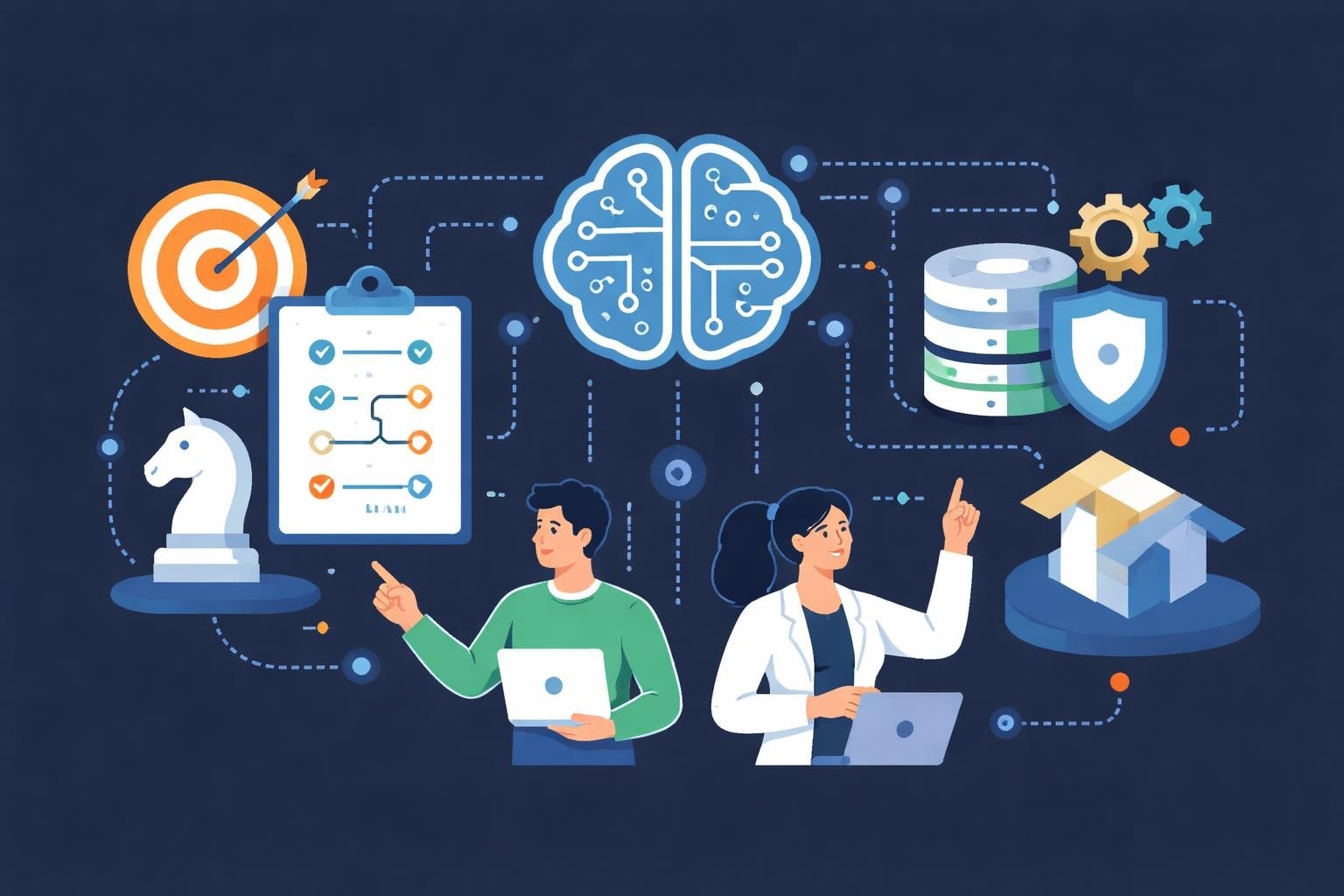
AI and ML Consulting: A Strategic Guide for 2026
Artificial intelligence and machine learning have moved beyond buzzwords to become critical competitive differentiators for organizations across every sector. As businesses race to harness these technologies, the demand for specialized expertise has created a thriving ecosystem of consultants who bridge the gap between technical possibility and business reality. Whether you're launching your first AI initiative or scaling existing capabilities, understanding how to leverage external expertise effectively can mean the difference between transformative success and expensive failure.
Understanding the AI and ML Consulting Landscape
The ai and ml consulting industry has matured significantly over the past several years. What began as experimental projects has evolved into a structured discipline with established methodologies, proven frameworks, and measurable outcomes.
Professional consultants in this space bring several critical advantages to organizations. They offer deep technical expertise in algorithms, neural networks, and data architectures that most companies lack internally. More importantly, they provide strategic perspective gained from implementing solutions across diverse industries and use cases.
Core Service Categories
AI and ML consulting typically encompasses several distinct service areas, each addressing different stages of the implementation journey:
- Strategic assessment and roadmap development
- Data infrastructure and preparation
- Model development and training
- Integration and deployment
- Performance monitoring and optimization
- Team training and knowledge transfer
The most effective engagements combine multiple service areas into cohesive programs aligned with specific business objectives. A comprehensive approach to AI consulting ensures that technical implementations drive measurable business value rather than existing as isolated technology experiments.
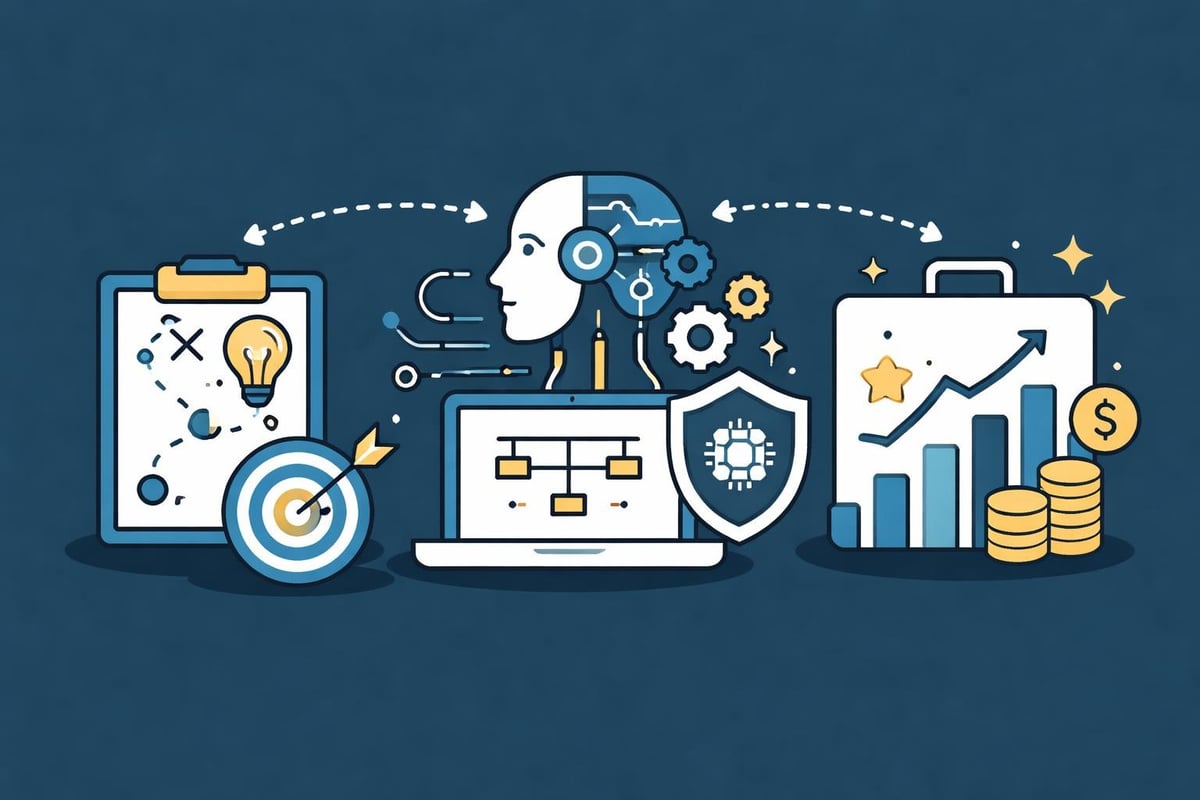
Identifying When You Need External AI and ML Expertise
Many organizations struggle to determine the right moment to engage external consultants. Several clear indicators suggest that ai and ml consulting could accelerate your initiatives and improve outcomes.
Lack of in-house expertise represents the most obvious trigger. If your team lacks experience with specific algorithms, frameworks, or deployment architectures, consultants can provide both immediate capability and knowledge transfer that builds internal competency over time.
Stalled projects signal another critical need. When AI initiatives lose momentum due to technical challenges, unclear requirements, or integration complexities, experienced consultants can diagnose problems and get projects back on track.
Resource Constraints and Speed Requirements
| Situation | Internal Team Approach | Consulting Approach |
|---|---|---|
| New AI initiative | 6-12 month learning curve | Immediate expertise application |
| Proof of concept | Trial and error experimentation | Proven methodologies |
| Production deployment | High risk of mistakes | De-risked implementation |
| Scaling challenges | Extended troubleshooting | Pattern-based solutions |
Organizations also benefit from external expertise when facing compressed timelines. Building internal capability takes time that competitive pressures may not allow. Consultants accelerate delivery while simultaneously developing your team's skills through collaborative work.
Finding and hiring top AI machine learning consultants requires careful evaluation of both technical credentials and business acumen.
Key Competencies to Evaluate in AI and ML Consultants
Not all consultants deliver equal value. Distinguishing exceptional practitioners from those with superficial knowledge requires assessing specific competencies across technical, business, and interpersonal dimensions.
Technical Depth and Breadth
Strong consultants demonstrate mastery of multiple frameworks and approaches rather than narrow specialization. They should articulate tradeoffs between different algorithms, explain when to use deep learning versus traditional machine learning, and design architectures that balance performance with maintainability.
Evaluate their experience with:
- Data preparation and feature engineering (often 70-80% of project effort)
- Model selection and hyperparameter tuning
- Production deployment and MLOps practices
- Monitoring, evaluation, and continuous improvement
- Privacy, security, and ethical AI considerations
Request specific examples of past implementations, focusing on challenges encountered and how they were resolved. Generic case studies reveal less than detailed technical narratives.
Business Acumen and Communication
Technical brilliance matters little if consultants cannot translate complex concepts into business terms or align solutions with strategic objectives. The best ai and ml consulting professionals function as translators between technical and business stakeholders.
They should demonstrate ability to:
- Quantify expected ROI and success metrics before project initiation
- Identify quick wins that build momentum and stakeholder confidence
- Navigate organizational politics and change management challenges
- Communicate technical concepts to non-technical audiences effectively
When platforms like Augmnt ATS verify consultant credentials through comprehensive validation, including resume fraud detection and skill verification, organizations gain confidence that candidates possess genuine expertise rather than inflated qualifications.
Structuring Effective AI and ML Consulting Engagements
The structure of your consulting engagement significantly impacts outcomes. Different models suit different organizational needs and project characteristics.
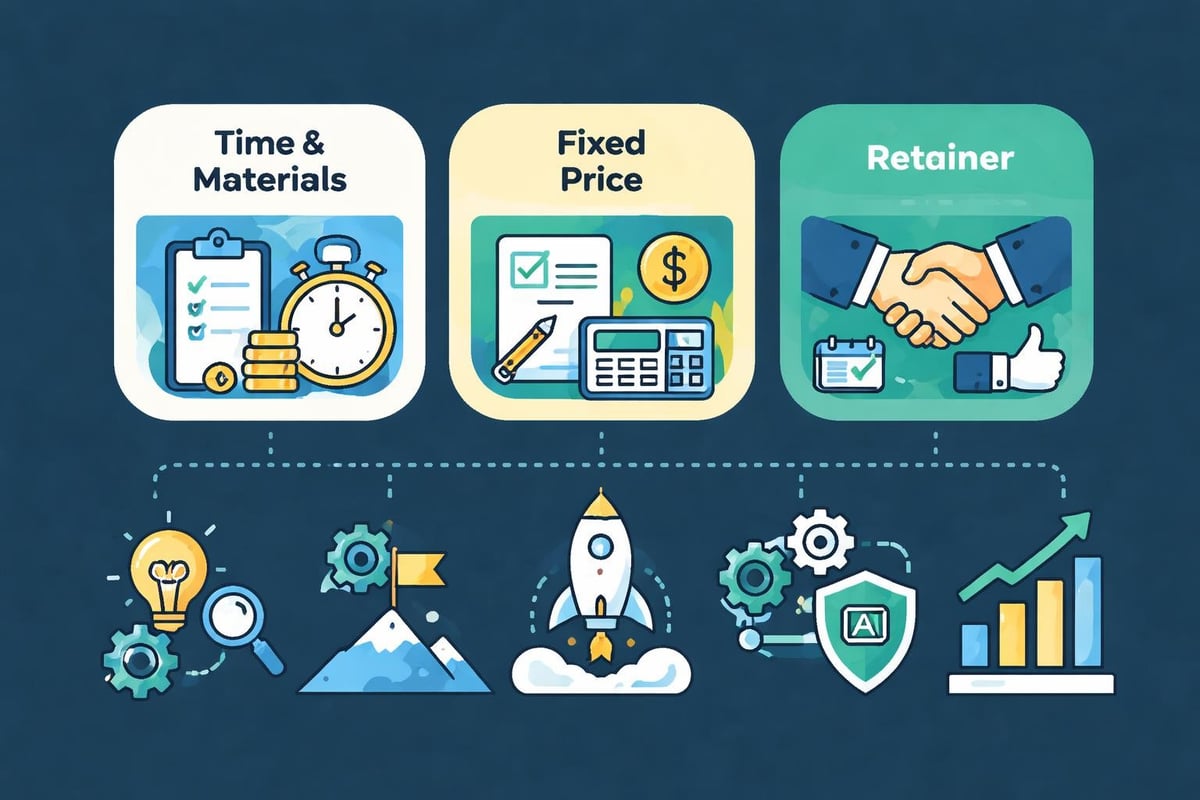
Common Engagement Models
Time and materials arrangements provide maximum flexibility for exploratory projects where requirements evolve as teams learn. This model works well for research-oriented initiatives and complex integrations where unknowns make fixed pricing risky.
Fixed-price projects suit well-defined initiatives with clear deliverables and success criteria. Organizations with limited budgets or strict procurement requirements often prefer this approach, though it requires detailed upfront scoping to avoid scope creep conflicts.
Retained advisory relationships deliver ongoing strategic guidance and technical oversight. Senior leaders benefit from periodic check-ins with experienced consultants who provide perspective on technology trends, architectural decisions, and team development.
| Engagement Type | Best For | Typical Duration | Budget Structure |
|---|---|---|---|
| Discovery/Assessment | Initial exploration | 2-6 weeks | Fixed fee |
| Proof of Concept | Validating approach | 6-12 weeks | Time & materials |
| Full Implementation | Production deployment | 3-9 months | Mixed or fixed |
| Advisory Retainer | Ongoing guidance | 12+ months | Monthly fee |
Defining Success Criteria
Effective engagements begin with clear success definitions. Vague objectives like "implement AI" guarantee disappointment. Specific, measurable outcomes like "reduce customer churn by 15% through predictive modeling" create accountability and focus.
Establish metrics at three levels:
- Business outcomes: Revenue impact, cost reduction, customer satisfaction improvements
- Technical performance: Model accuracy, inference latency, system reliability
- Capability building: Team skills developed, documentation created, processes established
Understanding how businesses leverage AI and ML consulting to transform data provides valuable context for setting realistic yet ambitious goals.
Managing the Consultant-Client Relationship
Successful ai and ml consulting outcomes depend heavily on relationship dynamics and collaboration approaches. Even highly skilled consultants struggle when organizational factors create obstacles.
Establishing Clear Governance
Define decision-making authority, escalation paths, and communication cadences at engagement outset. Weekly status meetings, bi-weekly steering committee reviews, and monthly executive briefings create rhythm and transparency.
Identify a single internal owner with authority to make decisions and remove blockers. Projects suffer when consultants must navigate complex approval processes or conflicting stakeholder priorities without clear leadership.
Data access and infrastructure frequently become bottlenecks. Consultants need timely access to relevant data, development environments, and deployment platforms. Organizations should prepare these elements before engagements begin rather than scrambling mid-project.
Knowledge Transfer and Capability Building
The most valuable consulting engagements leave organizations more capable than they found them. Insist on knowledge transfer throughout the project rather than treating it as a final phase activity.
Effective approaches include:
- Pairing internal team members with consultants on all tasks
- Requiring comprehensive documentation of architectures, models, and processes
- Conducting regular training sessions on tools and techniques
- Establishing communities of practice that outlast the engagement
- Creating runbooks and troubleshooting guides for ongoing operations
Organizations looking to build AI teams can explore opportunities through platforms like Augmnt's hiring solutions to identify verified professionals who can sustain and extend consultant-built capabilities.
Critical Technology Decisions in AI and ML Projects
Consultants guide numerous technology decisions that impact both immediate outcomes and long-term flexibility. Understanding key choice points helps organizations evaluate recommendations and ask informed questions.
Cloud Versus On-Premise Deployment
Most modern AI implementations leverage cloud platforms for development and deployment. Cloud providers offer pre-built services, scalable infrastructure, and managed MLOps tools that accelerate delivery.
However, certain scenarios favor on-premise or hybrid approaches:
- Highly regulated industries with data residency requirements
- Organizations with existing on-premise investments and expertise
- Use cases requiring extremely low latency or high data throughput
- Situations where cloud costs exceed on-premise alternatives at scale
Consultants should present objective analysis of tradeoffs rather than defaulting to preferred platforms. Developing intelligent AI systems that integrate seamlessly with organizational data ecosystems requires careful architectural planning.
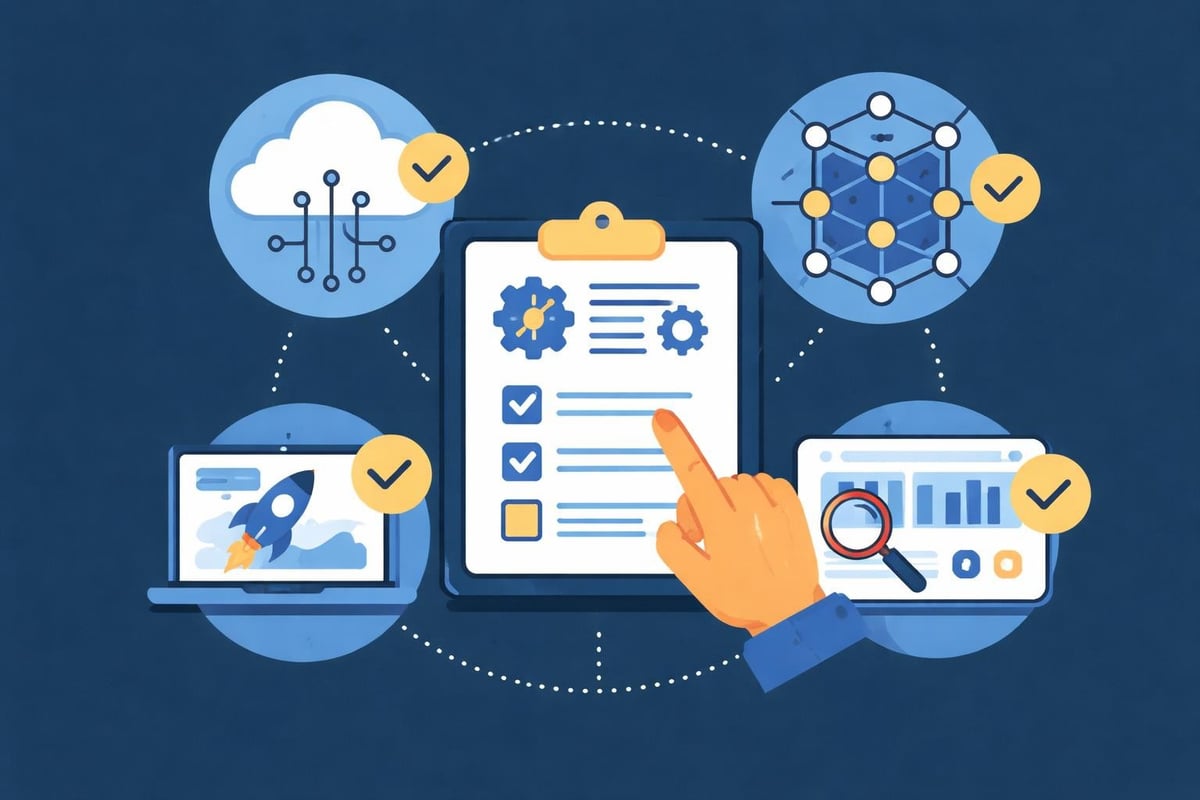
Open Source Versus Commercial Tools
The AI ecosystem includes robust open-source frameworks (TensorFlow, PyTorch, scikit-learn) alongside commercial platforms (DataRobot, H2O.ai, AWS SageMaker). Each category offers distinct advantages.
Open source benefits:
- No licensing costs
- Maximum flexibility and customization
- Large community support and resources
- Avoid vendor lock-in
Commercial platform advantages:
- Faster time to value through automation
- Enterprise support and SLAs
- Integrated security and compliance features
- Reduced need for specialized expertise
The right choice depends on your organization's technical sophistication, budget constraints, and strategic priorities. Many implementations combine both approaches, using commercial platforms for rapid prototyping and open source for production deployment.
Measuring ROI and Value From AI and ML Consulting
Quantifying returns from ai and ml consulting investments requires frameworks that capture both tangible and intangible benefits across appropriate timeframes.
Direct Financial Metrics
Track costs avoided, revenue generated, and efficiency gains attributable to AI implementations. Common metrics include:
- Revenue impact: Increased conversion rates, improved pricing optimization, enhanced personalization
- Cost reduction: Automated processes, reduced manual labor, optimized resource allocation
- Risk mitigation: Fraud detection savings, compliance cost avoidance, quality improvement
Calculate total cost of ownership including consulting fees, infrastructure costs, internal team time, and ongoing maintenance requirements. Compare against baseline performance to isolate AI-specific contributions.
Capability and Strategic Value
Some benefits manifest over longer horizons or resist precise quantification. These include:
| Value Category | Measurement Approach | Typical Timeline |
|---|---|---|
| Team capability | Skills assessments, certification completion | 6-12 months |
| Data maturity | Data quality metrics, governance adoption | 12-24 months |
| Innovation velocity | Time to deploy new models | 18-36 months |
| Competitive positioning | Market share, customer acquisition | 24+ months |
Organizations should balance short-term wins that demonstrate value with strategic investments that build enduring competitive advantages. The best consulting engagements deliver both.
Understanding the top AI and ML consulting service firms and their track records helps set realistic expectations for outcomes and timelines.
Common Pitfalls and How to Avoid Them
Even well-planned ai and ml consulting engagements encounter predictable challenges. Awareness of common pitfalls enables proactive mitigation.
Data Quality and Availability Issues
Poor data quality derails more AI projects than any other factor. Incomplete records, inconsistent formats, and biased samples undermine even sophisticated algorithms.
Address data challenges before engaging consultants by:
- Conducting data quality assessments
- Identifying and remediating critical gaps
- Establishing data governance processes
- Creating sandboxes with representative data samples
When data problems emerge mid-project, resist the temptation to forge ahead. Pause to address root causes rather than accepting compromised models built on flawed foundations.
Misaligned Expectations
Unrealistic expectations about AI capabilities, implementation timelines, or required investments create inevitable disappointment. Consultants share responsibility for setting appropriate expectations through transparent scoping and education.
Organizations should maintain healthy skepticism toward promises of revolutionary transformation in weeks rather than months. Meaningful AI implementations require sustained effort, iteration, and organizational change management.
Integration and Adoption Challenges
Brilliant models that never integrate into business processes or gain user adoption deliver zero value. Plan for integration from day one rather than treating it as an afterthought.
Involve end users early in design, conduct usability testing throughout development, and create change management programs that drive adoption. Technical excellence means nothing without operational usage.
Exploring resources like the Augmnt blog provides insights into talent strategies and implementation approaches that support successful AI adoption.
Future Trends Shaping AI and ML Consulting
The ai and ml consulting landscape continues evolving rapidly as technologies mature and new capabilities emerge. Several trends will significantly impact how organizations engage consultants through 2026 and beyond.
Specialized Vertical Expertise
Generic AI consulting gives way to deep vertical specialization as use cases become more sophisticated. Consultants with healthcare, financial services, or manufacturing expertise command premiums by understanding industry-specific regulations, data structures, and business processes.
This specialization benefits clients through faster implementations, better solutions, and reduced compliance risk. Generalist consultants increasingly struggle to compete except on foundational projects.
Responsible AI and Ethics
Regulatory scrutiny around AI fairness, transparency, and accountability intensifies globally. The European Union's AI Act, sector-specific regulations, and growing consumer awareness make responsible AI practices business imperatives.
Consultants must now address:
- Bias detection and mitigation in training data and models
- Explainability and interpretability for regulated decisions
- Privacy-preserving techniques like federated learning
- Ongoing monitoring for model drift and fairness degradation
- Documentation and governance for regulatory compliance
Organizations should evaluate consultant expertise in these areas as carefully as technical capabilities. Reviewing how leading consulting firms approach AI implementation reveals best practices worth emulating.
MLOps and Automation
The discipline of MLOps matured significantly, bringing software engineering rigor to machine learning lifecycle management. Consultants increasingly focus on sustainable, maintainable implementations rather than one-off proofs of concept.
Modern engagements establish:
- Automated model training and retraining pipelines
- Continuous integration and deployment for ML systems
- Comprehensive monitoring and alerting
- Version control for data, code, and models
- A/B testing frameworks for model comparison
These practices reduce long-term costs and enable organizations to evolve AI capabilities without consultant dependency.
AI and ML consulting represents a strategic investment that accelerates capability development, reduces implementation risk, and drives measurable business outcomes when approached thoughtfully. Success requires careful consultant selection, well-structured engagements, and organizational commitment to learning and adoption. Augmnt bridges the gap between consulting expertise and permanent capability by connecting businesses with verified AI professionals who bring proven skills and authentic credentials to every engagement, ensuring your AI initiatives succeed both during consulting projects and long after consultants move on.