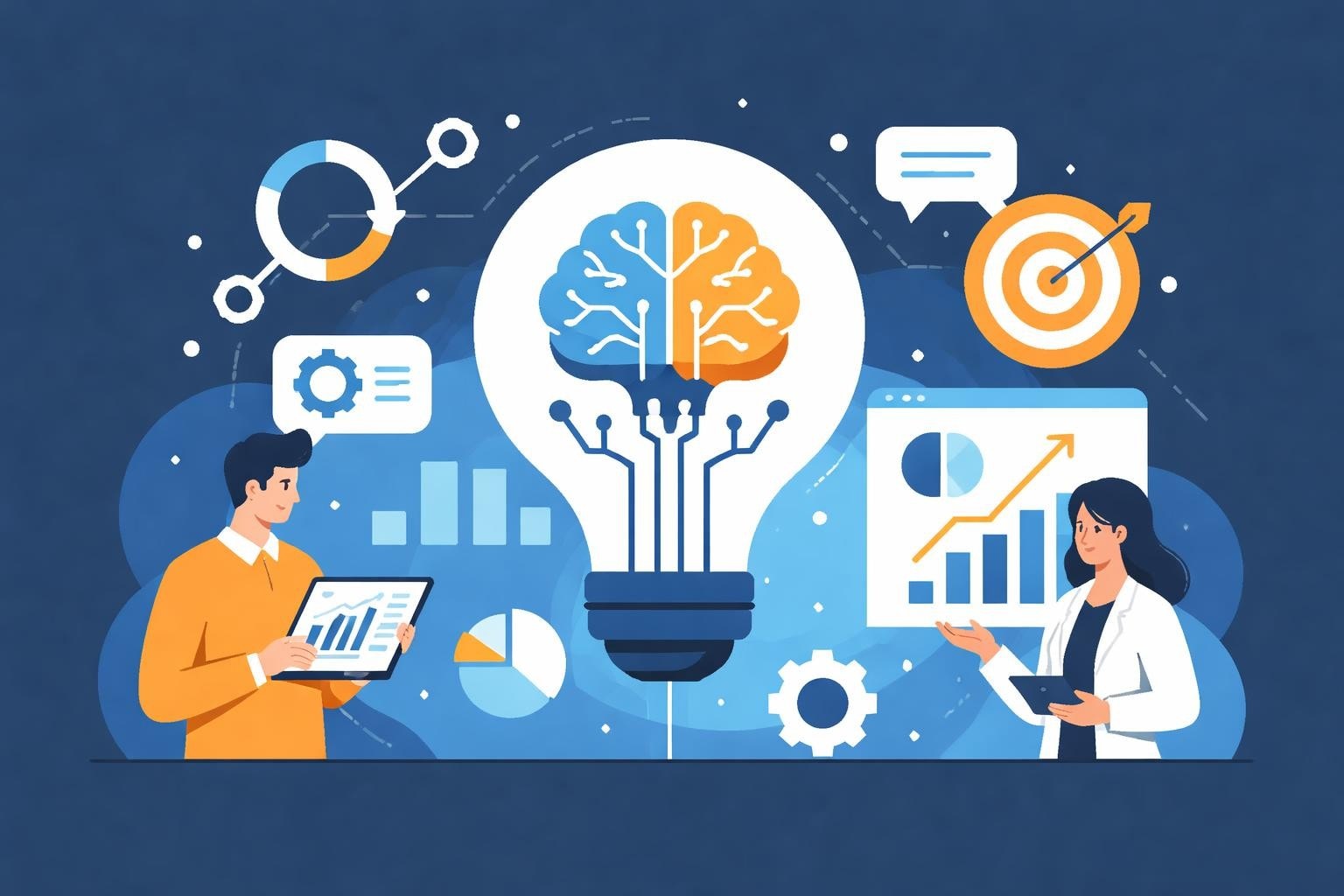
AI and Consulting: Transforming Professional Services
The intersection of artificial intelligence and professional advisory services represents one of the most significant transformations in the business landscape today. As organizations grapple with increasingly complex challenges, the integration of ai and consulting has emerged as a critical capability for firms seeking to deliver superior client outcomes. This convergence is fundamentally reshaping how consultants approach problem-solving, conduct research, and deliver strategic recommendations to their clients across industries.
The Current State of AI and Consulting Integration
Professional services firms have rapidly embraced AI technologies to augment their traditional methodologies. AI tools are transforming the consulting industry by automating routine analytical tasks and enabling consultants to process vast datasets that would be impossible to analyze manually. This shift has created a new paradigm where human expertise combines with machine intelligence to deliver unprecedented insights.
Major consulting firms report significant productivity gains across key areas:
- Data analysis and pattern recognition
- Client research and competitive intelligence
- Proposal development and customization
- Project management and resource allocation
- Risk assessment and scenario modeling
The adoption of ai and consulting methodologies varies considerably by firm size and specialization. Large multinational consultancies have invested heavily in proprietary AI platforms, while boutique firms increasingly leverage commercial AI tools to compete effectively. This democratization of AI capabilities has leveled the playing field in ways previously unimaginable.
Market Dynamics and Adoption Trends
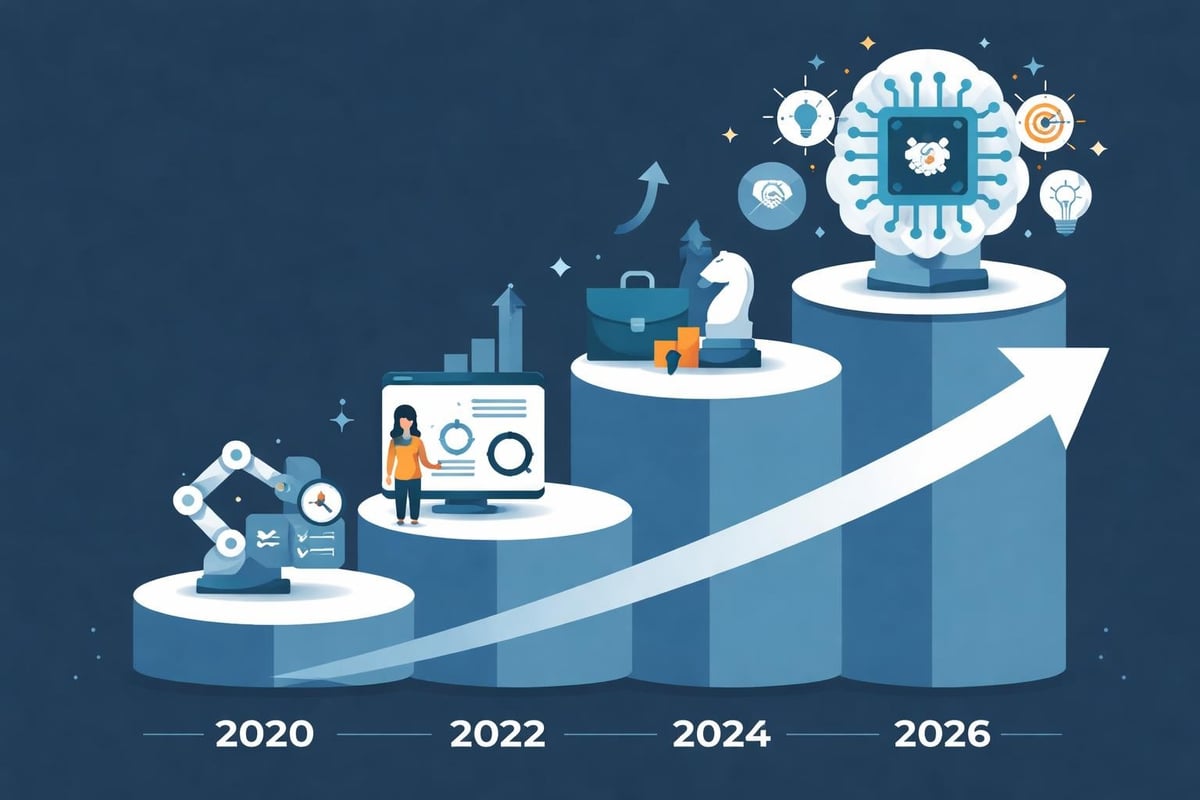
Current data indicates that approximately 73% of consulting firms have integrated some form of AI into their service delivery by 2026. This represents a dramatic increase from just 34% in 2022, demonstrating the accelerating pace of technological adoption.
| Consulting Segment | AI Adoption Rate | Primary Use Cases |
|---|---|---|
| Strategy Consulting | 89% | Market analysis, competitive intelligence |
| Management Consulting | 76% | Process optimization, performance analytics |
| Technology Consulting | 94% | Solution architecture, system integration |
| HR Consulting | 68% | Workforce analytics, talent assessment |
The financial services and healthcare sectors show the highest demand for AI-enhanced consulting services, driven by regulatory complexity and data-intensive operations.
Transformative Applications Across Consulting Disciplines
The practical applications of ai and consulting extend far beyond simple automation. Modern AI systems enable consultants to tackle challenges that were previously constrained by time, budget, or data availability limitations.
Strategic Advisory and Decision Support
AI-powered analytics platforms now process millions of data points to identify market opportunities, competitive threats, and strategic options. Consultants use natural language processing to analyze earnings calls, regulatory filings, and news sources simultaneously, generating comprehensive competitive landscapes in hours rather than weeks.
Machine learning models excel at:
- Predicting market trends based on historical patterns
- Identifying emerging technologies before they become mainstream
- Quantifying strategic risks across multiple scenarios
- Optimizing resource allocation across complex portfolios
- Generating data-driven recommendations with confidence intervals
These capabilities allow consulting teams to focus their expertise on interpreting results, challenging assumptions, and crafting nuanced recommendations that account for organizational culture and change management realities. The rise of AI in consulting has fundamentally shifted decision-making processes toward data-driven strategies while preserving the critical human element in final judgments.
Operational Excellence and Process Optimization
Management consultants leverage AI to map complex business processes, identify bottlenecks, and simulate optimization scenarios. Computer vision technologies analyze facility layouts and workflow patterns, while predictive algorithms forecast resource requirements based on historical demand patterns.
One particularly powerful application involves using AI to analyze thousands of process variations across different client sites, identifying best practices that human observers might miss due to volume constraints. This collective intelligence approach amplifies the value of every consulting engagement.
The Evolving Consultant Skill Set
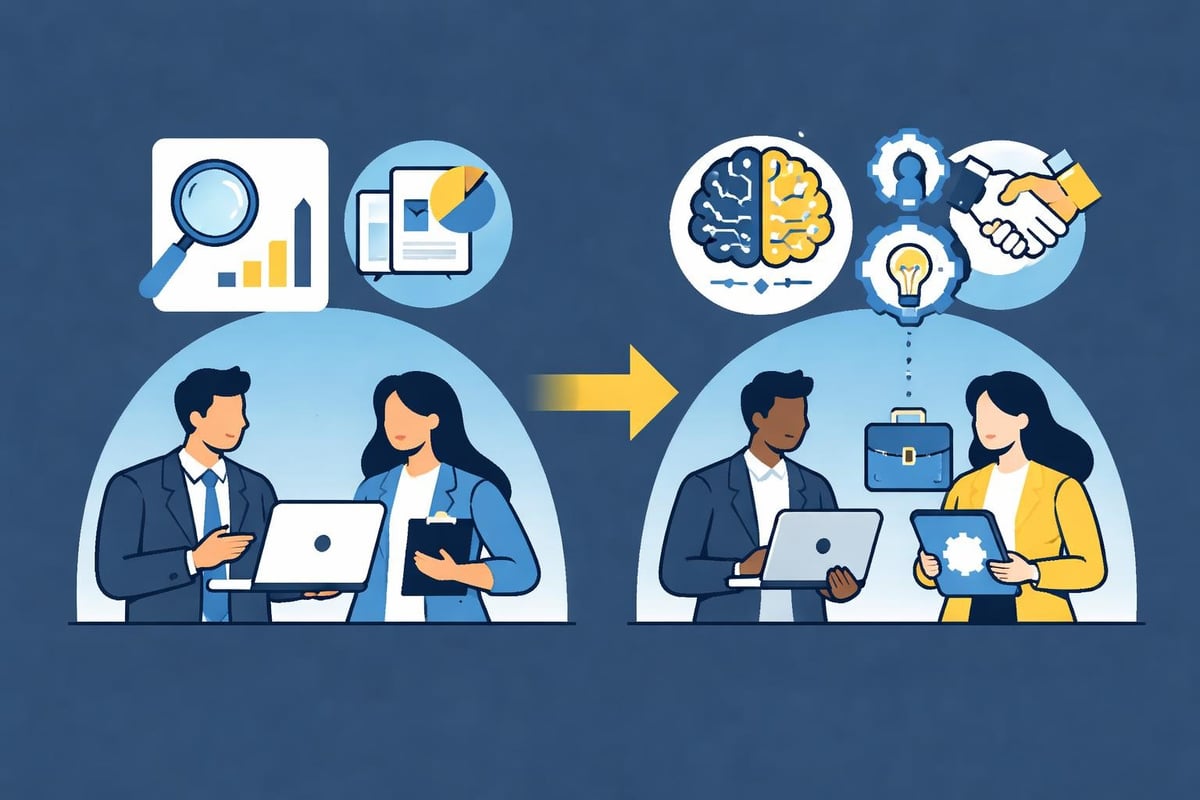
As ai and consulting become increasingly intertwined, the competencies required for consulting success are shifting dramatically. Modern consultants must combine traditional advisory skills with technical literacy and AI fluency.
The most valuable consultants in 2026 possess hybrid capabilities that bridge business acumen and technological understanding. They can formulate the right questions for AI systems, interpret algorithmic outputs critically, and translate technical findings into actionable business strategies.
Essential Competencies for Modern Consultants
Professionals entering or advancing in consulting now require proficiency across multiple domains:
- Data literacy: Understanding statistical concepts, data quality issues, and analytical limitations
- AI interaction: Crafting effective prompts, validating outputs, and recognizing algorithmic biases
- Technology architecture: Comprehending how AI systems integrate with existing enterprise infrastructure
- Ethical reasoning: Navigating privacy concerns, algorithmic fairness, and transparency requirements
The integration of artificial intelligence in consulting presents both opportunities for enhanced capabilities and risks related to over-reliance on automated systems. Successful consultants maintain healthy skepticism while embracing technological enablement.
Building High-Performance AI Consulting Teams
Organizations seeking to deliver ai and consulting services face unique talent acquisition challenges. The market for professionals who combine deep consulting experience with AI expertise remains extremely competitive, with demand far exceeding supply across most markets.
Talent Strategy Considerations
Forward-thinking consulting firms approach talent acquisition through multiple parallel strategies. Some invest in extensive upskilling programs to enhance the technical capabilities of experienced consultants, while others recruit data scientists and train them in consulting methodologies.
Effective team composition typically includes:
| Role | Key Responsibilities | Critical Skills |
|---|---|---|
| AI Strategist | Solution design, client advisory | Business acumen, technical architecture |
| Data Scientist | Model development, algorithm optimization | Machine learning, statistics, programming |
| Industry Consultant | Domain expertise, relationship management | Sector knowledge, communication, problem-solving |
| Implementation Specialist | System integration, change management | Project management, technical deployment |
The challenge extends beyond technical qualifications to include cultural fit and consulting mindset. Building teams that can successfully navigate client relationships while delivering technical solutions requires careful candidate evaluation. For firms seeking to build these capabilities, platforms offering verified AI talent matching provide validated candidate pools with comprehensive skill verification, helping organizations identify qualified professionals while avoiding costly hiring mistakes.
Successful consulting practices also invest in continuous learning programs, recognizing that AI capabilities evolve rapidly. The most effective firms dedicate 15-20% of consultant time to skills development and experimentation with emerging technologies.
Client Engagement Models and Value Delivery
The introduction of ai and consulting has fundamentally altered how firms structure engagements and demonstrate value to clients. Traditional time-and-materials models increasingly give way to outcome-based arrangements where AI-enabled efficiency gains benefit both parties.
Evolving Commercial Structures
Modern consulting engagements often incorporate AI licensing, data infrastructure costs, and algorithm development as distinct components. Clients expect transparency regarding which insights derive from AI analysis versus human expertise, creating new requirements for documentation and explainability.
Three dominant engagement models have emerged:
- AI-augmented traditional consulting: Human consultants use AI tools to enhance productivity while maintaining conventional delivery approaches
- Hybrid human-AI delivery: Clearly defined responsibilities where AI handles specific analytical components and humans focus on interpretation and strategy
- AI-platform consulting: Firms provide access to proprietary AI platforms with consulting support for implementation and optimization
The most successful firms clearly communicate their approach upfront, managing client expectations regarding AI capabilities and limitations. This transparency builds trust and prevents unrealistic assumptions about automation replacing human judgment.
Measuring and Communicating Impact
Demonstrating ROI from AI-enhanced consulting requires new metrics beyond traditional performance indicators. Forward-thinking firms track:
- Time compression in analytical processes
- Improvement in prediction accuracy
- Expansion of analytical scope and depth
- Quality enhancement in recommendations
- Acceleration of client decision-making
These metrics help clients understand the specific value AI brings to their engagements while maintaining appreciation for irreplaceable human expertise.
Navigating Implementation Challenges
Despite tremendous potential, the integration of ai and consulting presents significant obstacles that organizations must address systematically. AI's impact on consulting workflows extends to required skills, career paths, and fundamental business models, creating both opportunities and disruptions.
Common Obstacles and Solutions
Data access and quality represent the most frequent impediment to AI-enhanced consulting. Clients often lack the clean, structured data required for sophisticated analysis, necessitating significant data preparation work before AI applications deliver value.
Change resistance emerges from multiple sources. Some consultants fear AI replacing their roles, while clients worry about losing the personal touch that characterizes high-quality advisory relationships. Addressing these concerns requires transparent communication about AI augmentation rather than replacement.
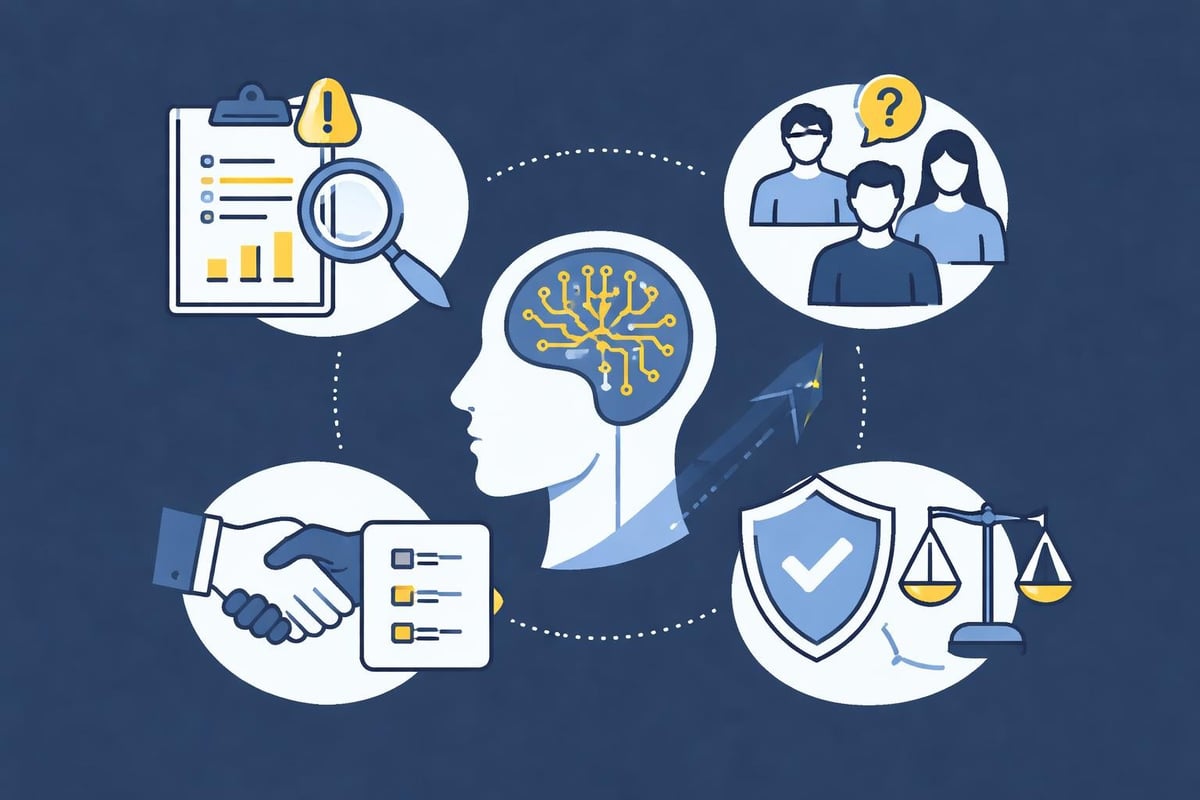
Ethical considerations around algorithmic bias, data privacy, and decision transparency demand careful attention. Consulting firms must establish robust governance frameworks ensuring AI applications adhere to professional standards and regulatory requirements.
The Competitive Landscape and Market Differentiation
As ai and consulting become standard rather than exceptional, firms struggle to maintain competitive differentiation. The consulting market increasingly segments between technology-led firms emphasizing AI capabilities and relationship-focused practices highlighting human insight and industry expertise.
Strategic Positioning Options
Consulting firms pursuing AI leadership typically invest in proprietary algorithms, exclusive data partnerships, and technical talent acquisition. These organizations position themselves as innovation partners capable of implementing cutting-edge solutions.
Alternatively, some firms deliberately emphasize human judgment and relationship depth, using AI selectively for efficiency while marketing their services based on experience and wisdom. This approach resonates with clients seeking trusted advisors rather than technology vendors.
Market positioning considerations include:
- Target client sophistication and AI readiness
- Industry regulatory environment and data sensitivity
- Competitive dynamics and existing market perceptions
- Internal capabilities and investment capacity
- Long-term vision for service evolution
Understanding how to navigate AI-enabled consulting trends helps firms identify positioning strategies aligned with their strengths and market opportunities.
Future Trajectories and Emerging Opportunities
The evolution of ai and consulting continues accelerating, with several emerging trends poised to reshape the industry further. Generative AI technologies now enable consultants to produce customized reports, create client presentations, and develop implementation roadmaps with unprecedented speed.
Next-Generation Capabilities
Advanced AI systems increasingly handle end-to-end analytical workflows, from data collection through insight generation to recommendation formulation. These capabilities free consultants to focus on higher-order activities including stakeholder alignment, change leadership, and strategic facilitation.
Emerging applications gaining traction include:
- Real-time strategy simulation and war-gaming
- Automated competitive intelligence monitoring
- Predictive client need identification
- Personalized learning and capability building
- Continuous performance optimization systems
For organizations building AI talent strategies, understanding these trajectories helps inform hiring priorities and skills development investments. The consulting professionals most valuable in coming years will combine deep domain expertise with sophisticated AI literacy and strong client relationship capabilities.
Integration Strategies for Consulting Organizations
Successful adoption of ai and consulting requires systematic planning rather than ad-hoc technology acquisition. Leading firms approach integration through structured frameworks addressing technology, talent, processes, and culture simultaneously.
Implementation Roadmap Components
Organizations should assess their current state across multiple dimensions before designing implementation plans. This assessment identifies gaps, prioritizes investments, and establishes realistic timelines for capability development.
| Implementation Phase | Duration | Key Activities | Success Metrics |
|---|---|---|---|
| Foundation Building | 3-6 months | Infrastructure setup, pilot projects, initial training | Technical readiness, team engagement |
| Capability Development | 6-12 months | Skill building, process redesign, client pilots | Consultant proficiency, client satisfaction |
| Scaled Deployment | 12-18 months | Broad rollout, performance optimization, culture embedding | Utilization rates, business impact |
| Continuous Evolution | Ongoing | Technology updates, advanced training, innovation initiatives | Competitive position, talent retention |
Phased approaches allow organizations to build confidence, demonstrate value incrementally, and adjust strategies based on learning. Rushing implementation often results in underutilization and consultant resistance.
Cultural Transformation Requirements
Technology deployment represents only one aspect of successful AI integration. Consulting firms must simultaneously address cultural dimensions including risk tolerance, learning orientation, and collaboration norms.
Effective change management includes transparent communication about AI's role, celebration of successful applications, and recognition systems rewarding innovation. Leaders must model comfort with AI tools while acknowledging limitations and maintaining focus on client value.
Risk Management and Governance Frameworks
As ai and consulting converge, organizations face new risk categories requiring specialized governance approaches. These risks span technical failures, ethical breaches, competitive disadvantages, and reputational damage.
Essential Risk Controls
Quality assurance processes ensure AI-generated insights meet professional standards before client presentation. Many firms implement dual-review requirements where human consultants validate all algorithmic outputs against business logic and domain expertise.
Bias detection and mitigation protocols address algorithmic fairness concerns, particularly when AI systems influence hiring, promotion, or resource allocation decisions. Regular audits examine model performance across different demographic groups and use cases.
Data protection and privacy controls safeguard sensitive client information throughout the AI lifecycle, from initial data ingestion through model training to output generation. Consulting firms must maintain rigorous security standards exceeding general industry requirements.
For organizations seeking to understand comprehensive approaches to AI talent verification and validation, these governance considerations extend to ensuring consulting teams possess verified capabilities rather than claimed credentials alone.
Industry-Specific Applications and Considerations
The application of ai and consulting varies significantly across sectors, with each industry presenting unique opportunities and constraints. Understanding these variations helps consulting firms tailor their approaches and develop specialized capabilities.
Sector-Specific Dynamics
Financial services consulting heavily emphasizes regulatory compliance, risk modeling, and fraud detection applications. AI systems analyze transaction patterns, assess credit risk, and optimize investment portfolios while navigating complex regulatory frameworks.
Healthcare consulting leverages AI for clinical pathway optimization, population health management, and operational efficiency. Privacy regulations and clinical validation requirements create additional complexity requiring specialized expertise.
Manufacturing consulting focuses on predictive maintenance, supply chain optimization, and quality control applications. Integration with industrial IoT systems and operational technology platforms demands unique technical capabilities.
These sector differences influence talent requirements, partnership strategies, and service development priorities. Consulting firms increasingly specialize by industry to build the deep expertise AI implementations require.
The transformation of professional services through AI represents both an opportunity and an imperative for consulting organizations. Success requires balancing technological capability with human insight, developing hybrid talent, and maintaining unwavering focus on client value. As firms navigate this evolution, accessing verified AI professionals who combine technical expertise with consulting mindsets becomes critical. Augmnt connects businesses with validated AI talent through comprehensive skill verification and fraud detection, ensuring you build consulting teams capable of delivering exceptional results in an AI-enabled future.